
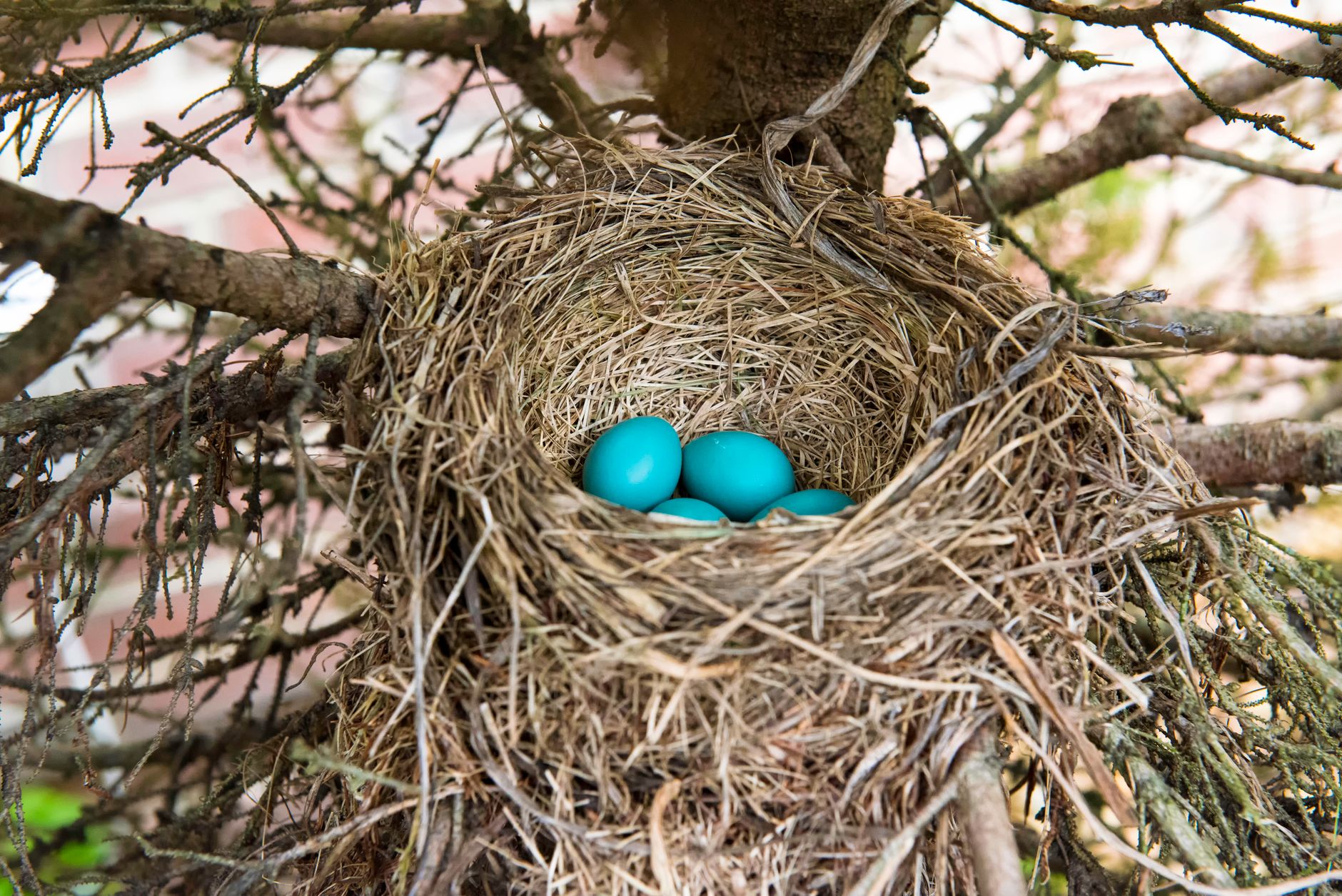
Do Male Birds Watch the Eggs? A Deep Dive into Avian Incubation
Do male birds watch the eggs? Yes, in many bird species, males participate in incubation, sharing the responsibilities with the female or even taking on the task alone, exhibiting a diverse range of parental care strategies. This article explores the fascinating world of avian incubation and the roles male birds play.

The Varied Roles of Male Birds in Incubation: An Introduction
The question of whether do male birds watch the eggs? reveals a captivating spectrum of parental behaviors across different avian species. While some might envision only female birds nestled diligently on their nests, the reality is far more complex and fascinating. The extent to which male birds participate in incubation, and their motivations for doing so, vary greatly depending on factors such as mating system, ecological pressures, and evolutionary history. Understanding these nuances provides valuable insight into the social lives of birds and the selective forces shaping their behavior.
What colours are fish most attracted to?
Can you put your finger in a trout's mouth?
Is methylene blue anti bacterial?
Does aquarium salt raise pH in aquarium?
Why Male Birds Incubate: The Benefits

Male incubation can offer numerous advantages, both for the male himself and for the offspring.
- Increased offspring survival: Shared incubation reduces the burden on the female, allowing her to forage more effectively and maintain her health. It also ensures constant nest attendance, protecting the eggs from predators and temperature fluctuations.
- Strengthening the pair bond: Incubation can be a shared activity that strengthens the bond between the male and female, increasing the likelihood of future breeding success.
- Paternity assurance: By incubating the eggs, the male increases his certainty that he is indeed the father of the chicks, reducing the risk of investing resources in offspring that are not his own.
- Female assistance: In some species, males that incubate are more likely to receive assistance from the female in other aspects of parental care, such as feeding the chicks.
How Male Incubation Works: The Process and Strategies
The way in which do male birds watch the eggs? varies considerably. Some males take on full incubation duties, relieving the female entirely. Others share the task, often with a predictable schedule of shifts. And in some species, the male’s role is more indirect, involving nest defense or providing food for the incubating female.
- Complete Incubation: In some species, the male solely incubates the eggs. This is especially common in species with sequential polyandry, where a female lays eggs for multiple males in a breeding season.
- Shared Incubation: This is perhaps the most common scenario, where the male and female share incubation duties. The shifts can be short, lasting only a few minutes, or long, extending for several hours.
- Indirect Incubation: In some species, the male doesn’t directly incubate the eggs but plays a vital role in supporting the incubating female by bringing her food or defending the nest from predators.
Factors Influencing Male Incubation Behavior
Several factors influence whether or not a male bird will participate in incubation:
- Mating System: Species with monogamous mating systems are more likely to exhibit shared incubation than those with polygamous systems.
- Environmental Conditions: In harsh environments, male incubation may be essential for maintaining optimal egg temperature and humidity.
- Food Availability: When food is scarce, males may need to forage more extensively, leaving the incubation duties primarily to the female.
- Predation Risk: High predation risk can favor shared incubation, as one parent can incubate while the other remains vigilant.
Common Misconceptions About Male Incubation
It’s important to dispel some common myths surrounding male incubation. Not all male birds actively incubate. Male parental care, including incubation, varies substantially across species. Moreover, the quality of male incubation can differ, with some males being more attentive than others.
Comparative Table: Male Incubation Strategies Across Species
| Species | Incubation Role | Mating System | Environmental Factor |
|---|---|---|---|
| Emperor Penguin | Sole Incubation | Monogamous | Extreme Cold |
| Killdeer | Shared Incubation | Monogamous | Temperature Control |
| Red Phalarope | Sole Incubation | Polyandrous | Resource Abundance |
| Mallard Duck | No Incubation (male) | Variable | Female Foraging |
| Bald Eagle | Shared Incubation | Monogamous | Nest Defense |
Frequently Asked Questions (FAQs)
Do all male birds watch the eggs?
No, not all male birds participate in incubation. The extent to which males contribute to incubation varies greatly across species, depending on factors such as mating system, ecological pressures, and evolutionary history. In some species, males play no role at all, while in others, they are solely responsible for incubating the eggs.
What is the evolutionary advantage of male birds incubating eggs?
The evolutionary advantage stems from increased offspring survival. By sharing incubation duties, the female can forage more effectively, maintaining her health and ensuring the chicks receive adequate nutrition. The male also gains paternity assurance and may strengthen his bond with the female, increasing future breeding success.
Are there species where the male does all the incubation?
Yes, there are several species where the male takes on full incubation duties. The Emperor Penguin is a notable example, where the male incubates the egg for over two months in the harsh Antarctic winter, while the female forages at sea. Similarly, male phalaropes are often the primary incubators.
How do male birds keep the eggs warm?
Male birds use a brood patch to keep the eggs warm. This is a patch of bare skin on their abdomen that is rich in blood vessels, allowing heat to transfer directly to the eggs. They also use their feathers to insulate the nest and protect the eggs from the elements.
What happens if the male bird abandons the eggs during incubation?
If a male bird abandons the eggs during incubation, the chances of the eggs hatching are significantly reduced. The eggs may become too cold or too hot, or they may be vulnerable to predators. The female may attempt to incubate the eggs herself, but her success will depend on her ability to balance incubation with foraging and other essential tasks.
Is male incubation more common in certain types of environments?
Male incubation tends to be more common in harsh environments, where maintaining optimal egg temperature and humidity is crucial for offspring survival. For example, in cold climates, male birds may help to incubate the eggs to prevent them from freezing.
Does the male bird’s role in incubation affect his future mating success?
Yes, in some species, a male’s role in incubation can affect his future mating success. Females may prefer to mate with males who are attentive parents, as this indicates that they are likely to provide good care for the offspring.
How do male birds know when to incubate and for how long?
Male birds have instinctive behaviors and hormonal cues that guide their incubation behavior. The specific duration and timing of incubation are often determined by the species and the environmental conditions. Visual and auditory cues from the female may also play a role in coordinating incubation shifts.
What are some of the challenges male birds face during incubation?
Male birds face a number of challenges during incubation, including predation, food scarcity, and extreme weather conditions. They may also be forced to defend the nest from rivals or other threats.
How does male incubation behavior differ between different species of birds?
Male incubation behavior differs significantly between different species of birds. Some males incubate solely, others share incubation duties with the female, and some play no direct role in incubation but may contribute to nest defense or food provisioning.
Does the size of the bird influence whether the male incubates?
While not a direct determinant, there might be some correlation between bird size and incubation roles. Larger birds may have better insulation, allowing either sex to effectively incubate. However, other factors like mating system and environment likely play a more significant role.
What research has been done to study male incubation in birds?
Extensive research has been conducted on male incubation, using techniques such as remote sensing technology to track incubation patterns, hormonal analysis to understand physiological changes, and behavioral observations to study parental care strategies. These studies have provided valuable insights into the evolution and ecology of avian incubation.