
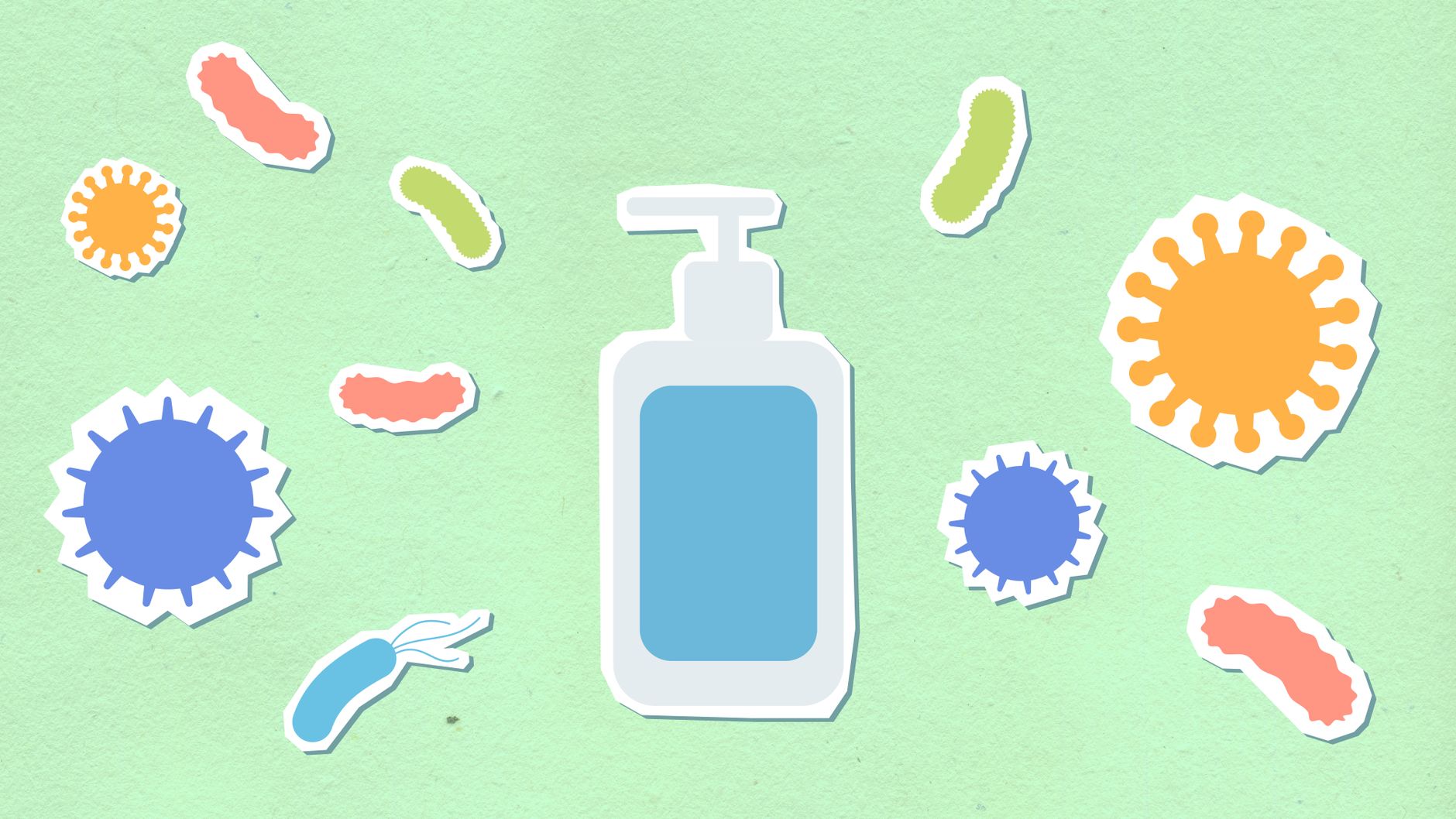
Bottled Water: A Microbial Paradise? Exploring Bacterial Life in Sealed Containers
Can bacteria live in bottled water? The answer is yes, while bottled water undergoes rigorous purification, it is not sterile, and bacteria can, and do, survive and even proliferate under the right conditions, impacting water quality over time.

The Allure and Reality of Bottled Water
Bottled water has become a ubiquitous part of modern life, often perceived as a purer and safer alternative to tap water. Its convenience and availability have contributed to its immense popularity, but questions about its long-term safety and potential for bacterial contamination remain. Can bacteria live in bottled water? This is a crucial question to address for consumers concerned about their health.
Can fish hear water?
How do I add oxygen to my goldfish water?
Do carbon filters remove water hardness?
Can dwarf frogs live on land?
The Bottling Process: Not Sterilization
While bottled water undergoes various filtration and disinfection processes, such as reverse osmosis, UV sterilization, and ozonation, it’s essential to understand that these methods do not render the water completely sterile. They significantly reduce the bacterial load but don’t eliminate all microorganisms. This residual microbial population is capable of surviving and potentially multiplying over time, depending on various factors.
Factors Influencing Bacterial Growth in Bottled Water
Several factors influence whether or not bacteria can thrive in bottled water:
- Water Source: The source of the water (spring, purified municipal water, etc.) impacts the initial bacterial load.
- Storage Conditions: Temperature, exposure to sunlight, and storage duration are critical. Higher temperatures can accelerate bacterial growth.
- Bottle Material: Some bottle materials may leach chemicals that can serve as nutrients for bacteria.
- pH Level: The acidity or alkalinity of the water can favor certain bacterial species.
- Nutrient Availability: While bottled water is relatively nutrient-poor, trace amounts of minerals or organic compounds can support bacterial growth.
- Type of bacteria: Some bacteria are more resilient in bottled water and can reproduce more effectively than other types of bacteria.
Potential Health Concerns
While most bacteria found in bottled water are harmless or opportunistic pathogens, meaning they only cause illness in individuals with weakened immune systems, their presence and proliferation can still pose risks. High bacterial counts can alter the taste and odor of the water, making it unpalatable. Moreover, certain pathogenic bacteria, though rarely found, can cause gastrointestinal illnesses. The longer the bottled water is stored, the greater the potential for bacterial growth and the associated risks.
Minimizing the Risk: Best Practices
Consumers can minimize the risk of bacterial contamination in bottled water by following these guidelines:
- Check the Expiration Date: Consume bottled water before the expiration date.
- Store Properly: Store bottled water in a cool, dark place.
- Avoid Direct Sunlight: Do not expose bottled water to direct sunlight for extended periods.
- Refrigerate After Opening: Refrigerate bottled water after opening to slow down bacterial growth.
- Inspect Before Drinking: Check for any visible signs of contamination, such as cloudiness or unusual odor.
- Choose Reputable Brands: Opt for bottled water from reputable brands that adhere to stringent quality control standards.
Types of Bacteria Found in Bottled Water
While the specific types of bacteria can vary, some common microorganisms found in bottled water include:
- Pseudomonas species
- Sphingomonas species
- Methylobacterium species
- Other heterotrophic bacteria
These bacteria are generally not harmful to healthy individuals in low concentrations but can become problematic under specific conditions.
Regulatory Oversight of Bottled Water
In many countries, bottled water is subject to regulations and quality control standards. These regulations typically cover source water quality, treatment processes, and finished product testing. However, the stringency of these regulations can vary, highlighting the importance of consumer awareness and responsible purchasing practices.
| Regulatory Body | Focus Area |
|---|---|
| FDA (US) | Standards of identity, quality, and labeling. |
| EFSA (EU) | Assessment of safety and hygiene requirements. |
Frequently Asked Questions About Bacteria in Bottled Water
Is bottled water completely sterile?
No, bottled water is not completely sterile. While it undergoes various treatment processes to remove contaminants and reduce bacterial levels, it’s impossible to eliminate all microorganisms. These remaining bacteria can potentially grow over time.
How long can bacteria survive in bottled water?
Bacteria can survive in bottled water for an extended period, potentially exceeding the expiration date of the product. Survival depends on several factors, including water source, storage conditions, and the types of bacteria present.
Does the type of bottle (plastic vs. glass) affect bacterial growth?
Yes, the type of bottle can influence bacterial growth. Plastic bottles may leach chemicals that can serve as nutrients for bacteria, while glass bottles are generally considered more inert. However, the impact is often minimal.
Can exposure to sunlight affect bacterial growth in bottled water?
Yes, exposure to sunlight can affect bacterial growth in bottled water. Sunlight can increase the temperature of the water, which promotes bacterial growth. Additionally, UV radiation from sunlight can degrade the bottle, potentially releasing chemicals.
Does refrigeration prevent bacterial growth in bottled water?
Refrigeration significantly slows down bacterial growth in bottled water, but it doesn’t completely eliminate it. Lower temperatures reduce the metabolic rate of bacteria, inhibiting their reproduction.
Can unopened bottled water go bad?
Yes, unopened bottled water can go bad. Although the water itself might not “spoil” in the traditional sense, the taste can change due to the breakdown of the plastic or the growth of bacteria, especially after the expiration date.
Is it safe to drink bottled water that has been left in a hot car?
It’s generally not recommended to drink bottled water that has been left in a hot car. High temperatures can leach chemicals from the plastic bottle into the water, and they can also accelerate bacterial growth.
How can I tell if bottled water is contaminated?
You can tell if bottled water is potentially contaminated by looking for visible signs, such as cloudiness or discoloration, or by smelling it for any unusual odors. If you observe any of these signs, do not drink the water.
What are the risks of drinking contaminated bottled water?
The risks of drinking contaminated bottled water can range from mild gastrointestinal discomfort to more serious illnesses, depending on the type and concentration of bacteria present. Individuals with weakened immune systems are at higher risk.
Are there specific types of bacteria I should be concerned about in bottled water?
While most bacteria found in bottled water are not harmful, pathogenic bacteria such as E. coli and Salmonella, though rare, can cause serious illness.
Does filtering bottled water at home provide any additional benefits?
Filtering bottled water at home can provide some additional benefits, such as removing any residual chemicals or particulates that may have leached from the bottle. However, the primary benefit is removing chlorine or other additives in tap water.
Are some brands of bottled water safer than others?
Yes, some brands of bottled water may be safer than others due to stricter quality control measures and more advanced treatment processes. Choose reputable brands and look for certifications that indicate adherence to quality standards. Look for brands that use high-quality bottles as well.