
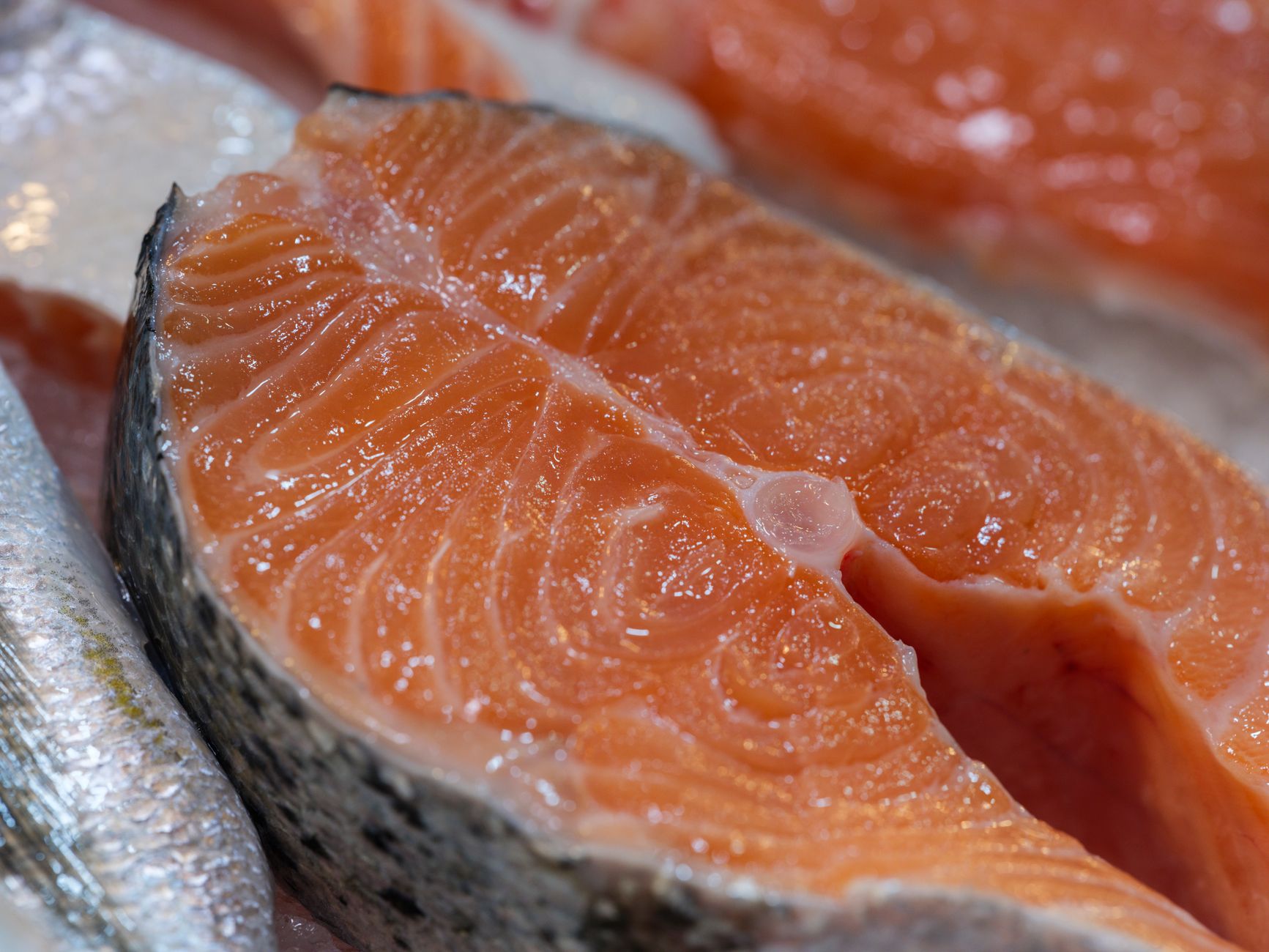
Do King Salmon Return to the Ocean After Spawning?
No, king salmon, also known as Chinook salmon, do not typically return to the ocean after spawning. They are semelparous, meaning they die after their first reproductive event.

King Salmon: A Majestic Species
King salmon, Oncorhynchus tschawytscha, are the largest species of Pacific salmon, renowned for their size, strength, and rich flavor. Their life cycle is an epic journey, beginning in freshwater streams and rivers, migrating to the ocean to mature, and ultimately returning to their natal streams to reproduce. This arduous journey culminates in spawning, a physically demanding process that leaves them depleted.
What colours are fish most attracted to?
Can you put your finger in a trout's mouth?
Is methylene blue anti bacterial?
Does aquarium salt raise pH in aquarium?
The Life Cycle of King Salmon

Understanding the life cycle is key to grasping why Do king salmon return to the ocean after spawning? The life cycle includes several distinct phases:
- Egg Stage: Salmon eggs are laid in gravel nests called redds, typically in clear, cold, well-oxygenated streams.
- Alevin Stage: Once hatched, alevins remain in the gravel, nourished by their yolk sac.
- Fry Stage: As the yolk sac is absorbed, fry emerge from the gravel and begin feeding on insects.
- Smolt Stage: After a period of growth in freshwater, smolts undergo physiological changes to prepare for saltwater life, migrating downstream to the ocean.
- Ocean Phase: King salmon spend several years in the ocean, feeding and growing before beginning their upstream migration back to freshwater.
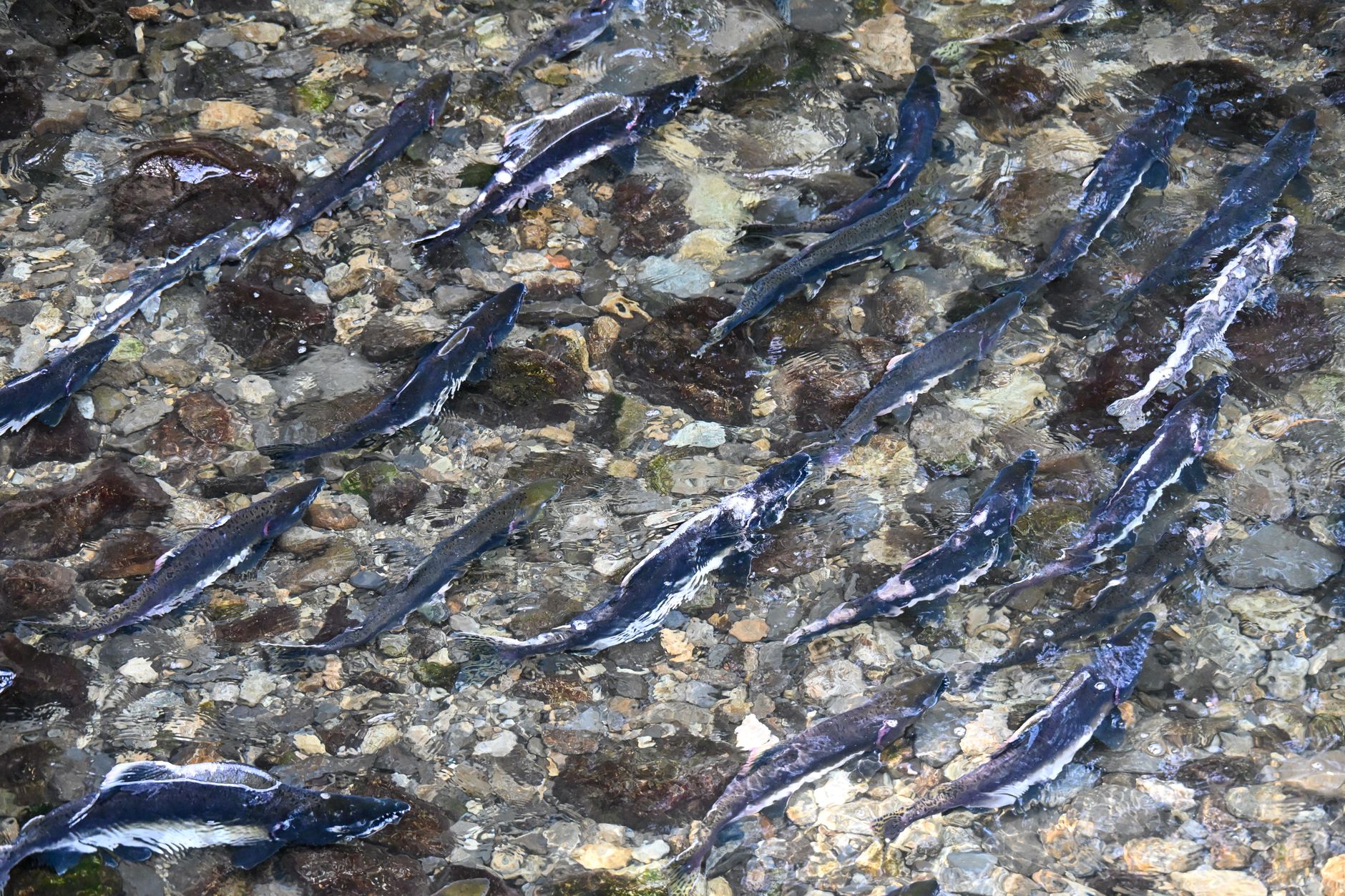
- Spawning Stage: Upon reaching their natal streams, salmon undergo further physiological changes, ceasing to feed and focusing solely on reproduction.
The Spawning Process and its Toll
The spawning process is incredibly taxing on king salmon. They expend enormous amounts of energy migrating upstream, often navigating rapids, waterfalls, and other obstacles. Once they reach their spawning grounds, they engage in intense activity: digging redds, defending territories, and ultimately, mating. This process takes a significant toll on their bodies.
- Energy Depletion: Salmon cease feeding during their upstream migration, relying solely on stored energy reserves.
- Physical Degradation: As they migrate, their bodies undergo dramatic transformations, including changes in coloration, fin structure, and muscle composition.
- Immune System Compromise: The stress of migration and spawning weakens their immune systems, making them more susceptible to disease and injury.
Semelparity: Death After Spawning
The answer to “Do king salmon return to the ocean after spawning?” is tied to their semelparous reproductive strategy. Semelparity means that an organism reproduces only once in its lifetime. This reproductive strategy is common in many species of Pacific salmon, including king salmon. The intense energy expenditure and physical degradation associated with spawning leave king salmon too weak to survive the return journey to the ocean. Their bodies essentially shut down after fulfilling their reproductive purpose.
Exceptions to the Rule: Rare Cases of Survival
While highly unusual, there have been documented instances of salmon potentially surviving to spawn again. These cases are exceptionally rare and often involve individuals that experienced unusually favorable conditions during their spawning migration, or potentially spawned in much younger years. However, the vast majority of king salmon die after spawning. These exceptional circumstances don’t negate the general rule of semelparity in king salmon.
Ecological Significance of Post-Spawning Salmon
Though Do king salmon return to the ocean after spawning? No, they die, but their decaying bodies play a crucial role in the ecosystem. Their carcasses provide essential nutrients to the stream and surrounding riparian areas. These nutrients support the growth of algae, insects, and other organisms, which in turn provide food for juvenile salmon and other wildlife. The decomposition of salmon carcasses also enriches the soil, benefiting plant life.
Threats to King Salmon Populations
Understanding the life cycle of king salmon and the impact of semelparity is crucial for conservation efforts. King salmon populations face a number of threats, including:
- Habitat Loss: Dam construction, logging, and urbanization have degraded and fragmented salmon habitat.
- Overfishing: Unsustainable fishing practices have depleted salmon stocks in some areas.
- Climate Change: Rising water temperatures, changes in precipitation patterns, and ocean acidification are impacting salmon populations.
- Pollution: Runoff from agriculture and urban areas can pollute streams and rivers, harming salmon.
Conservation Efforts
Protecting king salmon populations requires a multi-faceted approach, including:
- Habitat Restoration: Removing dams, restoring riparian areas, and improving water quality.
- Sustainable Fisheries Management: Implementing fishing regulations that ensure the long-term sustainability of salmon stocks.
- Climate Change Mitigation: Reducing greenhouse gas emissions to slow the pace of climate change.
- Pollution Control: Implementing measures to reduce pollution from agriculture and urban areas.
Frequently Asked Questions (FAQs)
Why do king salmon die after spawning?
King salmon die after spawning due to semelparity, a reproductive strategy where they expend all their energy in a single reproductive event. The migration, spawning, and associated physiological changes deplete their resources, leaving them too weak to survive.
What happens to the bodies of salmon after they die?
The decaying bodies of salmon decompose, releasing essential nutrients into the stream ecosystem. These nutrients support the growth of algae, insects, and other organisms, ultimately benefiting juvenile salmon and other wildlife.
Are there any documented cases of salmon surviving after spawning?
While extremely rare, there have been isolated reports of salmon surviving to spawn again. These cases are exceptional and don’t change the fact that king salmon are typically semelparous. These fish likely either spawned younger or experienced favorable conditions.
How long do king salmon live?
King salmon typically live for 3 to 7 years, with most spending several years in the ocean before returning to freshwater to spawn and die.
Where do king salmon spawn?
King salmon spawn in freshwater streams and rivers, typically in the same streams where they were born. They prefer clear, cold, well-oxygenated water with gravel beds suitable for building redds (nests).
What do king salmon eat?
In the ocean, king salmon feed on a variety of prey, including fish, crustaceans, and squid. In freshwater, they typically do not feed during their spawning migration.
Are king salmon endangered?
Some populations of king salmon are listed as threatened or endangered under the Endangered Species Act. Other populations are healthy and well-managed.
What is a redd?
A redd is a gravel nest that female salmon dig in the stream bed to deposit their eggs. They use their tails to create a depression in the gravel, where they lay their eggs, which are then fertilized by male salmon.
How many eggs do king salmon lay?
Female king salmon can lay thousands of eggs, typically ranging from 3,000 to 14,000 eggs per spawning event.
What is the difference between king salmon and other salmon species?
King salmon are the largest species of Pacific salmon, known for their size, strength, and rich flavor. They also have a longer lifespan than some other salmon species.
How does climate change affect king salmon?
Climate change affects king salmon in a variety of ways, including rising water temperatures, changes in precipitation patterns, and ocean acidification. These changes can impact salmon habitat, food availability, and survival rates.
What can I do to help protect king salmon?
You can help protect king salmon by supporting conservation organizations, reducing your carbon footprint, practicing sustainable fishing, and advocating for policies that protect salmon habitat. Understanding Do king salmon return to the ocean after spawning? helps understand what they face during their life.