
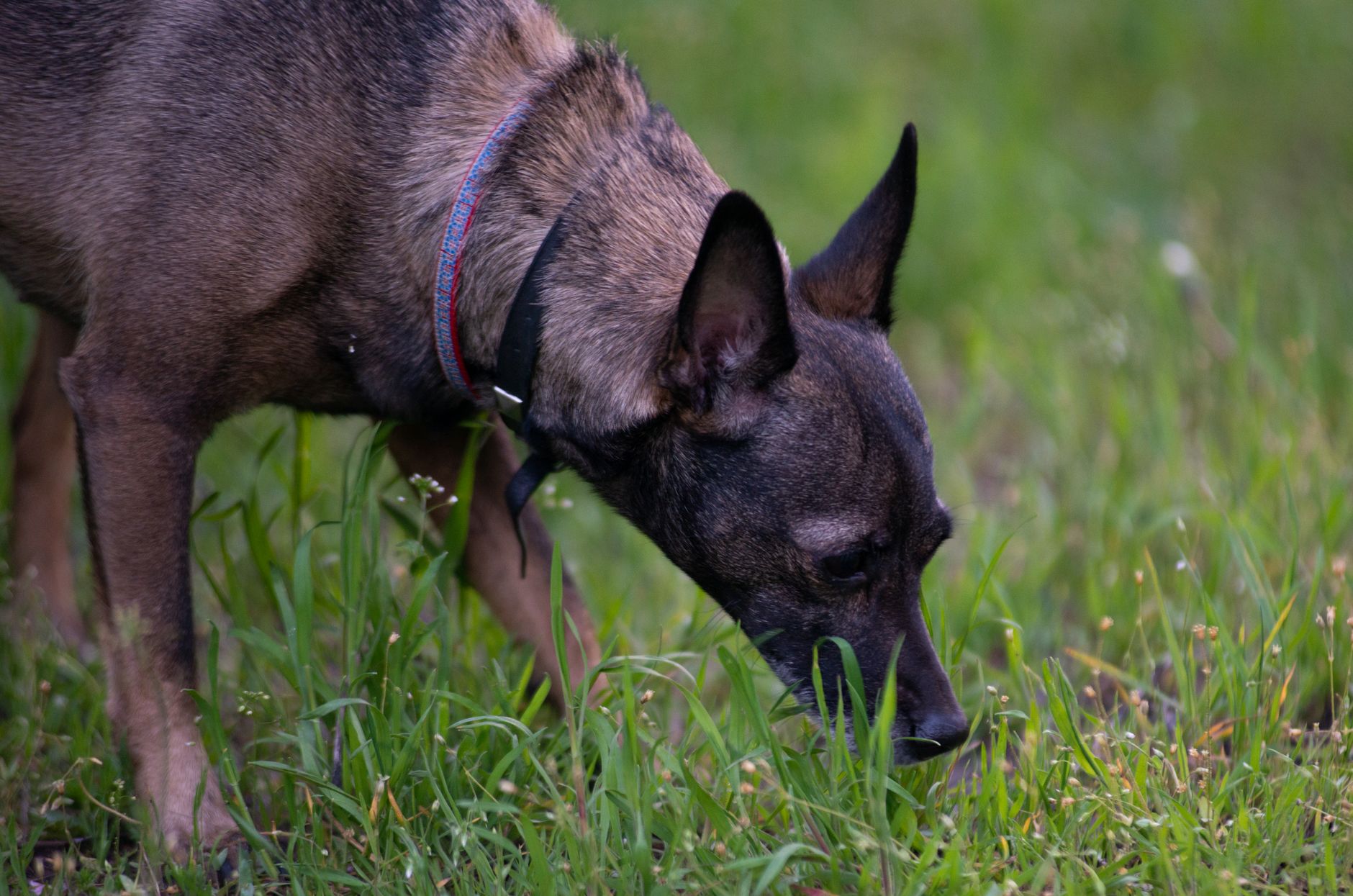
Why Do Dogs Check for Snakes? A Deep Dive into Canine Snake Detection
Dogs check for snakes primarily due to their instinctual drive to hunt, explore, and protect, combined with their heightened senses, especially their keen sense of smell; these factors drive them to investigate unusual scents and movements, which can lead them to detect the presence of snakes and, potentially, alert their owners.

The Ancient Instinct: Hunting and Survival
Dogs, descended from wolves, retain a strong hunting instinct. This drive, deeply ingrained in their DNA, motivates them to investigate their surroundings, track scents, and pursue movement. While domesticated, this inherent urge persists.
- Prey Drive: The sight, sound, or even the lingering scent of a potential prey animal, like a snake, can trigger this drive.
- Exploration: Dogs are naturally curious creatures. They explore their environments to gather information, and this exploration often involves investigating new or unusual smells.
- Territoriality: Many dogs have a protective instinct towards their territory and their pack (their human family). Detecting a potential threat like a snake can trigger a defensive response.
This combination of innate drives is a key reason why do dogs check for snakes? It’s part of their broader engagement with the world around them.

What is the GREY African clawed frog?
Is distilled water good for goldfish?
What colours are fish most attracted to?
Can you put your finger in a trout's mouth?
Super-Sized Senses: The Nose Knows
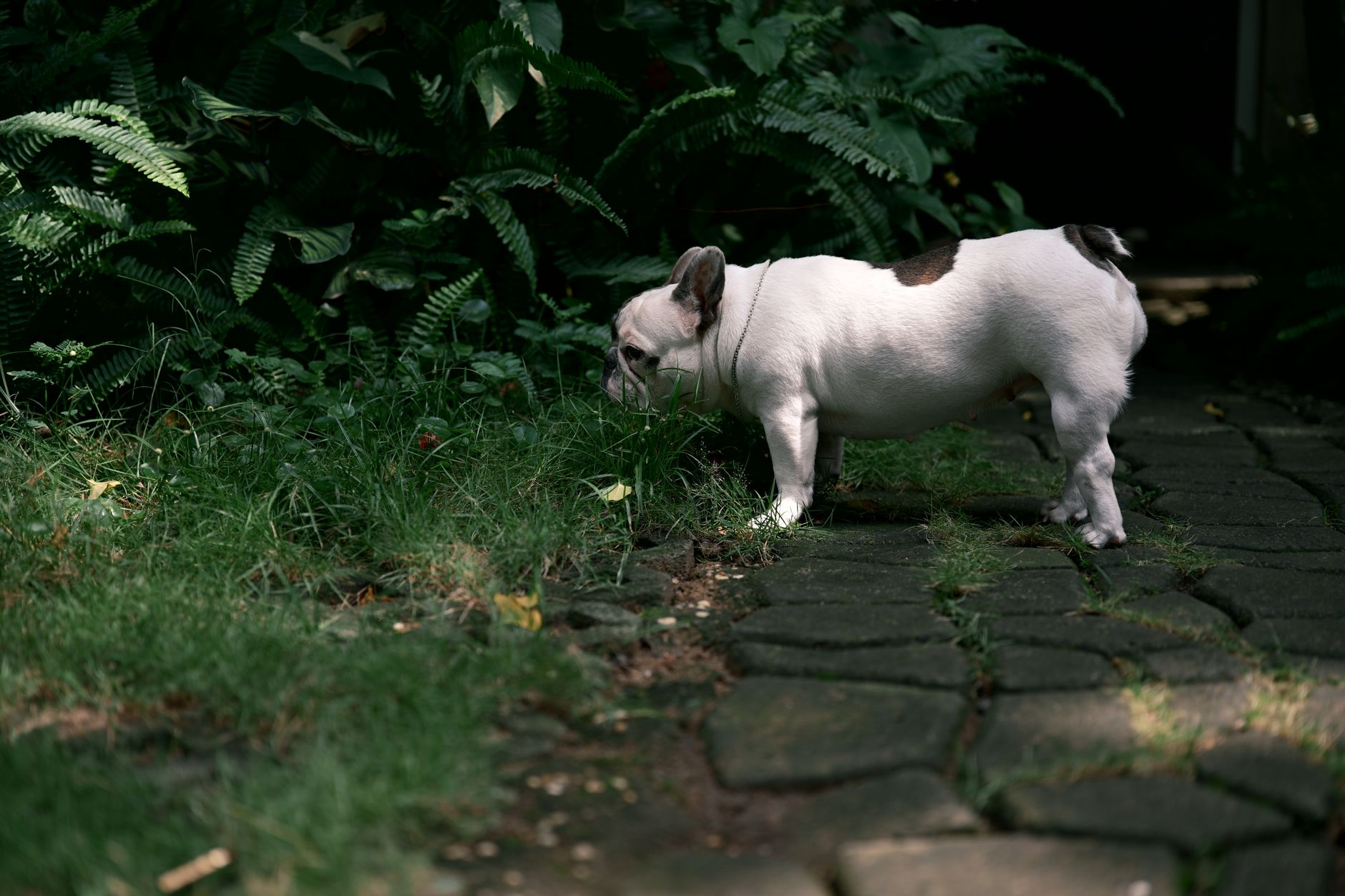
Dogs possess an olfactory system far superior to that of humans. Their noses are equipped with millions of olfactory receptors, allowing them to detect scents at concentrations we can’t even imagine.
- Olfactory Receptors: Dogs have approximately 300 million olfactory receptors compared to our paltry 6 million.
- Vomeronasal Organ (Jacobson’s Organ): This specialized olfactory organ detects pheromones and other subtle chemical signals. Snakes release chemical cues, and dogs can detect these with incredible accuracy.
- Airflow and Analysis: A dog’s nasal passages are designed to efficiently analyze the components of a scent, allowing them to distinguish between different smells within a complex odor.
This superior sense of smell makes them highly effective at detecting the musky, reptilian scent of a snake, even if the snake is hidden from view.
Breeds with a Predisposition: Hunters and Herders
While most dogs possess the basic instincts and senses needed to detect snakes, certain breeds are naturally more inclined to do so. This is due to their breeding history and the traits they were selectively bred for.
| Breed | Reason |
|---|---|
| Terriers | Originally bred to hunt vermin, including rodents and reptiles. They are tenacious and have a strong prey drive. |
| Herding Breeds | Highly observant and alert to changes in their environment. They are also naturally protective of their “flock” (family). |
| Hunting Breeds | Bred to track and retrieve game, relying heavily on their sense of smell. |
For example, terriers like Jack Russells and Cairn Terriers are notorious for their eagerness to hunt small animals. These breeds might be particularly likely to alert their owners to the presence of a snake. The answer to why do dogs check for snakes? partly lies in breed predisposition.
Training for Snake Avoidance: A Counterintuitive Approach
While a dog’s natural instincts might lead them to investigate snakes, it’s crucial to train them to avoid these potentially dangerous creatures. Snake avoidance training is a method that teaches dogs to recognize and avoid the scent, sight, and sound of snakes.
- Scent Training: Exposing the dog to the scent of venomous snakes in a controlled environment.
- Visual Recognition: Showing the dog a visual representation of a snake (e.g., a shed skin or a realistic toy).
- Auditory Cues: Playing recordings of snake rattles or hisses.
- Positive Reinforcement: Rewarding the dog for exhibiting avoidance behavior.
Snake avoidance training, ironically, leverages the dog’s natural curiosity to teach them a healthy respect for snakes.
Interpreting Your Dog’s Behavior: Clues to Snake Detection
Understanding your dog’s behavior can provide valuable clues as to whether they have detected a snake. Watch for:
- Sniffing Intensively: Focused, rapid sniffing in a specific area.
- Pointing or Staring: Fixating on a particular spot.
- Barking or Whining: Alerting you to a potential threat.
- Hesitation or Avoidance: Reluctance to enter a certain area.
- Pawing or Digging: Attempting to unearth something hidden.
By observing these cues, you can gain insight into why do dogs check for snakes? and take appropriate action to ensure your dog’s safety and yours.
Frequently Asked Questions (FAQs)
Why do dogs eat snakes if they detect them?
Some dogs, particularly those with a strong prey drive, may attempt to kill and even eat snakes. This behavior is instinctual and can be dangerous, especially with venomous snakes. It’s vital to train your dog to avoid snakes and discourage them from engaging in this behavior.
Are all dogs good at detecting snakes?
While most dogs have the capacity to detect snakes, some breeds and individuals are more skilled than others. Factors such as breed, training, and individual temperament play a role in a dog’s ability to effectively detect and avoid snakes.
Can dogs detect snakes in water?
Yes, dogs can detect snakes in water, though it might be more challenging. The scent of a snake can dissipate quickly in water, but a dog’s keen sense of smell can still pick up on it, especially if the snake is nearby.
What is the best way to protect my dog from snakes?
The best way to protect your dog from snakes is a combination of snake avoidance training, keeping your yard clear of debris and hiding places for snakes, and supervising your dog when outdoors.
Is it safe to let my dog chase snakes away?
No, it is never safe to let your dog chase snakes away. This puts your dog at risk of being bitten, and can also provoke the snake to attack.
How effective is snake avoidance training?
Snake avoidance training can be highly effective, but it’s important to find a qualified and experienced trainer. The effectiveness of the training also depends on the dog’s temperament and consistency in reinforcing the training.
What should I do if my dog is bitten by a snake?
If your dog is bitten by a snake, seek veterinary care immediately. Identify the snake if possible (safely) to help the vet determine the appropriate treatment. Keep your dog calm and as still as possible to slow the spread of venom.
Can dogs detect non-venomous snakes as well as venomous snakes?
Yes, dogs can detect both venomous and non-venomous snakes. Their sense of smell allows them to detect the general scent of snakes, regardless of whether they are venomous.
How does a dog’s sense of hearing help them detect snakes?
While a dog’s sense of smell is the primary sense used for detecting snakes, their hearing can also play a role. They may be able to hear the rustling of a snake moving through the underbrush, although this is less reliable than scent detection.
Are there any gadgets or devices that can help me detect snakes in my yard?
While there are no foolproof gadgets for detecting snakes, keeping your yard well-maintained and free of debris is the best way to reduce the likelihood of snakes taking up residence. You can also consider using snake fencing around your property.
What are the signs that a snake is present in my yard?
Signs that a snake is present in your yard include shed skins, snake tracks in soft soil, and the sight or sound of a snake itself. Also, a sudden decrease in the rodent population could suggest a snake presence.
Should I be concerned about my dog’s natural curiosity about snakes?
Yes, you should be concerned about your dog’s natural curiosity about snakes. While curiosity is a normal canine trait, it can put your dog at risk of being bitten by a venomous snake. That’s why do dogs check for snakes? and it is essential to take steps to protect your dog from this danger through training and prevention.