

Do Dogs Miss Their Previous Owners? Understanding Canine Attachment
Dogs are undeniably social creatures, and the question of whether they experience a sense of loss and longing for past companions is a profound one. It’s highly likely that dogs do indeed miss their previous owners, exhibiting signs of grief and attachment even after significant periods of separation, shaped by individual differences and the strength of the original bond.

The Canine Capacity for Attachment
The enduring bond between humans and dogs is ancient, forged over millennia of co-evolution. This shared history has shaped the canine brain, endowing it with a remarkable capacity for attachment. But what does attachment actually mean in the context of a dog’s emotional life?
-
Attachment Theory: Developed initially to explain human infant-caregiver relationships, attachment theory provides a framework for understanding how close relationships influence behavior and emotional regulation. While not identical, there are parallels in canine-human bonds.
-
Neurochemical Basis: Studies have shown that interactions with beloved humans trigger the release of oxytocin, often called the “love hormone,” in dogs. This neurochemical reward system reinforces attachment behaviors.
-
Learned Association: Dogs learn to associate their primary caregivers with safety, comfort, food, and affection. These associations become deeply ingrained and contribute to feelings of security and well-being.
What colours are fish most attracted to?
Can you put your finger in a trout's mouth?
Is methylene blue anti bacterial?
Does aquarium salt raise pH in aquarium?
Recognizing Signs of Grief in Dogs
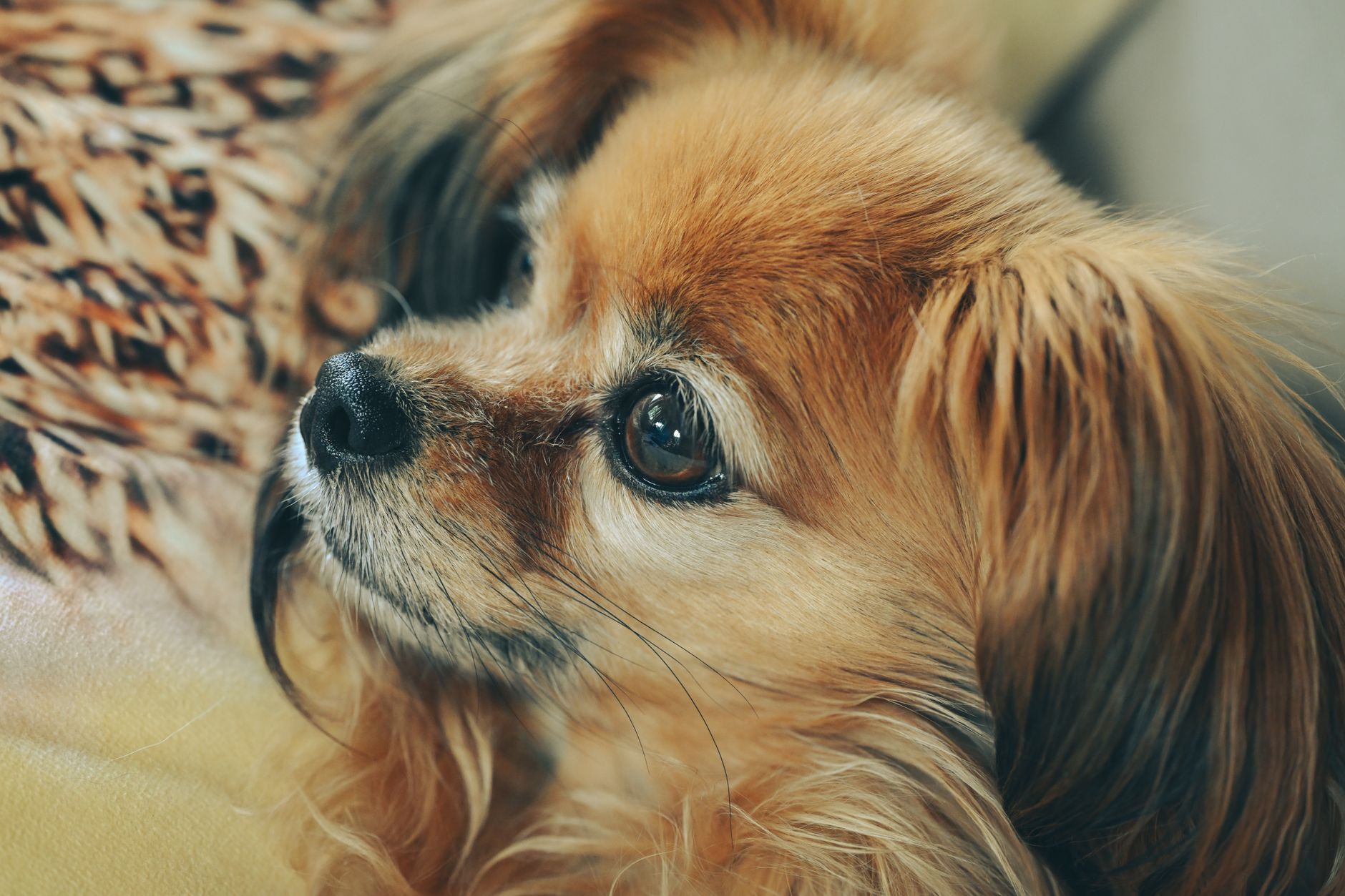
Determining whether a dog is actively missing a previous owner requires careful observation. Canine grief doesn’t always manifest in obvious ways. Often, it’s subtle and easily misinterpreted.
-
Behavioral Changes: Look for changes in appetite, sleep patterns, activity levels, and social interactions. A dog who suddenly becomes withdrawn, restless, or clingy may be grieving.
-
Vocalization: Excessive whining, barking, or howling, especially when left alone, could indicate distress related to separation from a former companion.
-
Searching Behavior: A dog may persistently search for a lost owner, looking out windows, sniffing around familiar places, or showing increased interest in objects associated with the absent person.
-
Anxiety and Depression: In severe cases, dogs may develop signs of anxiety or depression, such as trembling, panting, loss of interest in play, and decreased energy levels.
It’s crucial to rule out any underlying medical conditions that could be contributing to these symptoms. Consult a veterinarian to ensure the dog’s physical health is not a factor.
Factors Influencing the Intensity of Grief
Not all dogs experience grief in the same way. Several factors can influence the intensity and duration of their emotional response to separation.
-
Strength of the Bond: The closer the relationship with the previous owner, the more profound the sense of loss is likely to be. Dogs who were heavily reliant on their owner for companionship, care, and emotional support will likely experience more intense grief.
-
Age and Health: Younger, healthier dogs may adapt more readily to new environments and routines than older, less resilient animals. Underlying health conditions can exacerbate feelings of anxiety and insecurity.
-
Personality: Some dogs are naturally more independent and adaptable than others. These dogs may adjust more easily to new homes and relationships.
-
Circumstances of Separation: The circumstances surrounding the separation can also play a role. Sudden, unexpected departures are generally more traumatic than planned rehoming situations where the dog has time to adjust.
Helping a Dog Cope with Loss
Providing a supportive and nurturing environment can help a dog cope with the loss of a previous owner.
-
Establish a Routine: Dogs thrive on routine. Consistent feeding times, walks, playtime, and bedtime can provide a sense of stability and security.
-
Provide Comfort and Affection: Offer plenty of physical affection, reassurance, and positive reinforcement. Spend quality time with the dog, engaging in activities they enjoy.
-
Create a Safe and Secure Environment: Ensure the dog has a comfortable bed, access to toys and chew items, and a safe space where they can retreat when feeling overwhelmed.
-
Consider Professional Help: If the dog’s grief is severe or prolonged, consult a veterinarian or certified professional dog trainer. They can provide guidance on managing anxiety and behavioral issues. Sometimes, medication can assist temporarily.
The Power of New Bonds
While dogs can miss their previous owners, they also possess a remarkable capacity for forming new attachments. Over time, with patience and love, they can develop strong bonds with new caregivers. This ability to adapt and embrace new relationships is a testament to their resilience and social nature.
-
Focus on Positive Reinforcement: Use positive reinforcement training methods to build trust and strengthen the bond. Reward desired behaviors with treats, praise, and affection.
-
Introduce New Activities: Expose the dog to new experiences, such as walks in different locations, interactive games, and socialization with other dogs.
-
Be Patient and Understanding: Building a new relationship takes time. Be patient and understanding, and avoid pushing the dog beyond their comfort zone.
Ultimately, understanding the nuances of canine attachment and grief is essential for providing the best possible care for dogs who have experienced loss. While the pain of separation can be profound, it’s important to remember that dogs are resilient creatures capable of forming strong bonds and finding happiness in new relationships.
Frequently Asked Questions (FAQs)
How long does it take for a dog to get over a previous owner?
The grieving process varies significantly from dog to dog. Some dogs may adjust within a few weeks, while others may take several months or even longer to fully adapt to a new life. Consistency, patience, and a supportive environment are key to helping them heal.
What are the most common signs that a dog is missing its previous owner?
Common signs include decreased appetite, changes in sleep patterns, increased vocalization, searching behavior, withdrawal from social interactions, and signs of anxiety or depression. However, these symptoms can also indicate underlying health problems, so it’s important to consult a veterinarian.
Can I do anything to help my newly adopted dog adjust faster?
Yes! Establish a consistent routine, provide plenty of affection and reassurance, create a safe and secure environment, and avoid overwhelming the dog with new experiences. Positive reinforcement training can also help build trust and strengthen the bond.
Is it better to get a puppy or an adult dog if I’m concerned about attachment issues?
Both puppies and adult dogs can form strong attachments. While puppies require more training and socialization, adult dogs may already have established behavioral patterns and may take longer to adjust. Consider your lifestyle and experience level when making the decision.
Will my dog ever forget its previous owner completely?
Dogs have excellent memories, particularly for people and experiences that were significant to them. While the intensity of their grief may diminish over time, it’s unlikely that they will completely forget their previous owner. However, this does not preclude them from forming strong new bonds.
Is it possible for a dog to grieve for another dog?
Yes, dogs can grieve for other dogs they have bonded with. Signs of grief may include changes in appetite, sleep patterns, decreased activity levels, and searching behavior. Provide comfort, reassurance, and opportunities for social interaction with other dogs if appropriate.
Should I talk about the previous owner in front of my new dog?
It’s generally best to avoid constantly talking about the previous owner in front of the dog, as this could trigger feelings of anxiety or sadness. Focus on building a new relationship based on positive experiences.
Does the breed of dog affect how they grieve?
While individual personality plays a bigger role, some breeds are generally considered to be more prone to separation anxiety than others. However, any dog can experience grief regardless of breed.
Is it cruel to rehome a dog?
Rehoming a dog is not inherently cruel, especially if it is done with the dog’s best interests in mind. Sometimes, a new home can provide a better environment and quality of life for the dog. However, it’s important to minimize the trauma of the transition and ensure the dog is placed in a loving and supportive home.
What if my dog doesn’t seem to be grieving at all?
Every dog grieves differently. Some dogs may be more resilient or adaptable than others. If your dog seems content and well-adjusted, there’s no need to worry.
Is it ever too late for a dog to bond with a new owner?
It’s almost never too late for a dog to bond with a new owner. While older dogs may take longer to adjust, they are still capable of forming strong attachments. Patience, love, and consistent care are essential.
Should I get another dog to help my grieving dog?
Introducing another dog can sometimes help a grieving dog, but it’s not always the best solution. Consider the dog’s personality, temperament, and social skills. A trial period may be helpful to see if the dogs get along. Consulting with a veterinarian or certified professional dog trainer is recommended.