
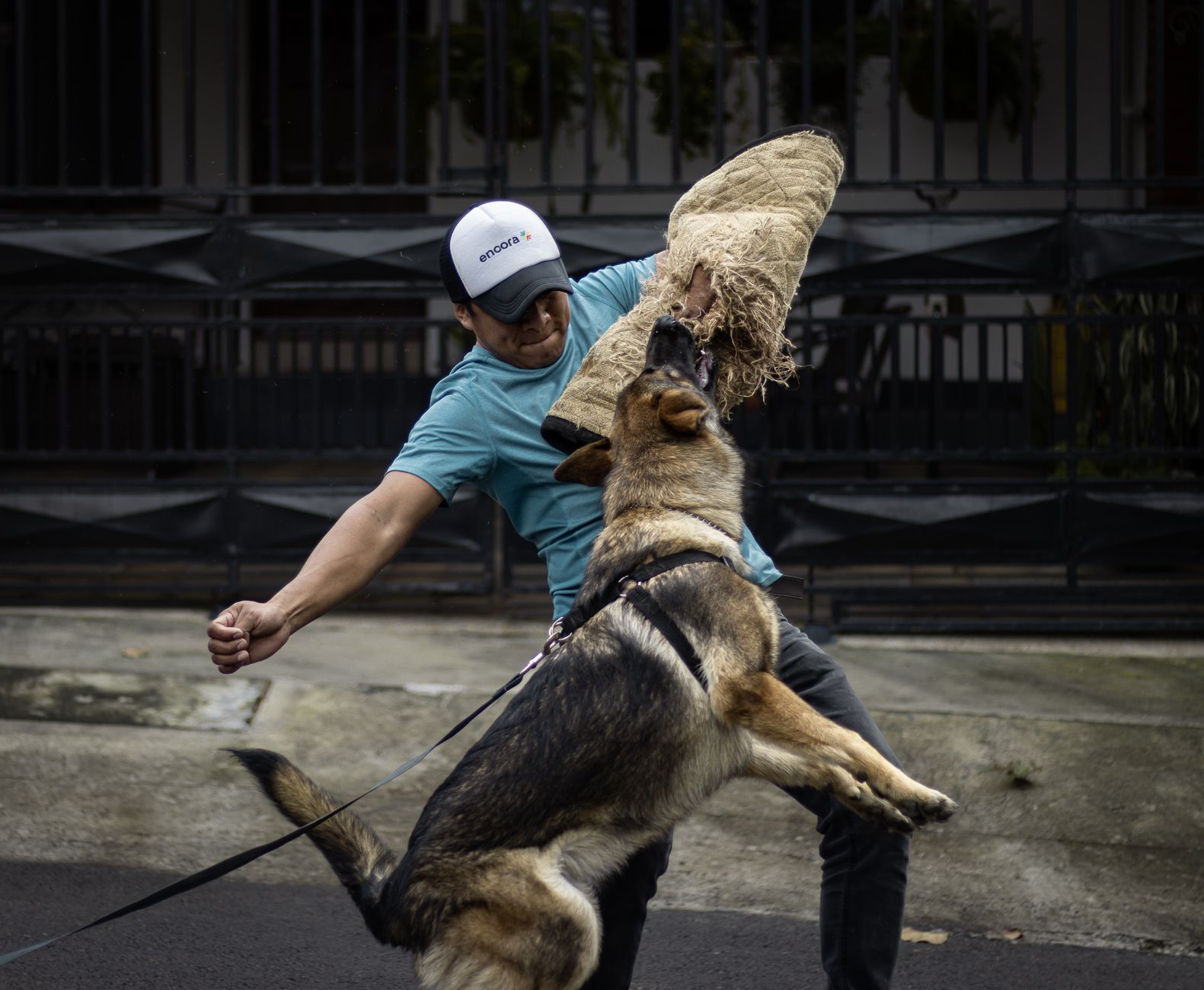
Do Dogs Bite for Attention? Understanding Canine Communication and Behavior
Do dogs bite for attention? While rarely is biting solely motivated by attention-seeking, the behavior can be a component of a larger communication strategy, especially when other needs or anxieties are present.

Introduction: More Than Just Attention
The seemingly simple question, “Do dogs bite for attention?,” opens a window into the complex world of canine communication. Biting, at its core, is a tool – a dramatic one, certainly – used by dogs to express a range of emotions, from fear and pain to excitement and frustration. Attributing a bite solely to attention-seeking oversimplifies the issue and neglects the underlying causes that prompt such behavior. Understanding these nuances is crucial for responsible dog ownership and effective behavior modification.

What colours are fish most attracted to?
Can you put your finger in a trout's mouth?
Is methylene blue anti bacterial?
Does aquarium salt raise pH in aquarium?
Decoding Canine Body Language: A Biting Conversation

Biting is rarely a dog’s first choice of communication. Before a bite occurs, a dog typically displays a cascade of subtle signals, often missed or misinterpreted by humans. These signals can include:
- Stiff body posture: Indicating tension or discomfort.
- Lip licking or yawning (when not tired): Signals of stress or appeasement.
- Whale eye (showing the whites of their eyes): Suggesting unease or anxiety.
- Ears back or tail tucked: Signs of fear or submission.
- Growling or snapping: Clear warnings that the dog feels threatened or uncomfortable.
When these signals are ignored or misinterpreted, a dog may escalate its behavior to a bite. While not always purely for attention, a bite can certainly achieve that end – effectively stopping an unwanted interaction or eliciting a response from the human.
The Role of Reinforcement: Accidental Encouragement
Even if a dog’s initial motivation for biting is not attention-seeking, the subsequent reaction from the human can inadvertently reinforce the behavior. For example, if a dog bites out of fear when approached by a child and the child immediately retreats, the dog has learned that biting effectively removes the perceived threat. Similarly, if a dog nips at its owner during playtime and receives enthusiastic attention as a result, the dog may repeat the behavior to elicit that same response. This is particularly true if the owner’s reaction, even if negative (yelling or pushing the dog away), still involves attention.
Identifying the Root Cause: Beyond the Bite
Determining the underlying cause of a dog’s biting behavior is essential for effective intervention. Factors that can contribute to biting include:
- Fear: Biting as a defensive mechanism against perceived threats.
- Pain: Biting due to discomfort or injury.
- Frustration: Biting as a result of being unable to access something desired.
- Resource guarding: Biting to protect possessions such as food, toys, or space.
- Play biting: Nipping and mouthing during play, often inappropriately directed.
- Medical Conditions: In rare cases, neurological or hormonal imbalances can contribute to aggressive behavior.
It is important to consult with a veterinarian to rule out any medical causes and to seek the guidance of a certified dog behaviorist or trainer to address any behavioral issues.
Prevention is Key: Creating a Safe and Secure Environment
Preventing biting requires a proactive approach that focuses on creating a safe and secure environment for the dog, understanding their communication signals, and avoiding situations that may trigger biting behavior. This includes:
- Proper socialization: Exposing puppies to a variety of people, animals, and environments during their critical socialization period (3-16 weeks of age).
- Positive reinforcement training: Using rewards-based methods to teach dogs desired behaviors and build a strong bond with their owners.
- Avoiding punishment: Punishment can increase fear and anxiety, making biting more likely.
- Managing the environment: Preventing access to situations that trigger biting, such as interactions with small children if the dog is uncomfortable.
- Recognizing and respecting a dog’s limits: Understanding when a dog needs space or rest and avoiding pushing them beyond their comfort zone.
Professional Help: When to Seek Guidance
If a dog has bitten, it is important to seek professional help from a veterinarian and a certified dog behaviorist or trainer. A veterinarian can rule out any medical causes for the biting, while a behaviorist or trainer can assess the dog’s behavior and develop a customized training plan.
- Always consult a professional after a bite to assess the severity and potential liability.
- Never attempt to diagnose or treat biting behavior without professional guidance.
- Early intervention is key to preventing the behavior from escalating.
Frequently Asked Questions (FAQs)
What does it mean when a dog growls before biting?
A growl is a clear warning signal that a dog is uncomfortable and may bite if the situation does not change. It’s crucial to respect this warning and immediately remove the source of the dog’s discomfort. Ignoring a growl increases the likelihood of a bite.
Is it normal for puppies to bite during play?
Puppy biting, or nipping, is a normal part of play, as puppies use their mouths to explore and interact with their environment. However, it’s important to teach puppies bite inhibition, which is the ability to control the force of their bites. This is done through consistent training and redirection.
What is resource guarding, and how does it relate to biting?
Resource guarding is when a dog becomes possessive of certain resources, such as food, toys, or even people. They may growl, snap, or bite if someone approaches the resource. This behavior stems from a fear of losing the resource and requires careful management and training.
Can anxiety cause a dog to bite?
Yes, anxiety can be a significant trigger for biting. Anxious dogs may bite out of fear or defensiveness in situations they perceive as threatening. Identifying and addressing the source of the anxiety is essential for preventing biting.
How can I teach my child to interact safely with dogs?
Teach children to always ask before approaching a dog, to approach slowly and calmly, and to avoid staring directly at the dog. Explain to them that dogs need their space and should never be disturbed while eating or sleeping. Supervise all interactions between children and dogs, regardless of the dog’s temperament.
What are the legal consequences if my dog bites someone?
The legal consequences of a dog bite vary depending on the state and the specific circumstances of the incident. Owners may be held liable for medical expenses, lost wages, and even legal fees. In some cases, the dog may be declared dangerous and subject to restrictions or even euthanasia.
Is it possible to completely eliminate biting behavior in dogs?
Whether biting can be completely eliminated depends on the underlying cause and the dog’s individual temperament. With consistent training, management, and professional guidance, it is often possible to significantly reduce or eliminate biting behavior. However, some dogs may require ongoing management to prevent future incidents.
What role does genetics play in a dog’s tendency to bite?
Genetics can play a role in a dog’s temperament and predisposition to biting. Some breeds are naturally more prone to certain behaviors, such as guarding or herding, which can increase the likelihood of biting in specific situations. However, genetics is not the only factor, and environment and training also play a significant role.
Can neutering/spaying affect biting behavior?
Neutering or spaying can sometimes reduce aggression in dogs, particularly aggression related to hormonal influences. However, it is not a guaranteed solution for all biting problems. It’s best to consult with a veterinarian or behaviorist about whether neutering/spaying is appropriate for your individual dog.
What are some signs that a dog is about to bite?
Common signs that a dog is about to bite include: stiff body posture, lip licking, yawning, whale eye, ears back, tail tucked, growling, and snapping. Recognizing these signals can help you avoid a bite by removing the trigger or giving the dog space.
Is it true that some dogs bite “out of the blue”?
It is rare for a dog to bite completely “out of the blue.” In most cases, there are subtle warning signs that are missed or misinterpreted. Understanding canine body language can help you identify these warning signs and prevent bites.
What steps should I take immediately after my dog bites someone?
After a dog bite, immediately separate the dog and the victim. Provide first aid to the victim and seek medical attention if necessary. Report the bite to the appropriate authorities and provide proof of rabies vaccination. Contact a veterinarian and behaviorist to assess the dog’s behavior and develop a plan to prevent future incidents.