
What Does a Bite From a Spider Look Like? Unveiling the Truth
Spider bites often appear as small, red bumps, similar to mosquito bites, but accurately identifying them requires careful observation as most bites are harmless, but some can be serious. What does a bite from a spider look like? Understanding the key characteristics helps differentiate spider bites from other skin irritations and informs appropriate action.

Understanding Spider Bites: A Complex Reality
The common perception of spider bites as dramatically painful welts is often exaggerated. The vast majority of spiders are either too small to puncture human skin or possess venom too weak to cause significant harm. When a spider does bite, the resulting mark can be easily mistaken for other insect bites or skin conditions. Determining what does a bite from a spider look like requires considering a range of factors.
Key Characteristics of a Spider Bite

Unfortunately, pinpointing a spider bite based solely on appearance is difficult. Many factors, including the type of spider, the amount of venom injected (if any), and the individual’s sensitivity, can affect the bite’s presentation. However, here are some common characteristics:
- Initial Appearance: Most spider bites initially appear as a small, slightly raised red bump. It may resemble a mosquito bite or a small pimple.
- Pain: The level of pain can vary greatly. Some bites are painless, while others cause a sharp, stinging, or burning sensation.
- Swelling: Mild swelling around the bite site is common. In some cases, the swelling can spread and become more pronounced.
- Itching: Itching is a frequent symptom. The intensity of the itch can range from mild to severe.
- Markings: Some bites may have two small puncture marks, indicating the spider’s fangs. However, these marks are often difficult to see.
- Blistering: In some cases, especially with bites from certain venomous spiders, a blister may form at the bite site.
- Necrosis (Tissue Death): Bites from spiders like the brown recluse can cause necrosis, leading to an open sore or ulcer. This is rare but serious.
Differentiating Spider Bites from Other Bites
Distinguishing a spider bite from other insect bites or skin irritations can be challenging. Here’s a comparison:
| Bite/Irritation | Common Characteristics |
|---|---|
| Spider Bite | Small, red bump; possible puncture marks; varying pain levels; swelling; itching; potential blistering or necrosis (rare). |
| Mosquito Bite | Itchy, raised welt; usually appears soon after the bite. |
| Flea Bite | Small, itchy red bumps; often appear in clusters, especially around ankles and legs. |
| Bed Bug Bite | Itchy red welts; often appear in a line or cluster, usually on exposed skin areas while sleeping. |
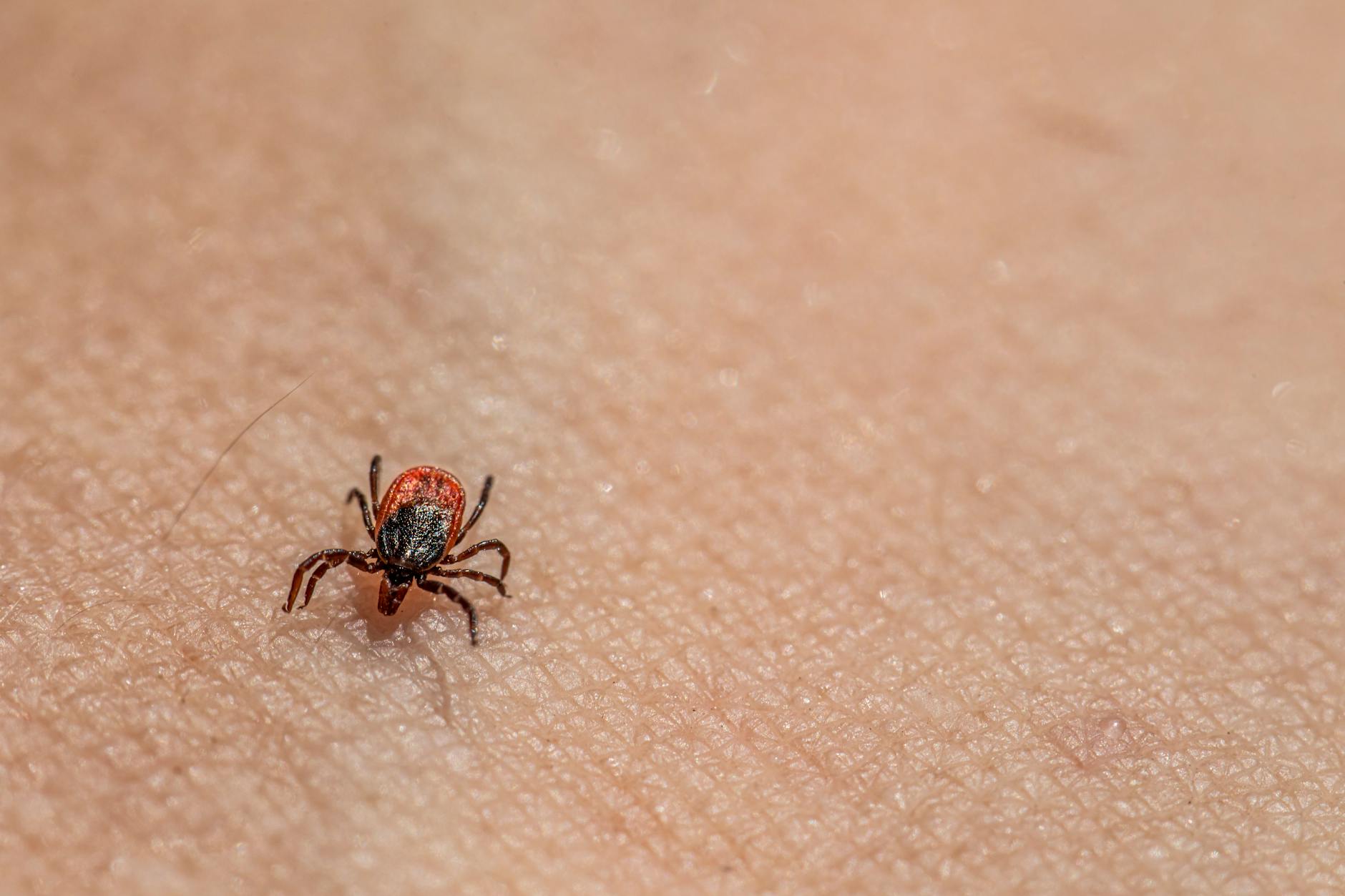
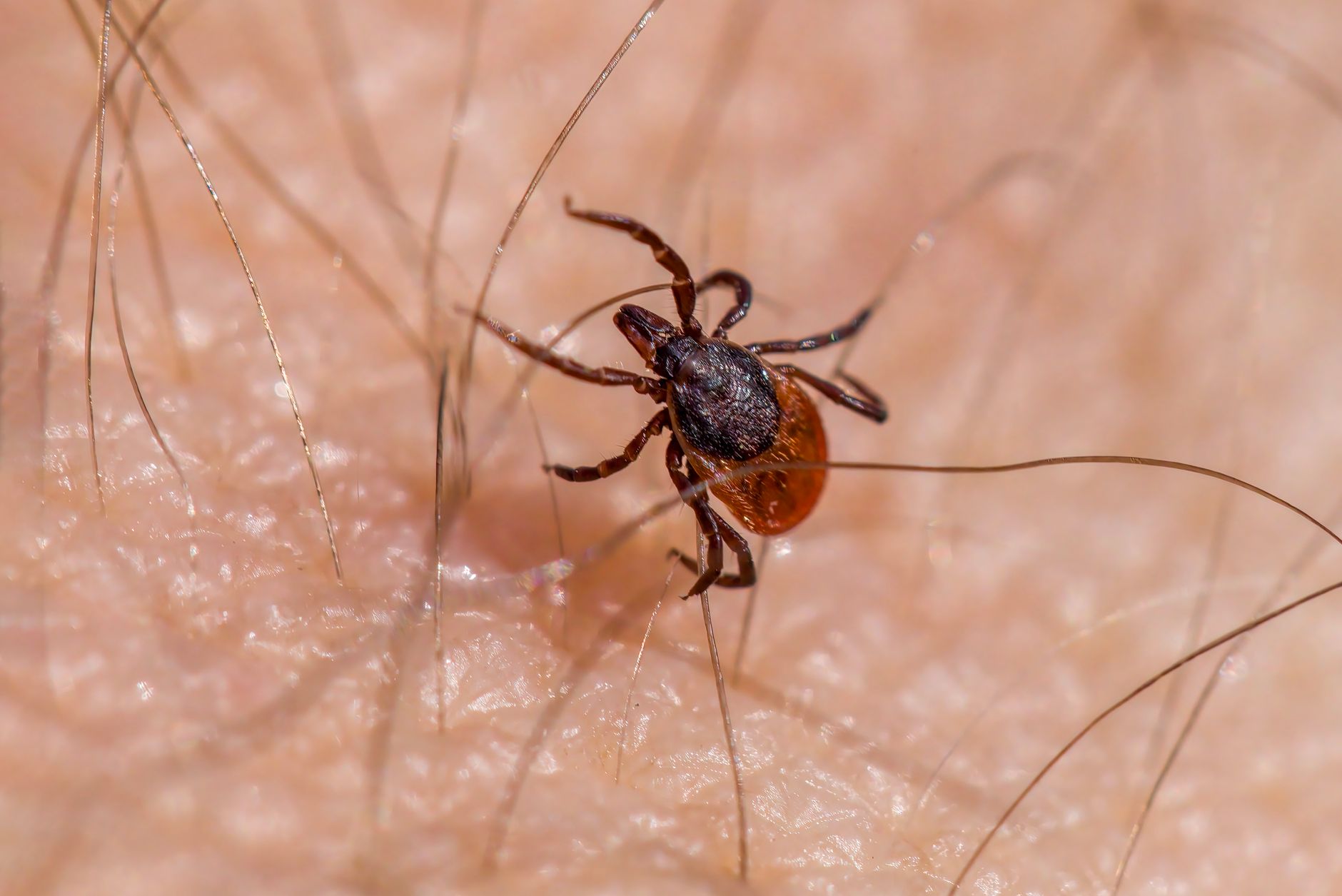
| Tick Bite | Small, red bump; may have a bullseye rash (Lyme disease); often attached to the skin. |
| Skin Irritation (e.g., dermatitis, eczema) | Red, itchy, and inflamed skin; may be dry, scaly, or blistered; often affects larger areas of skin. |
When to Seek Medical Attention
While most spider bites are harmless and require only basic first aid, it’s crucial to seek medical attention if you experience any of the following:
- Severe pain: Intense pain at the bite site or spreading pain.
- Difficulty breathing or swallowing: Signs of an allergic reaction.
- Muscle cramps or spasms: Suggestive of venom effects.
- Nausea, vomiting, or dizziness: Systemic symptoms.
- A large, spreading blister or ulcer: Potential necrosis.
- Suspected bite from a venomous spider (e.g., black widow, brown recluse): Prompt treatment is essential.
First Aid for Spider Bites
If you suspect you’ve been bitten by a spider and the symptoms are mild, follow these first aid steps:
- Wash the bite area: Use soap and water to clean the wound.
- Apply a cold compress: Reduce swelling and pain by applying ice for 10-minute intervals.
- Elevate the affected limb: If possible, raise the bitten arm or leg.
- Monitor for worsening symptoms: Watch for signs of infection or systemic reactions.
- Over-the-counter pain relievers: If needed, take ibuprofen or acetaminophen for pain relief.
- Antihistamines: Diphenhydramine (Benadryl) can help relieve itching.
Frequently Asked Questions (FAQs)
Is it always possible to identify the type of spider based on the bite?
No, unfortunately, it’s rarely possible to definitively identify the spider based solely on the bite. Many bites look similar, and unless you witnessed the bite, determining the species is challenging. Knowing what does a bite from a spider look like from specific venomous spiders is helpful, but again not definite.
What are the symptoms of a black widow spider bite?
Black widow bites can cause intense muscle cramps, abdominal pain, nausea, vomiting, and difficulty breathing. Two small puncture marks may be visible. Medical attention should be sought immediately.
How common is necrosis from a spider bite?
Necrosis is relatively rare and is primarily associated with bites from the brown recluse spider. It involves tissue death around the bite site, leading to an open sore or ulcer that can take weeks or months to heal.
Can a spider bite cause a fever?
While not typical, a fever can occur in some cases of spider bites, especially if the bite becomes infected. This is more likely if you delayed care or scratched the bite.
Are all spiders venomous?
Yes, almost all spiders are venomous. However, the vast majority of spiders either have fangs too small to penetrate human skin or have venom that is not potent enough to cause significant harm to humans.
What should I do if I suspect a brown recluse spider bite?
Seek immediate medical attention. Brown recluse bites can cause significant tissue damage, and early treatment can help minimize the severity of the injury.
How can I prevent spider bites?
Wear gloves and long sleeves when working outdoors or in areas where spiders may be present. Seal cracks and crevices in your home to prevent spiders from entering. Regularly clean and declutter your home.
Is there an antivenom for spider bites?
Yes, antivenom is available for black widow spider bites. However, it is not always necessary and is typically reserved for severe cases. There is no widely available antivenom for brown recluse bites.
Can a spider bite cause an allergic reaction?
Yes, some people can have allergic reactions to spider bites, although it is rare. Symptoms of an allergic reaction may include difficulty breathing, hives, swelling of the face or throat, and dizziness. Seek immediate medical attention if you experience these symptoms.
What is the best way to treat itching from a spider bite?
Antihistamines, such as diphenhydramine (Benadryl), can help relieve itching. Topical corticosteroids, such as hydrocortisone cream, can also reduce inflammation and itching. Avoid scratching the bite, as this can increase the risk of infection.
Can a spider bite leave a scar?
Most spider bites heal without leaving a scar. However, bites that cause significant tissue damage, such as those from the brown recluse, may result in scarring. Proper wound care and medical attention can help minimize scarring.
Is it true that spiders lay eggs under the skin when they bite?
This is a common misconception and is not true. Spiders do not lay eggs under the skin when they bite. The symptoms associated with spider bites are due to the venom injected during the bite, not from eggs.