
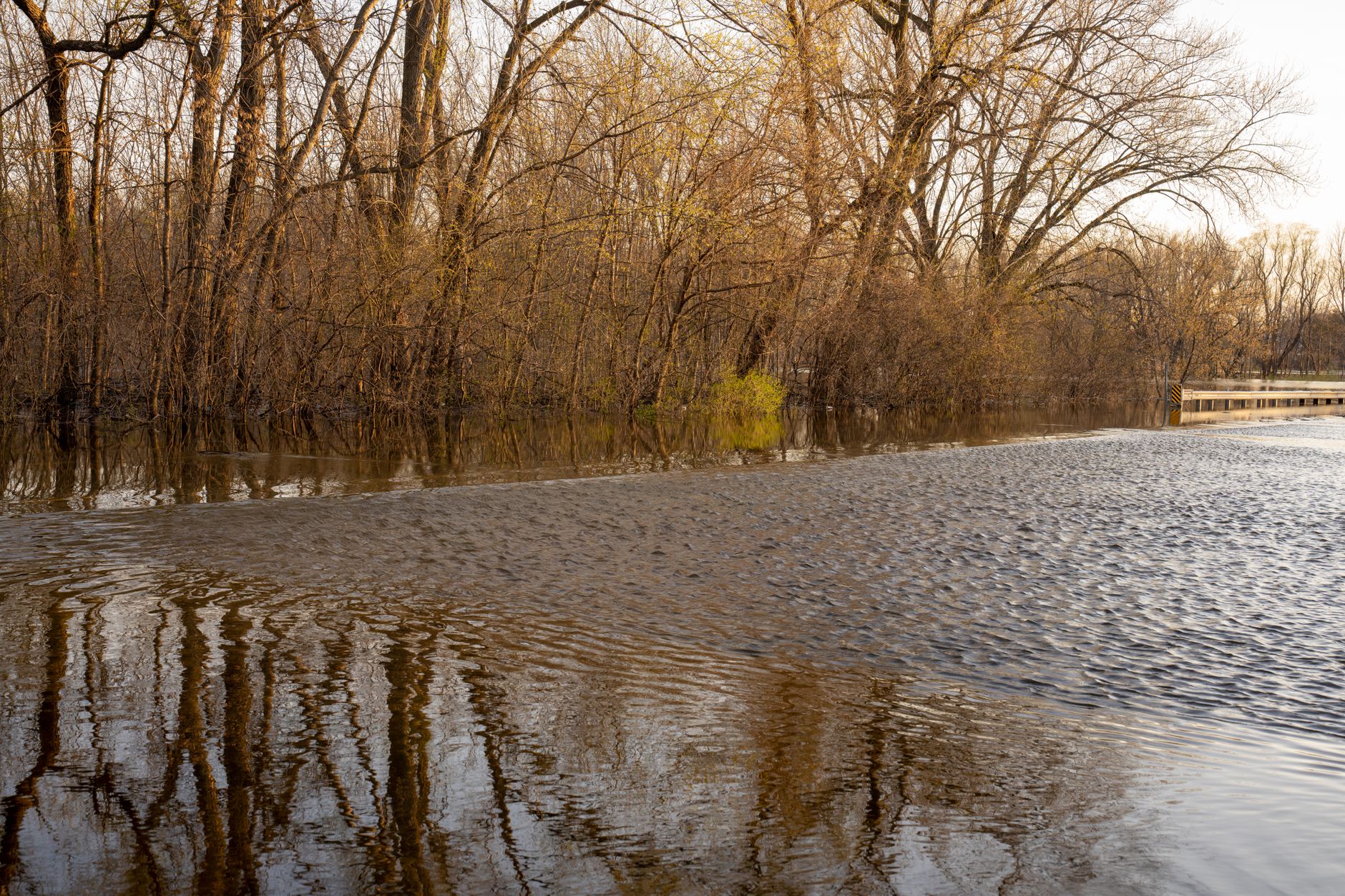
Do Beaver Dams Cause Flooding? Exploring the Complexities
While the presence of beaver dams can sometimes contribute to localized flooding, the reality is far more nuanced. On balance, beaver dams often mitigate flooding by creating wetland ecosystems that absorb and regulate water flow.

Beaver dams, often viewed simplistically as flood hazards, are complex ecosystem engineers. Understanding their impact requires a deeper dive into their construction, the benefits they provide, and the circumstances under which they can contribute to flooding. This article explores these intricacies, separating fact from fiction and providing a comprehensive perspective on the interaction between beaver dams and water management.
The Anatomy of a Beaver Dam
Beaver dams aren’t simply haphazard piles of sticks and mud. They’re carefully constructed structures designed to create ponds and wetlands. Understanding their architecture is crucial to understanding their influence on water flow.
- Materials: Beavers utilize readily available materials like branches, logs, mud, stones, and vegetation.
- Construction Process: They begin by creating a foundation, often around existing vegetation or natural constrictions in the stream. They then progressively add materials, packing them tightly to create a stable barrier.
- Height and Length: The size of a beaver dam varies greatly depending on the size of the stream, the surrounding topography, and the beaver colony’s needs. Some are only a few feet high and wide, while others can be several meters high and stretch for hundreds of feet.

What colours are fish most attracted to?
Can you put your finger in a trout's mouth?
Is methylene blue anti bacterial?
Does aquarium salt raise pH in aquarium?
The Beneficial Roles of Beaver Dams

Beaver dams provide a wide array of ecological and hydrological benefits, many of which directly contradict the common perception that they are solely agents of destruction. In fact, their presence can actually reduce the severity of flooding in many situations.
- Flood Mitigation: The primary benefit is their ability to store water. The resulting ponds act as natural reservoirs, absorbing peak flows during rainfall events and snowmelt. This reduces the intensity and duration of downstream flooding.
- Groundwater Recharge: Beaver ponds allow water to slowly percolate into the ground, replenishing groundwater aquifers. This increased groundwater availability can buffer against drought conditions.
- Habitat Creation: The wetlands created by beaver dams provide critical habitat for a wide variety of species, including fish, amphibians, birds, and mammals.
- Water Quality Improvement: Beaver ponds act as natural filters, trapping sediment, pollutants, and excess nutrients. This improves water quality downstream.
- Erosion Control: By slowing water flow, beaver dams reduce erosion and stabilize stream banks.
When Beaver Dams Can Contribute to Flooding
While the benefits of beaver dams are significant, there are circumstances under which they can contribute to flooding. These instances are often related to human interference or specific environmental conditions.
- Dam Failure: If a beaver dam is poorly constructed or subjected to excessive pressure, it can fail, releasing a sudden surge of water downstream.
- Culvert Blocking: Beavers sometimes build dams that block culverts or other artificial waterways, leading to localized flooding.
- Development Encroachment: When human development encroaches on historical floodplain areas, the natural flood control benefits of beaver dams can be overwhelmed, leading to flooding of property.
- Unusually Heavy Rainfall: In extreme rainfall events, even the water storage capacity of beaver ponds can be exceeded, leading to flooding.
Management Strategies for Beaver-Human Conflicts
Conflicts between beavers and humans are often avoidable through proactive management strategies. Instead of resorting to lethal removal, which is often ineffective in the long run, a variety of non-lethal techniques can be employed.
- Culvert Protectors: Installing fences or grates around culverts can prevent beavers from blocking them with dams.
- Pond Levelers: These devices allow water to flow continuously through a beaver dam, preventing the pond from reaching levels that could cause flooding.
- Beaver Deceivers: These structures trick beavers into building dams in less problematic locations.
- Relocation: In some cases, relocating beavers to more suitable habitats may be an option.
- Coexistence Strategies: Educating landowners and communities about the benefits of beaver dams and promoting coexistence strategies can reduce conflicts.
Frequently Asked Questions (FAQs)
Are beaver dams always beneficial for the environment?
While beaver dams offer numerous ecological benefits, their impact isn’t universally positive. In certain situations, like blocking culverts or creating excessive ponding on agricultural land, they can cause problems. However, the overall ecological impact is generally positive.
What is a “beaver deceiver” and how does it work?
A beaver deceiver is a structure designed to control water levels around beaver dams without requiring dam removal. It typically consists of a pipe that runs through the dam, allowing water to flow continuously even as the beavers continue to build. This prevents flooding while still allowing the beavers to maintain their pond.
How do beaver dams help with drought mitigation?
Beaver dams help mitigate drought by increasing groundwater recharge. The ponds created by the dams allow water to slowly seep into the ground, replenishing aquifers. This stored water can then be released slowly over time, helping to maintain stream flows during dry periods.
What are the legal protections afforded to beavers and their dams?
The legal protections for beavers and their dams vary widely depending on the state or province. Some jurisdictions have specific laws protecting beavers, while others have regulations governing the removal or modification of beaver dams. It’s important to check local regulations before taking any action that could affect beavers or their habitat.
Can beaver dams improve water quality?
Yes, beaver dams can significantly improve water quality. The ponds they create act as natural filters, trapping sediment, pollutants, and excess nutrients. This filtration process results in cleaner water downstream.
What happens if a beaver dam suddenly collapses?
If a beaver dam suddenly collapses, it can release a surge of water downstream, potentially causing localized flooding. The severity of the flooding depends on the size of the dam and the amount of water stored behind it. Careful monitoring and management can help prevent dam failures.
Are there any downsides to having beaver dams in agricultural areas?
Yes, beaver dams can sometimes pose challenges in agricultural areas. They can flood farmland, block irrigation ditches, and damage crops. However, coexistence strategies can often mitigate these issues, such as installing culvert protectors or pond levelers.
How do beaver dams affect fish populations?
Beaver dams can have both positive and negative effects on fish populations. While they can create valuable habitat for some species, they can also impede the movement of migratory fish. Careful management is needed to ensure that beaver dams benefit fish populations overall.
Are beavers ever relocated to different areas?
Yes, beavers are sometimes relocated to different areas as a management strategy. This is typically done when beavers are causing conflicts in one location but could provide ecological benefits in another. Relocation is a complex process that requires careful planning and permitting.
How can landowners coexist peacefully with beavers and their dams?
Landowners can coexist peacefully with beavers by implementing various non-lethal management techniques, such as installing culvert protectors, pond levelers, or beaver deceivers. Education and understanding of beaver behavior are also key to successful coexistence.
Do beaver dams contribute to the carbon cycle?
Yes, beaver dams contribute to the carbon cycle. The ponds they create store large amounts of organic matter, which can sequester carbon. However, they can also release methane, a potent greenhouse gas. The net effect on the carbon cycle is complex and depends on various factors.
Why are beavers considered “ecosystem engineers?”
Beavers are considered ecosystem engineers because their activities, particularly dam building, dramatically alter the physical environment, creating habitats and influencing ecological processes. Their actions have cascading effects that benefit a wide range of species.