

What is the Best Quality Coral: Understanding Value in the Reef
The best quality coral isn’t about a single species, but rather a complex interplay of color vibrancy, colony health, polyp extension, growth form, and overall resilience. The highest value corals are those that thrive in captivity, exhibit stunning aesthetics, and contribute to a healthy reef ecosystem.
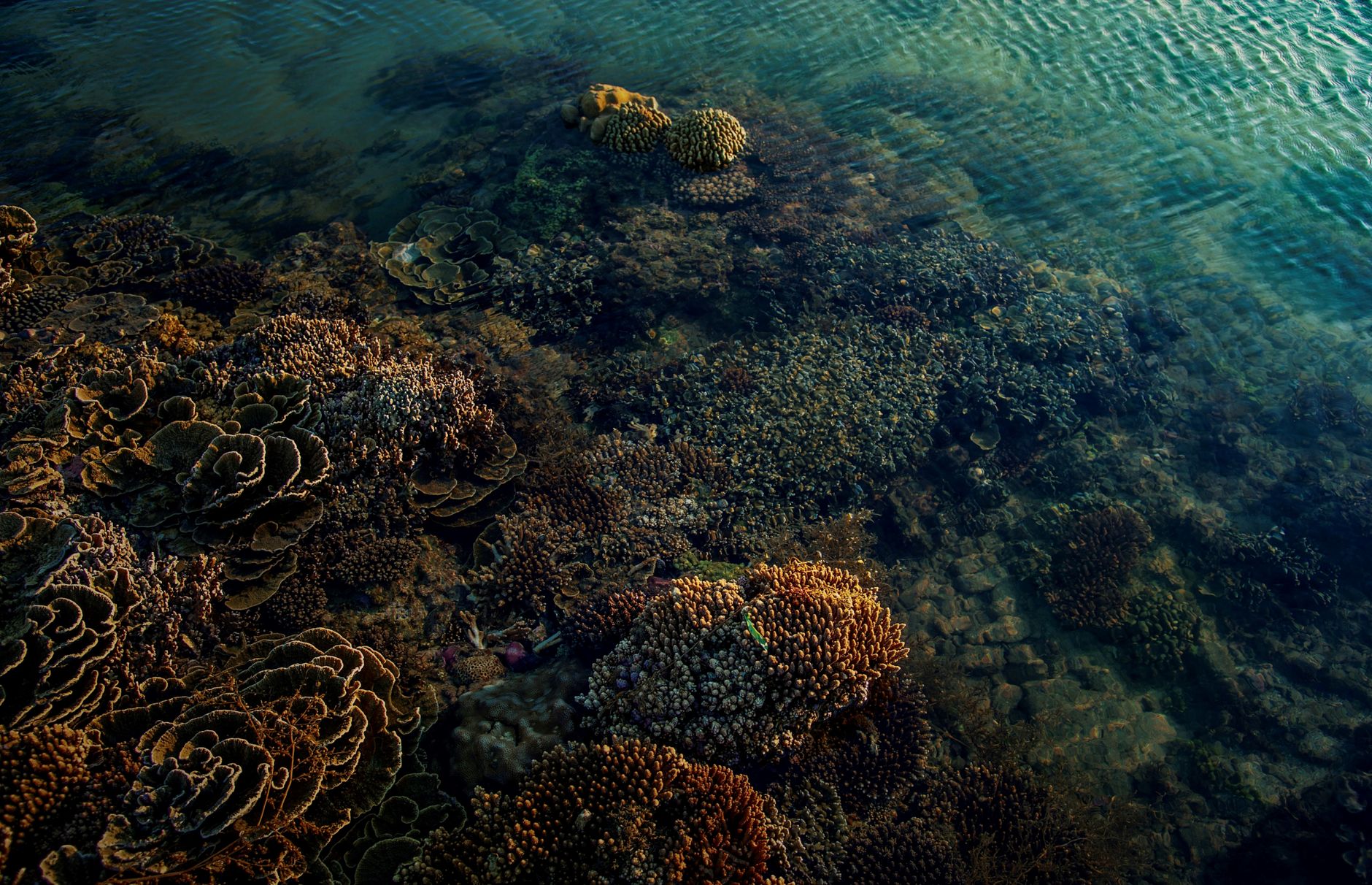
The Allure and Importance of Coral
Coral, the vibrant architect of underwater ecosystems, captivates with its beauty and supports a quarter of all marine life. Understanding coral quality is crucial, not only for aquarists seeking aesthetically pleasing additions to their tanks but also for conservationists working to preserve these threatened organisms. The value of coral goes beyond monetary worth; it encompasses its contribution to biodiversity, coastal protection, and even medical research. This article delves into the factors defining coral quality, offering insights valuable for both hobbyists and scientists.

Is distilled water good for goldfish?
What colours are fish most attracted to?
Can you put your finger in a trout's mouth?
Is methylene blue anti bacterial?
Factors Defining Coral Quality

Determining the best quality coral requires considering a multifaceted set of characteristics:
- Color Vibrancy: Intense and unique colors are highly prized. Bright blues, purples, oranges, and reds indicate healthy symbiotic algae (zooxanthellae) and desirable genetic traits. Faded or bleached coral signifies stress.
- Colony Health: A robust, healthy colony is free from disease or parasites. Look for consistent tissue coverage, no signs of necrosis (dead tissue), and active polyp extension.
- Polyp Extension: Polyps are the individual feeding animals that make up a coral colony. Good polyp extension indicates the coral is actively feeding and thriving. Full, expanded polyps are a sign of a healthy specimen.
- Growth Form: Different coral species exhibit various growth forms, such as branching, encrusting, plating, and massive. The intricacy and uniqueness of the growth form contribute to its overall appeal.
- Resilience: The ability of coral to withstand environmental stressors, such as temperature fluctuations, salinity changes, and disease outbreaks, is paramount. Hardy corals that are less prone to bleaching are considered more valuable, especially in a changing climate.
- Rarity: Certain coral species are naturally rare in the wild or difficult to propagate in captivity. These rarer specimens command higher prices and are highly sought after by collectors.
Distinguishing Quality Among Coral Types
Different types of coral – soft coral, Large Polyp Stony (LPS) coral, and Small Polyp Stony (SPS) coral – have different quality indicators.
- Soft Coral: Focus is on vibrant color, graceful movement in the water column, and the health of the stalk or base. Look for full polyp extension and no signs of tissue recession. Examples include Leathers, Mushrooms, and Zoanthids.
- LPS Coral: Emphasis is on the size and color of the polyps, the health of the skeleton, and the overall structure of the colony. Bright colors, inflated polyps, and a lack of exposed skeleton are good indicators. Examples include Brain Corals, Acan Lords, and Euphyllia (Torch, Hammer, Frogspawn).
- SPS Coral: Considered the most challenging to keep, SPS coral quality is determined by color intensity, growth rate, and the health of the entire colony. Vibrant colors, rapid growth, and strong encrusting at the base indicate high quality. Examples include Acropora, Montipora, and Pocillopora.
The Role of Lighting in Coral Quality
Proper lighting is essential for maintaining the best quality coral. Coral relies on symbiotic algae (zooxanthellae) within their tissues for energy. These algae require light to perform photosynthesis.
- Intensity: The amount of light needed varies depending on the coral species. SPS corals generally require higher light intensity than soft corals.
- Spectrum: The spectrum of light is also crucial. Blue and violet light are particularly important for photosynthesis in corals.
- Photoperiod: The duration of light exposure should be consistent. A 10-12 hour photoperiod is generally recommended.
Common Mistakes that Impact Coral Quality
Many aquarists unknowingly make mistakes that negatively impact their coral. Here are some common pitfalls:
- Poor Water Quality: High levels of nitrates, phosphates, and ammonia can stress coral and lead to bleaching.
- Inadequate Lighting: Insufficient light intensity or an inappropriate spectrum can hinder photosynthesis and cause corals to lose color.
- Unstable Water Parameters: Fluctuations in temperature, salinity, and pH can stress coral and make them susceptible to disease.
- Overcrowding: Insufficient space can lead to competition for resources and increased aggression between corals.
- Pest Infestations: Pests like coral-eating nudibranchs and red bugs can damage coral tissue and weaken colonies.
Ethical Considerations in Coral Acquisition
The responsible sourcing of coral is crucial for protecting wild reefs. Choose aquacultured or sustainably harvested coral whenever possible. Supporting ethical suppliers helps to reduce the demand for wild-collected coral and promotes the long-term health of coral reefs. Verify that the coral is legally obtained and that its collection adheres to environmental regulations.
Frequently Asked Questions (FAQs)
What makes one color of coral more valuable than another?
The rarity and intensity of the color largely determine its value. Corals with vibrant, unique colors, like deep blues, oranges, and intense purples, are typically more valuable due to their aesthetic appeal and the perception that they are harder to obtain and maintain. However, healthy color expression is always indicative of a thriving coral specimen.
How does coral fragging affect the overall quality of the parent colony?
Properly executed fragging, the process of cutting a piece of coral to create a new colony, shouldn’t negatively impact the parent colony. In fact, it can stimulate growth. However, poor technique can lead to infection or stress. Ensure sterile tools are used and the fragging process is as minimally invasive as possible.
What are some indicators of a diseased coral colony?
Signs of coral disease include tissue recession, bleaching, excessive mucus production, and the presence of lesions or growths. Rapid tissue necrosis (RTN) and slow tissue necrosis (STN) are common diseases. Early detection is key to isolating the affected coral and administering appropriate treatment.
How important is water flow for coral quality?
Water flow is essential for coral health. It provides oxygen, removes waste products, and delivers nutrients. Different coral species require varying levels of flow. Adequate water flow helps to prevent the buildup of detritus and promotes healthy polyp extension.
Can coral recover from bleaching?
Yes, coral can recover from bleaching if the stressor causing the bleaching (usually elevated temperature) is removed quickly enough. The coral needs to regain its symbiotic algae (zooxanthellae). The longer the bleaching event, the less likely the coral is to recover.
Are there any specific foods that enhance coral coloration?
While proper lighting is the primary driver of coral coloration, certain foods can enhance color. Amino acids, vitamins, and trace elements can contribute to vibrant coloration. Target feeding with specialized coral foods can be beneficial, especially for LPS corals.
What is the ideal pH level for maintaining high-quality coral?
The ideal pH range for most coral is between 8.1 and 8.4. Maintaining a stable pH within this range is crucial for coral health and growth. Regular testing and buffering are essential to avoid pH fluctuations.
How does alkalinity affect coral growth and coloration?
Alkalinity is a measure of the water’s buffering capacity, its ability to resist changes in pH. Stable alkalinity levels are essential for coral skeletal growth. Recommended alkalinity is between 8 and 11 dKH (degrees of carbonate hardness).
What role do trace elements play in coral health and coloration?
Trace elements, such as iodine, strontium, and iron, are essential for various biological processes in coral, including skeletal growth, enzyme function, and coloration. Regularly replenishing these trace elements through water changes or supplements can improve coral health and coloration.
Is it possible to revive a coral that has lost its color?
Yes, it is possible to revive a coral that has lost its color, but it requires prompt action and addressing the underlying cause of the color loss. Correcting water parameters, improving lighting, and addressing any diseases or pests are essential steps. The sooner the problem is addressed, the higher the chances of successful recovery.
What are the best ways to prevent algae from overgrowing coral?
Maintaining proper water quality, adequate water flow, and a balanced ecosystem are essential for preventing algae overgrowth on coral. Regularly removing algae manually and introducing algae-eating invertebrates, such as snails and crabs, can also help.
How do I choose a reputable coral supplier?
Look for suppliers that prioritize ethical sourcing, provide detailed information about their coral, and offer guarantees on the health and quality of their livestock. Reading online reviews and seeking recommendations from experienced aquarists can also help you find a reputable supplier. Transparency and commitment to sustainable practices are key indicators.