
Do Aerators Bother Fish? Understanding Aeration’s Impact
Aerators, when properly used, don’t typically bother fish and are often beneficial. In fact, they are usually essential for maintaining healthy aquatic environments, providing the oxygen fish need to thrive.
Introduction: The Vital Role of Aeration
The question, “Do aerators bother fish?,” touches upon a critical aspect of maintaining healthy aquatic ecosystems, whether in home aquariums, backyard ponds, or larger commercial aquaculture settings. Aeration, the process of increasing the oxygen levels in water, is often a necessary intervention to ensure fish have enough dissolved oxygen to survive and thrive. However, the implementation and type of aeration can indeed impact fish if not properly considered.

Are fish heads good for the garden?
Can fish hear water?
What is cotton rot in fish?
What colours are fish most attracted to?
The Oxygen Needs of Fish: A Biological Imperative
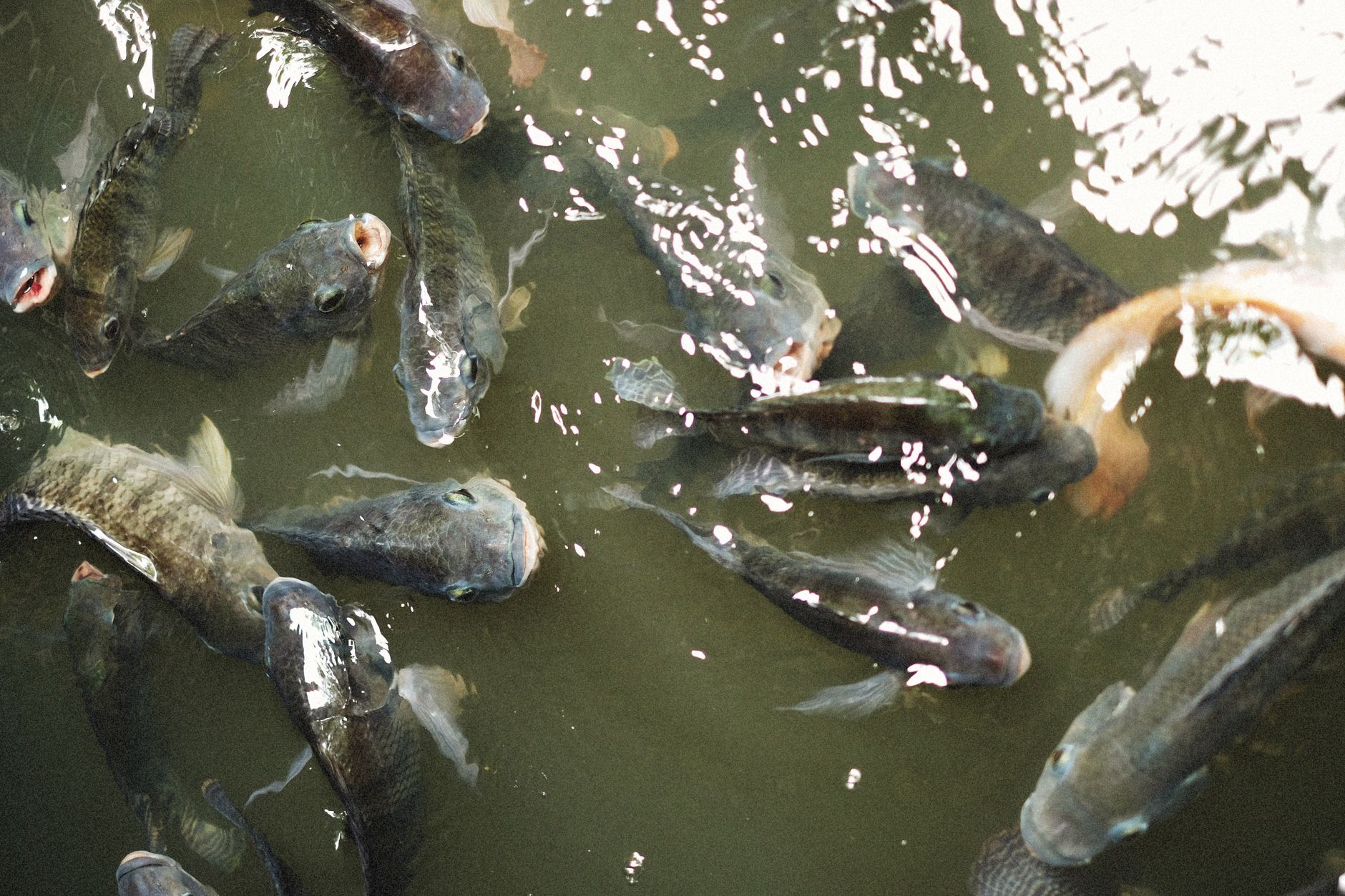
Fish, like all living organisms, require oxygen for cellular respiration. Dissolved oxygen (DO) levels in the water directly impact their health and survival. Different species have varying oxygen requirements; cold-water species like trout often need higher DO levels compared to warm-water species like catfish. Insufficient oxygen levels can lead to:
- Stress
- Reduced growth rates
- Increased susceptibility to disease
- Ultimately, death
Benefits of Aeration for Fish
Aeration provides several key benefits for fish populations:
- Increased Oxygen Levels: This is the primary benefit, directly addressing the oxygen needs of fish.
- Improved Water Circulation: Aeration helps to circulate water, preventing stagnation and distributing oxygen more evenly.
- Reduced Algae Growth: By increasing oxygen levels, aeration can inhibit the growth of certain types of algae that thrive in oxygen-deprived environments.
- Enhanced Waste Decomposition: Aerobic bacteria, which require oxygen, are responsible for breaking down organic waste in the water. Aeration supports these beneficial bacteria, improving water quality.
- Temperature regulation: surface agitation can help even out temperatures.
Types of Aerators and Their Impact on Fish
Several types of aerators are available, each with its own strengths and potential drawbacks:
- Air Pumps and Air Stones: These are common in aquariums and smaller ponds. They introduce air into the water through a porous stone, creating bubbles. The fine bubbles provide a large surface area for oxygen exchange. Usually, fish are not bothered by these.
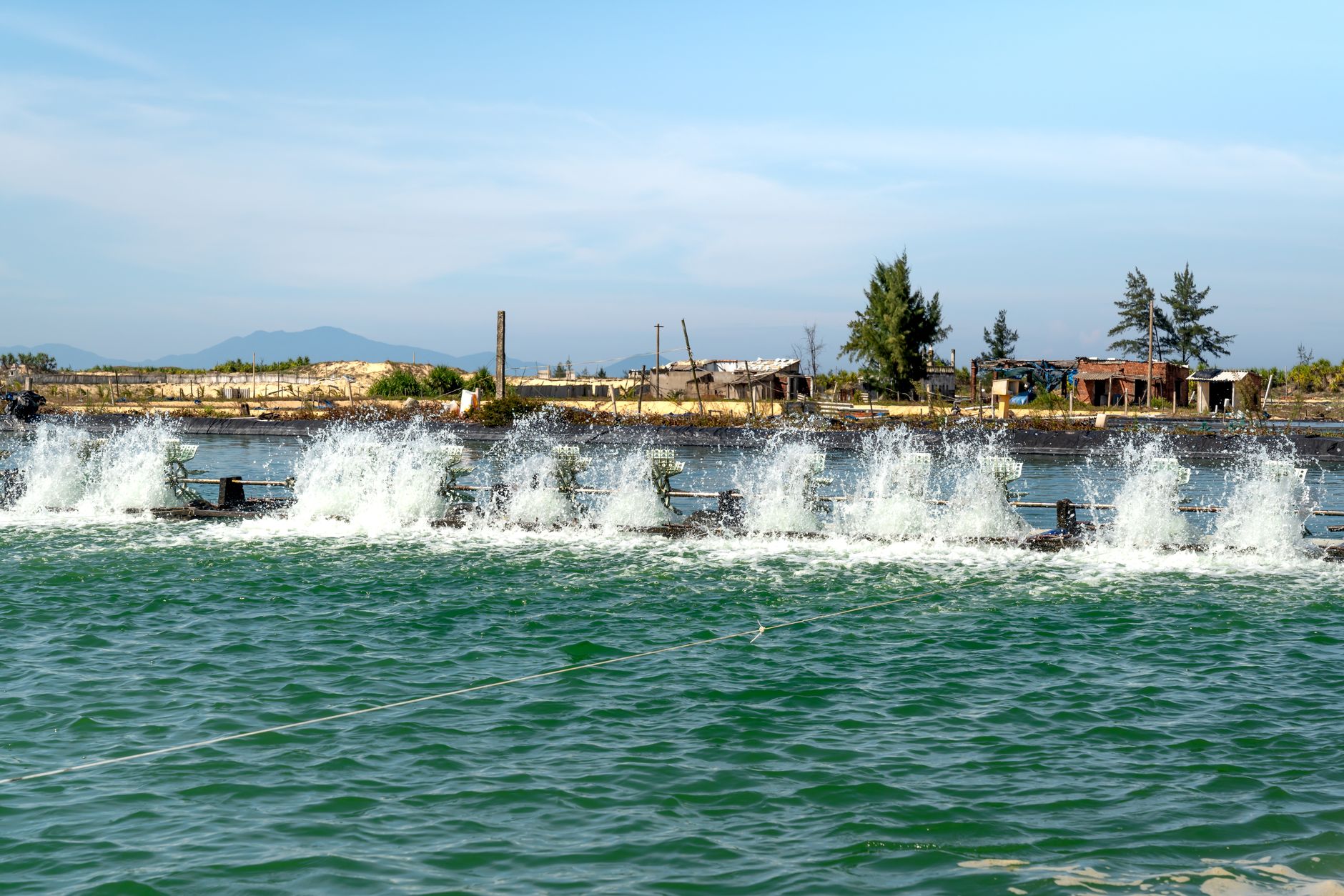
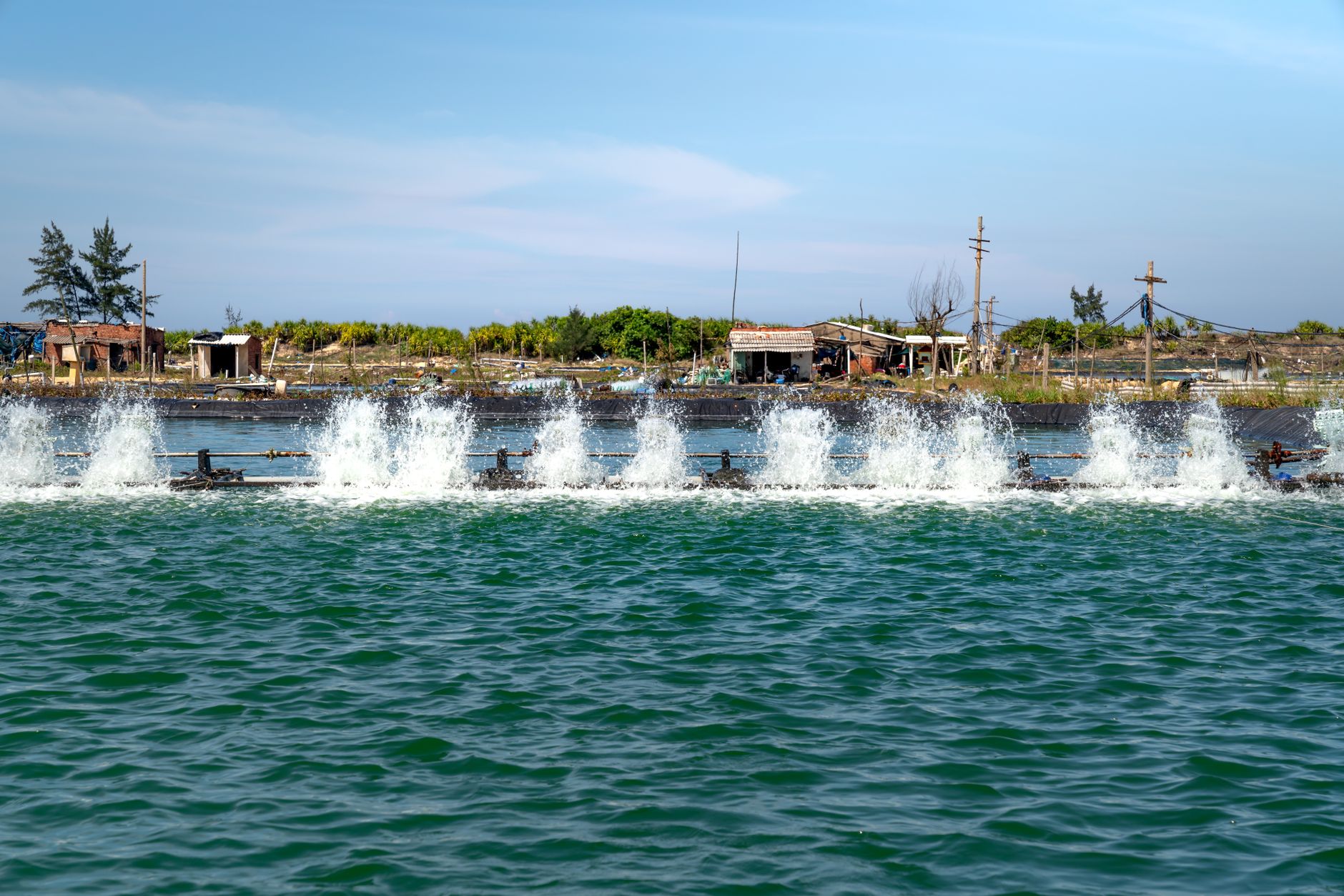
- Surface Agitators: These aerators disrupt the water surface, promoting oxygen exchange. Examples include fountains and paddlewheel aerators. Fish can be startled at first by the bubbles, but will get used to them quickly.
- Submersible Aerators: These aerators sit underwater and mix the water, often using a propeller. The current created by submersible aerators can bother certain species of fish, especially weaker swimmers. Placement and power should be carefully considered.
- Venturi Aerators: These aerators use a constriction to create a vacuum, drawing air into the water flow.
Potential Problems and How to Avoid Them
While aeration is generally beneficial, certain issues can arise:
- Excessive Current: Some aerators can create strong currents that stress fish, particularly weaker swimmers or those accustomed to calmer waters. Choose an aerator appropriate for the size and species of fish in the pond or aquarium.
- Noise Pollution: Some aerators can be noisy, which can stress fish. Opt for quieter models and consider soundproofing measures.
- Temperature Fluctuations: While beneficial for temperature regulation, a sudden change can shock fish.
- Over-Aeration: It’s uncommon, but theoretically possible to over-aerate, leading to gas bubble disease, which can be fatal to fish. This is more of a concern in very small, enclosed systems.
Signs of Oxygen Depletion
Recognizing the signs of oxygen depletion is crucial for timely intervention. These include:
- Fish gasping at the surface
- Lethargy or decreased activity
- Loss of appetite
- Increased susceptibility to disease
Common Mistakes with Aeration
Avoiding common mistakes ensures optimal aeration and minimizes potential stress on fish:
- Insufficient Aeration: Not providing enough aeration for the size and stocking density of the pond or aquarium.
- Improper Placement: Placing aerators in locations where they create excessive current or do not effectively circulate water.
- Neglecting Maintenance: Failing to clean or maintain aerators, which can reduce their efficiency and lead to equipment failure.
- Using the Wrong Type of Aerator: Choosing an aerator that is not suitable for the specific needs of the fish or the environment.
| Mistake | Consequence | Prevention |
|---|---|---|
| Insufficient Aeration | Oxygen depletion, stressed fish | Calculate aeration needs based on volume and stocking density |
| Improper Placement | Uneven oxygen distribution, stressed fish | Strategically place aerators to maximize circulation |
| Neglecting Maintenance | Reduced efficiency, equipment failure | Regularly clean and inspect aerators |
| Using the Wrong Aerator | Inadequate aeration, stressed fish, wasted energy | Research and choose an aerator appropriate for the specific environment |
Conclusion: Maintaining a Healthy Aquatic Environment
The answer to the question, “Do aerators bother fish?,” is nuanced. When used properly, aerators are essential for maintaining healthy aquatic ecosystems and promoting the well-being of fish. By understanding the oxygen needs of fish, selecting appropriate aeration methods, and avoiding common mistakes, fish owners can create thriving environments where fish can flourish.
Frequently Asked Questions (FAQs)
What are the ideal dissolved oxygen (DO) levels for most fish?
Generally, most fish species require DO levels of at least 5 ppm (parts per million) for optimal health. However, some species, particularly cold-water fish like trout and salmon, require even higher DO levels, closer to 7-8 ppm. Monitoring DO levels regularly using a test kit is crucial to ensuring a healthy environment.
Can you over-aerate a pond or aquarium?
While rare, it is technically possible to over-aerate, leading to a condition called gas bubble disease. This occurs when the water becomes supersaturated with oxygen, causing bubbles to form in the fish’s tissues. Proper monitoring and avoiding excessively powerful aerators can prevent this. It’s much more common to under-aerate.
How do I choose the right size aerator for my pond?
The size of the aerator depends on the size of the pond, its depth, and the number of fish. A general rule of thumb is to provide enough aeration to circulate the entire volume of the pond at least once per hour. Consult with a pond supply specialist for more specific recommendations based on your needs.
What is the difference between aeration and circulation?
While both are important for water quality, aeration primarily focuses on increasing oxygen levels, while circulation involves moving the water to prevent stagnation and distribute oxygen and nutrients. Aerators often provide some circulation, but separate circulation pumps may be necessary for larger ponds.
Are all types of aeration suitable for all types of fish?
No, different types of aeration are better suited for different types of fish. Species sensitive to strong currents should avoid powerful submersible aerators. Fish that prefer calmer waters are best suited for air stones. Consider fish and their needs before selecting aeration.
How often should I clean my aerator?
The frequency of cleaning depends on the type of aerator and the water quality. Air stones should be cleaned regularly (every few weeks) to prevent clogging. Surface agitators and submersible aerators should be inspected and cleaned as needed to remove debris.
Do plants help with aeration?
Yes, aquatic plants contribute to oxygen levels through photosynthesis. However, they also consume oxygen at night. Relying solely on plants for aeration is generally insufficient, especially in densely stocked ponds.
Can aeration help control algae blooms?
Yes, aeration can help control algae blooms by increasing oxygen levels, which favors beneficial bacteria and inhibits the growth of certain types of algae. However, aeration alone may not be enough to completely eliminate algae problems; other measures, such as nutrient control, may also be necessary.
Will an aerator prevent my pond from freezing in the winter?
An aerator can help prevent a pond from completely freezing over in the winter by keeping a small area of the surface open. This allows for gas exchange and prevents the buildup of harmful gases under the ice.
Are there any downsides to having too much surface movement in my aquarium?
Yes, too much surface movement can drive off CO2 which is needed by planted tanks. This can cause problems in an aquarium with a high plant population.
Is it okay to turn off my aerator at night?
Turning off your aerator, especially during warm nights, is not recommended. Oxygen levels in ponds and aquariums tend to decrease at night because plants consume oxygen instead of producing it through photosynthesis.
My fish seem stressed after I installed an aerator. What should I do?
First, observe your fish carefully for any signs of distress. Reduce the intensity, try positioning the aerator in a different location, or consider using a different type of aerator. If the problem persists, consult with an aquatic specialist.