

Do Deer and Rabbits Eat Arborvitae? A Gardener’s Guide
Yes, both deer and rabbits are known to eat arborvitae, especially during winter months when other food sources are scarce, making them a potential target for hungry wildlife. Understanding their feeding habits is crucial for protecting your valuable landscaping.

Understanding the Allure of Arborvitae
Arborvitae, also known as Thuja, are popular evergreen trees widely used for privacy screens, hedges, and ornamental plantings. Their dense foliage provides year-round beauty and screening, making them a favorite among homeowners. However, their palatability, especially when other food is scarce, makes them susceptible to damage from wildlife. The severity of this damage can range from minor nibbling to complete defoliation, depending on the animal population, the availability of alternative food sources, and the specific cultivar of arborvitae. Understanding why deer and rabbits eat arborvitae is the first step to protecting your landscaping.

What is the GREY African clawed frog?
Is distilled water good for goldfish?
What colours are fish most attracted to?
Can you put your finger in a trout's mouth?
Deer and Arborvitae: A Winter Feast?
Deer are opportunistic feeders and will consume a wide variety of plants. In the winter, when natural food sources like grasses and forbs are buried under snow, deer often turn to evergreen shrubs like arborvitae for sustenance. The tender new growth, especially on younger trees, is particularly appealing. Damage from deer is typically characterized by ragged, broken branches and stripped foliage. The extent of damage depends on the deer population in the area and the severity of the winter. In mild winters, deer may have access to other food sources and leave your arborvitae relatively untouched. However, in severe winters, they may heavily browse on your trees, causing significant damage and even death.
Rabbits and Arborvitae: Ground-Level Nibbling
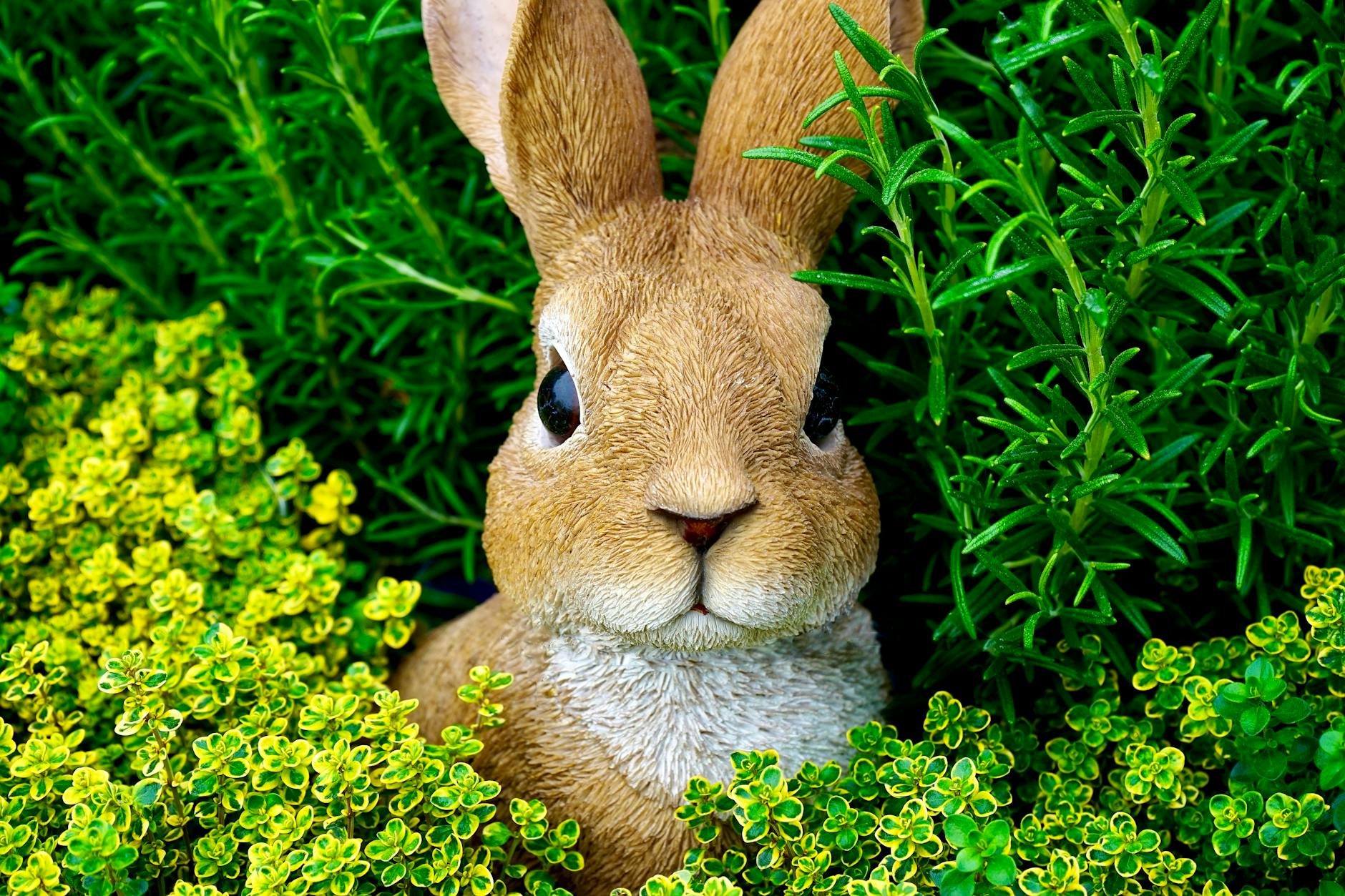
Rabbits are also fond of arborvitae, but their feeding habits differ from deer. Rabbits typically feed on the lower branches and stems of arborvitae, often girdling the base of the trunk. Girdling occurs when the bark is completely stripped away around the circumference of the trunk, cutting off the flow of nutrients and water to the rest of the tree, eventually leading to its death. This type of damage is especially prevalent in areas with heavy rabbit populations. Young trees are particularly vulnerable to rabbit damage because their stems are more tender and accessible. Evidence of rabbit damage includes clean, angled cuts on twigs and stems, typically at a height of 1-2 feet above the ground.
Identifying Vulnerable Arborvitae Varieties
While all arborvitae varieties are susceptible to deer and rabbit damage, some are more palatable than others. Factors influencing palatability include the age of the plant, its overall health, and the specific cultivar. Younger, more tender plants are generally more attractive to both deer and rabbits. Also, stressed or unhealthy plants may be more appealing because they are easier to digest. Certain cultivars, such as ‘Emerald Green’, are often considered more susceptible to deer and rabbit damage than others. However, even supposedly “deer-resistant” varieties can be targeted when food is scarce. Ultimately, do deer and rabbits eat arborvitae? Yes, regardless of the specific variety.
Protection Strategies: A Multi-Pronged Approach
Protecting your arborvitae from deer and rabbits requires a comprehensive approach, combining multiple strategies to maximize effectiveness. No single solution is guaranteed to eliminate all damage, but a combination of the following methods can significantly reduce the risk:
- Physical Barriers: Fencing is one of the most effective ways to protect arborvitae from deer and rabbits. Deer fences should be at least 8 feet tall to prevent deer from jumping over them. Rabbit fences should be buried a few inches below the ground to prevent them from burrowing underneath. Tree guards or wire mesh cages can also be placed around individual trees to protect their trunks and lower branches.
- Repellents: A variety of deer and rabbit repellents are available on the market. These repellents typically contain ingredients that deter animals through their taste or smell. Some common ingredients include capsaicin (derived from chili peppers), putrescent egg solids, and garlic. Repellents need to be applied regularly, especially after rain or snow, to maintain their effectiveness.
- Habitat Modification: Reducing the attractiveness of your property to deer and rabbits can also help to minimize damage. This can involve removing brush piles and other potential hiding places, as well as avoiding the use of plants that are particularly attractive to these animals.
- Guard Animals: Dogs can be effective at deterring deer and rabbits from entering your property. However, it is important to choose a dog breed that is known for its guarding instincts and to train it properly to protect your plants.
Dealing with Existing Damage
If your arborvitae has already sustained damage from deer or rabbits, it is important to take steps to mitigate the long-term effects. Pruning damaged branches can help to improve the plant’s appearance and promote new growth. Fertilizing the plant can also help it to recover from stress. In severe cases, it may be necessary to replace the damaged tree altogether.
The Costs of Inaction
Ignoring deer and rabbit damage can have serious consequences for your landscaping. Repeated browsing can weaken trees, making them more susceptible to disease and insect infestations. In severe cases, damage can lead to the death of the tree. Replacing damaged trees can be costly and time-consuming. Investing in preventative measures is a much more cost-effective approach in the long run.
Long-Term Prevention and Monitoring
Protecting your arborvitae is an ongoing process. Regularly monitor your trees for signs of damage and adjust your protection strategies as needed. Be prepared to adapt your approach based on the changing wildlife populations in your area and the severity of the winter. Long-term prevention requires vigilance and a willingness to invest in the health and well-being of your landscape.
Frequently Asked Questions
Are certain types of arborvitae more deer-resistant than others?
While no arborvitae is completely deer-proof, some varieties are considered less palatable. ‘Green Giant’ and ‘Techny’ are often cited as being less attractive to deer, but even these can be targeted when other food sources are scarce. It’s best to assume any arborvitae can be browsed and take preventative measures.
How high should a fence be to keep deer out?
A deer fence should be at least 8 feet tall to effectively deter deer from jumping over it. Deer are capable of clearing impressive heights, and a shorter fence may not be sufficient.
What are some effective deer repellents?
Effective deer repellents often contain ingredients like capsaicin, putrescent egg solids, or garlic. Reapply repellents regularly, especially after rain or snow, to maintain their effectiveness.
Can rabbits kill an arborvitae?
Yes, rabbits can kill an arborvitae, especially young trees. Girdling the base of the trunk, by stripping away the bark, disrupts the flow of nutrients and water, eventually leading to the tree’s death.
What does rabbit damage to arborvitae look like?
Rabbit damage is typically characterized by clean, angled cuts on twigs and stems near the base of the plant. You may also find small, round droppings nearby.
How can I protect young arborvitae from rabbits?
Protect young arborvitae from rabbits by using tree guards or wire mesh cages around the base of the trunk. These barriers prevent rabbits from accessing the stems and girdling the plant.
When is deer and rabbit damage most likely to occur?
Deer and rabbit damage is most likely to occur during the winter months when other food sources are scarce. However, damage can occur at any time of year, especially in areas with high wildlife populations.
Are there any natural ways to deter deer and rabbits?
Some natural repellents include planting thorny or strongly scented plants around your arborvitae. These plants can help to deter deer and rabbits from approaching the area.
How often should I apply deer repellent?
The frequency of repellent application depends on the specific product and the weather conditions. Generally, it’s best to reapply repellents every 2-4 weeks, or more frequently after rain or snow.
What should I do if my arborvitae has already been damaged?
Prune any damaged branches to improve the plant’s appearance and promote new growth. Fertilize the plant to help it recover from stress. Protect the tree from further damage using physical barriers or repellents.
Can I use motion-activated sprinklers to deter deer and rabbits?
Yes, motion-activated sprinklers can be an effective deterrent for both deer and rabbits. The sudden burst of water can startle the animals and discourage them from entering your property.
Are there any specific arborvitae cultivars that are known to be particularly attractive to deer and rabbits?
While individual preferences may vary, ‘Emerald Green’ is often considered one of the arborvitae cultivars most susceptible to deer and rabbit browsing. Monitor these varieties closely and implement preventative measures.