

Could a Polar Bear Beat a Lion? A Clash of Titans
Could a polar bear beat a lion? Yes, in most realistic scenarios, a polar bear would almost certainly defeat a lion in a fight. The immense size, superior strength, and specialized adaptations for harsh environments give it a decisive advantage.
Introduction: The Apex Predator Showdown
The animal kingdom is a hierarchy of power, with apex predators reigning supreme in their respective domains. But what happens when these kings and queens of the wild are hypothetically pitted against each other? One of the most frequently debated matchups is: Could a polar bear beat a lion? This isn’t just idle speculation; it’s a fascinating exploration of evolutionary adaptations, physical attributes, and behavioral strategies. This article delves into the key factors determining the outcome of this hypothetical clash, providing a detailed analysis of the strengths and weaknesses of each animal.

What colours are fish most attracted to?
Can you put your finger in a trout's mouth?
Is methylene blue anti bacterial?
Does aquarium salt raise pH in aquarium?
The Physical Prowess of the Polar Bear

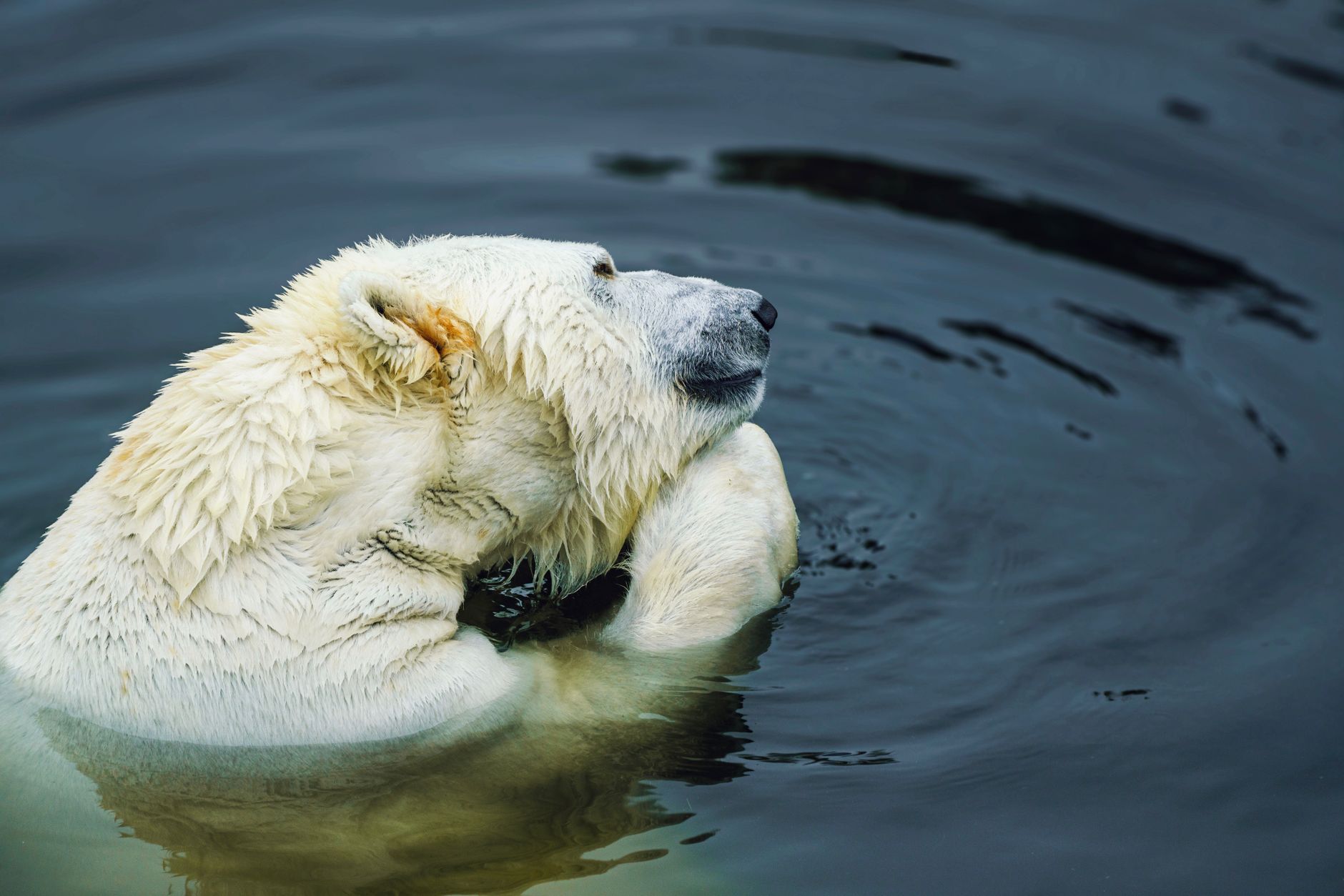
The polar bear (Ursus maritimus) is a true heavyweight. Adapted to thrive in the Arctic’s unforgiving environment, it’s one of the largest land carnivores on Earth. Here’s a breakdown of its physical attributes:
- Size and Weight: Male polar bears typically weigh between 775 and 1,200 pounds (350-550 kg), with some individuals exceeding 1,500 pounds. They stand between 8 and 11 feet tall on their hind legs.
- Strength: Polar bears possess incredible strength, capable of overpowering seals, walruses, and even beluga whales. Their powerful muscles and bone structure allow them to haul massive prey out of the water and across the ice.
- Claws and Teeth: Their formidable claws, measuring up to four inches long, provide exceptional grip on ice and snow. They also have large canine teeth designed for tearing flesh.
- Fur and Fat: A thick layer of blubber (up to 4 inches thick) and a dense fur coat insulate them against extreme cold, providing crucial protection.
The Lion’s Reign: Power and Agility
The African lion (Panthera leo) is a formidable predator in its own right. As the “king of the jungle,” it commands respect through its strength, social structure, and hunting prowess.
- Size and Weight: Male lions typically weigh between 330 and 550 pounds (150-250 kg) and stand around 4 feet tall at the shoulder.
- Strength: Lions are powerful animals, capable of taking down large prey such as zebras, wildebeest, and even buffalo. They hunt cooperatively in prides, increasing their success rate.
- Claws and Teeth: Lions possess sharp retractable claws and powerful jaws with large canine teeth.
- Mane: The male lion’s mane serves as protection during fights and is a sign of dominance.
Head-to-Head Comparison: Polar Bear vs. Lion
| Feature | Polar Bear | Lion |
|---|---|---|
| Size | Significantly Larger | Smaller |
| Weight | Much Heavier | Lighter |
| Strength | Superior | Powerful |
| Claws | Larger and Non-Retractable | Sharp and Retractable |
| Bite Force | Strong | Strong |
| Environment | Arctic Ice | African Savannah |
| Adaptations | Extreme Cold, Swimming | Hunting in Groups |
| Overall Advantage | Significant Physical Advantage | Agility and Social Cooperation |
Why the Polar Bear Would Likely Win
While lions are undoubtedly powerful and skilled hunters, the polar bear possesses several key advantages that would likely determine the outcome of a hypothetical fight.
- Size and Strength Advantage: The sheer size and weight difference is a significant factor. A polar bear can easily overpower a lion, using its superior strength to inflict devastating blows.
- Claws and Teeth: The polar bear’s large, non-retractable claws are designed for gripping ice and tearing through thick hides. These claws, combined with its powerful bite, would be extremely effective in a fight.
- Insulation: The polar bear’s thick layer of blubber and fur provides significant protection against injury. A lion’s claws and teeth would have difficulty penetrating this natural armor.
- Aggression: Polar bears are solitary hunters accustomed to facing challenging prey. They are inherently aggressive and possess the tenacity needed to win a fight.
Scenarios and Variables
It’s important to acknowledge that the outcome of a hypothetical fight can depend on various factors, including:
- Environment: A fight on ice would favor the polar bear, while a fight on land might give the lion a slight advantage in agility.
- Individual Animals: The size, health, and experience of the individual animals involved could influence the outcome. An older, weaker polar bear might be more vulnerable than a prime-age specimen.
- Motivation: The motivation of each animal would also play a role. A polar bear defending its cubs might fight more fiercely than one simply looking for food.
Conclusion: The Polar Bear’s Dominance
While a lion is a fearsome predator, the physical advantages of the polar bear – its immense size, superior strength, formidable claws, and protective insulation – make it the clear favorite in a hypothetical fight. Could a polar bear beat a lion? The answer is a resounding yes, with the polar bear likely emerging victorious in most realistic scenarios.
Frequently Asked Questions (FAQs)
How much bigger is a polar bear compared to a lion?
A polar bear is significantly larger than a lion. Male polar bears can weigh more than twice as much as male lions, and they are also taller and longer. This size difference gives the polar bear a substantial advantage in terms of strength and reach.
What advantages does a lion have over a polar bear?
Lions possess greater agility and speed compared to polar bears. They also hunt in prides, which allows them to take down larger prey through coordinated teamwork. However, these advantages are unlikely to outweigh the polar bear’s sheer size and power in a direct confrontation.
Where would a fight between a polar bear and a lion most likely occur?
A fight is highly unlikely to occur naturally, as polar bears inhabit the Arctic, while lions are found in Africa. Any hypothetical encounter would therefore need to be staged, likely in a neutral environment like a zoo or wildlife sanctuary. The environment itself could favor one animal over the other, depending on its characteristics.
What is the bite force of a polar bear and a lion?
Both animals possess formidable bite forces. The bite force of a polar bear is estimated to be around 1,200 PSI (pounds per square inch), while a lion’s bite force is around 650 PSI. The polar bear’s bite provides a clear advantage.
Does the polar bear’s fur and blubber offer it much protection?
Yes, the polar bear’s thick fur and blubber are extremely effective at protecting it from injury. The blubber layer can be up to 4 inches thick, providing a significant barrier against bites and scratches. The dense fur also helps to distribute pressure and prevent deep wounds.
How do polar bears hunt compared to lions?
- Polar bears are solitary hunters, primarily targeting seals. They are adept at waiting patiently near breathing holes in the ice and ambushing their prey. Lions, on the other hand, typically hunt in prides, using coordinated tactics to take down large ungulates. The different hunting strategies reflect their distinct environments and prey.
Is the lion’s mane an advantage in a fight?
The lion’s mane can offer some protection to the neck during fights with other lions, but it would likely be of limited value against the powerful claws and teeth of a polar bear. The thick fur and blubber of the polar bear would offer far greater protection.
What would be the deciding factor in a polar bear vs. lion fight?
The deciding factor would likely be the polar bear’s overwhelming size and strength advantage. Its ability to overpower and inflict significant damage with its claws and teeth would be decisive. The lion’s agility and hunting skills would be largely ineffective against such a formidable opponent.
Have there ever been documented cases of a polar bear and a lion fighting?
No, there have never been any documented cases of a polar bear and a lion fighting in the wild, as their natural habitats are geographically separated. Any hypothetical encounter would be purely speculative.
Would a group of lions stand a chance against a polar bear?
Even a group of lions would likely struggle against a polar bear, though they would have a better chance than a single lion. The polar bear’s size and strength would still make it a formidable opponent, but the lions’ coordinated attacks could potentially weaken or injure it. However, the polar bear could likely inflict serious casualties on the lion pride
How does the polar bear’s aggressiveness compare to the lion’s?
Both animals are highly aggressive predators, but polar bears are often considered to be more solitary and fiercely independent. Lions are more social and tend to display aggression within their pride hierarchy. This difference in social behavior could influence their fighting styles
Could a female polar bear beat a male lion?
Even a female polar bear, though smaller than a male, would still likely defeat a male lion. Female polar bears are still considerably larger and stronger than lions, retaining most of the advantages that give the species the upper hand. The size difference is still significant enough to tip the scales in the polar bear’s favor.