

How Long Does it Take for a Hedgehog to Bond With You? A Comprehensive Guide
It typically takes weeks to months for a hedgehog to fully bond with its owner, but individual timelines vary depending on the hedgehog’s personality, handling frequency, and the owner’s patience. The key is consistent, gentle interaction and understanding their unique needs.
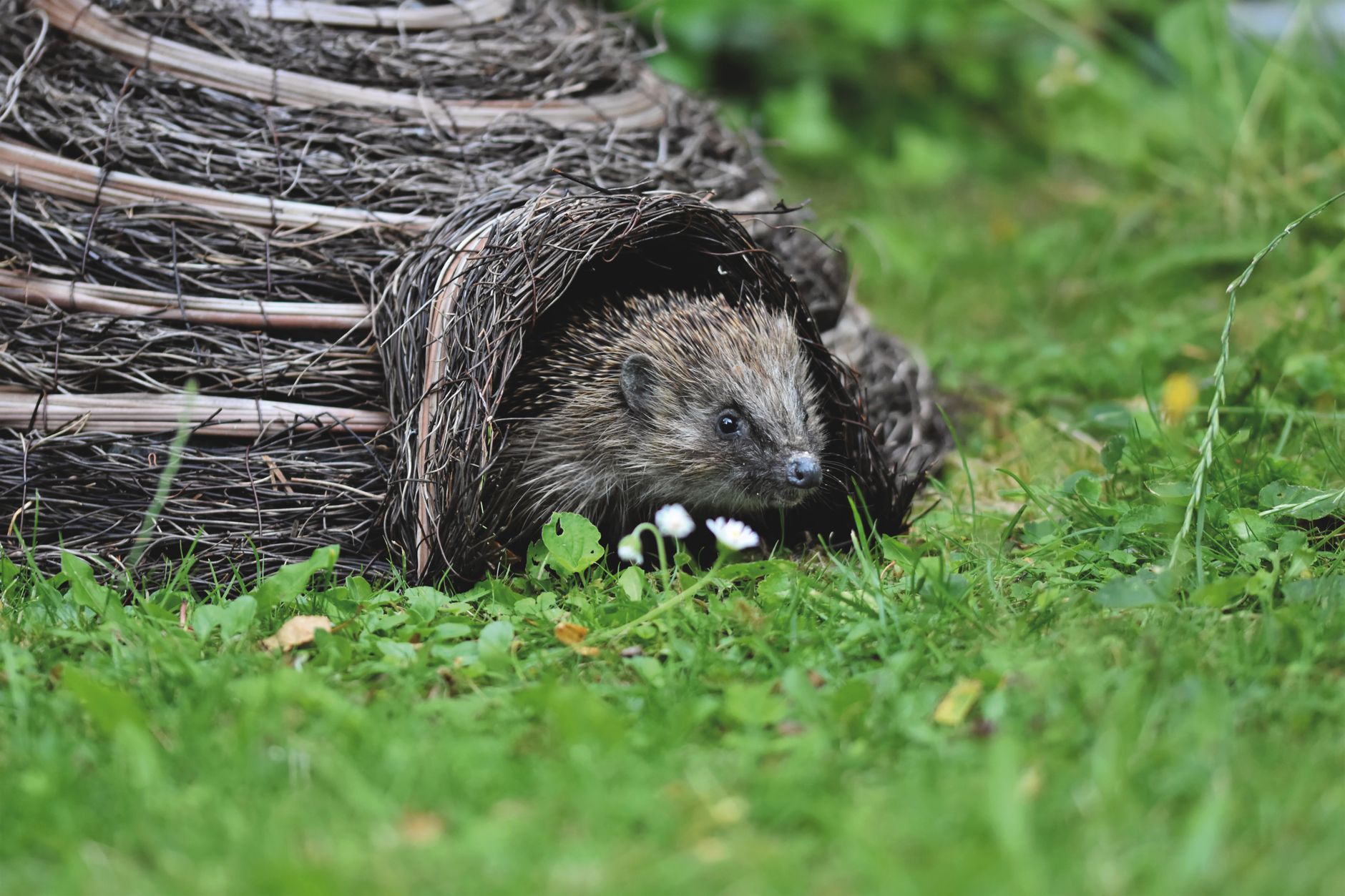
Understanding Hedgehog Bonding: A Comprehensive Guide
Bringing a hedgehog into your life is a rewarding experience, but it’s crucial to understand that these prickly companions require time and patience to form a bond. Unlike dogs or cats, hedgehogs are naturally solitary and cautious creatures. Building trust and establishing a meaningful connection requires a dedicated approach.

Is distilled water good for goldfish?
What colours are fish most attracted to?
Can you put your finger in a trout's mouth?
Is methylene blue anti bacterial?
The Hedgehog’s Perspective: Nature and Nurture

Hedgehogs, in their natural environment, are independent foragers. This ingrained behavior influences their interactions with humans. They aren’t inherently affectionate like domesticated animals, and their initial response to a new environment or handler is often defensive – balling up, hissing, and raising their quills. Understanding this natural inclination is the first step in fostering a positive relationship. Their environment is crucial. A stressed hedgehog will never bond.
Factors Influencing Bonding Time
How long does it take for a hedgehog to bond with you? There’s no one-size-fits-all answer, as several factors contribute to the bonding process:
- Hedgehog’s Age: Younger hedgehogs, especially babies, may adapt more readily than older ones with established routines and personalities.
- Individual Personality: Some hedgehogs are naturally more curious and outgoing, while others are shy and reserved.
- Handling Frequency: Regular, gentle handling is essential. The more time you spend interacting with your hedgehog (in a calm and positive manner), the faster the bonding process will likely be.
- Handling Technique: A confident and gentle approach is crucial. Jerky movements or loud noises can frighten your hedgehog.
- Environment: A safe, comfortable, and stimulating environment reduces stress and promotes relaxation, making the hedgehog more receptive to interaction.
- Consistency: Consistent routines and handling times help your hedgehog feel secure and predictable in their environment.
The Bonding Process: A Step-by-Step Approach
Building a strong bond with your hedgehog is a gradual process. Here’s a suggested approach:
- Initial Acclimation: Give your hedgehog a few days to settle into their new home without excessive handling. Allow them to explore their cage and become familiar with their surroundings.
- Scent Familiarization: Place a worn t-shirt or a piece of fabric with your scent in their cage. This helps them associate your smell with safety and comfort.
- Gentle Handling: Start with short handling sessions (5-10 minutes) daily. Gently scoop them up using both hands, supporting their body. Speak to them in a soft, soothing voice.
- Positive Reinforcement: Offer small treats, such as mealworms or cooked chicken, during handling sessions to create positive associations.
- Gradual Increase in Handling Time: As your hedgehog becomes more comfortable, gradually increase the length of handling sessions.
- Interactive Play: Engage in interactive play, such as letting them explore a safe, enclosed area or using toys designed for small animals.
- Observe Their Behavior: Pay close attention to your hedgehog’s body language. If they seem stressed or uncomfortable, shorten the handling session or try a different approach.
Common Mistakes to Avoid
- Forcing Interaction: Never force your hedgehog to interact with you if they are clearly scared or stressed.
- Loud Noises and Sudden Movements: Avoid loud noises or sudden movements that can startle them.
- Inconsistent Handling: Irregular handling can make it difficult for your hedgehog to trust you.
- Neglecting Their Needs: A clean cage, fresh food and water, and appropriate environmental enrichment are essential for their well-being and can directly affect the bonding process.
- Ignoring Their Body Language: Learn to recognize signs of stress or discomfort and adjust your approach accordingly.
Tracking Progress
Keeping a journal or log can be helpful to monitor your hedgehog’s progress. Note the dates, handling times, and any observed behaviors, such as hissing, balling up, exploring, or eating treats from your hand. This will help you track their progress and adjust your approach as needed.
The Rewards of Patience
While it may take time, the reward of a strong bond with your hedgehog is well worth the effort. A well-bonded hedgehog may allow you to handle them without balling up, explore their surroundings with you, and even seek out your attention. Seeing their unique personality shine through is a truly special experience. How long does it take for a hedgehog to bond with you? The answer lies in patience, understanding, and consistent effort.
Factors Influencing Bonding Times
| Factor | Faster Bonding | Slower Bonding |
|---|---|---|
| Age | Younger hedgehogs | Older hedgehogs |
| Personality | Outgoing, curious | Shy, reserved |
| Handling Frequency | Frequent, daily | Infrequent, sporadic |
| Handling Technique | Gentle, confident | Jerky, hesitant |
| Environment | Safe, comfortable | Stressful, unpredictable |
Frequently Asked Questions (FAQs)
How can I tell if my hedgehog is starting to bond with me?
You’ll notice several signs as your hedgehog starts to bond with you. They may become less likely to ball up when you approach, start sniffing or licking your hand, and become more comfortable exploring their surroundings while you’re present. They may even start to recognize your voice or scent.
What if my hedgehog never seems to bond with me?
While most hedgehogs will eventually form some level of bond with their owners, some may remain more independent than others. Continue providing consistent care, a safe environment, and gentle handling. Even if they don’t become overtly affectionate, a hedgehog that tolerates your presence and care is still showing a form of trust. Consult with a veterinarian specializing in exotic animals if you suspect underlying behavioral or health issues.
Is it possible for my hedgehog to bond with multiple people?
Yes, hedgehogs can bond with multiple people, but it generally requires consistent interaction from each individual. Each person should follow the same gentle handling techniques and provide positive reinforcement. However, they may show a stronger preference for one person over others.
How important is it to handle my hedgehog daily?
Daily handling is crucial for building trust and familiarity. Consistent interaction helps your hedgehog associate you with positive experiences and reduces their fear response. Even short handling sessions are beneficial.
What are some signs that my hedgehog is stressed or uncomfortable?
Signs of stress include: balling up tightly, hissing, popping, trembling, attempting to bite, and self-anointing (excessively licking themselves). If you observe these behaviors, immediately reduce handling time and assess their environment for potential stressors.
Can I bond with my hedgehog even if I have allergies?
Yes, you can still bond with your hedgehog if you have allergies, but it may require extra precautions. Wash your hands thoroughly after handling them, and consider wearing gloves or a mask. Keep their cage clean to minimize allergens in the air. Consult with an allergist for advice on managing your symptoms.
What kind of treats do hedgehogs enjoy, and how often should I give them?
Hedgehogs enjoy treats like mealworms, crickets, cooked chicken, and small pieces of fruit or vegetables. Offer treats sparingly, as part of a balanced diet. A few treats a day is generally sufficient. Avoid sugary or processed foods.
Is it better to get a baby hedgehog or an adult hedgehog for bonding?
Both baby and adult hedgehogs can bond with their owners, but there are pros and cons to each. Baby hedgehogs may be more adaptable, but they also require more frequent handling and care. Adult hedgehogs may have established personalities, but they can still learn to trust and bond with a new owner.
How can I make my hedgehog’s cage more stimulating to encourage bonding?
A stimulating cage environment can significantly contribute to your hedgehog’s well-being and make them more receptive to bonding. Provide toys such as tunnels, digging boxes filled with fleece strips, and a running wheel. Regularly rotate toys to keep them engaged and prevent boredom.
My hedgehog bites! How can I discourage this behavior?
Biting can be a sign of fear, stress, or curiosity. Avoid sudden movements or loud noises that may startle them. Offer treats from your hand to create positive associations. If they bite, gently blow on their face or say “no” firmly. Never punish them, as this will only increase their fear and anxiety.
Should I bath my hedgehog to improve bonding?
Bathing your hedgehog too frequently can dry out their skin and cause stress. Only bathe them when necessary, using a gentle, unscented shampoo formulated for small animals. Use a soft toothbrush to gently clean their quills. Focus on spot cleaning. Excessive bathing can hinder the bonding process.
How much time each day should I spend trying to bond with my hedgehog?
Consistency is key. Aim for at least 15-30 minutes of focused interaction each day. The quality of the interaction is more important than the quantity. Focus on gentle handling, positive reinforcement, and creating a safe and comfortable environment. Remember, how long does it take for a hedgehog to bond with you? It depends on consistently showing them you are a safe and reliable presence in their lives.