
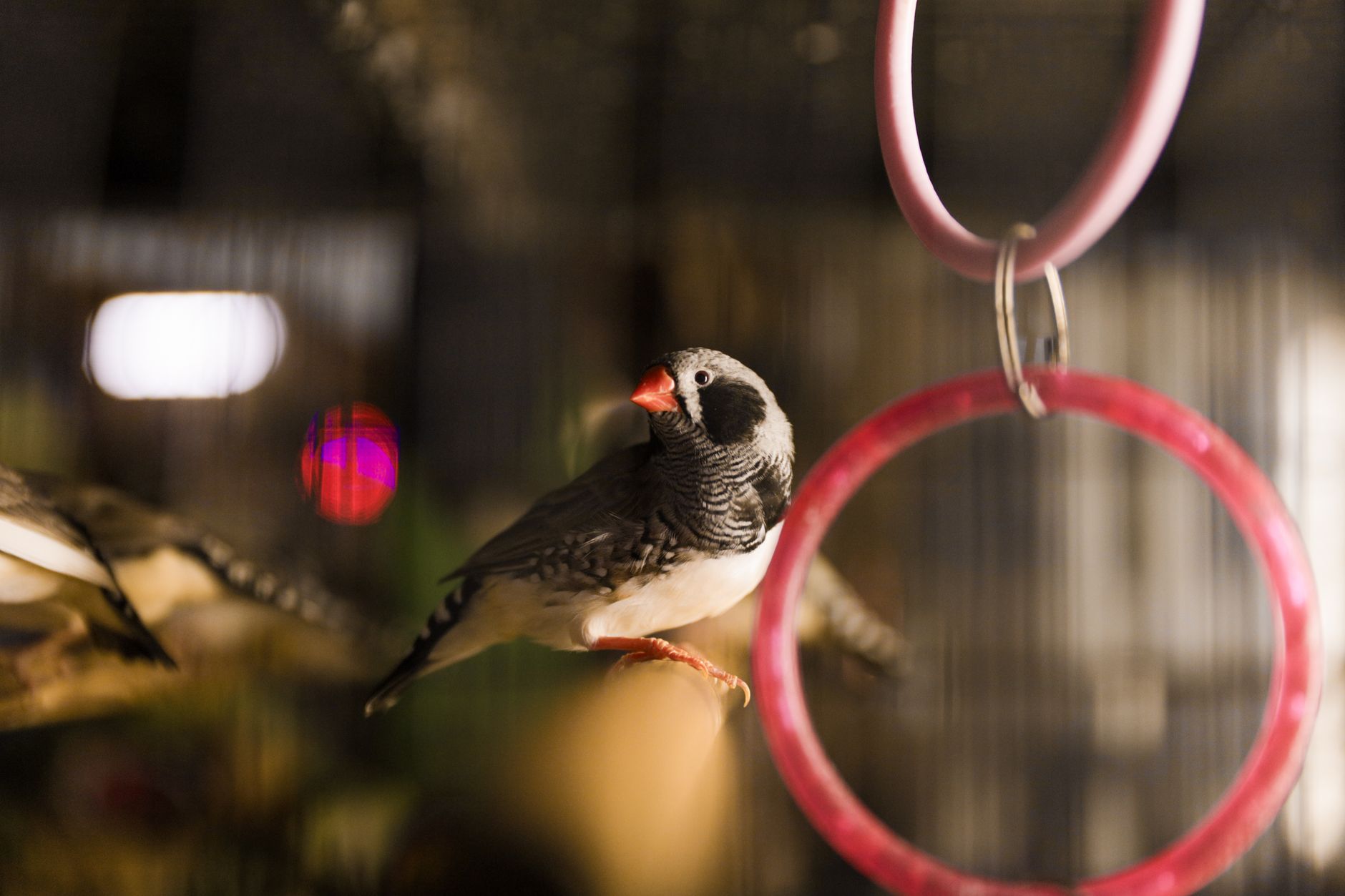
Can You Play With Finches? Unveiling the Truth
While direct physical play with finches isn’t advisable, there are many enriching ways to engage with these fascinating birds. The key is to understand their nature and tailor interactions to their unique needs.
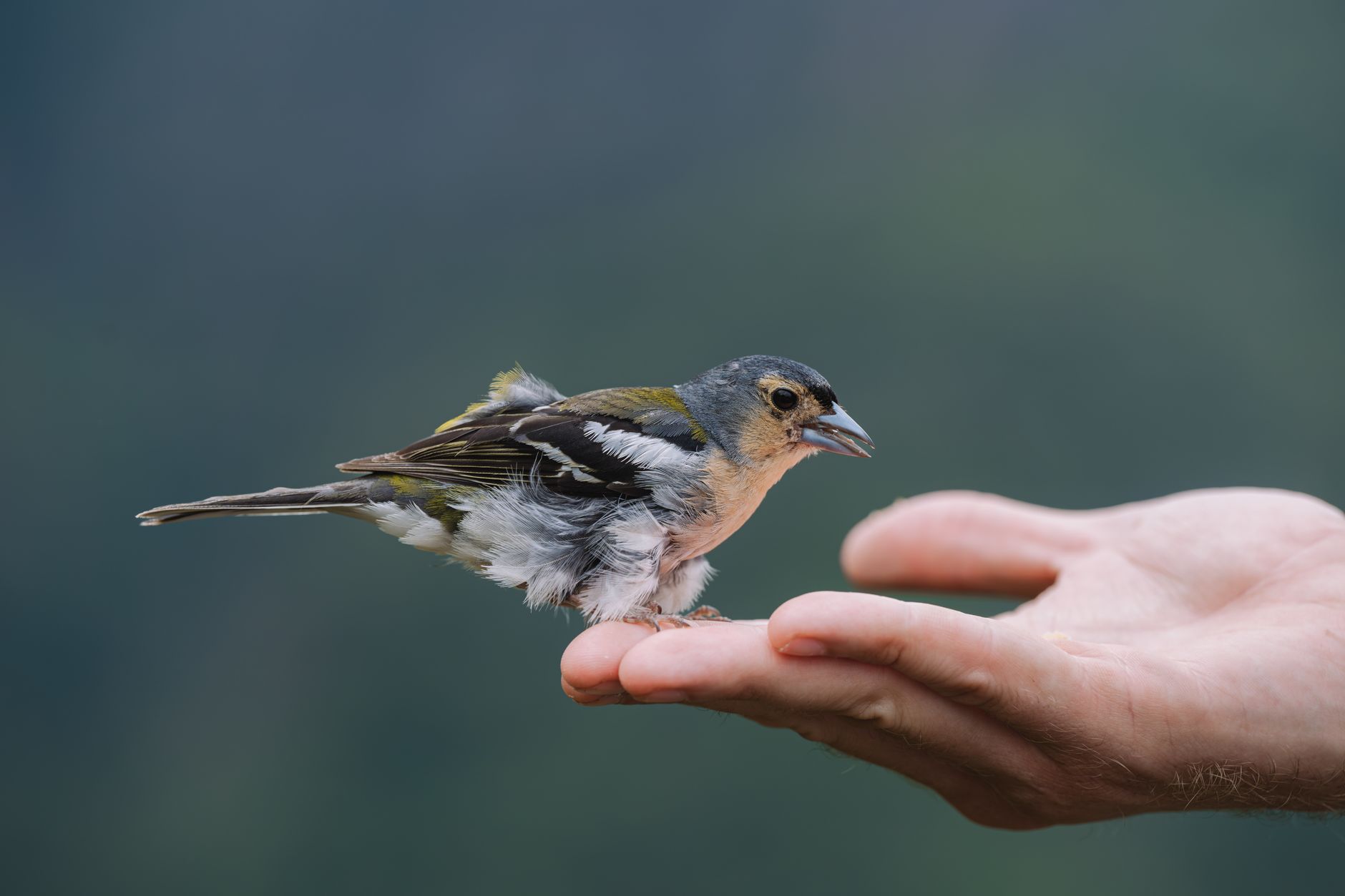
Understanding the Finch: A Small Bird, Big Personality
Finches, a diverse group of small passerine birds, are often chosen as pets for their beautiful songs, vibrant colors, and relatively low-maintenance care. However, it’s crucial to understand their natural behaviors and sensitivities to provide the best possible environment and engagement. Can you play with finches? Yes, but not in the same way you might play with a cat or dog. Their interaction is more about creating a stimulating environment.

What colours are fish most attracted to?
Can you put your finger in a trout's mouth?
Is methylene blue anti bacterial?
Does aquarium salt raise pH in aquarium?
The Social Nature of Finches and the Role of Companionship

Finches are inherently social creatures. In the wild, they thrive in flocks, deriving comfort and security from their community. This social instinct remains strong even in captivity. Therefore, keeping finches in pairs or small groups is highly recommended. Companionship reduces stress and encourages natural behaviors. Trying to force a finch to replace that social bond with you, through direct handling, often results in the opposite effect.
Creating an Enriching Environment for Finch Engagement
Instead of direct handling, focus on creating a captivating and stimulating environment that encourages natural finch behaviors. This is the best way to answer the question: Can you play with finches? Positively.
- Cage Size and Setup: A spacious cage is paramount. Provide ample room for flight. Include branches of varying thicknesses for perching and exploring. Rotate toys regularly to maintain interest.
- Foraging Opportunities: Finches are natural foragers. Scatter food in different locations within the cage to encourage exploration. Use foraging toys that require problem-solving to access treats.
- Visual Stimulation: Provide visual stimulation through toys with different textures and colors. Place the cage in a location with natural light but avoid direct sunlight exposure.
- Auditory Enrichment: Play soft nature sounds or classical music to create a calming and stimulating auditory environment.
- Dust Baths: Finches enjoy dust baths to keep their feathers clean. Provide a shallow dish with bird-safe sand or chinchilla dust.
Recognizing Finch Body Language
Understanding your finch’s body language is crucial to understanding their comfort level and stress indicators.
| Behavior | Meaning |
|---|---|
| Preening | Normal grooming behavior. |
| Fluffed Feathers | Can indicate cold, illness, or fear. |
| Tail Bobbing | Often associated with breathing difficulties. Consult a veterinarian. |
| Agitation | May indicate stress, fear, or illness. |
| Singing | Generally indicates contentment and well-being. |
Training and Interaction: Building Trust, Not Contact
While physical handling may not be ideal, there are ways to interact with your finches and build trust. You can train finches, albeit with patience and consistency. Teach them to come to a specific perch for a treat or to fly through a hoop. These training sessions should be short and positive, focusing on reward-based reinforcement.
Common Mistakes to Avoid
- Forcing Interaction: Never force a finch to interact if it appears scared or stressed.
- Excessive Handling: Avoid excessive handling, as it can cause significant stress.
- Sudden Movements: Avoid sudden movements or loud noises around the cage.
- Neglecting Social Needs: Never keep a finch alone. They need the companionship of other finches.
- Using Harsh Chemicals: Avoid using harsh chemicals or cleaners near the cage, as they can be toxic.
The Ethical Considerations of Finch Ownership
Before acquiring finches, carefully consider the ethical implications of keeping these creatures in captivity. Ensure you can provide a suitable environment that meets their physical and psychological needs. Responsible finch ownership involves ongoing commitment to their well-being.
Frequently Asked Questions (FAQs)
Is it safe to handle finches?
While it’s generally not recommended to handle finches, occasional short periods of handling may be necessary for health checks or administering medication. Approach gently and with caution, minimizing stress as much as possible.
What are the best toys for finches?
Finches enjoy a variety of toys, including small bells, mirrors, shreddable toys, and swings. Rotate toys regularly to keep them entertained. Ensure toys are bird-safe and free of small parts that could be ingested.
How do I know if my finch is happy?
Happy finches are active, alert, and sing frequently. They also preen themselves regularly and interact with their cage mates. A healthy appetite and normal droppings are also indicators of well-being.
Can I teach my finch tricks?
Yes, finches can be trained to perform simple tricks using positive reinforcement. Start with small, achievable goals and reward desired behaviors with treats or praise.
How often should I clean my finch’s cage?
The cage should be spot cleaned daily, removing droppings and discarded food. A thorough cleaning, including disinfecting the cage and accessories, should be done weekly.
What is the ideal cage size for a pair of finches?
A cage at least 30 inches long, 18 inches wide, and 18 inches high is generally recommended for a pair of finches. Larger cages are always preferable, as they provide more space for flight and exploration.
What should I feed my finches?
A high-quality finch seed mix should be the staple of their diet. Supplement with fresh fruits, vegetables, and occasional treats like millet sprays. Provide fresh water daily.
How do I bond with my finches?
Bonding with finches is more about building trust through consistent care and positive interactions. Spend time near the cage, talking to them in a gentle voice, and offering treats from your hand.
What are some signs of illness in finches?
Signs of illness in finches include lethargy, fluffed feathers, loss of appetite, labored breathing, and changes in droppings. If you observe any of these signs, consult a veterinarian immediately.
Can finches recognize their owners?
While they might not recognize you in the same way a dog or cat does, finches can learn to associate your presence with positive experiences, such as feeding and cleaning their cage. This can lead to a sense of trust and familiarity.
What temperature is best for finches?
Finches thrive in temperatures between 65°F and 80°F (18°C and 27°C). Avoid exposing them to drafts or extreme temperature fluctuations.
How long do finches typically live?
With proper care, finches can live for 5-10 years in captivity. Factors such as diet, environment, and genetics can influence their lifespan. So, can you play with finches? Absolutely, if you’re committed to creating an environment that extends their lifespans by providing them a enriching and simulating world.