
Does My Horse Need a Friend? The Social Lives of Equines
Yes, most horses benefit significantly from companionship; isolating a horse can lead to stress, behavioral issues, and a decline in overall well-being. Understanding the social needs of your horse is crucial for responsible equine ownership.

Introduction: The Social Nature of Horses
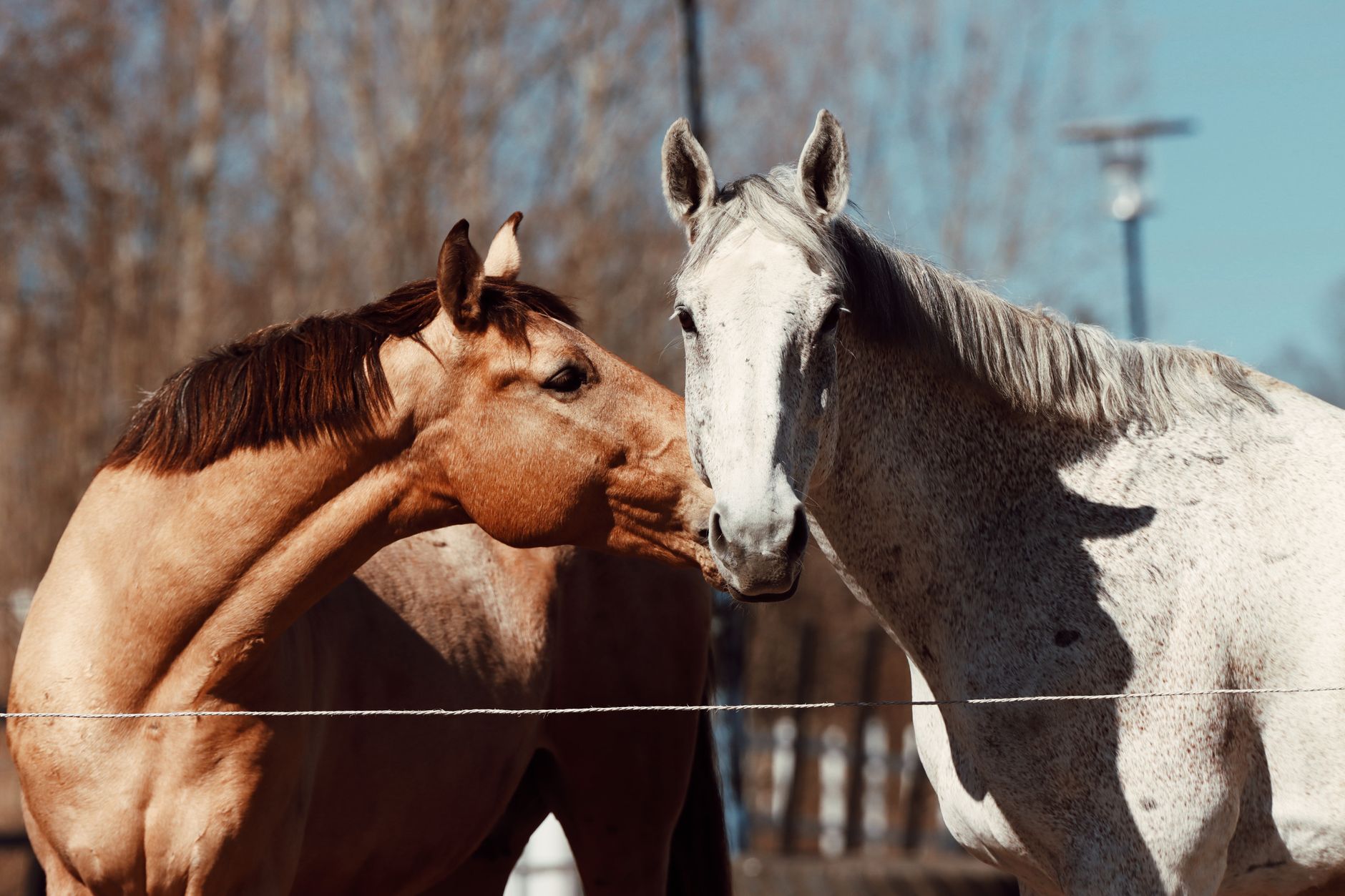
Horses are naturally social creatures, having evolved to live in herds. This herd environment provides security, reduces stress, and facilitates essential behaviors like grazing, grooming, and playing. Understanding this inherent need for companionship is crucial for ensuring the physical and psychological well-being of your equine partner. Isolating a horse, even with the best of intentions regarding care and training, can have detrimental consequences. The question, Does my horse need a friend?, should really be rephrased as, how can I best fulfill my horse’s social needs?

Is distilled water good for goldfish?
What colours are fish most attracted to?
Can you put your finger in a trout's mouth?
Is methylene blue anti bacterial?
The Benefits of Equine Companionship

Providing a horse with a companion, whether another horse or a compatible animal, offers numerous advantages:
- Reduced Stress and Anxiety: Companionship provides a sense of security and belonging, lowering cortisol levels and reducing stress-related behaviors.
- Enhanced Physical Health: Social interaction encourages movement and play, which can improve circulation, joint health, and overall fitness.
- Improved Mental Well-being: Companionship stimulates a horse’s mind, preventing boredom and promoting positive mental health. A bored horse is prone to developing vices and destructive behaviours.
- Facilitated Learning and Training: Horses learn from each other. Introducing a well-trained, confident companion can help a younger or less experienced horse learn new skills or overcome fears.
- Improved Digestive Health: Reduced stress can positively impact digestive function, reducing the risk of ulcers and other gastrointestinal issues.
Choosing the Right Companion
Selecting the right companion is crucial for a successful pairing. Not all horses get along, and introducing incompatible animals can create more stress than benefit. Consider the following:
- Species: While another horse is the ideal companion, other animals like goats, donkeys, or even certain breeds of sheep and dogs can provide companionship. Consider your specific situation and available space.
- Temperament: Match temperaments carefully. A high-energy horse may not be the best match for a laid-back senior.
- Age and Size: Consider the age and size differences between potential companions. A large, playful horse might unintentionally injure a smaller, more delicate animal.
- Health Status: Ensure all animals are healthy and up-to-date on vaccinations and deworming before introducing them.
- Individual Preferences: Observe the animals’ interactions to see if they exhibit positive social behaviors, such as mutual grooming or relaxed body language.
The Introduction Process
Introducing horses to each other should be a gradual and carefully supervised process:
- Separate but Visible: Initially, allow the horses to see and smell each other through a fence or barrier.
- Controlled Introductions: After a few days, introduce them in a small, enclosed area with plenty of space to move around.
- Supervise Closely: Monitor their interactions closely for signs of aggression or distress. Intervene if necessary.
- Gradual Integration: Slowly increase the amount of time they spend together.
- Monitor Long-Term: Continue to observe their relationship to ensure they remain compatible.
Alternatives to Equine Companionship
If providing another horse as a companion isn’t feasible, consider these alternatives:
- Visual Contact: Ensure your horse has visual contact with other horses whenever possible.
- Interactive Toys: Provide toys that stimulate your horse’s mind and encourage movement.
- Increased Human Interaction: Spend more time grooming, playing, or simply being present with your horse.
- Strategic Pasture Management: Rotate your horse through different pastures to provide variety and stimulate natural foraging behaviors.
- Turnout with Other Species: If horses aren’t an option, safe interaction with other species, such as goats or chickens, can provide stimulation.
Common Mistakes to Avoid
- Rushing the Introduction: Introducing horses too quickly can lead to aggression and injury.
- Ignoring Warning Signs: Ignoring signs of incompatibility can lead to chronic stress and behavioral problems.
- Assuming All Horses Get Along: Each horse has a unique personality and preferences.
- Neglecting Basic Needs: Ensuring adequate food, water, and shelter is essential for all animals in the group.
- Lack of Supervision: Regular supervision is crucial, especially during the initial introduction phase.
Does Isolation Always Harm a Horse?
While most horses thrive with companionship, there are rare exceptions. Some horses, due to past trauma or personality quirks, may prefer solitude. However, these cases are uncommon, and it’s crucial to rule out other underlying issues, such as pain or illness, before assuming a horse prefers to be alone. Consulting with a veterinarian or equine behaviorist is essential in such situations. Ultimately, careful observation and understanding of your horse’s individual needs are paramount.
Frequently Asked Questions (FAQs)
Is it cruel to keep a horse alone?
Yes, in most cases, it is considered cruel to keep a horse alone for extended periods. Horses are naturally social animals and isolation can lead to significant stress, anxiety, and behavioral problems.
What are the signs of a lonely horse?
Signs of a lonely horse can include increased vocalization, pacing, weaving, stall walking, aggression towards humans, loss of appetite, and a general lack of interest in its surroundings.
Can a donkey be a good companion for a horse?
Yes, donkeys can be excellent companions for horses, provided they are introduced carefully and their temperaments are compatible. They often form strong bonds and can provide a sense of security and companionship.
What if I can’t afford another horse?
If you can’t afford another horse, consider other compatible animals like goats, sheep, or even a well-socialized dog. Ensure they have adequate space and resources and that their temperaments are compatible. Increased human interaction and environmental enrichment are also important.
How do I know if my horse likes its companion?
Signs that your horse likes its companion include mutual grooming, resting near each other, playing together, and relaxed body language. A lack of aggression or avoidance is also a positive sign.
Can a horse become depressed from being alone?
Yes, a horse can become depressed from being alone. The lack of social interaction can lead to apathy, lethargy, and a decline in overall well-being.
What’s the best way to introduce two horses?
The best way to introduce two horses is gradually, starting with visual contact through a fence, then progressing to supervised introductions in a small, enclosed area. Monitor their interactions closely and intervene if necessary.
What if my horse is aggressive towards other horses?
If your horse is aggressive towards other horses, consult with a veterinarian or equine behaviorist. The aggression may be due to underlying pain, fear, or dominance issues.
How much space do horses need when kept together?
Horses need adequate space to move around freely, graze, and avoid conflict. The amount of space depends on the size and number of horses, but generally, at least one to two acres per horse is recommended.
Can humans be a substitute for equine companionship?
While humans can provide some companionship, they cannot fully replace the social interaction that horses need from other horses. Horses communicate and interact in ways that humans cannot replicate.
What if my horse doesn’t seem to care about other horses?
Even if your horse doesn’t actively seek out interaction with other horses, it still benefits from having them nearby. Visual contact and the presence of other horses can provide a sense of security and reduce stress. It’s a rare horse that truly prefers complete isolation.
How important is enrichment when horses are stabled?
When horses are stabled, enrichment is extremely important. Options include slow feeders, toys such as balls to kick around, and mirrors. These enrichments assist with preventing boredom, which is often a reason horses develop repetitive behaviours such as windsucking.