

Can You Keep Oscars in a Pond? The Definitive Guide
No, generally you cannot keep Oscars in a pond. These tropical fish require specific water temperatures that are difficult to maintain consistently in outdoor environments, making pond life unsuitable for them.

Understanding the Oscar’s Natural Habitat and Needs
The Oscar, Astronotus ocellatus, is a captivating fish species native to the warm, slow-moving waters of the Amazon and Orinoco river basins in South America. Understanding their natural environment is crucial to determining whether can you keep Oscars in a pond. Their survival hinges on specific environmental factors that are often challenging to replicate outdoors.

What colours are fish most attracted to?
Can you put your finger in a trout's mouth?
Is methylene blue anti bacterial?
Does aquarium salt raise pH in aquarium?
Temperature: The Deciding Factor
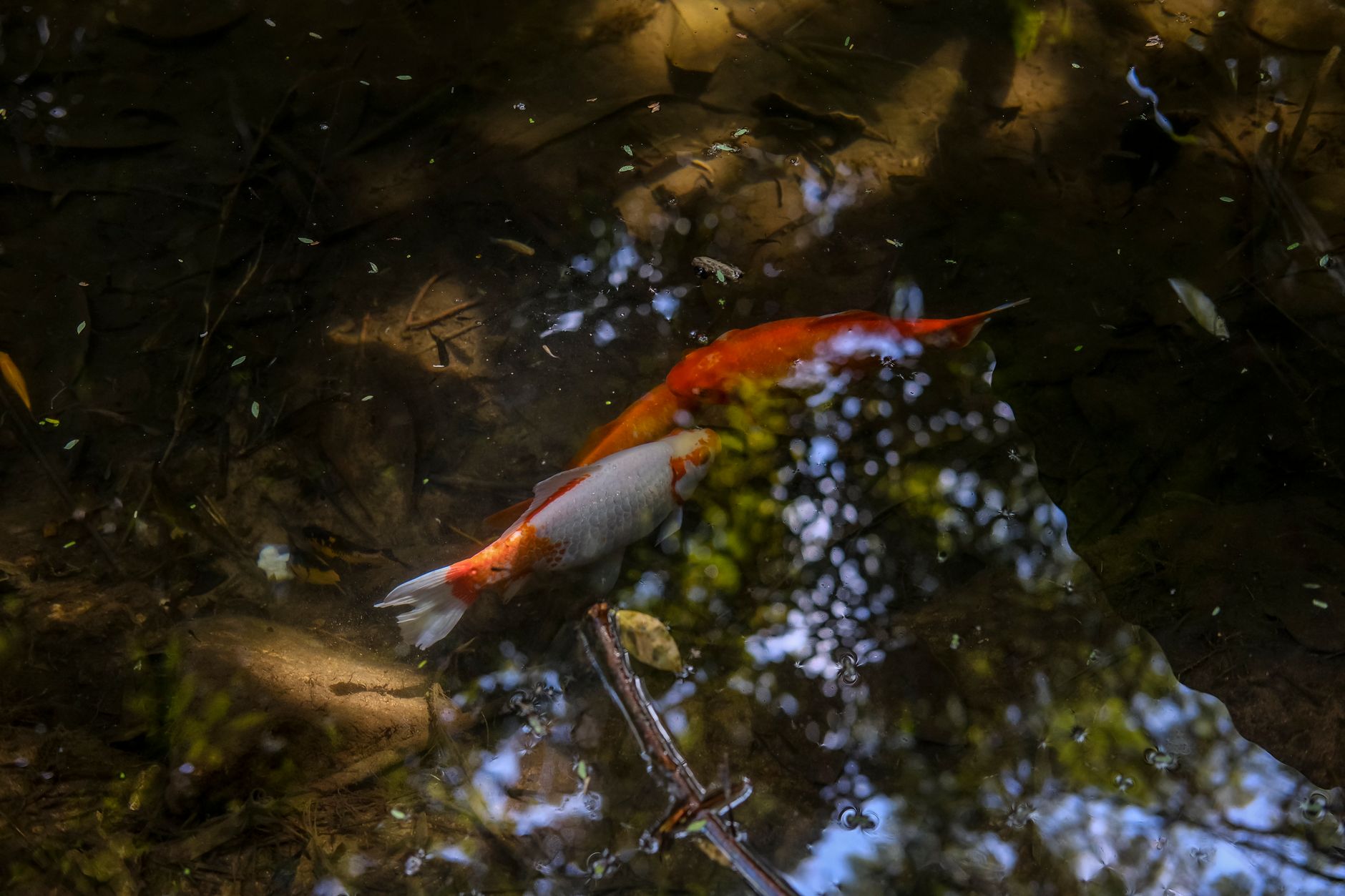
Temperature is arguably the most important aspect of an Oscar’s environment. These tropical fish thrive in water temperatures between 72°F (22°C) and 86°F (30°C). Consistent temperatures within this range are vital for their metabolism, immune function, and overall well-being. Ponds, especially in regions with fluctuating climates, rarely maintain this temperature stability. Even in warmer climates, nighttime temperatures can plummet, stressing the fish and making them susceptible to disease.
Water Quality: A Delicate Balance
Besides temperature, Oscars need clean, well-oxygenated water. They are messy eaters and produce a significant amount of waste, which can quickly degrade water quality. In an aquarium, regular water changes and a robust filtration system can manage this waste. In a pond, maintaining similar water quality can be difficult, especially without significant investment in pond filtration and maintenance. Ammonia and nitrite levels can easily spike, poisoning the fish.
Pond Size and Security
While Oscars can grow to a considerable size (up to 16 inches), simply having a large pond isn’t enough. The pond needs to be deep enough to provide temperature stability and allow the fish to swim freely. Moreover, the pond needs to be secure to protect the Oscar from predators such as birds, raccoons, and even domestic animals. A net covering the pond is essential in most areas.
Legal and Ethical Considerations
Before considering keeping any fish in a pond, it’s vital to check local regulations. Some areas may have restrictions on keeping certain species outdoors. Furthermore, ethical considerations come into play. Can you keep Oscars in a pond while ensuring their well-being? If the answer is doubtful, then it is ethically irresponsible to attempt it.
Alternatives to Pond Keeping
For those captivated by Oscars but unable to provide an ideal pond environment, a large indoor aquarium is the best option. A tank of at least 75 gallons (and preferably larger) is recommended for a single Oscar. Adequate filtration, regular water changes, and a controlled temperature environment are essential for their health and happiness.
What to Consider Before Even Thinking About a Pond
Before even dreaming of keeping Oscars in a pond, answer these critical questions:
- Climate: Does your local climate consistently maintain temperatures within the Oscar’s preferred range?
- Water Source: Is your pond water source suitable for Oscars (pH, hardness, absence of contaminants)?
- Filtration: Do you have a robust pond filtration system capable of handling the bioload produced by Oscars?
- Predator Protection: Can you effectively protect the Oscars from predators?
- Winter Preparation: What measures will you take to maintain water temperatures during colder months?
- Legal Restrictions: Are there any local regulations prohibiting keeping Oscars in a pond?
Table: Comparing Pond vs. Aquarium for Oscars
| Feature | Pond | Aquarium |
|---|---|---|
| Temperature | Highly variable and difficult to control, especially in fluctuating climates. | Easily controlled using heaters and thermostats. |
| Water Quality | More difficult to maintain due to larger volume and potential for organic matter buildup. | Easier to manage through regular water changes and filtration. |
| Predator Risk | High risk from birds, raccoons, and other animals. | Minimal risk, unless the tank is kept outdoors. |
| Size | Can be very large, providing ample swimming space (if designed correctly). | Limited by tank size, requiring a suitably large tank. |
| Monitoring | Difficult to monitor water parameters and fish health closely. | Easy to monitor water parameters and fish health. |
| Overall Feasibility | Generally not recommended due to temperature and water quality challenges. Can you keep Oscars in a pond? The answer is generally NO! | Recommended, provided the aquarium is of adequate size and well-maintained. |
Frequently Asked Questions (FAQs) About Oscars and Ponds
Can Oscars survive freezing temperatures?
No, Oscars cannot survive freezing temperatures. They are tropical fish and require warm water to survive. Exposure to freezing temperatures will quickly lead to their death.
What is the minimum pond size for Oscars?
Even if conditions were perfect, a very large pond would be required. As a general guideline, a pond holding at least 500 gallons would be a starting point for housing even a single Oscar, and substantially larger for a group. However, size is not the primary issue; maintaining stable, tropical water conditions is.
Can I use a pond heater to keep the water warm enough for Oscars?
While a pond heater can help maintain water temperature, it’s unlikely to be sufficient in colder climates or during prolonged cold spells. The cost of heating a large pond to the required temperature could also be prohibitive. Furthermore, heater malfunctions can be catastrophic.
Are there any fish that look like Oscars but can tolerate colder water?
No, there are no fish that are close enough in appearance to Oscars that can tolerate significantly colder water. It’s best to choose fish appropriate for your climate.
How do I properly acclimate Oscars to a pond (assuming I can provide suitable conditions)?
The standard acclimation process involves floating the bag containing the Oscar in the pond water for about 30 minutes to equalize the temperature. Then, gradually add small amounts of pond water to the bag every few minutes for another 30-60 minutes before releasing the Oscar into the pond. However, again, this is ONLY if suitable conditions exist already!
What are the signs of stress in Oscars?
Signs of stress in Oscars include loss of appetite, lethargy, clamped fins, erratic swimming, and changes in coloration. If you observe any of these signs, take immediate action to address the underlying cause.
Can Oscars breed in a pond?
It’s highly unlikely that Oscars would successfully breed in a pond setting due to the difficulty of maintaining stable water parameters and the presence of predators.
What do Oscars eat?
In the wild, Oscars are opportunistic omnivores. In captivity, they should be fed a high-quality cichlid pellet food, supplemented with occasional treats like earthworms, crickets, and small pieces of fish or shrimp.
How long do Oscars live?
With proper care, Oscars can live for 10-15 years, and sometimes longer.
What diseases are Oscars prone to?
Oscars are susceptible to a variety of diseases, including ich (white spot disease), fin rot, hole-in-the-head disease, and fungal infections. Maintaining good water quality is crucial for preventing these diseases.
What if my power goes out and the pond heater stops working?
In the event of a power outage, you should have a backup plan in place to maintain water temperature. This could involve using a generator to power the heater, or covering the pond with insulating materials to retain heat. In extended outages, it may be necessary to temporarily move the Oscar to a heated indoor aquarium.
Is it ethical to keep Oscars in a pond if the conditions are marginal?
No, it is not ethical to keep Oscars in a pond if the conditions are marginal. The well-being of the fish should always be the primary consideration.