

Are There Lost Cities in the Amazon? Unveiling Ancient Civilizations
The question of whether “Are there lost cities in the Amazon?“ has captivated imaginations for centuries. While definitive “cities” in the traditional sense remain elusive, mounting evidence suggests that the Amazon rainforest was once home to surprisingly large and complex pre-Columbian societies. This article will explore the archaeological evidence, historical accounts, and modern technologies that are reshaping our understanding of the Amazon’s past.

Challenging Conventional Wisdom: The Myth of the Pristine Forest
For a long time, the Amazon was considered a “pristine rainforest“, sparsely populated by nomadic tribes and untouched by significant human intervention. This perception, however, is increasingly being challenged by archaeological discoveries. The discovery of “terra preta“ (dark earth) – fertile soil created by human activity – revealed a far more intensive and sustained presence than previously imagined. This soil amendment, often enriched with charcoal, pottery shards, and organic matter, indicated deliberate agricultural practices capable of supporting larger populations.
What colours are fish most attracted to?
Can you put your finger in a trout's mouth?
Is methylene blue anti bacterial?
Does aquarium salt raise pH in aquarium?
Evidence from the Ground: Archaeological Discoveries

Archaeological digs across the Amazon basin have unearthed a wealth of evidence pointing to sophisticated pre-Columbian societies:
- Geoglyphs: Massive earthworks, often geometric shapes or animal figures, etched into the landscape. These structures, best viewed from the air, provide compelling evidence of planned construction and organized labor.
- Mounds and Canals: The remains of artificial mounds and intricate canal systems indicate advanced engineering skills and water management techniques. These features suggest settled populations engaged in agriculture and trade.
- Ceramics and Artifacts: The discovery of diverse pottery styles, stone tools, and other artifacts suggests specialized crafts and complex social structures. These finds provide valuable insights into the daily lives and cultural practices of these Amazonian societies.
- Terra Preta: As mentioned, the presence of this anthropogenically altered soil is a crucial indicator of past human activity and the potential for larger, more settled populations than previously thought.
The Role of LiDAR Technology
LiDAR (Light Detection and Ranging) technology has revolutionized archaeological research in the Amazon. This remote sensing technique uses lasers to penetrate the forest canopy and create detailed 3D maps of the terrain below. LiDAR surveys have revealed previously hidden structures and features, including:
- Fortified settlements: Evidence of defensive structures suggests the presence of intergroup conflict and the need to protect resources.
- Road networks: LiDAR has uncovered extensive networks of raised causeways connecting settlements, indicating organized transportation and trade routes.
- Agricultural terraces: The identification of terraced hillsides suggests intensive agricultural practices designed to maximize crop yields.
Historical Accounts: The Chronicles of Early Explorers
While early European explorers often exaggerated their accounts of the Amazon, some descriptions hint at the existence of larger, more organized settlements. Gaspar de Carvajal, chaplain to Francisco de Orellana on his 1541-42 expedition down the Amazon River, described witnessing large populations and sophisticated infrastructure. Although Carvajal’s accounts have been met with skepticism, they should not be entirely dismissed, as they provide a potentially valuable, albeit biased, glimpse into the pre-Columbian Amazon.
Debunking Myths and Misconceptions
It’s important to distinguish between “lost cities“ in the popular imagination (think El Dorado) and the more nuanced reality of complex pre-Columbian societies in the Amazon. While evidence suggests significant populations and organized settlements, the term “city” may not be entirely accurate. These were likely decentralized societies with a different urban morphology than European cities.
The Impact of European Contact
The arrival of Europeans in the Amazon had a devastating impact on indigenous populations. Diseases like smallpox, measles, and influenza decimated communities, leading to population collapse and the abandonment of settlements. This demographic catastrophe likely contributed to the disappearance of evidence of these societies and the subsequent perception of the Amazon as a sparsely populated wilderness.
The Future of Amazonian Archaeology
The ongoing exploration and research in the Amazon hold immense potential for uncovering further evidence of pre-Columbian civilizations. LiDAR technology, combined with archaeological excavations and interdisciplinary studies, is providing a more complete and accurate picture of the Amazon’s past.
It’s crucial that these investigations are conducted ethically and in collaboration with indigenous communities, ensuring that their knowledge and perspectives are incorporated into the research process. Protecting these archaeological sites from looting and destruction is paramount to preserving this valuable cultural heritage.
Frequently Asked Questions (FAQs)
Are there truly “cities” like Machu Picchu hidden in the Amazon?
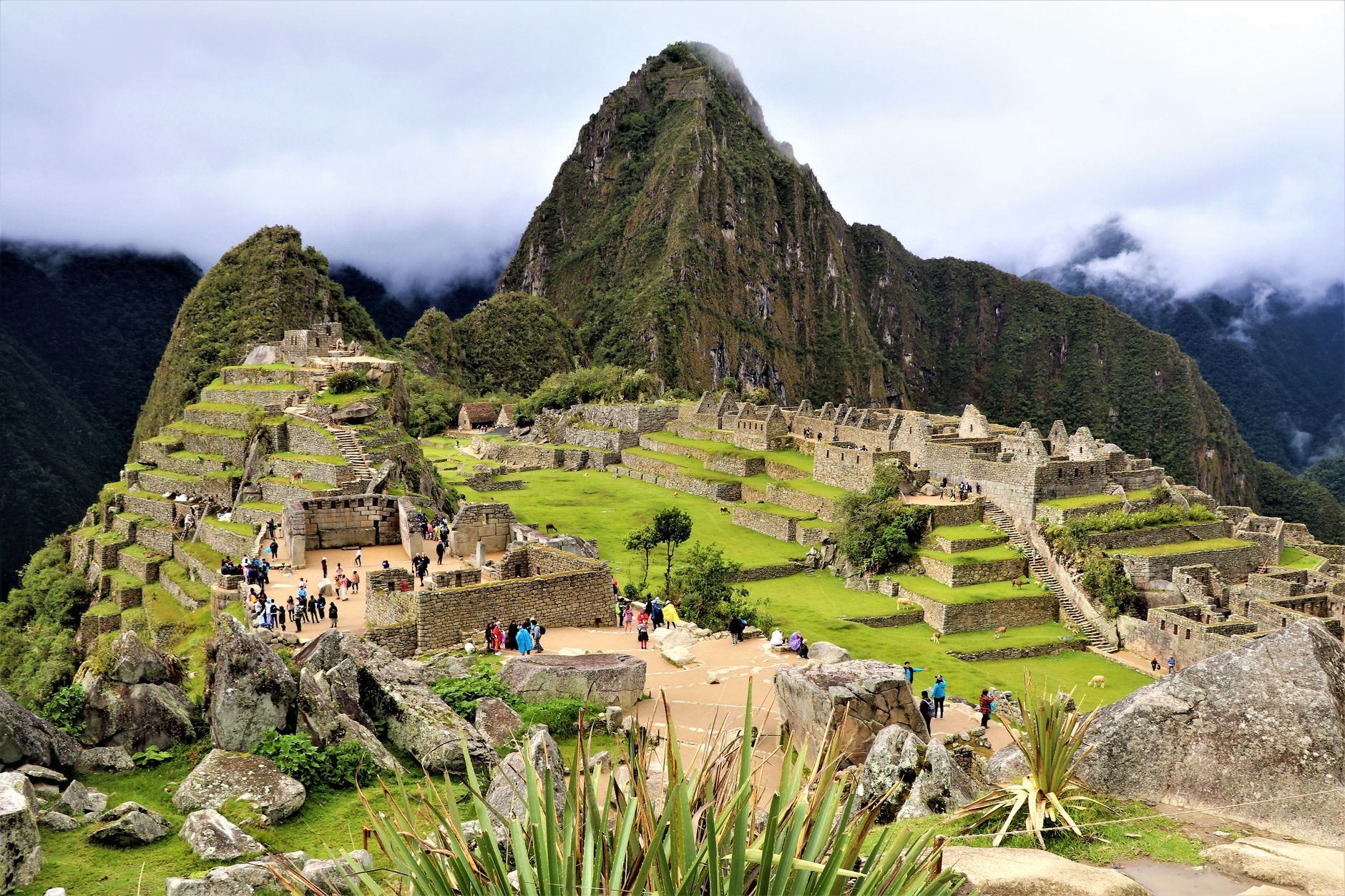
While the Amazon may not harbor “cities” precisely mirroring Machu Picchu in architectural style and scale, evidence strongly suggests the existence of large, “densely populated settlements“ with complex social structures and advanced agricultural practices. The term “city” requires careful consideration, as these Amazonian settlements may have had different organizational structures and urban morphologies than those typically associated with the term.
What is “terra preta“ and why is it so important?
“Terra preta“, or “Amazonian dark earth“, is a type of highly fertile soil created by human activity. Its presence indicates sustained human occupation and agricultural practices. The composition of terra preta, enriched with charcoal, pottery shards, and organic matter, demonstrates a sophisticated understanding of soil management and sustainable agriculture.
How has LiDAR technology changed our understanding of the Amazon’s past?
LiDAR (Light Detection and Ranging) technology has been revolutionary by allowing archaeologists to “see through” the dense forest canopy and map the terrain below. This has revealed previously hidden structures like “geoglyphs, mounds, canals, and road networks“, providing unprecedented insights into the scale and complexity of pre-Columbian settlements.
What happened to these Amazonian civilizations?
The decline of these civilizations was likely a result of several factors, including “disease, warfare, and environmental changes“. The introduction of European diseases like smallpox and measles decimated indigenous populations, leading to societal collapse and the abandonment of settlements.
Was the Amazon truly a “pristine rainforest” before European contact?
The long-held notion of a “pristine rainforest” untouched by human influence is now widely discredited. Archaeological evidence, including “terra preta and geoglyphs“, demonstrates that the Amazon was significantly shaped by human activity for millennia prior to European contact.
What evidence suggests that these societies were more advanced than previously thought?
The presence of “geoglyphs, mounds, canals, road networks, and sophisticated agricultural practices“ all points to a level of social organization, technological innovation, and environmental management that was previously underestimated.
What role did agriculture play in the development of these societies?
Agriculture played a crucial role. The discovery of “terra preta and evidence of terracing“ indicates intensive agricultural practices capable of supporting larger populations and more complex societies.
Are there any ethical considerations when excavating archaeological sites in the Amazon?
Yes, ethical considerations are paramount. “Excavations should be conducted in collaboration with indigenous communities“, respecting their cultural heritage and incorporating their knowledge into the research process. Protecting sites from looting and ensuring sustainable tourism are also crucial.
What can we learn from these lost civilizations about sustainable living?
The study of pre-Columbian Amazonian societies can provide valuable insights into sustainable living practices, such as “terra preta production and water management techniques“. These practices offer potential lessons for addressing contemporary environmental challenges.
Are indigenous communities today descendants of these “lost city” inhabitants?
Many indigenous communities living in the Amazon today are likely descendants of the people who built these settlements. Their “oral histories and traditional knowledge“ can provide valuable insights into the past.
What are some of the biggest mysteries surrounding these lost civilizations?
Key mysteries include the exact “population size, social organization, and the reasons for the decline“ of these societies. Further research is needed to fully understand their history and culture.
How can I learn more about the archaeology of the Amazon?
You can explore resources from universities, museums, and research institutions dedicated to Amazonian archaeology. “National Geographic, scientific journals, and reputable documentaries“ also provide valuable information.