
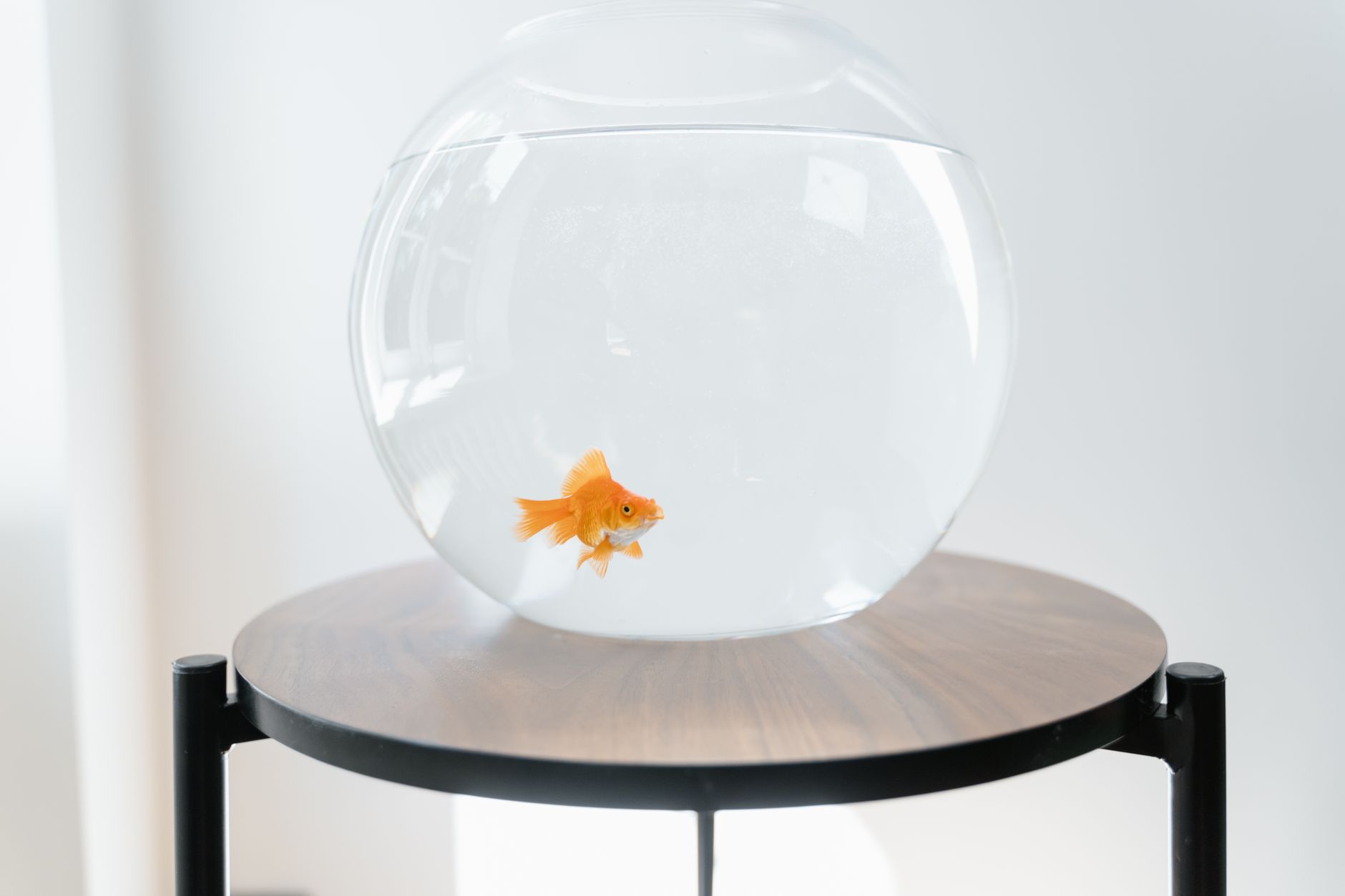
Can You Keep Fish in a Glass Jar? Unveiling the Truth
The short answer is generally no. While technically possible in extremely rare and specific circumstances, keeping fish in a standard glass jar is almost universally inhumane and unsustainable, leading to suffering and a drastically shortened lifespan for the fish.
The Allure and the Reality of Jar Aquariums
The image of a solitary goldfish swimming in a small glass jar is unfortunately ingrained in popular culture. Perhaps it evokes a sense of simplicity or low-maintenance pet ownership. However, the reality is far removed from this idyllic picture. The practice raises serious ethical and practical concerns, demanding a thorough understanding of fishkeeping requirements.
Are fish heads good for the garden?
Can fish hear water?
What is cotton rot in fish?
What colours are fish most attracted to?
Why Glass Jars are Typically Unsuitable
The primary reason why you can’t keep fish in a glass jar is the inadequate environment it provides. Here’s a breakdown of the critical limitations:
- Limited Space: Even small fish require ample swimming space for physical and mental well-being. Jars severely restrict their natural behaviors and can lead to stress, stunted growth, and physical deformities.
- Poor Water Quality: Small water volume means waste builds up quickly, leading to toxic ammonia and nitrite levels. Jars lack the surface area and filtration necessary to maintain a healthy aquatic ecosystem.
- Inadequate Oxygen Levels: Jars have poor gas exchange, hindering the absorption of oxygen and release of carbon dioxide. This can lead to suffocation, especially in warmer temperatures.
- Lack of Temperature Control: Small water volumes are susceptible to rapid temperature fluctuations, stressing fish and making them vulnerable to disease.
- Absence of Filtration: Filtration is vital to remove waste, clarify the water, and provide biological filtration, which converts harmful ammonia and nitrite into less toxic nitrates. Jars typically lack any filtration system.
- No Environmental Enrichment: Fish need hiding places, plants, and other decorations to feel secure and exhibit natural behaviors. Jars offer little to no environmental enrichment.
The Exception: Nano Aquariums – Not Jars
It’s crucial to distinguish between a true jar and a small, well-equipped nano aquarium. Nano aquariums, typically under 5 gallons, can, with proper equipment and diligent maintenance, house certain tiny invertebrates like shrimp or snails or, in rare cases, very specific and hardy fish species. However, these setups require filters, heaters, and regular water changes – features absent in a typical glass jar. Even then, careful planning and research are paramount.
Ethical Considerations and Animal Welfare
The ethical implications of keeping fish in inadequate conditions cannot be overstated. Treating animals with respect means providing them with environments that meet their basic needs. Cramming a fish into a small glass jar is demonstrably cruel and leads to unnecessary suffering. Responsible fishkeeping demands providing appropriate habitats that allow fish to thrive.
Alternatives to Jar Aquariums
If you are drawn to the aesthetic appeal of a small aquarium, consider these responsible alternatives:
- Nano Aquariums: As mentioned, nano aquariums (5-10 gallons) can be suitable for small invertebrates or very specific fish species with proper equipment.
- Planted Aquariums: Even a small, well-planted aquarium provides a stimulating and enriching environment for aquatic life.
- Desktop Aquariums: These pre-packaged aquariums often include filtration and lighting, making them a more suitable option than a jar.
Remember, responsible fishkeeping prioritizes the well-being of the animals. If you’re considering acquiring fish, prioritize a suitable habitat that will allow them to thrive and live a healthy, fulfilling life. Can you keep fish in a glass jar? The answer should always be a resounding “No”, unless extreme and specific circumstances are met with the highest level of aquatic expertise.
Comparing Suitable and Unsuitable Habitats
| Feature | Glass Jar (Unsuitable) | Nano Aquarium (Suitable with Caution) |
|---|---|---|
| Size | Very Small (1-2 gallons) | Small (5-10 gallons) |
| Filtration | None | Required |
| Heating | None | Often Required |
| Water Changes | Infrequent | Frequent (25-50% weekly) |
| Oxygenation | Poor | Improved with filtration/aeration |
| Enrichment | None | Possible with plants/decorations |
| Suitable Species | None (generally) | Small invertebrates, very specific small fish |
Common Mistakes and How to Avoid Them
Many novice fishkeepers inadvertently make mistakes that negatively impact their fish. Here are some common errors and how to avoid them:
- Overcrowding: Never overcrowd an aquarium. Research the adult size of fish before purchasing them.
- Poor Water Quality: Regularly test water parameters (ammonia, nitrite, nitrate, pH) and perform water changes to maintain optimal water quality.
- Incompatible Species: Research the compatibility of different fish species before housing them together.
- Overfeeding: Overfeeding can lead to poor water quality and health problems. Feed fish small amounts once or twice a day.
- Lack of Quarantine: Quarantine new fish in a separate tank for several weeks before introducing them to the main aquarium to prevent the spread of disease.
Frequently Asked Questions (FAQs)
If formatted as an H4 heading, question text must be bold.
What kind of fish can survive in a glass jar?
Virtually no fish species can thrive in a standard glass jar. While some extremely hardy fish might survive for a short period, they will suffer from stress, poor water quality, and lack of oxygen. This is not an ethically acceptable way to keep fish.
Is it okay to keep a betta fish in a jar if I clean it regularly?
No, even with frequent cleaning, a glass jar is not suitable for a betta fish. Betta fish need a minimum of 5 gallons of water, a filter, and a heater to thrive. Regular cleaning cannot compensate for the lack of these essential elements.
How often do you need to clean a jar with a fish in it?
You shouldn’t keep a fish in a glass jar in the first place. However, if forced to maintain such a setup (which is strongly discouraged), daily water changes of at least 50% would be necessary to temporarily mitigate the build-up of toxins, a process which is still inadequate to provide proper water conditions and maintain animal well-being.
What is the minimum size tank for a goldfish?
A single common goldfish requires a minimum of 20 gallons, and fancy goldfish require at least 10 gallons per fish. Glass jars are vastly inadequate for these fish.
Can snails live in a glass jar without filtration?
While some hardy snails might survive in a glass jar without filtration, it is not recommended. Snails still produce waste, which will pollute the water. A small filtered aquarium is a much better option.
Are there any legal restrictions on keeping fish in small containers?
While specific laws vary by location, many animal cruelty laws implicitly cover the keeping of fish in inadequate conditions. Responsible pet ownership is encouraged, and providing a suitable environment is a fundamental aspect of responsible care.
What are the signs of stress in a fish kept in a small jar?
Signs of stress include lethargy, clamped fins, loss of appetite, erratic swimming, gasping at the surface, and increased susceptibility to disease. If you observe these signs, immediately improve the fish’s environment.
How long can a fish survive in a very small amount of water?
Survival time varies depending on the species, temperature, and water quality. However, fish in small, unfiltered containers typically die within days or weeks due to ammonia poisoning, lack of oxygen, or stress.
What is the best temperature for fish in a glass jar?
Because keeping fish in a glass jar is generally inhumane and unsustainable, it is impossible to provide any “best” temperature recommendations. However, if maintaining such a setup, research the ideal temperature range for the specific species and try to maintain a consistent temperature within that range, although rapid fluctuations will occur in small, unfiltered containers.
Is it better to release a fish kept in a jar into the wild?
Releasing a pet fish into the wild is generally not recommended. Released fish can introduce diseases or disrupt the local ecosystem. Instead, try to rehome the fish to a suitable aquarium or contact a local aquarium society for advice.
What kind of plants can survive in a glass jar with a fish?
Few plants can thrive in the harsh conditions of a glass jar with a fish. Hardy plants like Java moss or Marimo moss balls might survive, but they will likely struggle and will not be enough to improve the overall environment significantly. The best solution is to avoid keeping a fish in a glass jar altogether.
What are some more humane alternatives to keeping fish as pets?
Consider other pets that can thrive in smaller enclosures with less demanding environmental requirements, such as reptiles or amphibians. Research species needs thoroughly. If your heart is set on aquatic life, research well-equipped and maintained nano aquariums with invertebrates, rather than fish.