

Is a Puppy Half Grown by 5 Months? The Growth Curve Unveiled
Whether a puppy is half-grown by 5 months depends significantly on its breed and expected adult size. For small breeds, this is often true, but for larger breeds, the puppy will likely still have substantial growing to do.

Understanding Puppy Growth: A Complex Equation
The growth trajectory of a puppy is far from linear. Unlike human children, puppies experience incredibly rapid growth spurts, followed by periods of consolidation. Understanding the factors influencing this growth is crucial for responsible pet ownership, as it impacts everything from dietary needs to exercise regimes. The question, Is a puppy half grown by 5 months?, is best answered by considering breed size categories.

Is distilled water good for goldfish?
What colours are fish most attracted to?
Can you put your finger in a trout's mouth?
Is methylene blue anti bacterial?
Breed Size Matters: The Primary Determinant
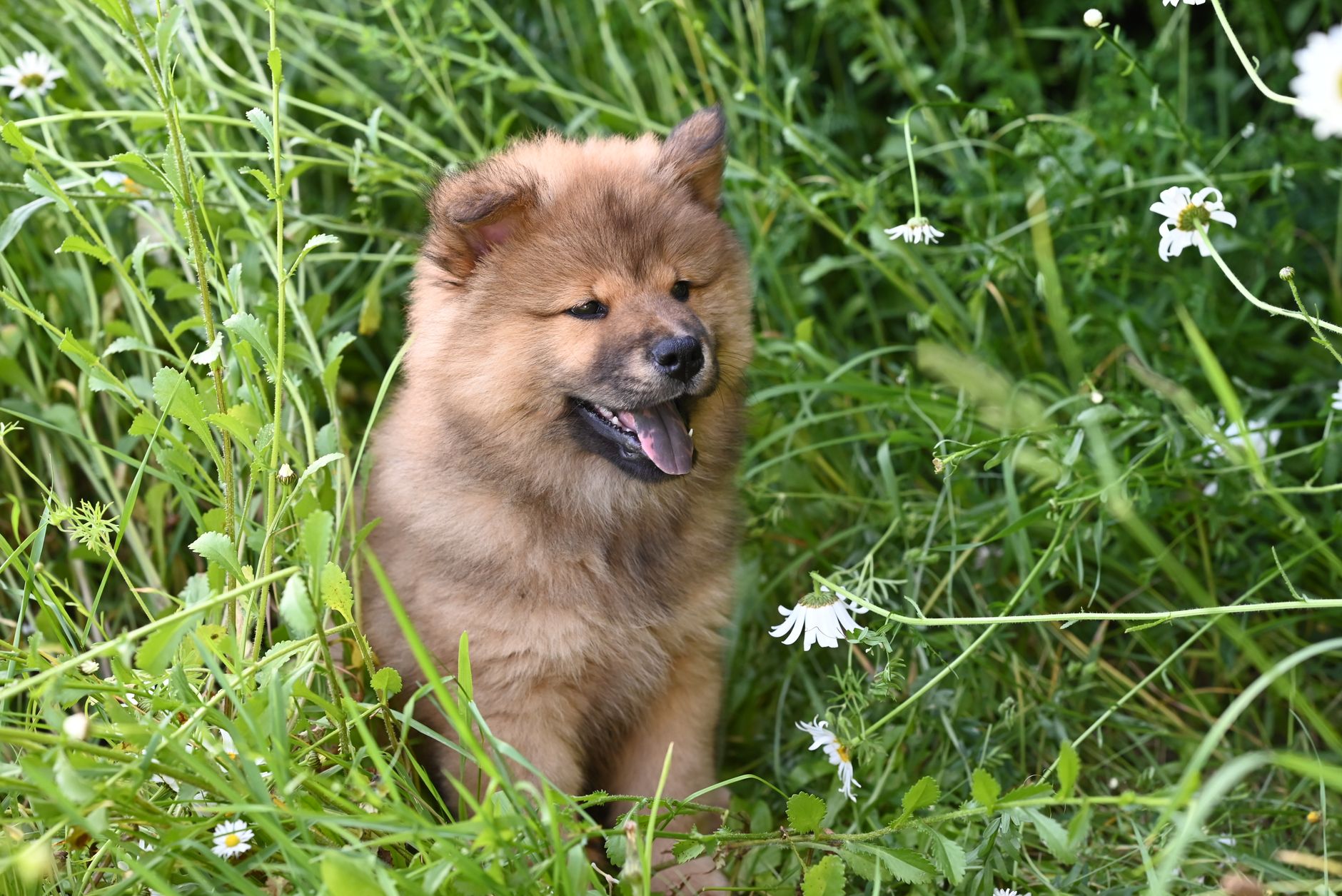
The primary factor determining whether a puppy is half-grown by 5 months is its expected adult size, classified into the following broad categories:
- Toy Breeds: (e.g., Chihuahuas, Pomeranians) Reach near-adult size by 6-9 months.
- Small Breeds: (e.g., Jack Russell Terriers, French Bulldogs) Reach near-adult size by 9-12 months.
- Medium Breeds: (e.g., Border Collies, American Staffordshire Terriers) Reach near-adult size by 12-15 months.
- Large Breeds: (e.g., Labrador Retrievers, German Shepherds) Reach near-adult size by 15-18 months.
- Giant Breeds: (e.g., Great Danes, Irish Wolfhounds) Can take up to 2 years to reach full maturity.
Therefore, is a puppy half grown by 5 months? The answer varies considerably across these size groups. Toy and small breeds are far closer to their adult size at 5 months than large or giant breeds.
Growth Plates: The Key to Understanding Skeletal Development
Puppies’ bones grow through specialized areas called growth plates (epiphyseal plates). These plates are areas of cartilage near the ends of long bones that allow for bone lengthening. They remain open until the puppy reaches skeletal maturity, at which point they close. Premature closure due to injury or improper nutrition can lead to significant health problems.
A significant portion of a puppy’s adult height and length is achieved during the first few months of life. While specific timelines vary, generally:
- Toy and small breeds experience the fastest growth early on, with growth plates closing relatively early.
- Large and giant breeds experience more sustained growth, with growth plates remaining open for a longer period. This extended growth period makes them more vulnerable to growth-related problems.
Nutritional Needs: Fueling the Growth
Proper nutrition is critical during a puppy’s rapid growth phase. Overfeeding, especially with diets too high in calcium and energy, can cause skeletal abnormalities, particularly in large and giant breeds. Conversely, underfeeding can stunt growth and lead to other health problems. The right puppy food should be formulated specifically for the breed size.
Here’s a simple guide:
| Breed Size | Dietary Considerations |
|---|---|
| Toy/Small | Frequent, small meals; avoid overfeeding; ensure adequate calcium. |
| Medium | Controlled portions; balanced calcium-phosphorus ratio. |
| Large/Giant | Controlled portions; lower calcium levels; avoid rapid weight gain; joint support. |
Monitoring Growth: Keeping Track of Progress
While exact predictions are impossible, you can monitor your puppy’s growth by tracking their weight and height. Your veterinarian can provide breed-specific growth charts to help you assess whether your puppy is on track. Palpating the ribs is also helpful. You should be able to feel the ribs easily with a slight covering of fat.
Potential Growth Problems: Awareness and Prevention
Rapid growth, especially in large breeds, can lead to various orthopedic problems, including:
- Hip Dysplasia: Malformation of the hip joint.
- Elbow Dysplasia: Malformation of the elbow joint.
- Osteochondrosis Dissecans (OCD): Cartilage flap formation in joints.
- Panosteitis (Growing Pains): Inflammation of the long bones.
Early diagnosis and management are crucial for mitigating these problems. Preventing overfeeding and providing appropriate exercise are critical preventative measures.
Exercise Considerations: Protecting Developing Joints
Appropriate exercise is essential for puppy development. However, excessive or high-impact exercise can damage developing joints, especially in large breeds. Avoid:
- Forced running on hard surfaces.
- Excessive jumping.
- Strenuous hiking.
Opt for short, frequent walks and supervised play on soft surfaces.
The Impact of Genetics: Nature’s Blueprint
Genetics play a significant role in determining a puppy’s ultimate size and growth rate. While proper nutrition and exercise are crucial, a puppy’s genetic predisposition will largely dictate its potential. Understanding the breed’s typical size and growth pattern is essential.
Emotional Maturity: Beyond Physical Growth
While physical growth is a primary focus when discussing Is a puppy half grown by 5 months?, it’s important to consider emotional maturity. Even if a puppy is physically approaching its adult size, it may still be emotionally immature and require consistent training and socialization.
Socialization: A Crucial Component of Development
Socialization is another crucial aspect of puppy development. Exposing your puppy to various sights, sounds, people, and other animals during their critical socialization period (typically up to 16 weeks of age) is crucial for preventing behavioral problems later in life.
Ongoing Veterinary Care: A Lifelong Commitment
Regular veterinary checkups are essential for monitoring your puppy’s growth and development. Your veterinarian can assess your puppy’s overall health, provide vaccinations and parasite prevention, and address any concerns you may have.
Frequently Asked Questions (FAQs)
Can I accurately predict my puppy’s adult size at 5 months?
While it’s difficult to predict precisely, you can get a reasonable estimate based on the breed and your puppy’s current size. Online growth calculators and consultations with your veterinarian can provide further guidance. Remember that individual variations within a breed exist.
What if my puppy seems smaller or larger than other puppies of the same breed?
Normal variations occur within breeds. However, if you’re concerned about your puppy’s growth, consult your veterinarian. Underlying medical conditions or improper nutrition could be contributing factors.
What are the signs of overfeeding in a puppy?
Signs of overfeeding include difficulty feeling the ribs, a rounded abdomen, and rapid weight gain. Consult your veterinarian for guidance on appropriate feeding amounts.
What are the signs of underfeeding in a puppy?
Signs of underfeeding include visible ribs and spine, lethargy, and slow weight gain. Underfeeding can stunt growth and lead to other health problems.
Is it okay to give my puppy supplements during their growth phase?
Unless specifically recommended by your veterinarian, supplements are generally unnecessary and can even be harmful, especially if they contain excessive calcium. Always consult your veterinarian before giving your puppy any supplements.
How often should I feed my 5-month-old puppy?
The frequency depends on the breed and food type. Generally, small and medium breeds should be fed 2-3 times a day, while large and giant breeds may benefit from 3-4 smaller meals to prevent bloat. Follow your veterinarian’s recommendations.
What type of exercise is best for a 5-month-old puppy?
Short, frequent walks, supervised play on soft surfaces, and basic obedience training are ideal. Avoid strenuous activities that could strain developing joints.
How long should I continue feeding puppy food?
Continue feeding puppy food until your puppy reaches skeletal maturity, which varies depending on breed size. Consult your veterinarian for specific recommendations.
When do puppies typically lose their puppy teeth?
Puppies typically begin losing their puppy teeth around 4-6 months of age. By 7-8 months, most puppies have their adult teeth. Provide appropriate chew toys to help soothe their gums.
Is it normal for my puppy to sleep a lot?
Puppies need a lot of sleep to support their growth and development. Expect your puppy to sleep 12-16 hours per day.
What is the best way to socialize my puppy?
Expose your puppy to a variety of sights, sounds, people, and other animals in a safe and controlled environment. Enroll in puppy classes and participate in supervised playdates.
How do I choose the right puppy food?
Choose a high-quality puppy food formulated specifically for your puppy’s breed size. Look for a food that contains a balanced ratio of nutrients and is AAFCO-approved. Consult your veterinarian for specific recommendations.