

Attracting Magpies: A Guide to These Intelligent Birds
Can you attract magpies? Yes, you can attract magpies to your garden using the right food, water sources, and habitat provisions, though their territorial nature means managing expectations is key.
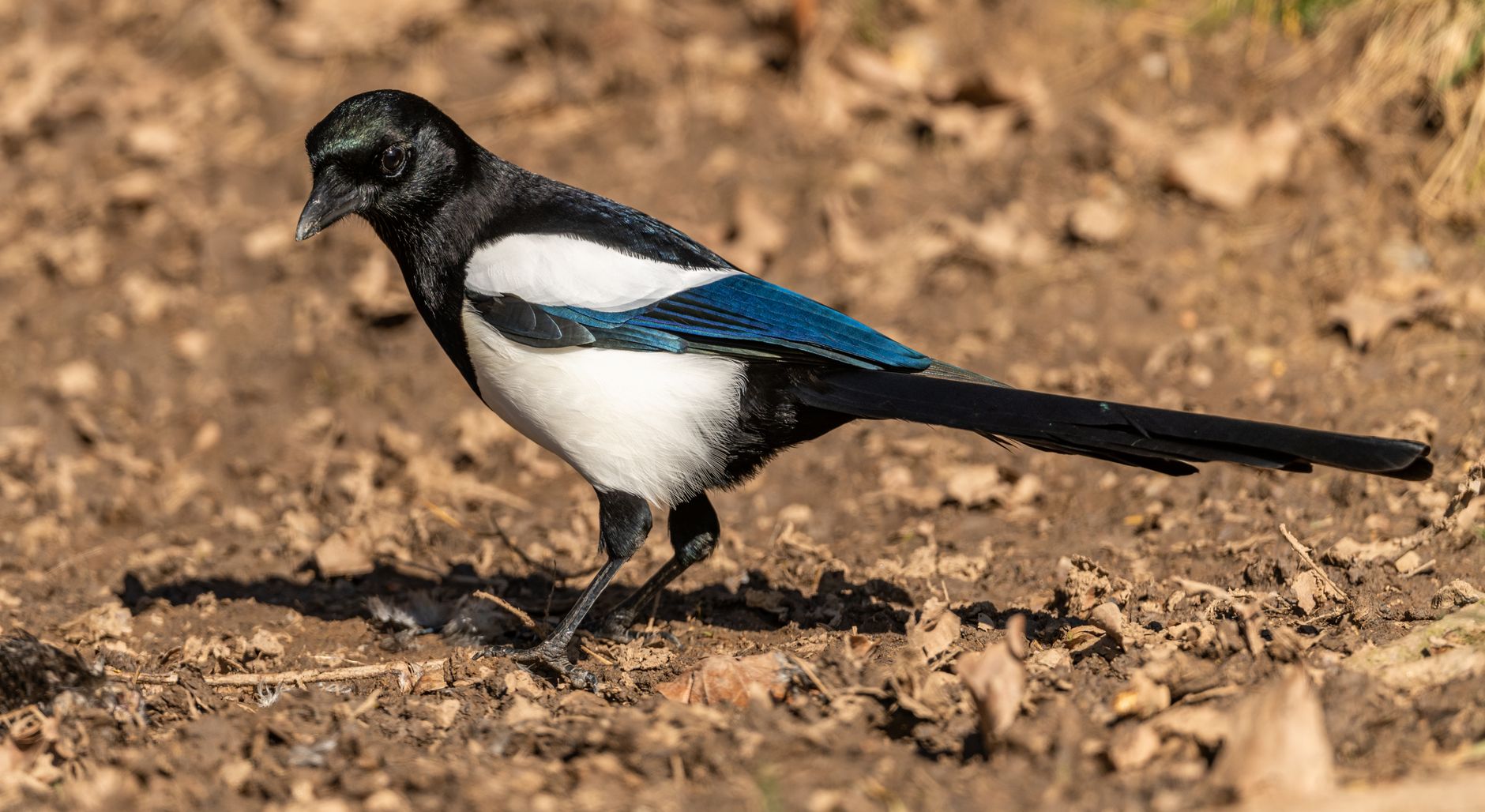
Attracting wildlife to your garden is a rewarding experience, and the intelligent and fascinating magpie is no exception. These bold birds, often misunderstood, can bring a unique character to any outdoor space. Understanding their needs and behaviors is crucial for successful attraction. While their reputation sometimes precedes them, providing the right resources can offer you the opportunity to observe these creatures up close.
Understanding Magpie Behavior
Magpies are highly intelligent birds belonging to the crow family (Corvidae). Known for their striking black and white plumage, they possess complex social structures and a curious nature. Understanding their behavior is key to attracting them ethically and sustainably.
- Intelligence: Magpies are renowned for their intelligence. They exhibit problem-solving abilities, self-recognition in mirrors, and complex communication.
- Territoriality: Magpies are fiercely territorial. They will defend their breeding territory aggressively, which can impact the number of magpies that visit your garden.
- Omnivorous Diet: Magpies have a diverse diet, including insects, seeds, fruits, carrion, and small animals. This adaptability makes attracting them easier.
- Social Behavior: Magpies often live in pairs or small family groups, though they can also form larger flocks, particularly outside of the breeding season.

What colours are fish most attracted to?
Can you put your finger in a trout's mouth?
Is methylene blue anti bacterial?
Does aquarium salt raise pH in aquarium?
Providing the Right Food

Attracting magpies starts with providing the right food sources. Offer a variety of options to cater to their omnivorous diet.
- Meat Scraps: Small pieces of cooked meat, such as leftover chicken or beef, are highly attractive. Avoid seasoned or processed meats.
- Fruits: Offer chopped fruits like apples, berries, and grapes. These provide essential vitamins and minerals.
- Insects: Mealworms, available from pet stores or online, are a great source of protein. Live or dried mealworms are suitable.
- Seeds and Nuts: Sunflower seeds, peanuts, and other nuts can be offered, though magpies prefer meatier options.
- Eggs: Hard-boiled eggs, chopped into small pieces, are a rich source of protein and calcium.
Present the food in a bird table or on the ground. Regularly clean the feeding area to prevent the spread of disease.
Water Sources
Access to fresh water is crucial for attracting magpies and other wildlife.
- Bird Bath: A shallow bird bath provides a safe place for magpies to drink and bathe.
- Pond: If you have a pond, ensure there are shallow areas where magpies can access the water easily.
- Water Dish: A simple dish filled with water, cleaned regularly, can suffice.
Ensure the water source is clean and accessible, especially during hot weather and freezing temperatures.
Creating a Suitable Habitat
Providing a suitable habitat will make your garden more attractive to magpies.
- Trees and Shrubs: Plant trees and shrubs to provide shelter and nesting sites.
- Nesting Material: Offer nesting material such as twigs, leaves, and feathers.
- Natural Food Sources: Encourage natural food sources by allowing some areas of your garden to grow wild, attracting insects.
Creating a diverse and natural environment will increase the likelihood of attracting magpies.
Common Mistakes When Attracting Magpies
Avoiding common mistakes is crucial for successful and ethical magpie attraction.
- Overfeeding: Avoid overfeeding magpies, as this can create dependence and attract unwanted pests.
- Unsuitable Food: Do not offer salty, sugary, or processed foods, as these are harmful to birds.
- Dirty Feeding Areas: Regularly clean feeding areas to prevent the spread of disease.
- Disturbing Nests: Avoid disturbing magpie nests, especially during the breeding season.
- Encouraging Aggression: Do not encourage magpies to become overly bold or aggressive towards other birds or pets.
Ethical Considerations
Attracting wildlife requires ethical considerations.
- Sustainability: Ensure your efforts are sustainable and do not negatively impact the local ecosystem.
- Respect: Respect the natural behavior of magpies and avoid interfering with their lives.
- Safety: Prioritize the safety of both magpies and your pets.
- Community: Be mindful of your neighbors and avoid attracting excessive numbers of magpies that could cause disturbance.
By following these guidelines, you can enjoy the presence of magpies in your garden responsibly.
Understanding Local Regulations
Before actively trying to attract magpies, it’s important to understand any local regulations regarding bird feeding or wildlife management. Some areas may have restrictions in place to prevent nuisance wildlife issues. Check with your local council or wildlife authorities to ensure you’re following all applicable rules. Knowing and abiding by these regulations helps ensure a harmonious coexistence with these intelligent birds and your community.
| Aspect | Considerations |
|---|---|
| Legal Restrictions | Local ordinances on feeding wildlife |
| Ethical Considerations | Impacts on local ecosystems and other species |
| Community Concerns | Potential nuisance to neighbors |
Frequently Asked Questions About Attracting Magpies
Why should I attract magpies to my garden?
Attracting magpies can offer a fascinating opportunity to observe these intelligent and beautiful birds up close. They contribute to the ecosystem by controlling insect populations and scavenging carrion. Observing their complex social behavior and problem-solving skills is a rewarding experience.
What is the best time of year to start attracting magpies?
The best time to start attracting magpies is during the autumn and winter months when natural food sources are scarce. Providing food during these months will encourage them to visit your garden regularly throughout the year.
What should I avoid feeding magpies?
Avoid feeding magpies salty, sugary, or processed foods, as these are harmful to their health. Never give them chocolate, as it is toxic to birds. Bread offers very little nutritional value and can lead to health problems.
How can I prevent magpies from becoming too reliant on my feeding?
Offer food in moderation and supplement natural food sources in your garden. Avoid providing food year-round to encourage them to forage naturally. Reduce feeding gradually during spring and summer.
How can I keep other birds safe from magpies in my garden?
Provide plenty of cover for smaller birds, such as dense shrubs and trees. Offer food in different locations to minimize competition. Monitor magpie behavior and intervene if necessary.
Are magpies a threat to songbirds?
Magpies can predate songbird nests, but this is a natural part of the ecosystem. Providing suitable nesting habitat for songbirds can help them avoid predation. A balanced ecosystem will support both magpies and songbirds.
How do I stop magpies from stealing food from other bird feeders?
Use feeders that are designed to be magpie-resistant, such as those with cages or weighted perches. Offer food in different locations to minimize competition. Regularly monitor feeding areas.
How can I provide water for magpies in winter?
Provide a bird bath with a heater or replace the water regularly to prevent it from freezing. Ensure the water is easily accessible and shallow enough for them to drink safely. A heated bird bath is an ideal solution.
What kind of nesting habitat do magpies prefer?
Magpies prefer dense, thorny bushes or trees for nesting. They build large, dome-shaped nests made of twigs and mud. Providing suitable nesting sites can encourage them to breed in your garden.
How can I tell the difference between male and female magpies?
Male and female magpies look very similar. There is no obvious difference in their plumage. During breeding season, males may display more territorial behavior.
What should I do if I find an injured magpie?
Contact a local wildlife rescue organization or veterinarian for advice. Do not attempt to treat the injured bird yourself. They will be able to provide appropriate care.
Can you attract magpies without causing problems for my neighbors?
Feed magpies responsibly, avoid overfeeding, and keep feeding areas clean. Communicate with your neighbors and address any concerns they may have. Being considerate can help prevent conflicts.