

Why is my Bird Making Weird Breathing Noises?
Your bird’s strange breathing sounds could signal a serious respiratory problem demanding immediate attention. The noises often indicate an obstruction, infection, or other underlying health issue impacting their ability to breathe properly, highlighting the urgency of determining “Why is my bird making weird breathing noises?“

Introduction: Deciphering Your Bird’s Breathing
As a dedicated avian veterinarian with over 20 years of experience, I often hear panicked questions from bird owners: “Why is my bird making weird breathing noises?” These unusual sounds can range from subtle clicks to pronounced wheezes, and understanding their potential causes is crucial for your feathered friend’s health and well-being. Early detection and appropriate treatment can significantly improve outcomes. This article will guide you through the common reasons behind these noises, helping you identify potential problems and seek timely veterinary care.
Common Breathing Noises and Their Potential Causes
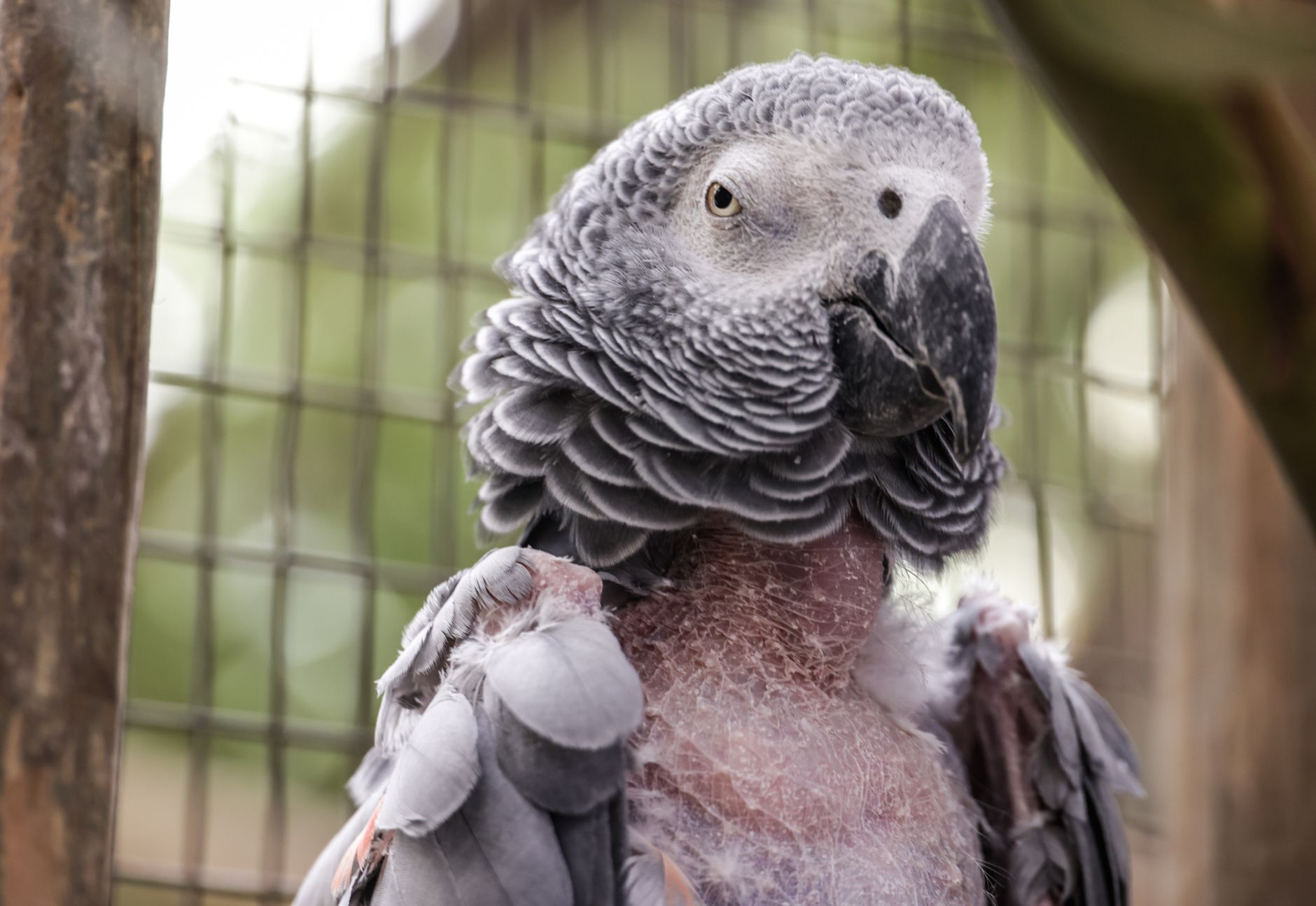
Identifying the specific type of noise is the first step in understanding the potential problem. Each sound can point towards different underlying issues.
- Clicking: Often indicates air sac mites or other respiratory parasites.
- Wheezing: Suggests inflammation or narrowing of the airways, potentially due to allergies, infections, or foreign bodies.
- Sneezing: Can be caused by dust, allergies, or upper respiratory infections.
- Coughing: May indicate a lower respiratory infection or the presence of a foreign body.
- Rattling: Points towards fluid in the lungs or air sacs, often associated with pneumonia or air sacculitis.
- Open-mouth breathing: Especially if accompanied by tail bobbing, is a sign of severe respiratory distress.
- Voice change: Indicates that the syrinx (bird’s voice box) is being affected which is often due to an infection or inflammation.
Potential Underlying Causes
Several factors can contribute to your bird’s unusual breathing sounds. Determining the root cause is essential for effective treatment.
- Respiratory Infections: Bacterial, fungal, or viral infections can all affect the respiratory system.
- Air Sac Mites: These tiny parasites infest the air sacs, causing inflammation and breathing difficulties.
- Aspergillosis: A fungal infection commonly affecting birds, particularly those with weakened immune systems.
- Pneumonia: Inflammation of the lungs, often caused by bacterial or fungal infections.
- Foreign Bodies: Seeds, food particles, or other objects can become lodged in the trachea or syrinx.
- Allergies: Dust, pollen, or certain chemicals can trigger allergic reactions, leading to respiratory inflammation.
- Environmental Toxins: Smoke, fumes, and cleaning products can irritate the respiratory system.
- Tumors: Masses in the respiratory tract can obstruct airflow.
- Hypovitaminosis A: Vitamin A deficiency can weaken the immune system and increase susceptibility to respiratory infections.
Recognizing Signs of Respiratory Distress
Beyond the unusual noises, several other symptoms can indicate respiratory distress. These signs warrant immediate veterinary attention:
- Tail bobbing: Exaggerated up-and-down movement of the tail with each breath.
- Open-mouth breathing: Gasping for air.
- Lethargy: Decreased activity and energy levels.
- Fluffed feathers: A sign of illness and discomfort.
- Loss of appetite: Reduced food intake.
- Cyanosis: Bluish discoloration of the skin or mucous membranes (around the eyes or beak), indicating a lack of oxygen.
- Discharge from the nostrils or eyes: Sign of infection or allergies.
What to Do If Your Bird is Making Weird Breathing Noises
If you notice your bird making unusual breathing sounds, take the following steps:
- Observe carefully: Note the type of noise, any accompanying symptoms, and the timing of the problem.
- Isolate the bird: Separate the affected bird from other birds to prevent potential spread of infection.
- Provide warmth: Ensure the bird is in a warm, draft-free environment.
- Consult a veterinarian: Schedule an appointment with an avian veterinarian as soon as possible.
- Do not self-treat: Avoid administering any medications without veterinary guidance.
Diagnostic Procedures
Your avian veterinarian will conduct a thorough examination and may recommend several diagnostic tests to determine the cause of the breathing noises. These tests may include:
- Physical examination: Assessing the bird’s overall health and listening to the lungs and air sacs.
- Radiographs (X-rays): To visualize the respiratory tract and identify any abnormalities.
- Blood tests: To assess organ function and detect signs of infection.
- Gram stain and culture: To identify bacterial or fungal infections.
- Tracheal wash: Collecting a sample from the trachea to identify pathogens or parasites.
- Endoscopy: Using a small camera to visualize the respiratory tract.
Treatment Options
Treatment options depend on the underlying cause of the breathing noises. Common treatments include:
- Antibiotics: For bacterial infections.
- Antifungals: For fungal infections such as Aspergillosis.
- Anti-parasitics: For air sac mites and other respiratory parasites.
- Bronchodilators: To open up the airways.
- Nebulization: Delivering medication directly to the respiratory system via inhalation.
- Oxygen therapy: To support breathing in severe cases.
- Surgery: In cases of foreign bodies or tumors.
Preventive Measures
You can take several steps to help prevent respiratory problems in your bird:
- Maintain a clean environment: Regularly clean the cage and food and water dishes.
- Provide a balanced diet: Ensure your bird receives a nutritious diet rich in vitamins and minerals.
- Minimize exposure to toxins: Avoid using strong cleaning products, aerosols, and smoke near your bird.
- Quarantine new birds: Isolate new birds for at least 30 days to prevent the spread of disease.
- Regular veterinary check-ups: Schedule annual check-ups with an avian veterinarian.
- Humidification: If air is very dry, use a humidifier to maintain adequate humidity levels.

Frequently Asked Questions (FAQs)
What are air sac mites, and how do they affect birds?
Air sac mites are tiny parasites that infest the air sacs of birds, causing inflammation and difficulty breathing. They are common in finches and canaries, and symptoms include clicking noises, open-mouth breathing, and weight loss. Treatment typically involves the use of anti-parasitic medications prescribed by a veterinarian. Preventing spread relies on good sanitation of cages.
How can I tell if my bird has Aspergillosis?
Aspergillosis is a fungal infection that can affect the respiratory system, causing symptoms such as wheezing, coughing, and labored breathing. Other signs include lethargy, weight loss, and loss of appetite. Diagnosis typically involves blood tests and radiographs. Treatment requires long-term antifungal medication and supportive care.
What should I do if I suspect my bird has a foreign body in its trachea?
If you suspect a foreign body, seek immediate veterinary attention. A veterinarian can use an endoscope or other instruments to remove the object safely. Do not attempt to remove it yourself, as you could cause further damage.
Can allergies cause breathing problems in birds?
Yes, birds can be allergic to dust, pollen, mold, and other airborne allergens. Allergic reactions can cause inflammation of the airways, leading to sneezing, coughing, and difficulty breathing. Identifying and eliminating the allergen is crucial, and your veterinarian may recommend antihistamines or other medications to manage the symptoms.
Are some bird species more prone to respiratory problems than others?
Yes, certain species are more susceptible to respiratory problems. Canaries and finches are prone to air sac mites, while parrots are often affected by Aspergillosis. Maintaining good hygiene and providing appropriate environments can help reduce the risk in susceptible species.
What is the significance of tail bobbing in birds with breathing difficulties?
Tail bobbing is a significant sign of respiratory distress. The exaggerated up-and-down movement of the tail indicates that the bird is working hard to breathe. This warrants immediate veterinary attention, as it could indicate a severe respiratory problem requiring immediate treatment.
How can I prevent respiratory infections in my birds?
Preventive measures include maintaining a clean environment, providing a balanced diet, minimizing exposure to toxins, quarantining new birds, and scheduling regular veterinary check-ups. Ensuring proper ventilation and humidity levels can also help prevent respiratory infections.
What is the role of nebulization in treating respiratory problems in birds?
Nebulization involves delivering medication directly to the respiratory system in the form of a fine mist. This allows for targeted treatment of respiratory infections and inflammation. Nebulizers can be used with antibiotics, antifungals, bronchodilators, and other medications.
Why is it important to see an avian veterinarian if my bird has breathing problems?
Avian veterinarians have specialized knowledge and experience in treating birds. They can accurately diagnose the underlying cause of the breathing problems and provide appropriate treatment. General practice veterinarians may not have the necessary expertise to effectively treat avian respiratory issues.
Can stress contribute to breathing problems in birds?
Yes, stress can weaken the immune system and make birds more susceptible to respiratory infections. Minimizing stress by providing a stable environment, adequate enrichment, and appropriate social interaction can help prevent respiratory problems.
What kind of environmental toxins should I avoid exposing my bird to?
Avoid exposing your bird to smoke, fumes from cleaning products (especially aerosol sprays), perfumes, air fresheners, and Teflon cookware fumes. These toxins can irritate the respiratory system and lead to breathing problems.
How quickly should I seek veterinary care if I notice my bird making weird breathing noises?
If you notice any unusual breathing noises, open-mouth breathing, tail bobbing, or other signs of respiratory distress, seek veterinary care immediately. Respiratory problems can quickly become life-threatening in birds, so early intervention is critical. Delaying treatment can significantly worsen the prognosis.