
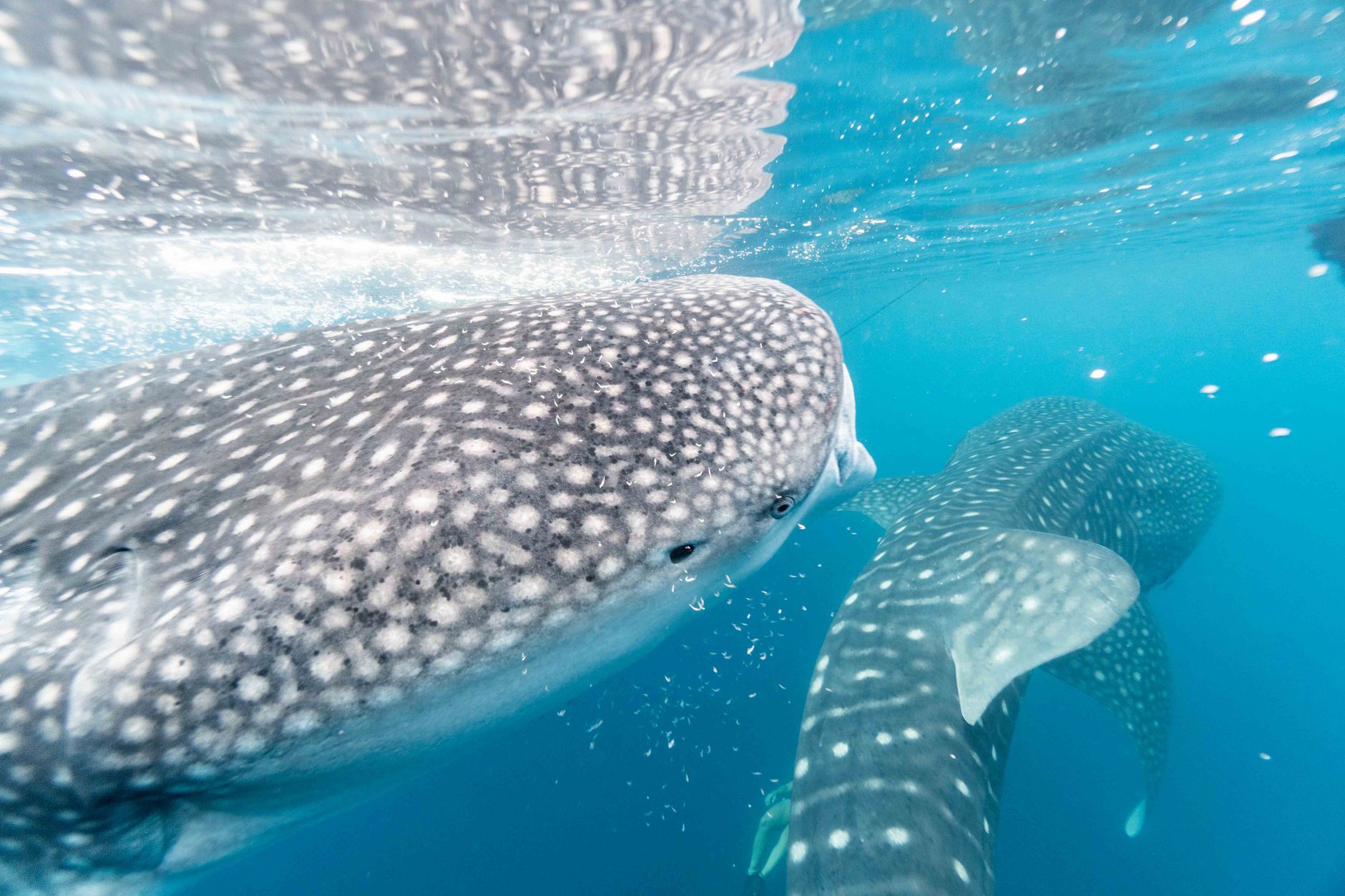
Can Whale Sharks Be Aggressive? Unveiling the Gentle Giant’s True Nature
The answer is a resounding no. Whale sharks are incredibly docile filter feeders; despite their immense size, they pose virtually no threat to humans and are not inherently aggressive.
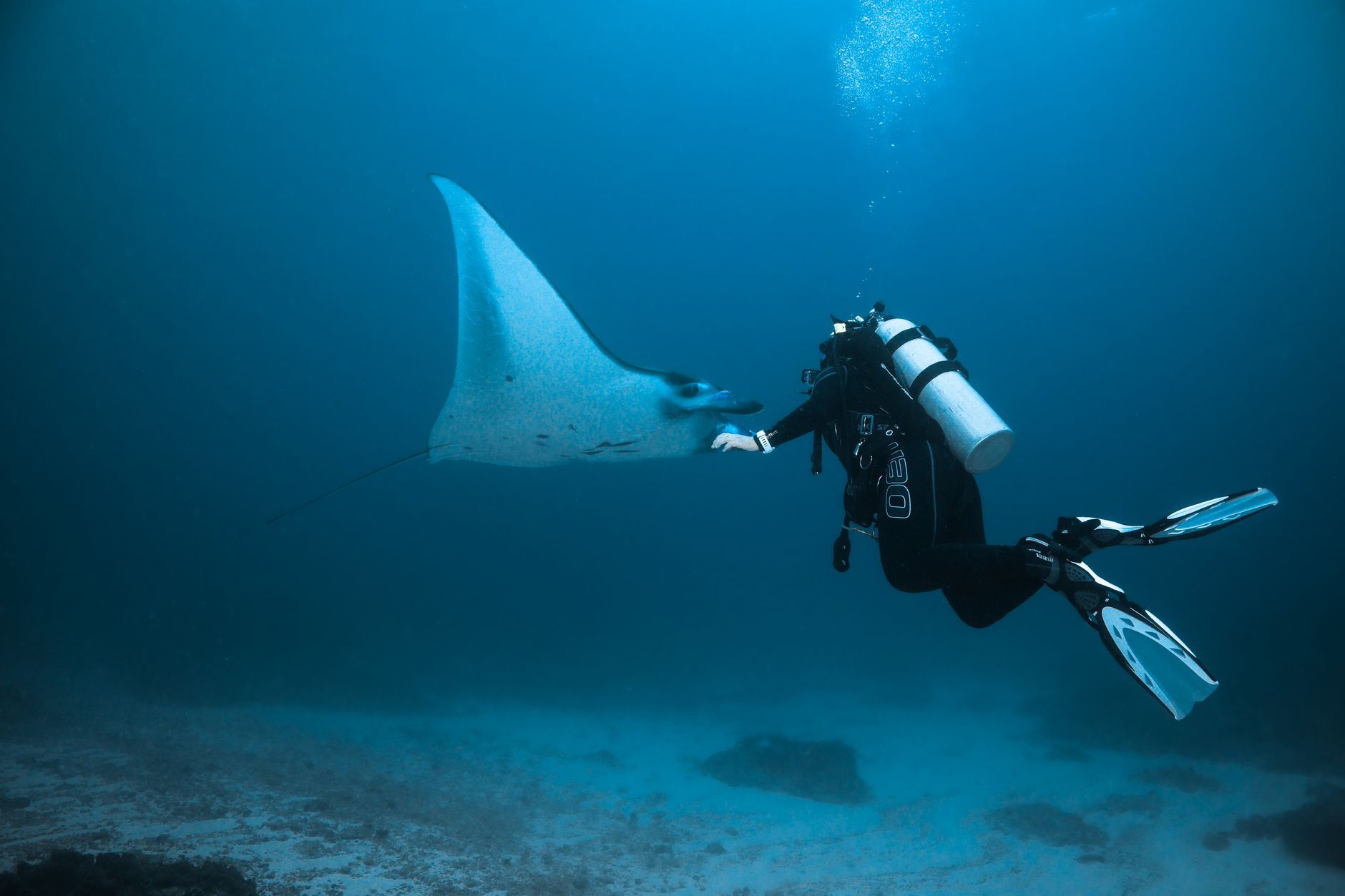
Introduction: Decoding the Whale Shark’s Reputation
Whale sharks, the largest fish in the world, inspire awe and wonder. Their sheer size, often exceeding 40 feet in length, can understandably lead to misconceptions. The question, Can whale sharks be aggressive?, often arises due to their massive stature, but understanding their biology and behavior quickly dispels this myth. They are gentle giants, plankton-eating creatures that are more interested in tiny marine organisms than larger prey.

What colours are fish most attracted to?
Can you put your finger in a trout's mouth?
Is methylene blue anti bacterial?
Does aquarium salt raise pH in aquarium?
Understanding Whale Shark Behavior

To understand why these creatures are not aggressive, it’s essential to delve into their feeding habits and overall behavior. Whale sharks are filter feeders, meaning they primarily consume plankton, small fish, and occasionally, larger organisms like squid or jellyfish.
- Filter Feeding: They swim with their mouths open, filtering massive amounts of water for food.
- Passive Nature: Their interactions with humans are generally passive and curious.
- Solitary Animals (Mostly): While they sometimes congregate in feeding areas, they are generally solitary animals, not prone to territorial disputes.
Physical Capabilities vs. Predatory Instincts
While a whale shark could potentially injure someone accidentally due to its size, it lacks the physical attributes and inherent drive required for predatory behavior. They have relatively small teeth, unsuited for tearing flesh, and their powerful tails are used for propulsion, not aggression. Can whale sharks be aggressive? Their anatomy itself answers that question.
Consider the following comparison:
| Feature | Whale Shark | Aggressive Shark (e.g., Great White) |
|---|---|---|
| Diet | Plankton, small fish | Seals, large fish |
| Teeth | Small, non-functional | Large, serrated |
| Feeding Style | Filter feeding | Predatory hunting |
| Temperament | Docile, curious | Predatory, territorial |
Misconceptions and Sensationalism
Often, media portrayals sensationalize marine life, creating a false perception of danger. The phrase “Can whale sharks be aggressive?” might get searched more if accompanied by a dramatic image, but the reality is far less sensational. It’s crucial to rely on scientific data and observed behavior rather than fear-mongering headlines.
Safe Interaction Guidelines
If you encounter a whale shark in the wild, following safe interaction guidelines is crucial for both your safety and the animal’s well-being.
- Maintain Distance: Keep a respectful distance (at least 10 feet).
- Avoid Touching: Never touch or attempt to ride a whale shark.
- No Flash Photography: Flash photography can disturb them.
- Use Reef-Safe Sunscreen: Protect the marine environment.
- Follow Local Regulations: Adhere to local guidelines and regulations regarding whale shark encounters.
Conservation Status and Threats
Understanding the whale shark’s vulnerability is crucial. Despite not being aggressive, they face numerous threats, including:
- Fishing: Accidental capture in fishing nets (bycatch).
- Hunting: Targeted hunting in some regions for their fins and meat.
- Boat Strikes: Injuries from boat propellers.
- Pollution: Ingestion of plastics and exposure to pollutants.
Frequently Asked Questions (FAQs) about Whale Shark Aggression
Are whale sharks dangerous to humans?
No, whale sharks are not dangerous to humans. They are incredibly docile and pose little to no threat. Their filter-feeding lifestyle means they have no interest in preying on humans.
Have there ever been any reported attacks by whale sharks?
There are no credible reports of unprovoked attacks by whale sharks on humans. Injuries are extremely rare and typically occur due to accidental contact with their large bodies or tails.
What should I do if I encounter a whale shark while swimming or diving?
Stay calm, maintain a respectful distance, and enjoy the experience. Avoid touching the animal and refrain from using flash photography. Following these simple guidelines ensures a safe and memorable encounter.
Do whale sharks have teeth?
Yes, they do have teeth, but they are tiny and non-functional. They are not used for feeding or defense.
Are whale sharks territorial?
Whale sharks are not territorial animals. They generally roam vast distances in search of food and do not defend specific areas.
Do whale sharks ever exhibit aggressive behavior towards each other?
While they may occasionally compete for food in crowded feeding areas, whale sharks rarely display aggressive behavior towards each other. These interactions are typically mild and non-threatening.
What do whale sharks eat?
Whale sharks primarily feed on plankton, small fish, and crustaceans. They are filter feeders, consuming massive quantities of these organisms.
How big can whale sharks get?
Whale sharks can grow to over 40 feet in length and weigh over 47,000 pounds. They are the largest fish in the world.
Are whale sharks endangered?
Whale sharks are currently listed as endangered by the International Union for Conservation of Nature (IUCN). Their populations are threatened by fishing, hunting, and habitat degradation.
Can whale sharks be kept in captivity?
While some aquariums house whale sharks, there are ethical concerns surrounding their captivity. Their immense size and migratory nature make it challenging to provide them with adequate living conditions.
Where are whale sharks typically found?
Whale sharks are found in tropical and warm-temperate waters around the world. They often congregate in specific areas during certain times of the year.
Is it ethical to swim with whale sharks?
Swimming with whale sharks can be an ethical activity if done responsibly. Choose tour operators who prioritize the animals’ welfare and follow sustainable practices.