

Do Foxes or Coyotes Eat Cats? Understanding the Risks
Coyotes are the more significant threat to cats, frequently preying on them, while foxes are less likely to view cats as a primary food source, though they may attack in certain circumstances. The interaction between these predators and domestic felines depends on factors like territory, food scarcity, and individual animal behavior.

Understanding the Predatory Relationship
The relationship between foxes, coyotes, and cats is complex and varies geographically. Understanding the dynamics involves considering several factors, including the animals’ natural diets, territorial behaviors, and the availability of other food sources. While it’s a harsh reality, domestic cats can, under certain conditions, become prey for both foxes and coyotes.

What is the GREY African clawed frog?
Is distilled water good for goldfish?
What colours are fish most attracted to?
Can you put your finger in a trout's mouth?
Coyotes: A Significant Threat to Cats
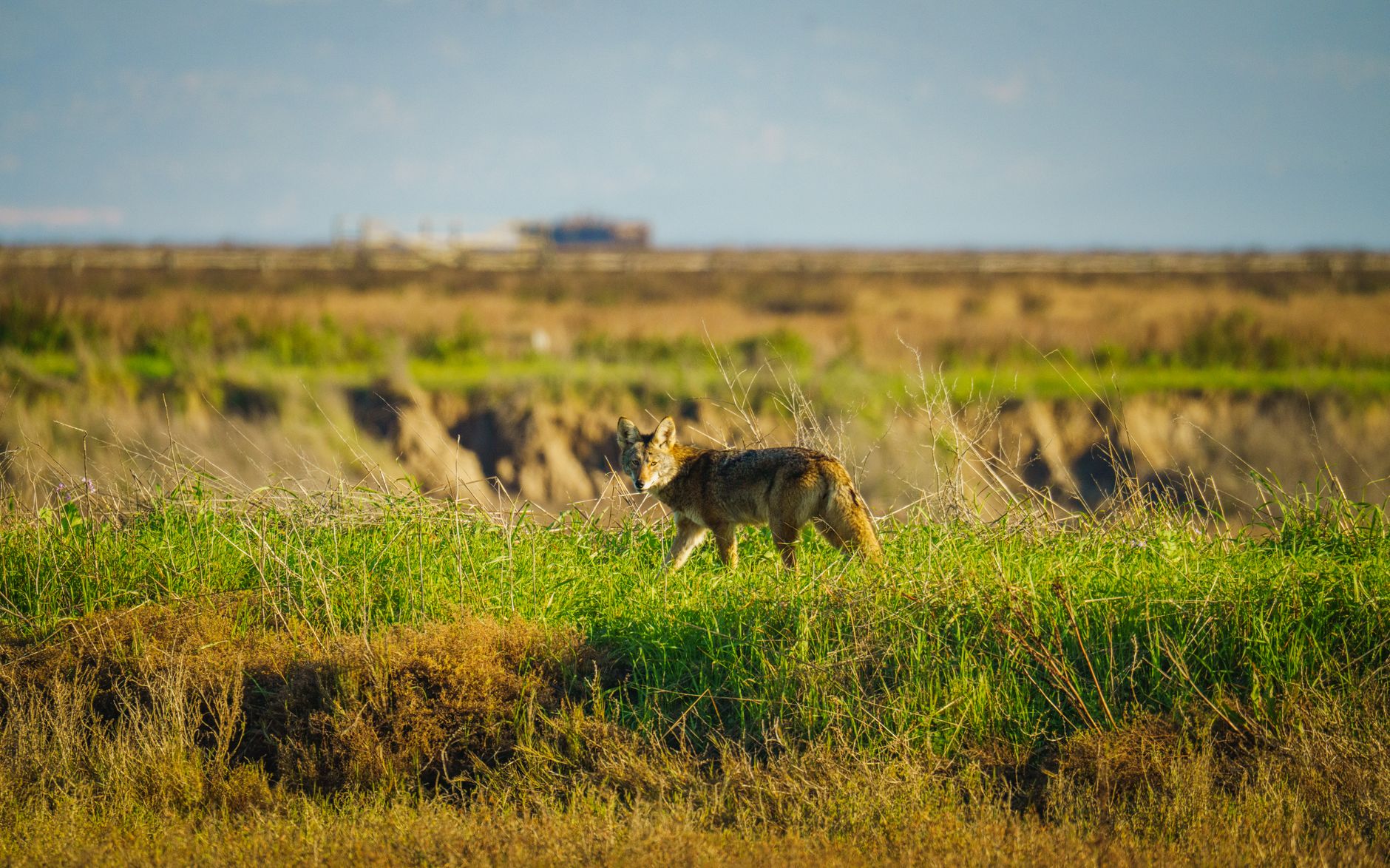
Coyotes are opportunistic predators with a broad diet. They are primarily carnivores and scavengers, and they are frequently found in suburban and urban areas, where they have adapted to living alongside humans.
- Dietary Habits: Coyotes will eat almost anything, including small mammals, birds, reptiles, insects, and even fruit. This opportunistic approach also includes domestic animals like cats and small dogs.
- Territoriality: Coyotes are highly territorial, and they will aggressively defend their hunting grounds from intruders. This can lead to direct conflicts with cats, especially if a cat wanders into a coyote’s territory.
- Hunting Behavior: Coyotes are skilled hunters and often hunt in packs. This makes them particularly effective at catching prey, including elusive animals like cats.
Foxes: A Less Frequent Threat
Foxes are generally smaller and less aggressive than coyotes. Their diet primarily consists of small rodents, rabbits, birds, and insects. While foxes are capable of killing cats, they are less likely to view them as a primary food source.
- Dietary Habits: Foxes generally prefer smaller prey. While they may occasionally prey on kittens or small cats, adult cats are generally too large and formidable for them to target regularly.
- Territoriality: Foxes are also territorial, but they tend to be less aggressive than coyotes. Encounters with cats may be more about establishing dominance than outright predation.
- Opportunistic Behavior: Like coyotes, foxes are opportunistic. If a cat is injured or weakened, a fox may take the opportunity to prey on it.
Factors Influencing Predation
Several factors can influence whether foxes or coyotes eat cats:
- Food Scarcity: During times of food scarcity, predators may be more likely to target larger prey, including cats.
- Location: Cats living in rural or suburban areas with high coyote or fox populations are at a higher risk.
- Cat’s Behavior: Outdoor cats that roam freely are more vulnerable than cats that are kept indoors.
- Age and Size of the Cat: Kittens and smaller cats are more vulnerable than larger, adult cats.
Protective Measures for Cat Owners
Protecting your cat from predation by foxes or coyotes requires proactive measures.
- Keep Cats Indoors: The simplest and most effective way to protect your cat is to keep it indoors, especially at night when predators are most active.
- Secure Outdoor Enclosures: If your cat must be outdoors, provide a secure enclosure such as a catio or fenced yard.
- Supervise Outdoor Time: If you allow your cat outside, always supervise it.
- Eliminate Food Sources: Remove any potential food sources from your yard that may attract predators, such as pet food, garbage, or bird feeders.
- Motion-Activated Lights and Sprinklers: These deterrents can startle and discourage predators from entering your property.
Understanding the Role of the Ecosystem
It’s also important to understand the role of these animals in the ecosystem. Foxes and coyotes help control populations of rodents and other small animals, which can benefit humans by reducing the spread of diseases and protecting crops. Coexistence involves understanding their behavior and taking steps to minimize conflict.
Comparing the Threat: Foxes vs. Coyotes
The following table summarizes the relative threat levels posed by foxes and coyotes to cats.
| Factor | Foxes | Coyotes |
|---|---|---|
| Size | Smaller | Larger |
| Diet | Primarily rodents, birds, insects | Opportunistic; includes larger mammals |
| Aggression | Generally less aggressive | More aggressive |
| Predation Risk | Lower (mostly kittens or weakened cats) | Higher (adult cats are frequently targeted) |
| Geographic Range | Varies; often suburban and rural areas | Widespread; adaptable to urban environments |
Frequently Asked Questions (FAQs)
Are coyotes more likely to eat cats than foxes?
Yes, coyotes are significantly more likely to prey on cats than foxes. Coyotes are larger and more aggressive predators, and cats fall within their typical prey size range. Foxes generally prefer smaller prey like rodents and birds.
What time of day are cats most at risk from foxes and coyotes?
Cats are most at risk at dawn and dusk, which are the peak activity periods for both foxes and coyotes. These predators are also more active at night. Keeping cats indoors during these times significantly reduces their risk of encounters.
Can a cat defend itself against a fox or coyote?
While a cat may defend itself, its chances of success are limited. Adult cats can sometimes deter a fox, but a coyote is a much more formidable opponent. Kittens and smaller cats are particularly vulnerable.
Do coyotes and foxes live in urban areas?
Yes, both foxes and coyotes have adapted to living in urban and suburban environments. They are often attracted by readily available food sources, such as garbage, pet food, and rodents. This close proximity increases the risk of encounters with domestic animals.
What should I do if I see a coyote or fox in my yard?
If you see a coyote or fox in your yard, do not approach it. Make noise, such as yelling or banging pots and pans, to scare it away. Report any aggressive behavior to your local animal control.
Is there anything I can plant in my yard to deter foxes or coyotes?
While no plant guarantees deterrence, certain thorny or dense shrubs may discourage predators from entering your yard. However, the most effective deterrents are physical barriers like fences and keeping the area clean of food sources.
Does the breed of cat affect its risk of predation?
Not significantly. While a larger, more muscular cat might stand a slightly better chance in a confrontation, all cats are vulnerable to predation by coyotes and, to a lesser extent, foxes, regardless of breed.
Are indoor/outdoor cats at a higher risk than strictly indoor cats?
Absolutely. Indoor/outdoor cats are at a significantly higher risk of predation than strictly indoor cats. Outdoor cats are exposed to the dangers of the natural environment, including predators, traffic, and disease.
How can I make my yard less attractive to foxes and coyotes?
To make your yard less attractive, remove potential food sources, such as pet food, garbage, and bird feeders. Keep your yard clean and free of clutter, which can provide hiding places for predators. Secure your garbage cans and compost piles.
What should I do if my cat is attacked by a fox or coyote?
If your cat is attacked, seek immediate veterinary care. Even if the injuries appear minor, there is a risk of infection. Report the incident to your local animal control.
Are foxes and coyotes protected animals?
In some areas, foxes and coyotes are protected by law, while in others, they may be hunted or trapped. Check your local regulations before taking any action against these animals. Understanding local wildlife laws is crucial for responsible coexistence.
Is it possible to coexist peacefully with foxes and coyotes?
Yes, peaceful coexistence is possible. It requires understanding their behavior, taking precautions to protect your pets, and avoiding actions that attract them to your property. Education and responsible pet ownership are key to minimizing conflict.