
Can Mold Exposure Cause Seizures? Unveiling the Truth
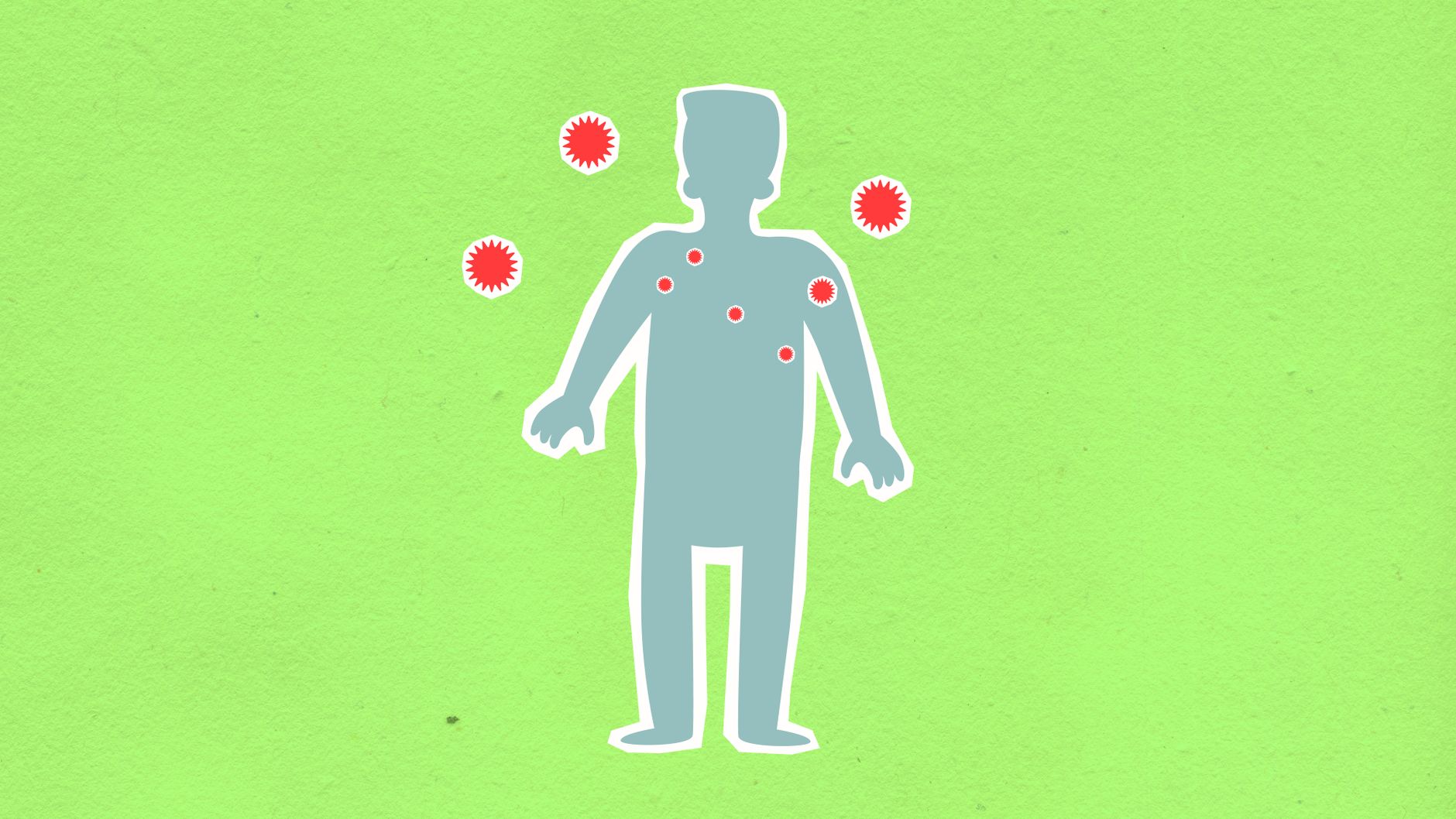
The potential link between mold exposure and seizures is complex and debated within the medical community. While definitive proof of a direct causal relationship remains elusive, emerging research and anecdotal evidence suggest that mold exposure, particularly to toxic molds and their mycotoxins, may contribute to neurological dysfunction, potentially triggering seizures in susceptible individuals.

The Mold-Seizure Connection: Exploring the Evidence
The connection between mold and seizures is not as straightforward as, for instance, a direct allergic reaction. Instead, it appears to involve a combination of factors including the type of mold, the duration and severity of exposure, and the individual’s underlying health vulnerabilities. The primary concern lies with mycotoxins, toxic substances produced by certain molds. These mycotoxins can affect the nervous system through various mechanisms:
- Neuroinflammation: Mycotoxins can trigger inflammatory responses in the brain, leading to neuroinflammation. Chronic neuroinflammation has been linked to various neurological disorders, including epilepsy.
- Oxidative Stress: Mycotoxins can disrupt the balance of antioxidants and free radicals in the brain, leading to oxidative stress. This imbalance can damage brain cells and impair their function, increasing the risk of seizures.
- Immune Dysfunction: Mold exposure can disrupt the immune system, potentially leading to autoimmune reactions targeting the brain. These reactions can contribute to neuroinflammation and neuronal damage.
- Mitochondrial Dysfunction: Some mycotoxins can interfere with the function of mitochondria, the powerhouses of cells. Mitochondrial dysfunction can impair brain cell energy production and contribute to neuronal excitability.
While some research has explored these pathways, more robust studies are needed to establish a conclusive causal link between mold exposure and seizures. Existing evidence often relies on animal studies, case reports, and anecdotal accounts, highlighting the need for larger-scale, controlled human trials. It is also crucial to differentiate between different types of molds and mycotoxins, as their effects on the nervous system can vary significantly.
Who is Most Vulnerable?
Certain individuals are more susceptible to the adverse health effects of mold exposure, including potential neurological complications like seizures. These vulnerable groups include:
- Children: Children are particularly vulnerable because their brains and immune systems are still developing. They also tend to spend more time indoors and are more likely to be exposed to mold in schools and homes.
- Individuals with Pre-existing Neurological Conditions: People with conditions such as epilepsy, multiple sclerosis, or autism may be more susceptible to the neurological effects of mold exposure.
- Individuals with Compromised Immune Systems: People with weakened immune systems, such as those undergoing chemotherapy or those with autoimmune diseases, are more vulnerable to the effects of mycotoxins.
- Individuals with Genetic Predisposition: Some individuals may have a genetic predisposition that makes them more sensitive to mold exposure and its health effects.
- Those with Mold Allergies or Sensitivities: While not directly causing seizures, allergic reactions can add to overall inflammatory burden, potentially increasing susceptibility.
It is important to note that not everyone exposed to mold will experience seizures. The risk depends on a complex interplay of factors, including the individual’s vulnerability, the type and concentration of mold, and the duration of exposure.
Diagnosing Mold-Related Seizures
Diagnosing seizures potentially linked to mold exposure is a complex process that requires a thorough evaluation by a qualified medical professional. There’s no single, definitive test to confirm this connection. The diagnostic process typically involves:
- Detailed Medical History: A comprehensive review of the patient’s medical history, including any pre-existing neurological conditions, allergies, and exposure to mold.
- Environmental Assessment: An inspection of the patient’s home, workplace, or other environments for signs of mold growth. This may involve professional mold testing.
- Neurological Examination: A physical exam to assess the patient’s neurological function.
- Electroencephalogram (EEG): A test that measures brain activity and can help identify seizure activity.
- Brain Imaging: Imaging studies, such as MRI or CT scans, to rule out other potential causes of seizures.
- Mycotoxin Testing: While controversial, some practitioners utilize urine mycotoxin testing to assess exposure levels. These tests are often subject to debate regarding their accuracy and interpretation.
- Ruling out Other Causes: It’s critical to rule out other potential causes of seizures, such as epilepsy, head trauma, stroke, or brain tumors.
The diagnosis of mold-related seizures is often one of exclusion, meaning that other potential causes of seizures must be ruled out before considering mold exposure as a contributing factor.
Treatment and Prevention
The treatment of seizures potentially linked to mold exposure focuses on two primary goals: controlling seizures and eliminating mold exposure.
- Seizure Management: Anticonvulsant medications may be prescribed to control seizure activity. These medications can help reduce the frequency and severity of seizures.
- Mold Remediation: Removing mold from the environment is crucial to reduce exposure and prevent further health problems. This may involve professional mold remediation services.
- Detoxification: Strategies to support the body’s natural detoxification processes may be employed. This may involve dietary changes, supplements, or other therapies.
- Immune Support: Supporting the immune system through nutrition, lifestyle changes, and supplements may help reduce inflammation and improve overall health.
- Symptomatic Relief: Treatment may also focus on managing other symptoms associated with mold exposure, such as headaches, fatigue, and cognitive problems.
Preventing mold exposure is essential to reduce the risk of mold-related health problems. This involves controlling moisture levels in the home, promptly addressing water leaks, and ensuring proper ventilation.
FAQs: Delving Deeper into the Mold-Seizure Connection
Here are some frequently asked questions about mold exposure and seizures:
FAQ 1: What types of molds are most likely to cause neurological problems?
Certain molds, such as Stachybotrys chartarum (black mold), Aspergillus, and Penicillium, are known to produce potent mycotoxins that can have neurological effects. However, the specific mycotoxins produced and their potential for harm can vary.

What colours are fish most attracted to?
Can you put your finger in a trout's mouth?
Is methylene blue anti bacterial?
Does aquarium salt raise pH in aquarium?
FAQ 2: How much mold exposure is considered dangerous?
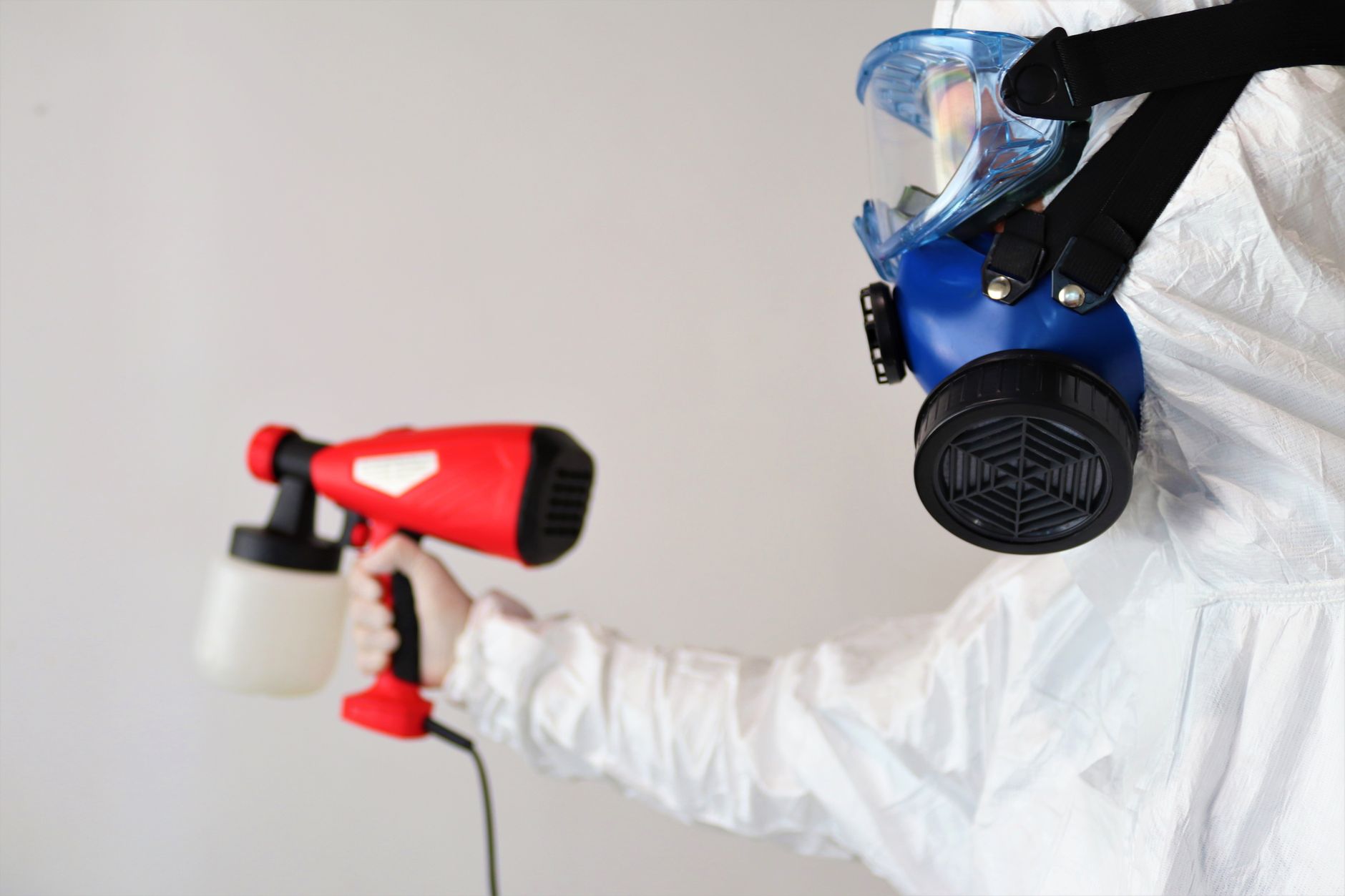
There’s no established “safe” level of mold exposure. The risk depends on individual sensitivity, the type of mold, and the duration of exposure. Any visible mold growth should be addressed promptly.
FAQ 3: Can mold exposure cause seizures in pets?
Yes, pets can also be affected by mold exposure and may experience seizures or other neurological problems. The symptoms and diagnostic process are similar to those in humans.
FAQ 4: What are the other symptoms of mold exposure besides seizures?
Other common symptoms of mold exposure include respiratory problems (coughing, wheezing, shortness of breath), skin rashes, headaches, fatigue, cognitive problems, and immune system dysfunction.
FAQ 5: How can I test my home for mold?
You can purchase DIY mold test kits, but professional mold testing is often recommended for accurate results. A qualified mold inspector can identify hidden mold growth and assess the extent of the problem.
FAQ 6: What is the best way to remove mold from my home?
Small areas of mold growth (less than 10 square feet) can often be cleaned with a bleach solution or other mold-killing products. However, for larger areas or extensive mold growth, professional mold remediation is recommended.
FAQ 7: Are there any natural remedies for mold toxicity?
Some natural remedies, such as activated charcoal and certain herbs, may help support detoxification. However, it’s important to consult with a healthcare professional before using any natural remedies, especially if you have underlying health conditions.
FAQ 8: Can mold exposure cause memory loss or cognitive impairment?
Yes, mold exposure can contribute to cognitive problems, including memory loss, difficulty concentrating, and brain fog. This is often linked to neuroinflammation and oxidative stress.
FAQ 9: Is there a specific blood test for mold toxicity?
While some blood tests may assess immune responses to mold, there’s no single, definitive blood test to diagnose mold toxicity. Urine mycotoxin testing is also available but remains controversial.
FAQ 10: Can long-term mold exposure lead to permanent neurological damage?
While research is ongoing, long-term mold exposure may potentially contribute to permanent neurological damage in some individuals, particularly those who are genetically predisposed or have pre-existing neurological conditions.
FAQ 11: What type of doctor should I see if I suspect mold is causing my seizures?
It’s best to consult with a neurologist to address the seizures themselves. You may also benefit from seeing an environmental medicine specialist or a functional medicine practitioner to assess mold exposure and develop a comprehensive treatment plan.
FAQ 12: Are there any legal implications related to mold exposure and health issues?
In some cases, individuals who have suffered health problems due to mold exposure may have legal recourse against landlords, builders, or other parties responsible for the mold growth. It’s important to consult with an attorney to explore your legal options.
In conclusion, while a definitive causal link between mold exposure and seizures is not yet fully established, the potential connection warrants careful consideration. Individuals experiencing seizures, especially those with a history of mold exposure or other risk factors, should consult with a healthcare professional for a thorough evaluation and appropriate management.