
Can Mold Exposure Cause Rash? The Definitive Guide
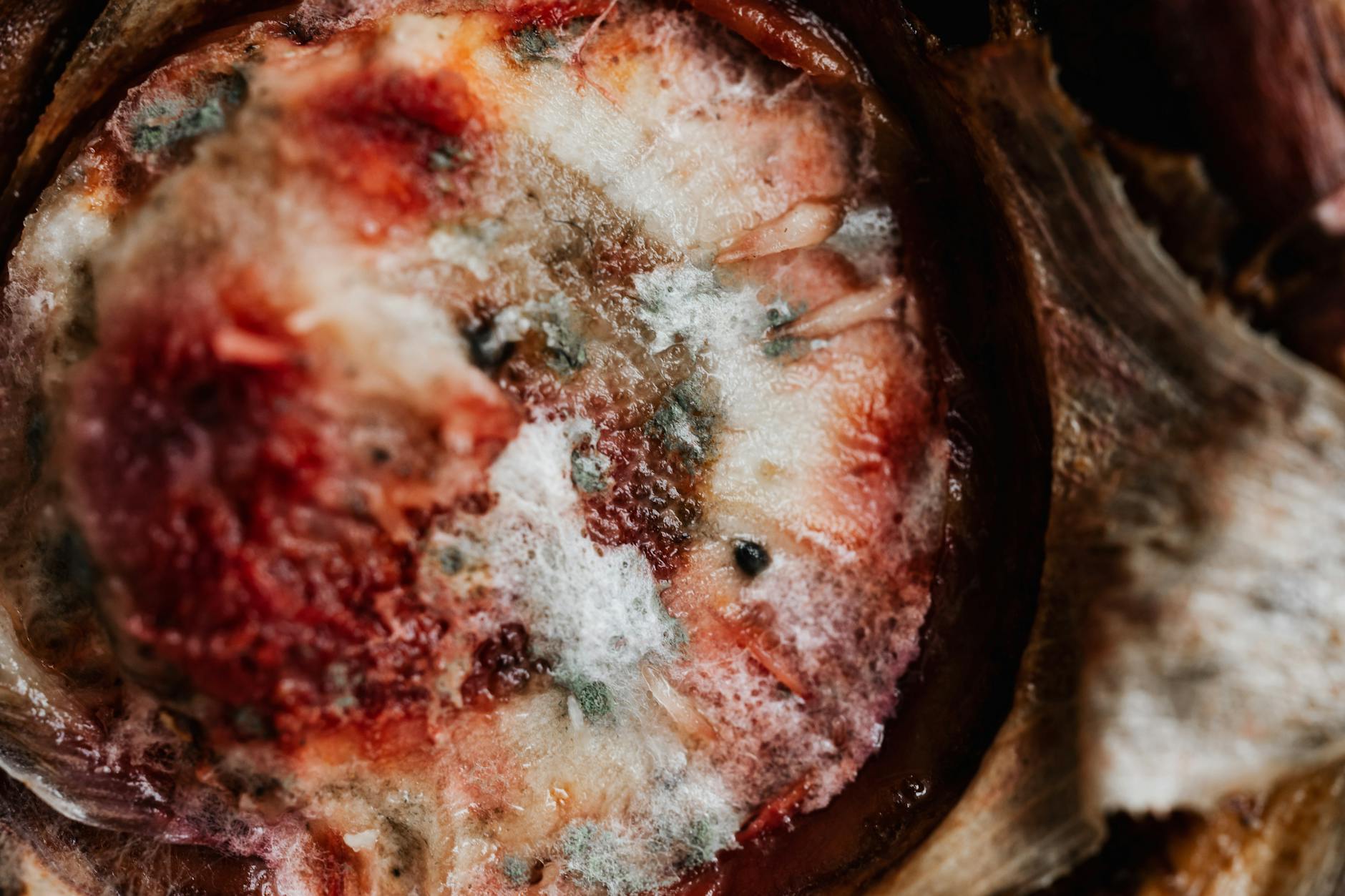
Yes, mold exposure can indeed cause rashes in susceptible individuals. The reaction is usually due to an allergic response or irritation from mold spores or mycotoxins, and the severity can vary greatly depending on the type of mold, the level of exposure, and individual sensitivity. This comprehensive guide explores the complex relationship between mold exposure and skin reactions, providing detailed information and answering frequently asked questions.
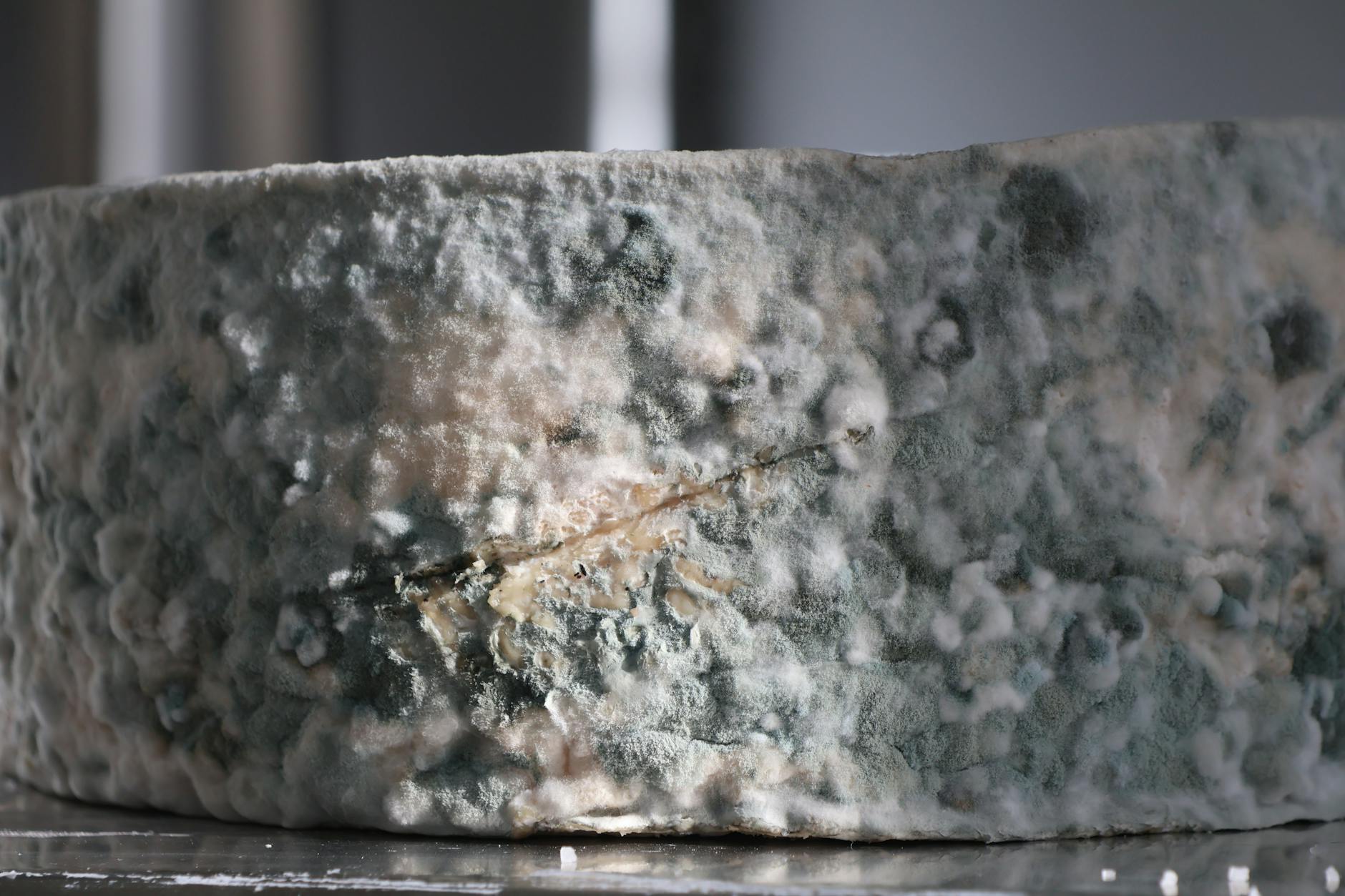
Understanding the Mold-Rash Connection
The connection between mold and skin rashes is multifaceted. Mold, a ubiquitous fungus, thrives in damp environments and releases tiny spores into the air. When these spores come into contact with skin or are inhaled, they can trigger various reactions, ranging from mild irritation to severe allergic dermatitis. Several factors contribute to whether or not someone will develop a rash from mold exposure, including genetics, immune system strength, and the type of mold present.
Types of Mold and Their Potential Skin Effects
Not all molds are created equal. Some are more likely to trigger allergic reactions or skin irritations than others. Common culprits include:
- Aspergillus: This widespread genus can cause allergic reactions and, in rare cases, invasive infections in immunocompromised individuals.
- Cladosporium: Another prevalent mold found both indoors and outdoors, known to trigger hay fever-like symptoms and skin allergies.
- Penicillium: Similar to Aspergillus, Penicillium is often found in damp environments and can cause allergic reactions.
- Stachybotrys chartarum (Black Mold): While often sensationalized, black mold can produce potent mycotoxins that can irritate the skin, eyes, and respiratory system. The severity of reaction varies considerably.
It’s important to note that even non-toxic molds can trigger allergic reactions in sensitive individuals. The presence of mycotoxins, toxic substances produced by certain molds, can exacerbate these reactions. Mycotoxins can cause skin irritation through direct contact or through inhalation followed by systemic distribution.

What colours are fish most attracted to?
Can you put your finger in a trout's mouth?
Is methylene blue anti bacterial?
Does aquarium salt raise pH in aquarium?
Allergic Reactions vs. Irritant Dermatitis

Mold exposure can lead to two primary types of skin reactions: allergic reactions and irritant dermatitis.
-
Allergic reactions are triggered by the immune system’s overreaction to mold spores. Symptoms can include hives, eczema, itchy skin, and a general rash. This type of reaction requires prior sensitization to the mold allergen.
-
Irritant dermatitis occurs when mold spores directly irritate the skin, leading to redness, itching, and inflammation. This type of reaction doesn’t necessarily require prior sensitization and can occur in anyone exposed to a high concentration of mold spores or mycotoxins.
Differentiating between these two types of reactions is crucial for effective treatment. Allergy testing may be necessary to identify specific mold allergens contributing to the symptoms.
Symptoms and Diagnosis of Mold-Related Rashes
Identifying a rash as being mold-related can be challenging, as many other conditions can cause similar symptoms. However, certain signs and symptoms might suggest a link to mold exposure.
Common Symptoms of Mold-Induced Rashes
- Itching: Intense itching is a common symptom, often accompanied by redness and inflammation.
- Hives: Raised, itchy welts that appear suddenly and can change shape or location.
- Eczema: Dry, scaly, itchy patches of skin, often in the folds of the elbows and knees.
- Redness and Inflammation: Generalized redness and swelling of the affected skin area.
- Blisters: In severe cases, small blisters may form, especially if the skin is repeatedly scratched.
These symptoms may be accompanied by other signs of mold exposure, such as respiratory problems (coughing, wheezing, sneezing), eye irritation, and headaches.
Diagnosing a Mold Allergy
A doctor can diagnose a mold allergy through various tests, including:
- Skin Prick Test: Small amounts of common allergens, including mold extracts, are pricked into the skin. A raised, itchy bump indicates an allergy.
- Blood Test (IgE Test): Measures the levels of specific IgE antibodies in the blood, which are produced in response to allergens.
These tests can help identify specific mold species that are triggering the allergic reaction. In cases of suspected irritant dermatitis, a skin biopsy may be performed to rule out other skin conditions.
Treatment and Prevention of Mold-Related Rashes
Effective treatment for mold-related rashes focuses on relieving symptoms and minimizing further exposure. Preventing exposure to mold is the most effective long-term solution.
Treatment Options
- Topical Corticosteroids: Creams and ointments containing corticosteroids can reduce inflammation and itching.
- Antihistamines: Oral antihistamines can help relieve itching and hives by blocking the effects of histamine.
- Moisturizers: Applying hypoallergenic moisturizers can soothe dry, irritated skin.
- Cool Compresses: Applying cool compresses to the affected area can help reduce itching and inflammation.
In severe cases, a doctor may prescribe oral corticosteroids or other medications to manage the symptoms. It is vital to seek professional medical advice before starting any new treatment.
Preventing Mold Exposure
- Control Humidity: Maintain indoor humidity levels between 30-50% using dehumidifiers and air conditioners.
- Fix Leaks: Repair any leaks in roofs, pipes, or windows promptly.
- Improve Ventilation: Ensure adequate ventilation in bathrooms, kitchens, and laundry rooms.
- Clean Regularly: Regularly clean and disinfect bathrooms, kitchens, and other areas prone to mold growth.
- Use Mold-Resistant Products: Use mold-resistant paints and building materials in damp areas.
- Monitor Indoor Air Quality: Consider testing the air for mold spores, especially if you suspect a mold problem.
By taking these preventative measures, you can significantly reduce your risk of mold exposure and the associated skin reactions.
Frequently Asked Questions (FAQs)
1. How long does it take for a mold rash to appear after exposure?
The time it takes for a mold rash to appear can vary depending on individual sensitivity and the level of exposure. For some, a rash may develop within hours of exposure, while others may experience a delayed reaction of several days.
2. Can mold exposure cause a rash all over the body?
Yes, in severe cases or in individuals with high sensitivity, mold exposure can cause a rash all over the body. This is more likely with systemic allergic reactions.
3. Can mold exposure cause a fever?
While mold exposure more commonly causes respiratory symptoms, a low-grade fever can sometimes accompany severe allergic reactions to mold. This is not a typical symptom, however.
4. What does a mold rash look like compared to other rashes?
A mold rash can look similar to other rashes, such as eczema or hives. However, if the rash is accompanied by other symptoms of mold exposure, such as respiratory problems or eye irritation, it’s more likely to be mold-related. Seeing a doctor is key for accurate diagnosis.
5. Is a mold rash contagious?
No, a mold rash is not contagious. It is a reaction to mold spores, not an infection that can be spread to others.
6. Can I treat a mold rash at home?
Mild mold rashes can often be treated at home with over-the-counter antihistamines and topical corticosteroids. However, if the rash is severe, persistent, or accompanied by other symptoms, it’s important to seek medical attention.
7. How do I clean mold off my skin?
Gently wash the affected skin with mild soap and water. Avoid harsh chemicals or scrubbing, which can further irritate the skin.
8. Can mold exposure cause other skin problems besides rashes?
Yes, mold exposure can also cause other skin problems, such as dry skin, itching, and skin infections if the skin is repeatedly scratched and broken.
9. What should I do if I suspect I have mold in my home?
If you suspect you have mold in your home, it’s important to identify the source and address the problem. You can hire a professional mold inspector to assess the extent of the mold growth and recommend remediation measures.
10. Are certain people more susceptible to mold rashes?
Yes, individuals with allergies, asthma, weakened immune systems, and infants and young children are generally more susceptible to mold rashes.
11. Can air purifiers help prevent mold rashes?
Air purifiers with HEPA filters can help remove mold spores from the air, potentially reducing the risk of allergic reactions and rashes. However, they are not a substitute for addressing the source of the mold.
12. How do I prevent mold from growing back after remediation?
After mold remediation, it’s crucial to address the underlying cause of the mold growth, such as leaks or high humidity. Regularly cleaning and disinfecting damp areas, ensuring proper ventilation, and controlling humidity levels can help prevent mold from growing back.