
Can Lithium Ion Batteries Be Shipped By Air? A Comprehensive Guide to Aviation Regulations

The short answer is yes, lithium ion batteries can be shipped by air, but under strict regulations designed to ensure safety. These regulations, primarily governed by international bodies like the IATA (International Air Transport Association) and national aviation authorities, are in place to mitigate the risks associated with their potential to overheat, ignite, or explode during air transport.
Understanding the Risks and Regulations
Lithium-ion batteries, powering everything from smartphones to electric vehicles, contain flammable electrolytes. Changes in pressure and temperature during air travel, coupled with potential damage during handling, can lead to thermal runaway, a chain reaction resulting in extreme heat and potentially fire. This is why stringent regulations are crucial for the safe air transport of these energy sources. Failure to comply with these regulations can result in hefty fines, shipment delays, and, most importantly, serious safety hazards.
The regulations vary depending on several factors:
- Battery type (lithium ion or lithium metal): Lithium metal batteries are generally subject to stricter regulations due to their higher lithium content.
- Battery size (watt-hour rating): Larger, more powerful batteries pose a greater risk and are subject to more stringent regulations.
- Shipping configuration (installed in equipment, packed with equipment, or shipped alone): Batteries installed in devices are generally subject to less stringent rules than those shipped separately.
- Consignment type (passenger baggage, cargo shipment): Different rules apply depending on whether the batteries are carried by passengers or shipped as cargo.
Complying with these regulations requires careful packaging, labeling, documentation, and adherence to specific quantity limitations. Understanding these nuances is paramount for anyone involved in shipping lithium-ion batteries by air.
Key Regulatory Bodies and Their Roles
Several organizations play crucial roles in regulating the air transport of lithium-ion batteries:
-
IATA (International Air Transport Association): IATA develops and publishes the Dangerous Goods Regulations (DGR), which are widely adopted by airlines and shipping companies worldwide. The DGR provides detailed instructions on packaging, labeling, documentation, and training requirements for shipping dangerous goods, including lithium batteries.
-
ICAO (International Civil Aviation Organization): ICAO is a UN specialized agency responsible for establishing international standards and recommended practices for air navigation. ICAO’s Technical Instructions for the Safe Transport of Dangerous Goods by Air form the basis for many national and international regulations.
-
National Aviation Authorities (e.g., FAA in the US, EASA in Europe): These authorities enforce the regulations set by ICAO and IATA, and may also have their own specific requirements. It is crucial to consult the regulations of the origin, transit, and destination countries.
-
UN (United Nations): The UN Model Regulations on the Transport of Dangerous Goods provide the framework for global harmonization of dangerous goods transport regulations.
Adhering to the guidelines set forth by these organizations is not just a matter of compliance, but a commitment to air safety.
FAQs: Delving Deeper into Lithium Ion Battery Air Shipping
Here are some frequently asked questions that shed further light on the intricacies of shipping lithium-ion batteries by air:
H3 FAQ 1: What is a Watt-Hour (Wh) Rating and Why is it Important?
The watt-hour (Wh) rating measures a battery’s energy capacity. It is calculated by multiplying the battery’s voltage (V) by its amp-hour (Ah) rating. The Wh rating is a key factor in determining the applicable shipping regulations. Higher Wh ratings generally mean stricter requirements. This rating is typically printed on the battery itself. You need to know this value to determine if you meet the regulatory requirements.

What colours are fish most attracted to?
Can you put your finger in a trout's mouth?
Is methylene blue anti bacterial?
Does aquarium salt raise pH in aquarium?
H3 FAQ 2: Can I Carry Spare Lithium Ion Batteries in My Checked Baggage?
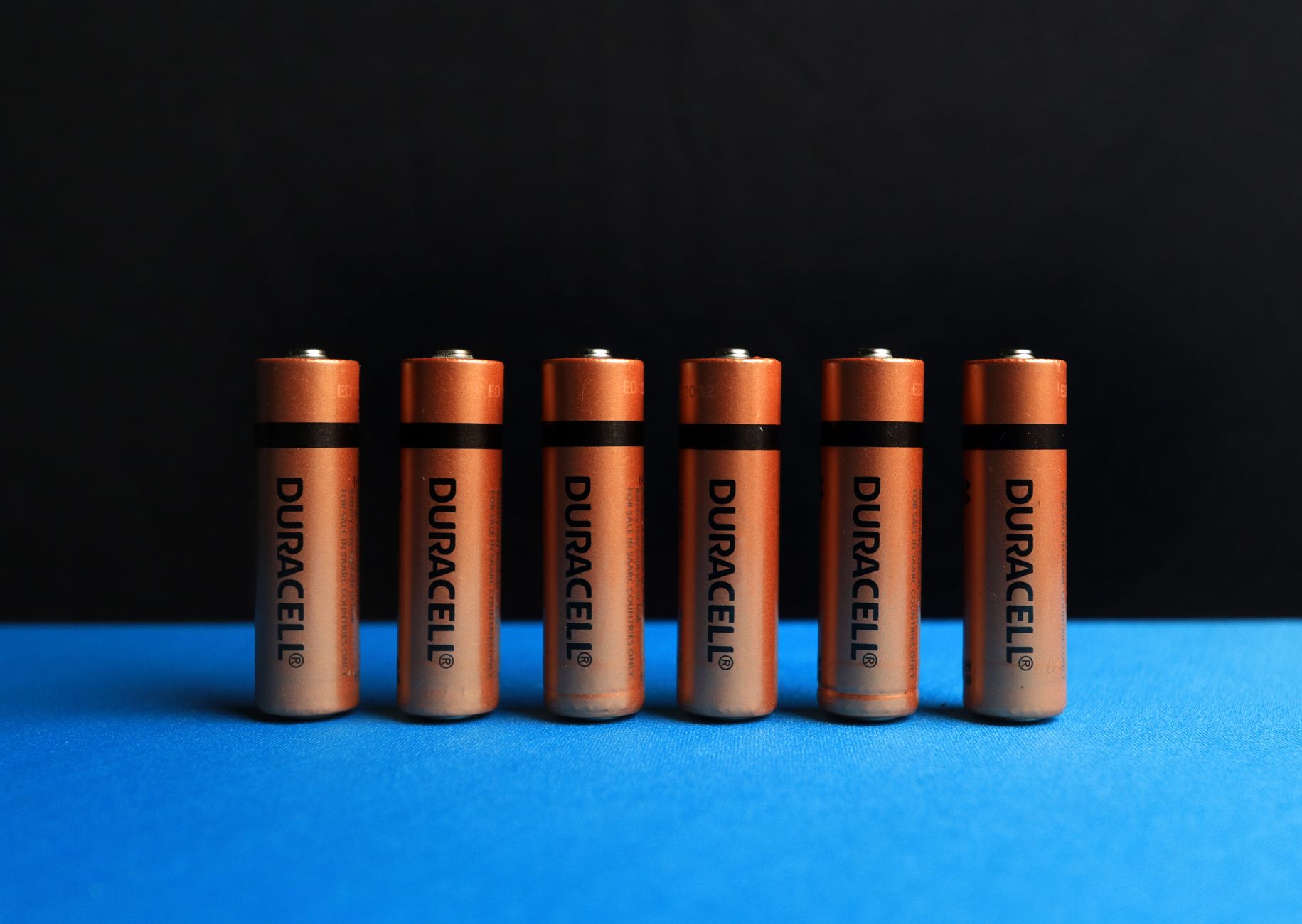
Generally, spare (uninstalled) lithium ion batteries are not allowed in checked baggage. They must be carried in carry-on baggage with measures taken to prevent short circuits (e.g., placing them in individual protective pouches or taping over exposed terminals). There are often limits on the number and size (Wh rating) of batteries allowed.
H3 FAQ 3: What are the Packaging Requirements for Shipping Lithium Ion Batteries?
Lithium-ion batteries must be packaged in a manner that prevents damage and short circuits. This often involves:
- Using UN-approved packaging that has undergone drop tests and other performance tests.
- Ensuring batteries are protected from shifting during transit.
- Using non-conductive materials to prevent short circuits.
- Separating batteries from other dangerous goods.
H3 FAQ 4: What Labeling and Documentation are Required?
Shipments of lithium ion batteries must be clearly labeled with appropriate hazard labels (e.g., Lithium Battery Handling Label) and shipping names (e.g., Lithium ion batteries contained in equipment). The shipping documentation must include a shipper’s declaration for dangerous goods, which provides detailed information about the shipment, including the battery type, Wh rating, and packaging details.
H3 FAQ 5: Are Damaged or Defective Lithium Ion Batteries Allowed on Aircraft?
No, damaged or defective lithium ion batteries are generally prohibited from air transport. These batteries pose a significantly higher risk of thermal runaway and are considered too dangerous to ship. Special arrangements may be possible for disposal of these batteries, but they require specialized handling and packaging.
H3 FAQ 6: What Training is Required for Shipping Lithium Ion Batteries?
Individuals involved in the shipping of lithium ion batteries must receive adequate training on the applicable regulations. This training should cover topics such as hazard identification, packaging requirements, labeling and documentation, and emergency procedures. IATA offers dangerous goods training courses for shippers and freight forwarders.
H3 FAQ 7: What are the Quantity Limitations for Lithium Ion Batteries?
The maximum quantity of lithium ion batteries allowed in a shipment varies depending on the shipping configuration (e.g., installed in equipment, packed with equipment, or shipped alone) and the battery size (Wh rating). Consult the IATA DGR for specific quantity limits.
H3 FAQ 8: What are the Consequences of Non-Compliance?
Non-compliance with lithium battery shipping regulations can result in serious consequences, including:
- Fines and penalties: Aviation authorities can impose substantial fines for violations.
- Shipment delays and confiscation: Non-compliant shipments may be delayed or confiscated.
- Damage to reputation: A breach of regulations can damage a company’s reputation.
- Criminal charges: In severe cases, individuals may face criminal charges.
- Most importantly: a safety incident.
H3 FAQ 9: Are there Exceptions for Small Lithium Ion Batteries?
Yes, there are exceptions for small lithium ion batteries (e.g., those found in smartphones and laptops) when carried by passengers for personal use. However, even these batteries are subject to quantity limits and must be protected from short circuits.
H3 FAQ 10: How do I Stay Up-to-Date on the Latest Regulations?
Lithium battery shipping regulations are subject to change. It is crucial to stay up-to-date on the latest requirements by:
- Consulting the latest edition of the IATA Dangerous Goods Regulations (DGR).
- Following updates from national aviation authorities (e.g., FAA, EASA).
- Attending dangerous goods training courses.
- Subscribing to industry newsletters and publications.
H3 FAQ 11: Can I Ship Lithium Ion Batteries Internationally?
Yes, lithium ion batteries can be shipped internationally by air, but the regulations can vary depending on the countries involved. It is important to consult the regulations of the origin, transit, and destination countries to ensure compliance.
H3 FAQ 12: What is Section II (PI967) and How Does it Apply?
Section II of Packing Instruction 967 (PI967) within the IATA DGR pertains to small lithium ion batteries shipped in or with equipment. It offers a simplified set of regulations compared to Section IA and IB, but still requires adherence to specific packaging, marking, and documentation requirements. Understanding if your shipment qualifies for Section II is crucial for streamlined compliance.
Conclusion: Prioritizing Safety and Compliance
Shipping lithium ion batteries by air requires a meticulous approach and a thorough understanding of the complex regulations. By adhering to the guidelines set forth by IATA, ICAO, and national aviation authorities, individuals and companies can ensure the safe and compliant transport of these essential energy sources. Safety should always be the paramount consideration, and neglecting compliance can have serious consequences. Staying informed and seeking expert guidance when needed is essential for navigating the ever-evolving landscape of lithium battery shipping regulations.