
Can Lithium Batteries Be Shipped By Air? A Comprehensive Guide

Yes, lithium batteries can be shipped by air, but with stringent regulations and limitations. This is due to their potential to overheat, ignite, and cause fires during transit, posing a significant safety risk to aircraft and personnel. Understanding these regulations and taking necessary precautions is crucial for safe and compliant transportation.

The Complex Landscape of Lithium Battery Air Transport
The transportation of lithium batteries by air is a subject of ongoing debate and refinement, driven by safety concerns and technological advancements. International bodies, such as the International Civil Aviation Organization (ICAO) and the International Air Transport Association (IATA), play a crucial role in establishing and updating the rules governing this complex area. These regulations aim to mitigate the inherent risks associated with thermal runaway, a dangerous chain reaction that can occur in lithium batteries, leading to fires and explosions.
Therefore, compliance is not merely a suggestion but a legal requirement, with severe penalties for violations that endanger aircraft and passengers. Understanding the nuances of these regulations is essential for manufacturers, shippers, and individuals alike.
Understanding the Risk: Thermal Runaway
Thermal runaway is the core reason behind the strict regulations surrounding lithium battery air transport. It’s a chain reaction where increasing temperature causes a breakdown of internal battery components, leading to even higher temperatures, the release of flammable gases, and ultimately, potential ignition. Factors like short circuits, overcharging, physical damage, and manufacturing defects can trigger this dangerous process. The risk is particularly acute at altitude, where lower air pressure and temperature fluctuations can exacerbate these issues.
Navigating the Regulations: ICAO and IATA
The ICAO sets the overarching international standards for aviation safety. The IATA translates these standards into practical guidelines for airlines and shippers. Both organizations frequently update their regulations to reflect new safety findings and technological developments. The IATA Dangerous Goods Regulations (DGR) is the primary reference document for shipping dangerous goods by air, including lithium batteries.

What colours are fish most attracted to?
Can you put your finger in a trout's mouth?
Is methylene blue anti bacterial?
Does aquarium salt raise pH in aquarium?
Key Regulatory Aspects
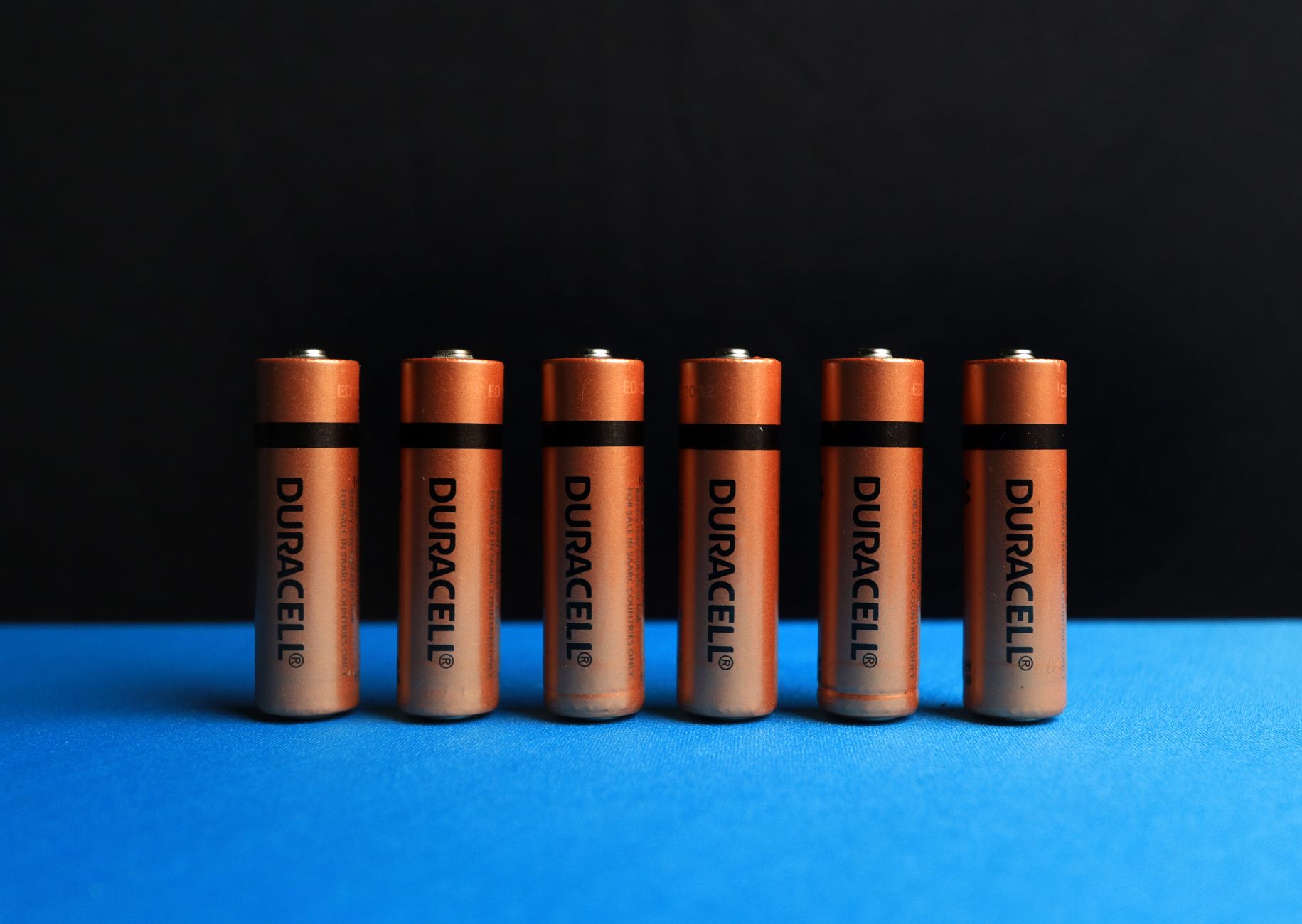
The regulations address various aspects of lithium battery transportation, including:
- Battery type: Different rules apply to lithium-ion (Li-ion) and lithium metal batteries. Li-ion batteries are generally rechargeable and found in electronic devices, while lithium metal batteries are non-rechargeable and used in devices like watches and pacemakers.
- Battery size and power: The regulations specify limits on the watt-hour (Wh) rating for Li-ion batteries and the lithium content (LC) for lithium metal batteries. These limits vary depending on the battery type and how it’s packaged (e.g., installed in equipment, packed with equipment, or shipped separately).
- Packaging requirements: Batteries must be packaged to prevent short circuits, damage, and accidental activation. Specific packaging materials and methods are mandated.
- Labeling and documentation: Shipments must be clearly labeled with appropriate warnings and handling instructions. Detailed documentation, including a Shipper’s Declaration for Dangerous Goods, is often required.
- Quantity limits: Restrictions are placed on the number of batteries that can be shipped in a single package or consignment.
- State and operator variations: Individual countries and airlines may have their own variations or additional requirements that must be followed.
Practical Considerations for Shippers
Successfully shipping lithium batteries by air requires careful planning and execution. Choosing a reputable and experienced shipper familiar with dangerous goods regulations is paramount. Proper training for personnel involved in handling and packaging lithium batteries is also essential.
Steps for Compliant Shipping
- Determine Battery Type and Specifications: Accurately identify whether the batteries are Li-ion or lithium metal and note their Wh rating (for Li-ion) or lithium content (for lithium metal).
- Consult the IATA DGR: Refer to the latest edition of the IATA DGR to determine the applicable regulations based on battery type, size, quantity, and packaging configuration.
- Select Appropriate Packaging: Choose packaging that meets the specified requirements, including strong outer packaging, inner packaging to prevent short circuits, and cushioning material to protect against damage.
- Properly Label and Mark the Package: Apply all required hazard labels and markings, including the lithium battery handling label and any other relevant warnings.
- Complete Required Documentation: Prepare a Shipper’s Declaration for Dangerous Goods if required, ensuring all information is accurate and complete.
- Choose a Qualified Carrier: Select a carrier authorized to transport dangerous goods and familiar with lithium battery regulations.
- Declare the Shipment: Inform the carrier that the shipment contains lithium batteries and provide all necessary documentation.
Frequently Asked Questions (FAQs)
FAQ 1: What is the difference between lithium-ion and lithium metal batteries regarding air shipment regulations?
Lithium-ion batteries are generally rechargeable, while lithium metal batteries are not. Regulations for lithium metal batteries are often stricter due to their higher flammability. Lithium metal batteries typically have lower lithium content limits and are subject to more restrictions on quantity and packaging.
FAQ 2: What is a Watt-hour (Wh) rating, and why is it important for lithium-ion batteries?
The Watt-hour (Wh) rating indicates the energy capacity of a lithium-ion battery. It’s calculated by multiplying the battery’s voltage (V) by its amp-hour (Ah) rating. The Wh rating is crucial because it determines which regulations apply to the battery shipment. Higher Wh ratings often trigger stricter requirements.
FAQ 3: What are the labeling requirements for shipping lithium batteries by air?
Packages containing lithium batteries must be labeled with a lithium battery handling label, which includes specific warnings and instructions. Additional markings may be required depending on the battery type and quantity. It’s crucial to refer to the IATA DGR for the exact labeling specifications.
FAQ 4: Can I ship lithium batteries in my checked baggage on an airplane?
Regulations regarding lithium batteries in checked baggage vary by airline and country. Generally, loose lithium batteries are prohibited in checked baggage. However, batteries installed in devices are often permitted, subject to certain restrictions on Wh rating or lithium content. Always check with the airline before traveling.
FAQ 5: What happens if I don’t comply with lithium battery shipping regulations?
Non-compliance can result in serious consequences, including fines, shipment delays, confiscation of the batteries, and even legal action. More importantly, it endangers the safety of the aircraft, crew, and passengers.
FAQ 6: What is a Shipper’s Declaration for Dangerous Goods, and when is it required?
A Shipper’s Declaration for Dangerous Goods is a document that provides detailed information about a dangerous goods shipment, including the proper shipping name, hazard class, UN number, and quantity. It is typically required for shipments of lithium batteries that exceed certain quantity limits or that are subject to stricter packaging requirements.
FAQ 7: Can I ship damaged or defective lithium batteries by air?
Shipping damaged or defective lithium batteries by air is generally prohibited, unless specifically approved by the relevant authorities. Such batteries pose a significantly higher risk of thermal runaway and fire. Special arrangements and packaging are required for the safe disposal of these batteries.
FAQ 8: How often are the IATA Dangerous Goods Regulations updated?
The IATA Dangerous Goods Regulations (DGR) are updated annually, typically becoming effective on January 1st of each year. Shippers must always use the latest edition of the DGR to ensure compliance with the current regulations.
FAQ 9: What is the “UN 38.3” test, and why is it important?
The UN 38.3 test is a series of tests designed to assess the safety of lithium batteries under various conditions, such as altitude simulation, thermal shock, vibration, and shock. Batteries must pass these tests to be eligible for air transport. Manufacturers are responsible for conducting these tests and providing documentation to verify compliance.
FAQ 10: Are there any exemptions to the lithium battery shipping regulations?
There are limited exemptions to the lithium battery shipping regulations, often related to small quantities of batteries or batteries installed in equipment. However, these exemptions are subject to specific conditions and requirements. It’s crucial to consult the IATA DGR to determine if any exemptions apply to your shipment.
FAQ 11: Where can I find more information about lithium battery shipping regulations?
The IATA Dangerous Goods Regulations (DGR) is the primary source of information about lithium battery shipping regulations. You can also consult with reputable shippers specializing in dangerous goods transport or contact the relevant regulatory authorities in your country.
FAQ 12: What should I do if I’m unsure about the regulations for shipping lithium batteries by air?
When in doubt, always seek professional advice. Consult with a qualified expert in dangerous goods transportation or contact a reputable shipper specializing in lithium battery shipments. Trying to navigate the regulations without proper knowledge can lead to costly mistakes and, more importantly, jeopardize safety.
Conclusion: Prioritizing Safety and Compliance
Shipping lithium batteries by air requires meticulous attention to detail and unwavering adherence to safety regulations. By understanding the risks, navigating the regulatory landscape, and following best practices for packaging and documentation, you can ensure the safe and compliant transportation of these essential energy sources. Prioritizing safety and compliance is not just a legal obligation but a moral imperative that protects lives and safeguards the integrity of the aviation industry.