
Can Light Bulbs Go In Trash? A Comprehensive Guide to Responsible Disposal

The simple answer is: it depends. While some incandescent light bulbs are generally safe to throw in the regular trash, other types, like compact fluorescent lamps (CFLs) and fluorescent tubes, contain mercury and require specific disposal methods to protect the environment and human health.
Understanding Light Bulb Disposal: A Matter of Composition
The seemingly innocuous light bulb has evolved significantly over the years. From the early incandescent models to the energy-efficient LEDs of today, each type presents unique challenges and considerations when it comes to disposal. The key factor influencing disposal methods is the presence, or absence, of hazardous materials.
Incandescent Light Bulbs: The Least Problematic Option (Mostly)
Traditional incandescent light bulbs are the simplest to dispose of. They primarily consist of glass, a metal filament, and a small amount of inert gas. Because they don’t contain significant amounts of hazardous materials, they can typically be thrown in the regular trash bin. However, wrapping them in paper or placing them in a box before discarding can help prevent breakage and potential injury. It is always best practice to consult local ordinances to ensure compliance.

What colours are fish most attracted to?
Can you put your finger in a trout's mouth?
Is methylene blue anti bacterial?
Does aquarium salt raise pH in aquarium?
Halogen Light Bulbs: A Similar Story to Incandescents
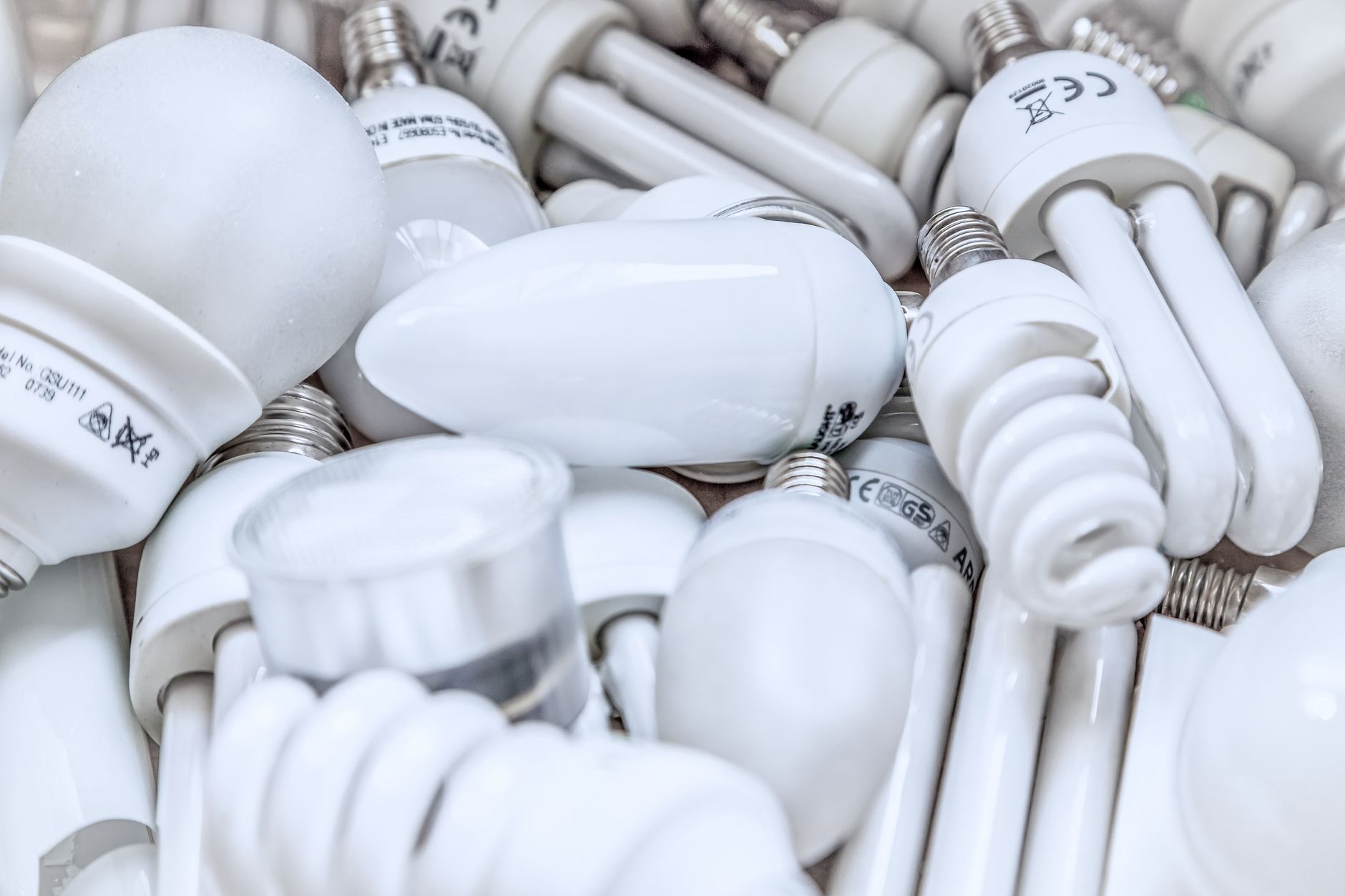
Halogen light bulbs, a variation of incandescent technology, share a similar composition and are generally treated the same way. They can usually be disposed of in the regular trash after being properly wrapped to prevent breakage. However, like incandescents, local regulations should be consulted.
Fluorescent Light Bulbs (CFLs and Tubes): The Mercury Concern
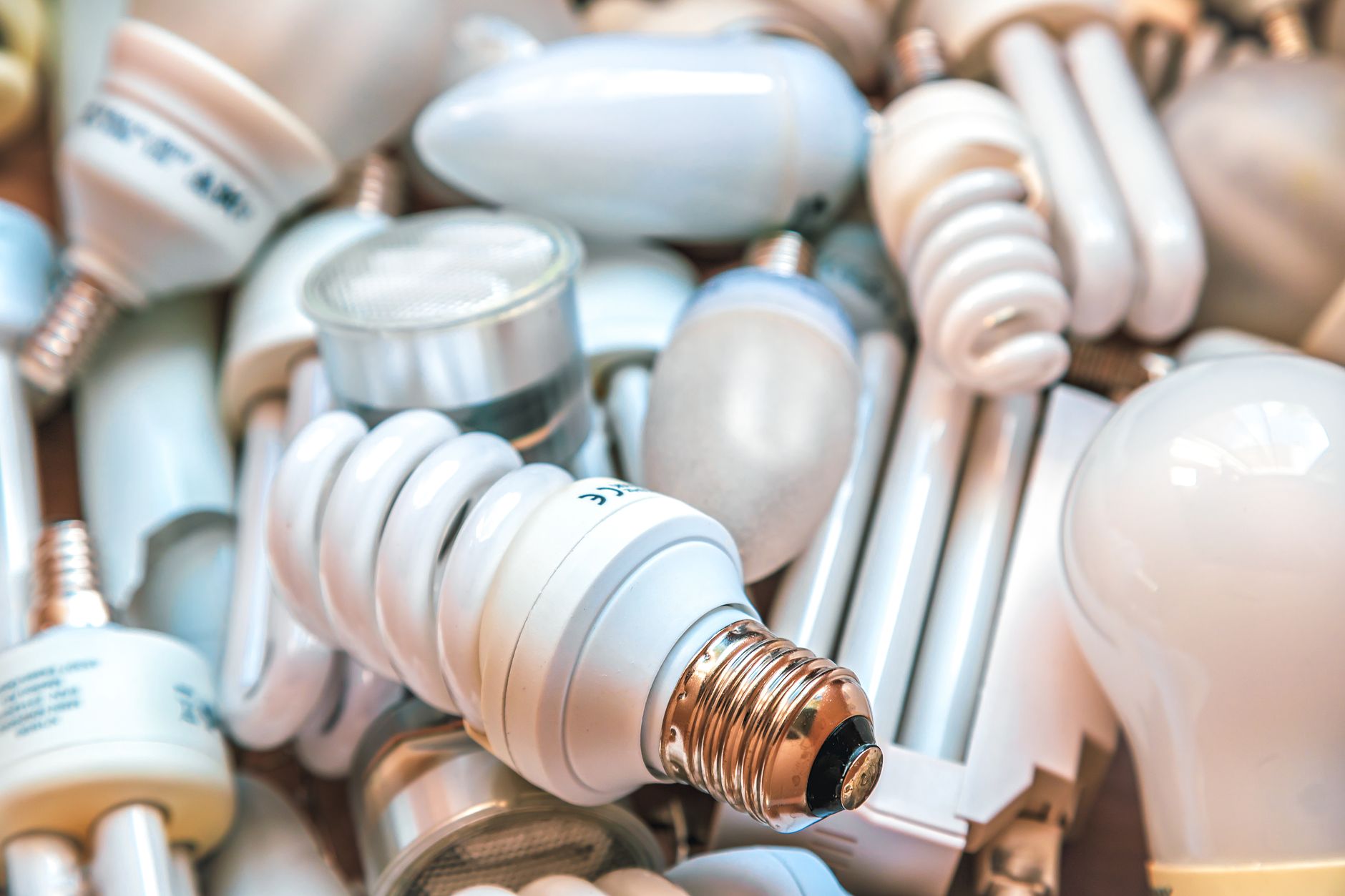
This is where things become more complicated. Compact Fluorescent Lamps (CFLs) and traditional fluorescent tubes contain small amounts of mercury, a neurotoxin that can pose environmental and health risks if released into the environment. This is why these bulbs should not be thrown in the regular trash. Instead, they should be properly recycled or disposed of at designated collection points.
LED Light Bulbs: The Growing Popularity and Recycling Potential
Light Emitting Diode (LED) light bulbs are becoming increasingly popular due to their energy efficiency and long lifespan. While they don’t contain mercury, they do contain electronic components and other materials that can be recovered through recycling. Although they are not considered hazardous waste in the same way as CFLs, recycling LEDs is still the preferred method of disposal to conserve resources and prevent potential environmental contamination. Many manufacturers and retailers offer LED recycling programs.
Why Proper Disposal Matters: Protecting Our Planet and Ourselves
The importance of responsible light bulb disposal cannot be overstated. Disposing of mercury-containing bulbs improperly can lead to mercury contamination of soil, water, and air. This can have serious consequences for human health and the environment, impacting ecosystems and potentially contaminating the food chain. Recycling recovers valuable materials and prevents these harmful substances from ending up in landfills.
Frequently Asked Questions (FAQs) About Light Bulb Disposal
FAQ 1: What are the environmental risks associated with improper light bulb disposal?
Improper disposal of mercury-containing bulbs like CFLs and fluorescent tubes can lead to mercury contamination. When these bulbs break in landfills, mercury can leach into the soil and water, eventually making its way into waterways and potentially affecting wildlife and human health. Mercury is a potent neurotoxin that can cause developmental problems in children and neurological issues in adults.
FAQ 2: How can I tell if a light bulb contains mercury?
Typically, CFLs and fluorescent tubes contain mercury. Always check the packaging or the bulb itself for information about its composition. Manufacturers are usually required to label bulbs containing mercury. If unsure, it’s best to err on the side of caution and recycle the bulb.
FAQ 3: What should I do if a CFL or fluorescent tube breaks in my home?
If a bulb breaks, immediately ventilate the room by opening windows. Carefully collect the broken pieces using gloves and a damp paper towel. Place the debris and the paper towel in a sealed plastic bag or container and dispose of it properly at a designated collection center. Avoid using a vacuum cleaner, as it can spread mercury vapor. The EPA provides detailed instructions on their website.
FAQ 4: Where can I recycle CFLs and fluorescent tubes?
Many hardware stores, home improvement centers, and municipal recycling programs offer collection points for CFLs and fluorescent tubes. Search online for local recycling facilities or check with your local government for specific disposal options.
FAQ 5: Are there any recycling programs offered by light bulb manufacturers?
Yes, some light bulb manufacturers offer take-back programs or partner with retailers to facilitate recycling. Check the manufacturer’s website or contact their customer service for more information about available recycling options.
FAQ 6: What are the benefits of recycling LED light bulbs?
Although LEDs don’t contain mercury, they contain valuable materials like aluminum, copper, and plastics that can be recovered and reused. Recycling LEDs helps conserve resources, reduces landfill waste, and prevents potential environmental contamination from other electronic components.
FAQ 7: How can I safely dispose of incandescent light bulbs?
Wrap them securely in paper or place them in a box to prevent breakage during handling and disposal. Then, simply toss them in your regular trash bin, unless local regulations specify otherwise.
FAQ 8: Are there any alternatives to traditional incandescent light bulbs?
Yes, CFLs and LEDs are both more energy-efficient alternatives to incandescent bulbs. While CFLs contain mercury, LEDs offer an even more environmentally friendly option due to their energy efficiency and recyclable components.
FAQ 9: Do all municipalities have recycling programs for light bulbs?
Not all municipalities offer comprehensive light bulb recycling programs. It’s essential to check with your local government or waste management company to understand the specific regulations and options available in your area. Searching online using keywords like “[your city] light bulb recycling” can also provide useful information.
FAQ 10: What happens to recycled light bulbs after they are collected?
Recycled light bulbs are typically sent to specialized recycling facilities where they are processed to recover valuable materials like glass, aluminum, and mercury. The mercury is often distilled and reused in other products, preventing it from entering the environment.
FAQ 11: Are there any financial incentives for recycling light bulbs?
While direct financial incentives are not common, some utility companies or government agencies may offer rebates or discounts on energy-efficient lighting products when you recycle your old bulbs. Check with your local utility provider for potential programs.
FAQ 12: What is the future of light bulb disposal?
The future of light bulb disposal is moving towards greater emphasis on extended producer responsibility (EPR), where manufacturers are held responsible for the end-of-life management of their products. This encourages the development of more sustainable lighting technologies and improved recycling infrastructure. As LED technology continues to advance, the overall environmental impact of lighting will continue to decrease.