
Can Light Bulbs Go In The Trash? A Comprehensive Disposal Guide

The short answer is: sometimes, but it’s generally not recommended and often illegal. While convenience might tempt you to toss a burnt-out bulb into the garbage bin, the truth is that proper disposal depends entirely on the type of light bulb you’re dealing with and local regulations.
Understanding Light Bulb Composition: A Foundation for Responsible Disposal
Different light bulbs contain varying materials, some of which pose environmental hazards if improperly disposed of. To make informed decisions about disposal, it’s crucial to understand the composition of the most common types:
-
Incandescent bulbs: These are the traditional, inexpensive bulbs that produce light by heating a filament. They contain no hazardous materials but are incredibly energy inefficient, leading to environmental concerns related to electricity generation.
-
Halogen bulbs: Similar to incandescent bulbs but filled with halogen gas to increase efficiency and lifespan. Like incandescent bulbs, they contain no hazardous materials.
-
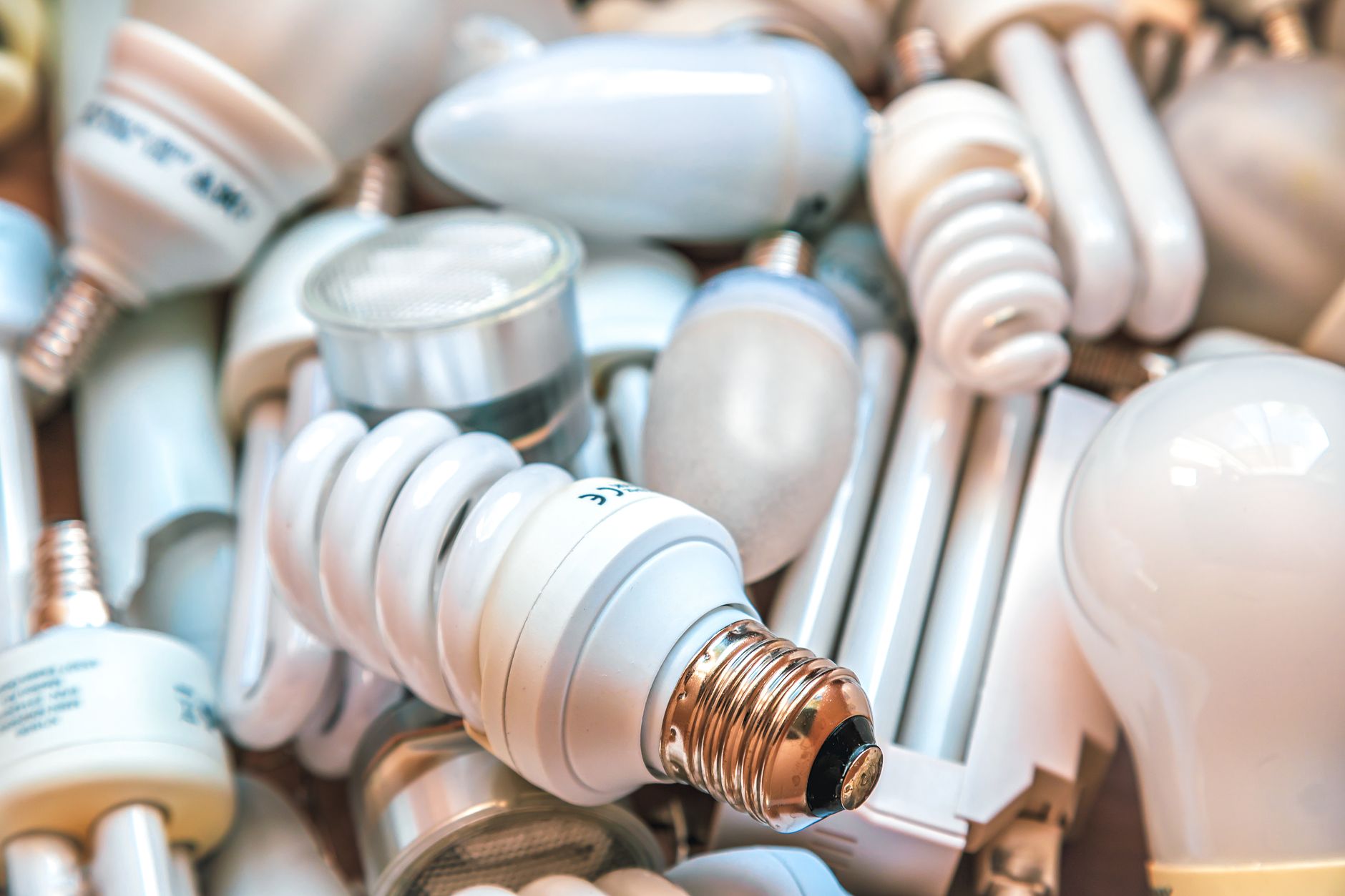
Compact Fluorescent Lamps (CFLs): These bulbs are significantly more energy-efficient than incandescent bulbs. However, they contain a small amount of mercury, a neurotoxin, making proper disposal essential.
-
Light Emitting Diodes (LEDs): LEDs are the most energy-efficient and longest-lasting option. While they don’t contain mercury, they do contain electronic components and, in some cases, heavy metals like lead, though in very small quantities.
Identifying Your Bulb Type: The First Step Towards Correct Disposal
Before considering the trash, carefully examine the bulb itself. Look for markings or labels that indicate the type. If unsure, refer to the bulb’s packaging or consult the manufacturer’s website. Correct identification is paramount to proper disposal.
Disposal Options: From Trash to Recycling
Now that you understand the composition of different bulbs, let’s explore the available disposal options:
-
Incandescent and Halogen Bulbs: In most areas, these bulbs can be safely disposed of in the regular trash. They contain no hazardous materials and pose minimal environmental risk in landfills. However, check local regulations to be sure.
-
CFLs: Never throw CFLs in the regular trash. Due to the mercury content, they must be disposed of properly. Your options include:
- Recycling programs: Many hardware stores, home improvement centers, and local recycling facilities offer CFL recycling programs.
- Household hazardous waste (HHW) collection events: Many municipalities hold periodic events to collect hazardous waste, including CFLs.
- Mail-in recycling programs: Some companies offer mail-in recycling kits for CFLs.
-
LEDs: While LEDs don’t contain mercury, their electronic components make recycling the preferred option. Many recycling centers accept electronic waste (e-waste), including LEDs. While throwing them in the regular trash isn’t as environmentally damaging as CFLs, recycling them allows for the recovery of valuable materials.
Frequently Asked Questions (FAQs) About Light Bulb Disposal
1. What happens if I break a CFL?
If a CFL breaks, ventilate the room and carefully clean up the debris using gloves. Use sticky tape to collect small fragments. Avoid using a vacuum cleaner, as it can spread mercury vapor. Place the debris in a sealed plastic bag and dispose of it according to local guidelines for hazardous waste.

What colours are fish most attracted to?
Can you put your finger in a trout's mouth?
Is methylene blue anti bacterial?
Does aquarium salt raise pH in aquarium?
2. Are there any fines for improperly disposing of CFLs?
Yes, in many jurisdictions, there are fines for improperly disposing of CFLs. The penalties vary depending on the location but can range from small fines to more substantial penalties for repeated offenses.
3. Where can I find a local CFL recycling center?
Many resources can help you locate a CFL recycling center. Check your local government’s website, the EPA’s website, or Earth911.com. Retailers like Home Depot and Lowe’s often have drop-off locations as well.
4. Can I mail CFLs back to the manufacturer for recycling?
Some manufacturers offer mail-in recycling programs for their products. Check the manufacturer’s website or contact their customer service department for information on available programs.
5. Are LED bulbs considered hazardous waste?
No, LED bulbs are generally not considered hazardous waste, but recycling them is the preferred method of disposal. They contain electronic components that can be recovered through recycling.
6. What are the environmental risks associated with throwing CFLs in the trash?
The mercury in CFLs can leach into the soil and water if they end up in landfills. Mercury is a neurotoxin that can accumulate in the food chain and pose health risks to humans and wildlife.
7. Is it safe to store used light bulbs before recycling them?
Yes, it is generally safe to store used light bulbs before recycling them. Keep them in a box or container to prevent breakage. Store them in a cool, dry place away from children and pets.
8. Can businesses recycle light bulbs through commercial recycling programs?
Yes, businesses can recycle light bulbs through commercial recycling programs. Many waste management companies offer specialized recycling services for businesses, including light bulb recycling.
9. What is the lifespan of a typical LED bulb compared to an incandescent bulb?
A typical LED bulb can last up to 25,000 hours, while an incandescent bulb typically lasts only 1,000 hours. This makes LEDs a more sustainable choice in the long run.
10. Are there any new light bulb technologies that are even more environmentally friendly?
Research is constantly ongoing in the lighting industry. Some emerging technologies include organic LEDs (OLEDs), which are made from organic materials and are potentially even more energy-efficient and environmentally friendly.
11. What role does consumer education play in responsible light bulb disposal?
Consumer education is critical in promoting responsible light bulb disposal. By understanding the environmental risks associated with improper disposal and the available recycling options, consumers can make informed decisions and contribute to a more sustainable future.
12. How can I reduce the number of light bulbs I need to dispose of in the first place?
Choose energy-efficient light bulbs like LEDs, which have a much longer lifespan than incandescent bulbs. Use dimmer switches to extend the life of your bulbs. And, most importantly, turn off lights when you leave a room.
The Future of Lighting: Towards a More Sustainable Approach
The landscape of lighting technology is constantly evolving, with a clear trend towards more energy-efficient and environmentally friendly options. By staying informed about the latest advancements and embracing responsible disposal practices, we can minimize our environmental impact and create a more sustainable future. Making informed choices about bulb type and disposal is a simple, yet powerful, way to contribute to a healthier planet.