
Can LED Lights Go In The Trash? A Comprehensive Guide to Disposal and Recycling
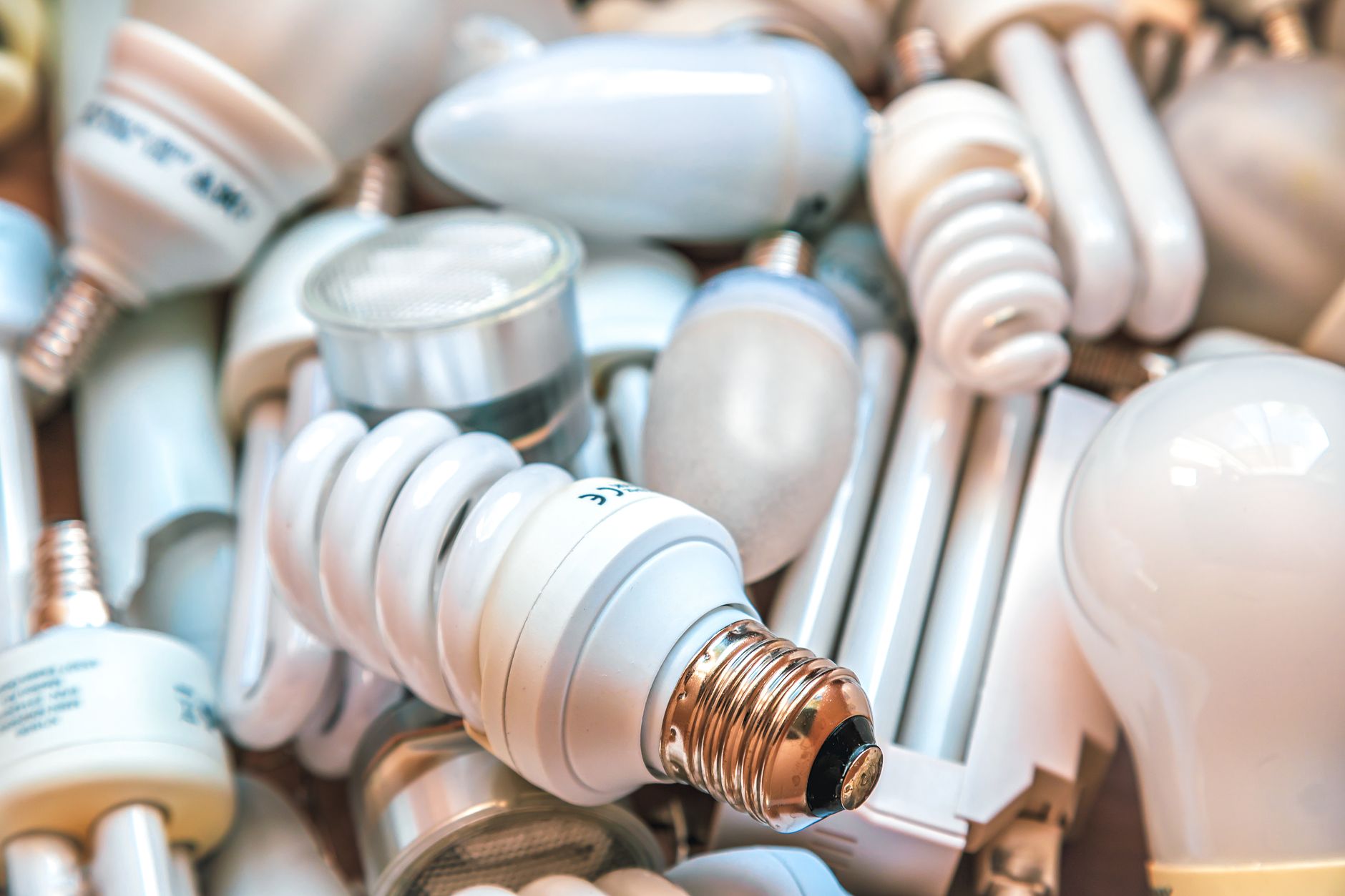
The short answer is: No, LED lights should ideally not be thrown in the regular trash. While technically permitted in some regions, responsible disposal through recycling or specialized collection programs is crucial to minimize environmental impact due to the presence of small amounts of hazardous materials and recoverable components.
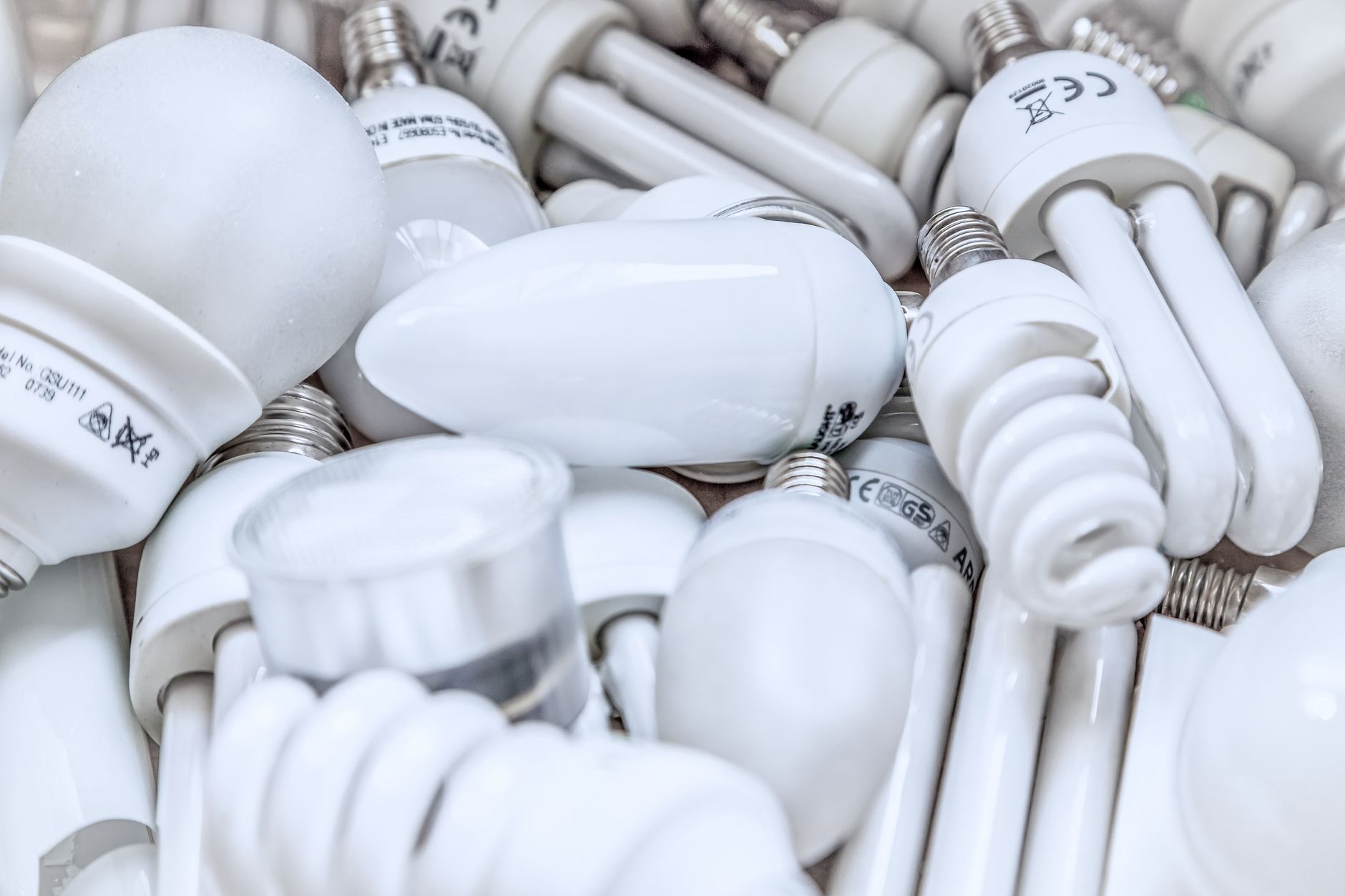
Why You Shouldn’t Simply Throw LED Lights Away
LEDs, or Light Emitting Diodes, have revolutionized the lighting industry, offering energy efficiency and longevity. However, their internal components and manufacturing processes necessitate careful consideration at the end of their lifespan.
The Composition of an LED Light
Understanding the materials within an LED light is key to understanding why proper disposal matters. They typically contain:
- Semiconductors: These include materials like gallium arsenide, indium, and aluminum, some of which are considered hazardous in certain concentrations.
- Metals: Lead, copper, and tin are often used in soldering and wiring within the LED. While the amounts are generally small, accumulation across millions of disposed bulbs can have a significant impact.
- Plastics: The outer casing is usually made of various plastics, contributing to landfill waste if not recycled.
- Glass or Polycarbonate Lenses: These components, while relatively inert, contribute to the overall volume of waste.

What colours are fish most attracted to?
Can you put your finger in a trout's mouth?
Is methylene blue anti bacterial?
Does aquarium salt raise pH in aquarium?
Environmental Concerns

Improper disposal can lead to several environmental problems:
- Leaching of Hazardous Materials: When LEDs end up in landfills, the hazardous materials they contain can leach into the soil and groundwater, potentially contaminating ecosystems and posing risks to human health.
- Resource Depletion: LEDs contain valuable materials that can be recovered and reused through recycling, reducing the need to mine new resources.
- Landfill Overcrowding: Throwing away durable items like LEDs contributes to the growing problem of landfill space constraints.
Proper Disposal Methods for LED Lights
Thankfully, there are several responsible ways to dispose of your old LED lights.
Recycling Programs
Recycling is the most environmentally friendly option. Many communities and retailers offer recycling programs specifically for electronic waste, including LED lights.
- Municipal Recycling Centers: Check with your local municipality for designated e-waste collection sites or special recycling events.
- Retailer Take-Back Programs: Major retailers like Home Depot, Lowe’s, and IKEA often have take-back programs for CFLs and LEDs, allowing you to drop off your used bulbs for proper recycling.
- Specialized Recycling Companies: Companies specializing in e-waste recycling can accept LED lights and ensure they are processed according to environmental regulations.
Mail-In Recycling Programs
If local recycling options are limited, consider mail-in recycling programs offered by some companies. These programs typically involve purchasing a pre-paid shipping box and sending your used bulbs to a designated recycling facility.
Responsible Disposal in the Trash (When Necessary)
While not ideal, if recycling options are genuinely unavailable, disposal in the regular trash is sometimes unavoidable. In these cases, consider:
- Checking Local Regulations: Some municipalities may have specific regulations regarding the disposal of electronic waste, even if it’s allowed.
- Containing the Bulbs: Wrap the LED bulb securely in newspaper or bubble wrap to prevent breakage and potential release of materials.
- Reducing Quantity: Try to accumulate a larger quantity of bulbs before disposing of them, in case recycling options become available in the future.
Frequently Asked Questions (FAQs) About LED Light Disposal
1. Are all LED lights considered hazardous waste?
While not all components are hazardous, the presence of materials like lead and gallium arsenide, even in small quantities, classifies LEDs as potentially hazardous waste. The classification and specific regulations depend on the region and the concentration of these materials.
2. What happens to LED lights during the recycling process?
During recycling, LED lights are typically dismantled, and the different materials are separated. The glass, plastic, and metals are then processed for reuse in new products. Hazardous materials are handled according to environmental regulations to prevent pollution.
3. Are there any dangers to handling broken LED bulbs?
While LEDs don’t contain mercury like CFLs, handling broken bulbs can still pose a risk. Avoid direct skin contact with broken glass and internal components. Use gloves and a dust mask for cleanup. Dispose of the debris properly, following local guidelines for hazardous waste.
4. Can I recycle LED Christmas lights?
Yes, LED Christmas lights can and should be recycled. Many of the same recycling options available for standard LED bulbs apply to Christmas lights. Some retailers even offer specific programs for recycling holiday lights.
5. How much does it cost to recycle LED lights?
Recycling costs can vary depending on the program and location. Some municipal recycling programs are free for residents. Retailer take-back programs are typically free as well. Mail-in recycling programs usually require a fee to cover shipping and processing costs.
6. Are there any financial incentives for recycling LED lights?
In some regions, there may be financial incentives or rebates available for recycling e-waste, including LED lights. Check with your local government or utility company to see if any such programs exist.
7. How long will it take for an LED bulb to decompose in a landfill?
The plastic and electronic components of LED bulbs can take hundreds of years to decompose in a landfill. This is another reason why recycling is a much better option.
8. Can I donate my old LED lights to charity?
While donating used LED lights to charity might seem like a good idea, it’s generally not recommended unless the bulbs are in perfect working condition and the charity can guarantee they will be used safely and efficiently. It’s usually better to recycle them.
9. Are LED lights more or less environmentally friendly than incandescent bulbs?
LED lights are significantly more environmentally friendly than incandescent bulbs due to their energy efficiency and longer lifespan. They consume far less electricity, reducing greenhouse gas emissions, and last much longer, reducing the frequency of replacements.
10. What is “e-waste,” and why is it important to manage it properly?
E-waste, or electronic waste, refers to discarded electronic devices, including LED lights, computers, and mobile phones. It’s important to manage e-waste properly because it contains valuable materials that can be recovered and reused, and it also contains hazardous substances that can pollute the environment if not handled correctly.
11. What is the difference between recycling CFLs and recycling LEDs?
The main difference lies in the hazardous materials they contain. CFLs contain mercury, which requires careful handling during recycling. LEDs typically don’t contain mercury, but they do contain other materials that should be recovered and recycled. However, both CFLs and LEDs should be recycled properly.
12. What are the future trends in LED light disposal and recycling?
Future trends include improved recycling technologies, stricter regulations on e-waste disposal, and increased consumer awareness about the importance of responsible LED light disposal. Research is also underway to develop more sustainable LED lighting materials and manufacturing processes.