
Can LED Lights Be Thrown In The Trash? The Definitive Guide
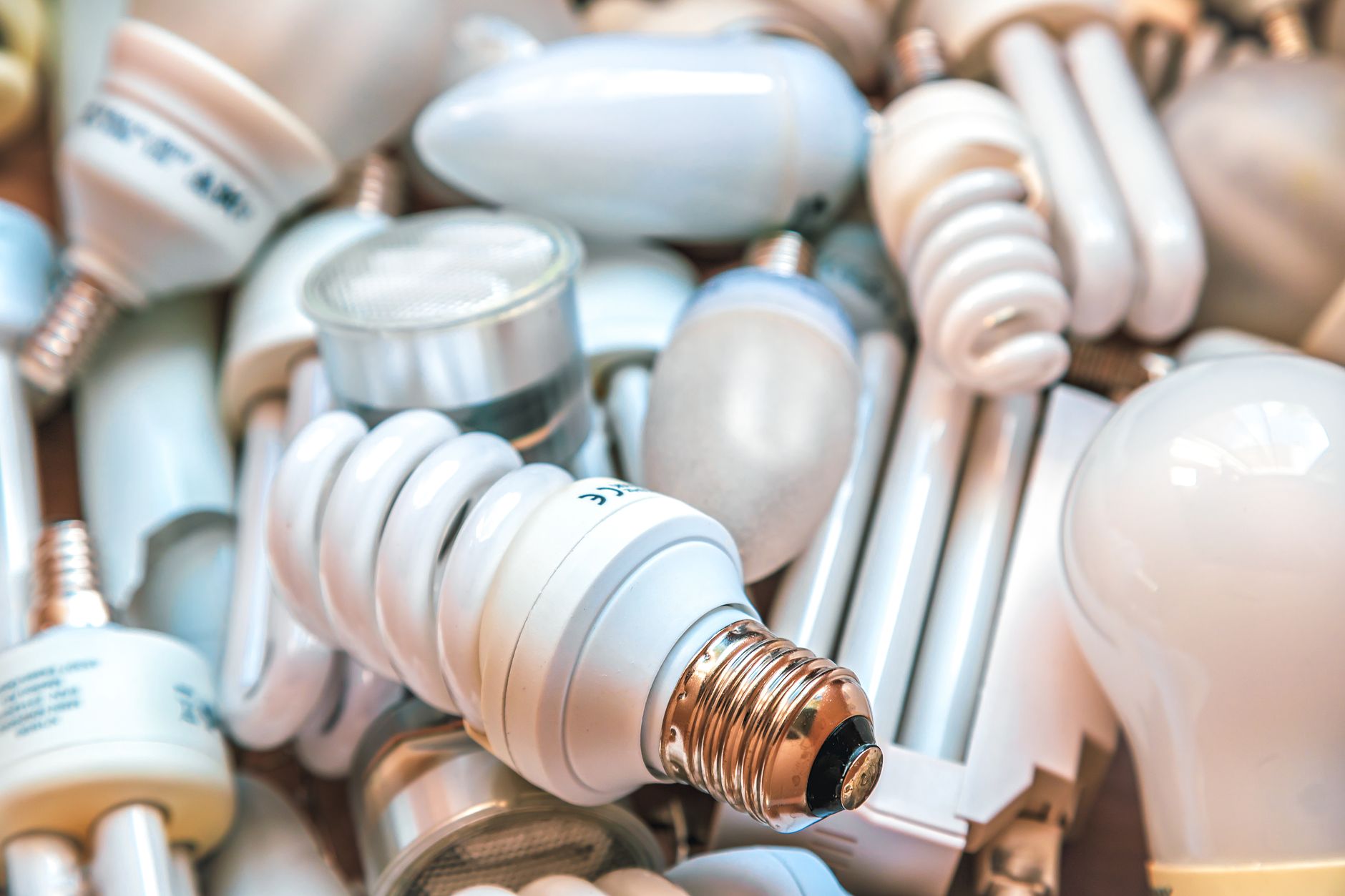
The simple answer is generally, no, you shouldn’t throw LED lights directly in the trash. While some areas permit it, the presence of hazardous materials like lead and arsenic (in trace amounts) in certain LED components, along with environmental concerns and the potential for recycling, make proper disposal a more responsible choice.
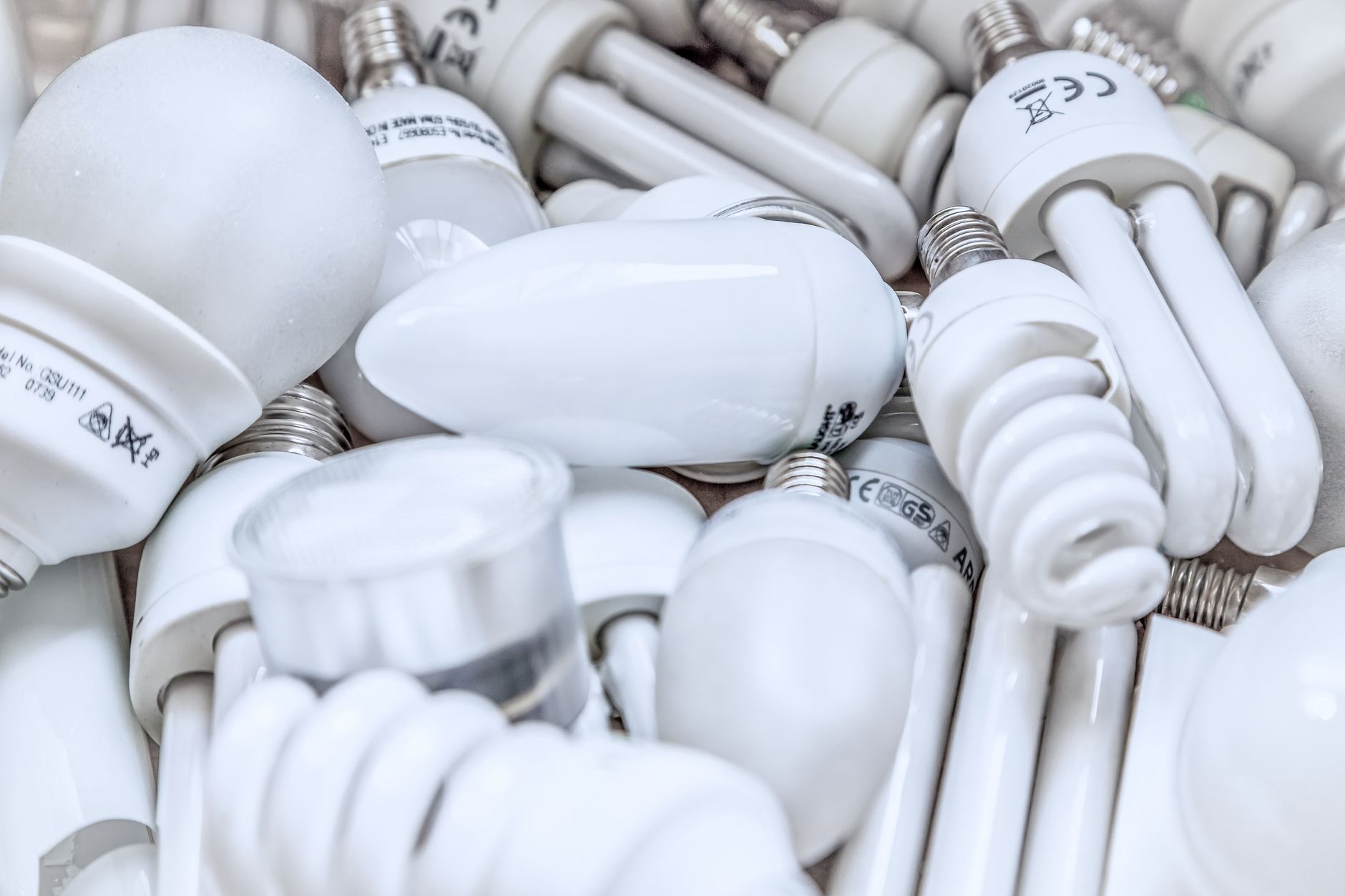
Understanding the Problem: Why LED Disposal Matters
Discarding LED lights alongside your regular household waste presents several challenges. Though significantly more efficient and longer-lasting than incandescent bulbs, LEDs contain electronic components that can leach harmful substances into the environment when they end up in landfills. Furthermore, valuable materials can be recovered through recycling processes, contributing to a circular economy and reducing the demand for raw materials. Ignoring proper disposal methods contributes to electronic waste (e-waste), a rapidly growing global problem with serious environmental and health implications. The long lifespan of LEDs might make disposal seem infrequent, but the sheer volume being used globally makes a collective responsible disposal effort crucial.
The Environmental Impact of Improper Disposal
Landfills are not designed to contain the potentially toxic chemicals found in electronic devices, including LED lights. When these materials degrade, they can contaminate soil and groundwater, impacting ecosystems and potentially entering the food chain. Although the quantities of hazardous substances in LEDs are usually small, the cumulative effect of millions of improperly disposed LEDs can be significant. For example, even trace amounts of lead, a neurotoxin, can accumulate in the environment and pose health risks, especially to children. Furthermore, the plastic components of LEDs can take hundreds of years to decompose, adding to the plastic pollution crisis.

What colours are fish most attracted to?
Can you put your finger in a trout's mouth?
Is methylene blue anti bacterial?
Does aquarium salt raise pH in aquarium?
The Value of Recycling

Recycling LED lights allows for the recovery of valuable materials like aluminum, copper, and glass. These materials can then be reused in the manufacturing of new products, reducing the need to mine and process virgin resources. This conserves energy, reduces pollution, and helps to create a more sustainable economy. Many recycling programs specifically target electronic waste, providing dedicated collection points and processing facilities to ensure that these materials are handled responsibly. Participating in these programs is a practical way to minimize your environmental footprint and contribute to a circular economy.
Frequently Asked Questions (FAQs) About LED Light Disposal
Here are some frequently asked questions to provide a more comprehensive understanding of LED light disposal and address common concerns:
FAQ 1: What Hazardous Materials Are Found in LED Lights?
LED lights often contain small amounts of lead, arsenic, and other heavy metals used in their semiconductor components. While the levels are generally low, the cumulative impact of improper disposal can be detrimental to the environment. Specific types of LEDs might contain varying concentrations, emphasizing the need for caution and adherence to proper disposal guidelines.
FAQ 2: Can I Just Throw Away Broken LED Bulbs?
Even if an LED bulb is broken, you should still avoid throwing it directly in the trash. The broken components can potentially release harmful materials more readily. Instead, carefully package the broken bulb in a sealed container or bag and dispose of it according to your local regulations for electronic waste.
FAQ 3: Where Can I Recycle LED Lights?
Many options exist for recycling LED lights. Check with your local recycling centers, municipal waste services, and hardware stores. Some retailers, like Home Depot and Lowe’s, offer recycling programs for CFLs and LEDs. Earth911’s website is also a valuable resource for finding local recycling drop-off locations.
FAQ 4: Are All LED Lights Created Equal When It Comes to Disposal?
No, not all LED lights are identical. Some higher-end or specialized LEDs might contain more complex components or different materials compared to standard household bulbs. Always refer to the manufacturer’s instructions for disposal or recycling recommendations specific to the product you are using.
FAQ 5: What are the Regulations Regarding LED Disposal in My Area?
Disposal regulations for LED lights vary by location. Contact your local waste management authority or environmental protection agency to determine the specific rules and guidelines in your area. Understanding these regulations is crucial for ensuring compliance and responsible disposal practices.
FAQ 6: What Happens to LED Lights When They are Recycled?
Recycling facilities specializing in e-waste disassemble LED lights and separate the different materials. Glass, aluminum, copper, and other valuable components are recovered and processed for reuse. Hazardous materials are properly contained and disposed of in accordance with environmental regulations.
FAQ 7: What are the Benefits of Using LED Lights?
Despite disposal concerns, LED lights offer significant advantages. They are far more energy-efficient than incandescent bulbs, consuming up to 75% less energy. They also have a much longer lifespan, lasting up to 25 times longer than traditional bulbs, reducing the frequency of replacements and associated waste.
FAQ 8: Should I Switch Back to Incandescent Bulbs to Avoid Disposal Issues?
No. Switching back to incandescent bulbs would be environmentally counterproductive. While they may seem simpler to dispose of, their high energy consumption and shorter lifespan result in a significantly larger overall environmental footprint compared to LEDs. Focusing on responsible LED disposal is the better solution.
FAQ 9: Can I Mail My Used LED Lights to a Recycling Facility?
Some recycling facilities offer mail-in programs for certain types of electronic waste. Check with specific recycling facilities to see if they accept LED lights via mail. Be sure to package the lights securely to prevent breakage during transit.
FAQ 10: What About the Packaging that LED Lights Come In?
The packaging for LED lights should also be recycled. Most cardboard and paper packaging is readily recyclable. Check with your local recycling program for specific guidelines on recycling plastic packaging materials. Reducing packaging waste by choosing products with minimal packaging is also beneficial.
FAQ 11: How Can Manufacturers Help with LED Light Disposal?
Manufacturers can play a crucial role by designing LED lights for easier disassembly and recycling. They can also provide clear instructions on proper disposal methods and offer take-back programs for their products. Industry-wide initiatives to standardize materials and promote recycling are also essential.
FAQ 12: What is the Future of LED Light Disposal?
The future of LED light disposal likely involves more advanced recycling technologies and stricter regulations. Research into more sustainable materials and designs will also contribute to reducing the environmental impact of LED lights. Increased public awareness and participation in recycling programs are crucial for achieving widespread responsible disposal.
Conclusion: Responsible Disposal is Key
While the question “Can LED lights be thrown in the trash?” might seem straightforward, the reality is more nuanced. While legally permissible in some locations, the potential environmental risks associated with improper disposal make recycling or other designated disposal methods the responsible and recommended course of action. By understanding the challenges and embracing proper disposal practices, we can minimize the environmental impact of LED lights and contribute to a more sustainable future.