
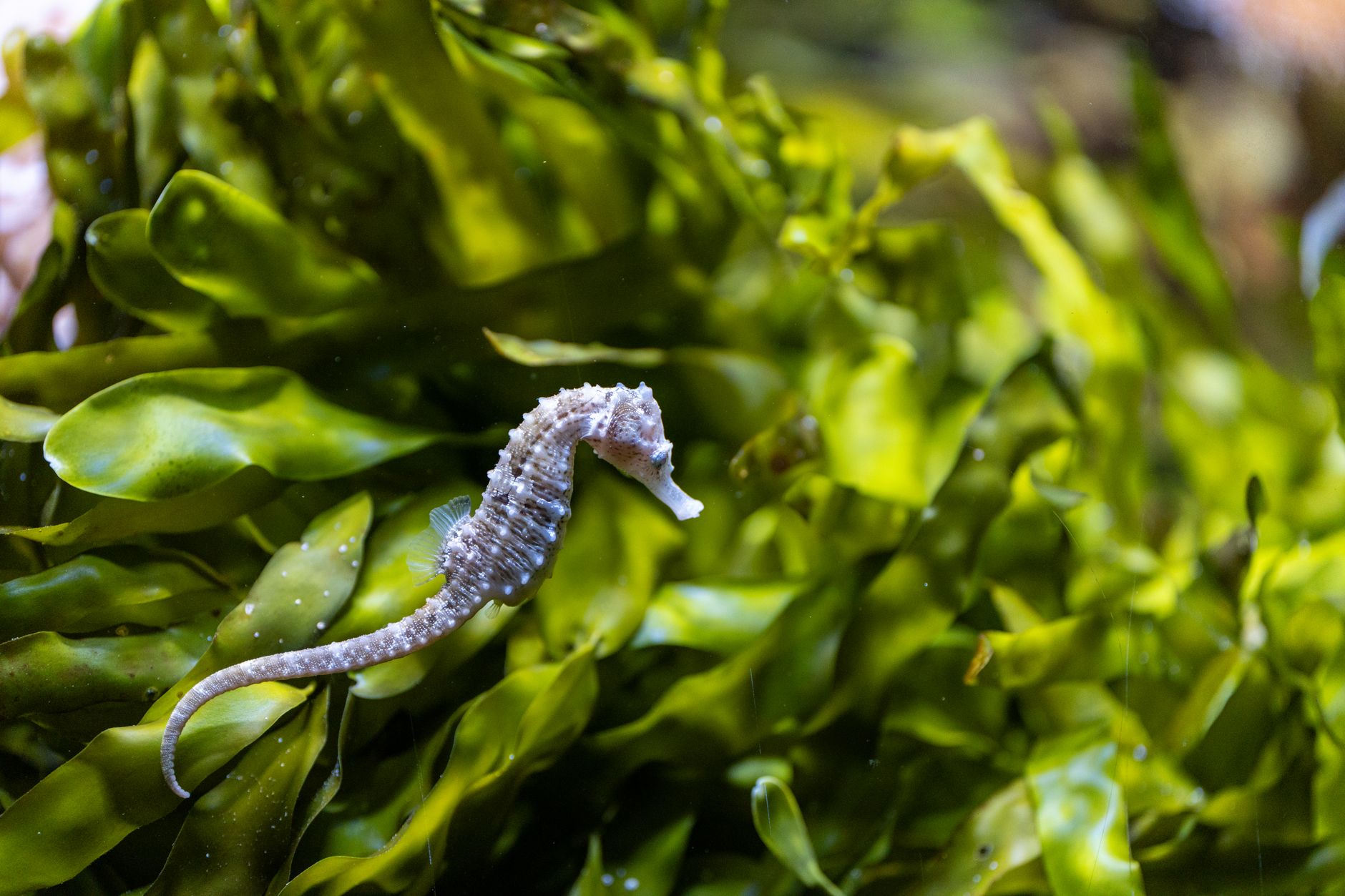
Can You Keep Seahorses in a Reef Tank? Navigating the Delicate Balance
Can you keep seahorses in a reef tank? While technically possible, successfully integrating seahorses into a reef tank is incredibly challenging and generally not recommended due to their specialized needs and the potential impact on both the seahorses and the existing reef ecosystem.
Understanding Seahorse Specific Needs
Keeping seahorses healthy and thriving requires a dedicated understanding of their unique biology and specific care requirements. These fascinating creatures are unlike typical reef inhabitants and necessitate a tailored environment.
- Slow, Deliberate Feeders: Seahorses are slow and deliberate feeders, requiring multiple small meals throughout the day. They are ambush predators that primarily eat small, live crustaceans like mysid shrimp.
- Gentle Water Flow: Seahorses prefer gentle water flow conditions. Strong currents can exhaust them and make it difficult for them to catch their prey.
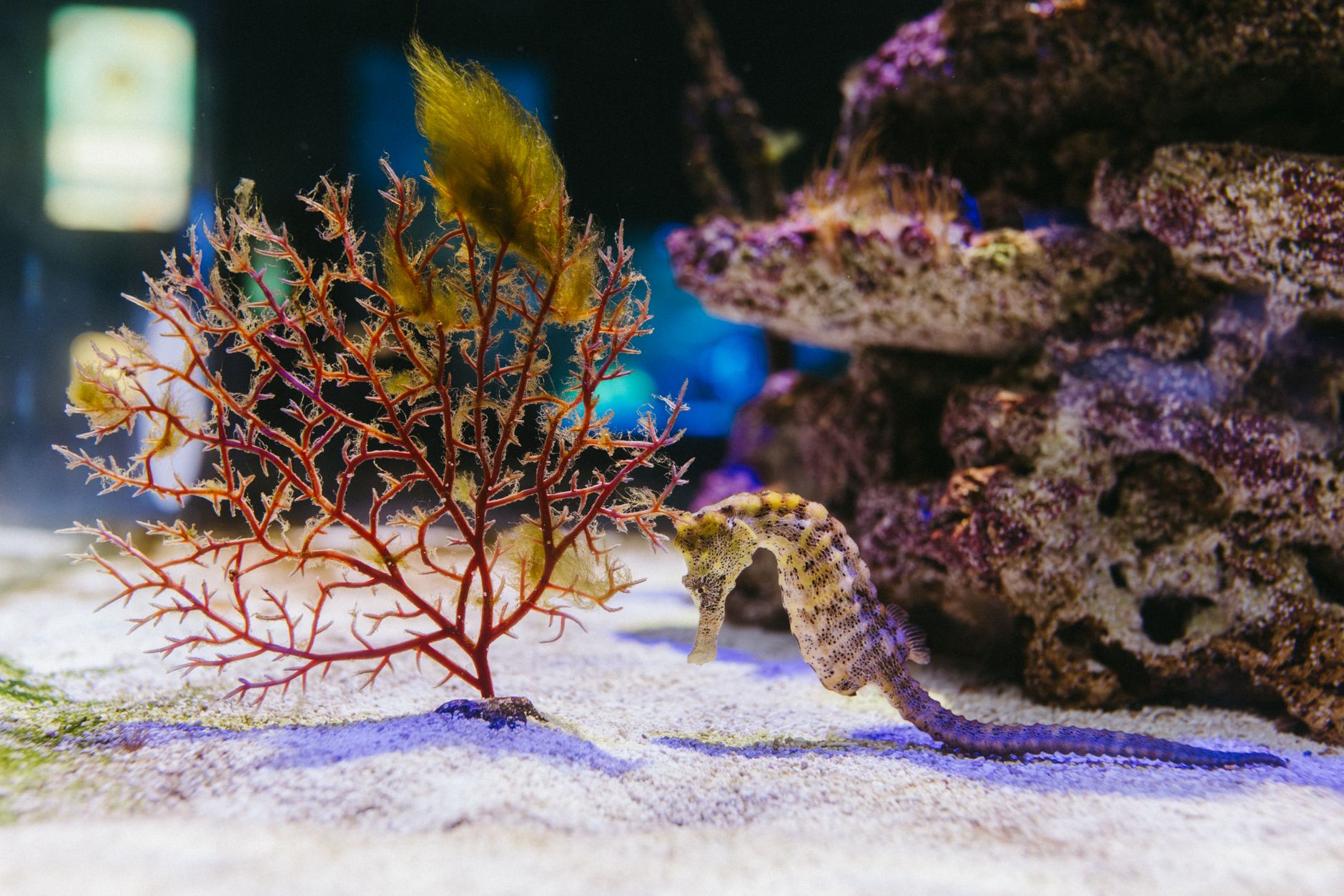
- Hitching Posts: They need plenty of hitching posts in the form of soft corals, artificial decorations, or macroalgae to rest and anchor themselves in the aquarium.
- Species-Specific Compatibility: Certain seahorse species are more delicate than others and have varying temperature and salinity requirements. Understanding the specific needs of the species is paramount.

What colours are fish most attracted to?
Can you put your finger in a trout's mouth?
Is methylene blue anti bacterial?
Does aquarium salt raise pH in aquarium?
The Challenges of Reef Tank Integration
Integrating seahorses into a traditional reef tank poses several significant challenges that often outweigh the potential rewards. The common conditions found in many reef tanks are often unsuitable for seahorses.
- Competition for Food: Many reef tank inhabitants, such as aggressive fish and invertebrates, can outcompete seahorses for food, leading to malnutrition and starvation.
- Incompatible Water Parameters: Reef tanks often have lower nutrient levels than seahorses thrive in. Seahorses generally prefer slightly “dirtier” water than a typical SPS-dominated reef tank.
- Aggressive Tankmates: Many reef fish and invertebrates can nip at seahorses or otherwise harass them, causing stress and injury. This includes things like coral banded shrimp, triggers, and even some larger angels.
- High Flow Requirements for Corals: The strong water flow required by many corals can be detrimental to seahorses.
Alternatives: Seahorse-Specific Aquariums
Instead of trying to force seahorses into a reef tank environment, consider setting up a species-specific aquarium designed solely for their needs. This allows for optimal control over water parameters, feeding schedules, and tankmate selection. This is the most effective way to successfully keep seahorses.
- Dedicated Tank Setup: A species-only tank allows you to tailor the environment to meet the specific needs of the seahorses.
- Controlled Environment: You can carefully control water flow, nutrient levels, and temperature to create an ideal habitat.
- Compatible Tankmates: Choose peaceful and compatible tankmates, such as pipefish or small gobies that won’t compete for food or harass the seahorses.
- Targeted Feeding: You can easily target-feed the seahorses to ensure they receive adequate nutrition.
Considerations Before Attempting Reef Tank Integration
If you are determined to try and integrate seahorses into a reef tank, carefully consider the following factors and be prepared to make significant adjustments to your current setup. Remember, even with the best preparation, Can I keep seahorses in a reef tank? still usually results in stress for the seahorses and can shorten their lifespan.
- Tank Size: A large tank is essential to provide adequate space for both the seahorses and other reef inhabitants.
- Tankmate Selection: Choose peaceful and slow-moving fish and invertebrates that won’t compete for food or harass the seahorses.
- Water Parameters: Maintain stable and appropriate water parameters, including temperature, salinity, and nutrient levels.
- Feeding Strategy: Develop a targeted feeding strategy to ensure the seahorses receive adequate nutrition.
- Observation: Closely observe the seahorses for any signs of stress or illness. Be prepared to remove them to a separate quarantine tank if necessary.
- Commitment: Keeping seahorses in a reef tank requires a significant commitment of time and resources.
Common Mistakes to Avoid
Several common mistakes can lead to failure when attempting to keep seahorses in a reef tank. Avoiding these pitfalls is crucial for the health and well-being of your seahorses.
- Introducing Incompatible Tankmates: Adding aggressive or predatory fish and invertebrates can quickly stress or kill seahorses.
- Overlooking Water Quality: Poor water quality can lead to a variety of health problems.
- Neglecting Feeding: Inadequate feeding can result in malnutrition and starvation.
- Ignoring Warning Signs: Ignoring early signs of stress or illness can allow problems to escalate.
- Lack of Research: Not doing adequate research into the specific needs of the seahorse species you’re keeping is a major mistake.
Frequently Asked Questions (FAQs)
Can seahorses live with clownfish?
While it might seem harmless, clownfish can be quite territorial and aggressive toward slower-moving fish like seahorses, especially during feeding time. The clownfish can outcompete the seahorses for food and harass them, causing stress and potentially physical injury.
What is the best food for seahorses?
The best food for seahorses is live mysid shrimp, which are small crustaceans that mimic their natural diet. Frozen mysid shrimp can be used as a supplement, but live food is crucial for their long-term health and well-being. Consider starting a mysid shrimp culture to ensure a consistent food supply.
How often should I feed my seahorses?
Seahorses should be fed multiple small meals throughout the day, ideally 2-3 times. Since they are slow eaters, it’s important to ensure they have ample opportunity to catch their food without competition from other tankmates.
What water temperature is best for seahorses?
The ideal water temperature for most common seahorse species is between 72-75°F (22-24°C). It’s crucial to maintain a stable temperature and avoid sudden fluctuations, which can stress the seahorses. This temperature is on the lower end of most reef tank environments.
What size tank do I need for seahorses?
A minimum tank size of 30 gallons is recommended for a pair of dwarf seahorses, while larger species require at least 55 gallons. The bigger the tank, the better, as it provides more space for the seahorses to move around and reduces the risk of water quality issues.
Can seahorses live with corals?
While some corals can be compatible, it’s important to choose soft corals that provide hitching posts and don’t require strong water flow. Avoid corals with stinging nematocysts that could harm the seahorses. Leather corals, gorgonians, and macroalgae are generally considered safe choices.
What are the signs of a healthy seahorse?
A healthy seahorse will be active, brightly colored, and have a good appetite. They should also have clear eyes, smooth skin, and no signs of fin rot or other diseases.
What are the signs of a stressed seahorse?
A stressed seahorse may display symptoms such as refusing to eat, swimming erratically, gasping at the surface, or showing signs of color loss. They may also hide more frequently and become more susceptible to diseases.
What are common seahorse diseases?
Common seahorse diseases include bacterial infections, parasitic infestations, and gas bubble disease. Early detection and treatment are crucial for successful recovery. Quarantine any new seahorses to avoid introducing diseases to your main tank.
Do seahorses need live rock?
Live rock is beneficial in a seahorse tank as it provides a natural source of filtration and helps to maintain stable water parameters. However, ensure the live rock is free of aggressive hitchhikers, such as mantis shrimp or bristle worms, which could harm the seahorses.
How do I acclimate seahorses to a new tank?
Acclimating seahorses to a new tank slowly and carefully is essential to minimize stress. Use the drip acclimation method over several hours to gradually introduce them to the new water parameters.
What are some good hitching posts for seahorses?
Good hitching posts for seahorses include soft corals like gorgonians and leathers, macroalgae such as Caulerpa, and artificial decorations designed specifically for seahorse tanks. Ensure the hitching posts are secure and free of sharp edges that could injure the seahorses.