
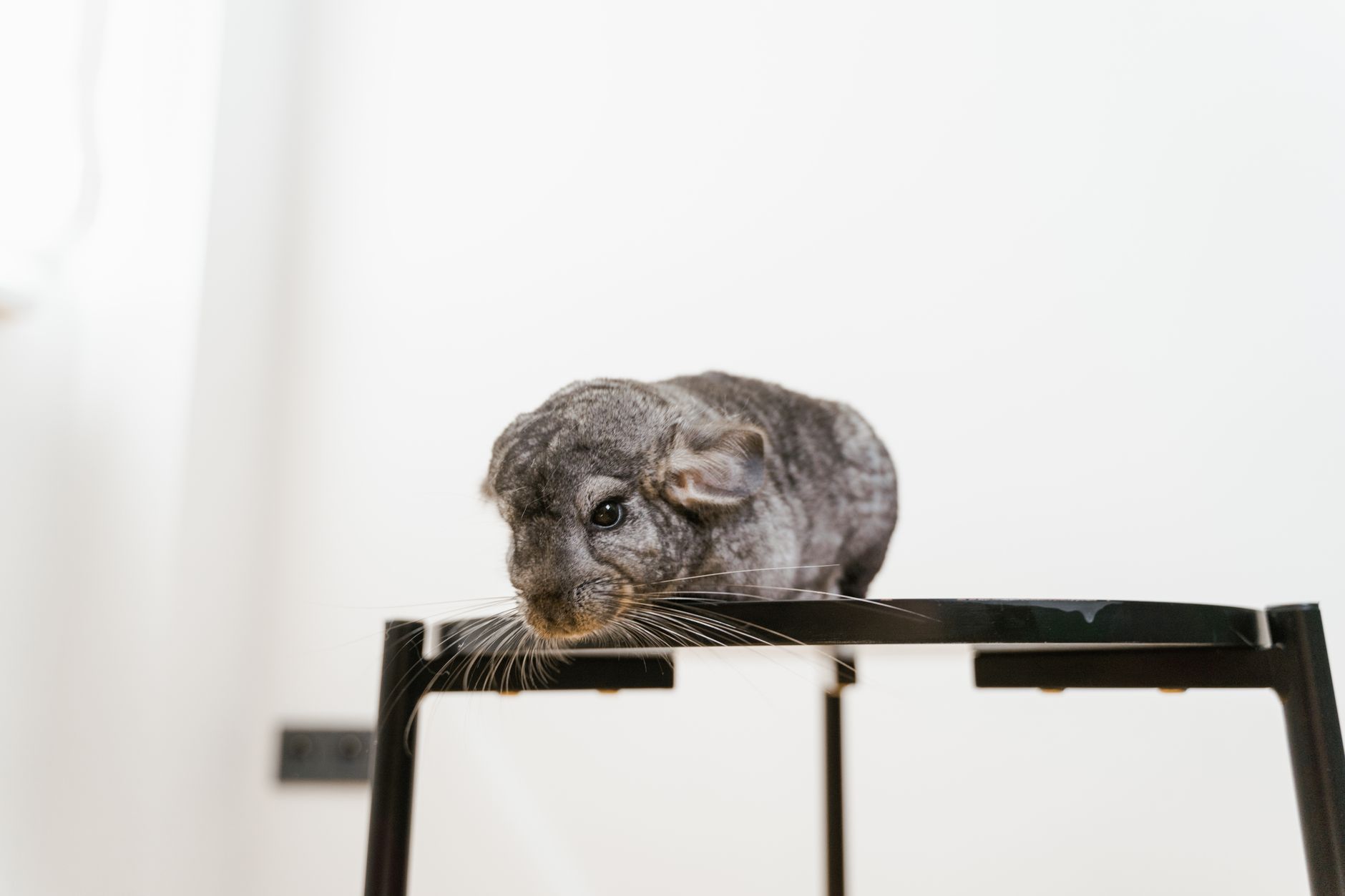
Can Humans Be Allergic to Chinchillas? Chinchilla Allergies Explained
Yes, humans can be allergic to chinchillas, although the primary culprit isn’t the chinchilla itself, but rather the dust they use for bathing and their dander. Understanding the triggers and managing exposure is crucial for potential chinchilla owners with allergies.

Understanding Chinchilla Allergies
Allergies to chinchillas, while not as common as cat or dog allergies, are certainly possible. What often surprises people is that they might not be allergic to the chinchilla fur itself. Instead, the allergens are usually:
- Chinchilla Dust: These small rodents require dust baths to maintain their fur. The dust itself, usually made of pumice, can be a significant allergen. The constant kicking and dispersal of the dust create an airborne allergen cloud.
- Dander: Like all animals with fur, chinchillas shed dander – tiny skin flakes. This dander, along with saliva and urine, can contain proteins that trigger allergic reactions.
- Hay and Bedding: Chinchillas need hay for dietary and nesting purposes. The hay and other bedding materials, like wood shavings, can also trigger allergies in sensitive individuals due to mold spores or dust mites.
- Urine and Feces: While less common, some people can be sensitive to proteins present in chinchilla urine and feces.

What colours are fish most attracted to?
Can you put your finger in a trout's mouth?
Is methylene blue anti bacterial?
Does aquarium salt raise pH in aquarium?
Symptoms of Chinchilla Allergies
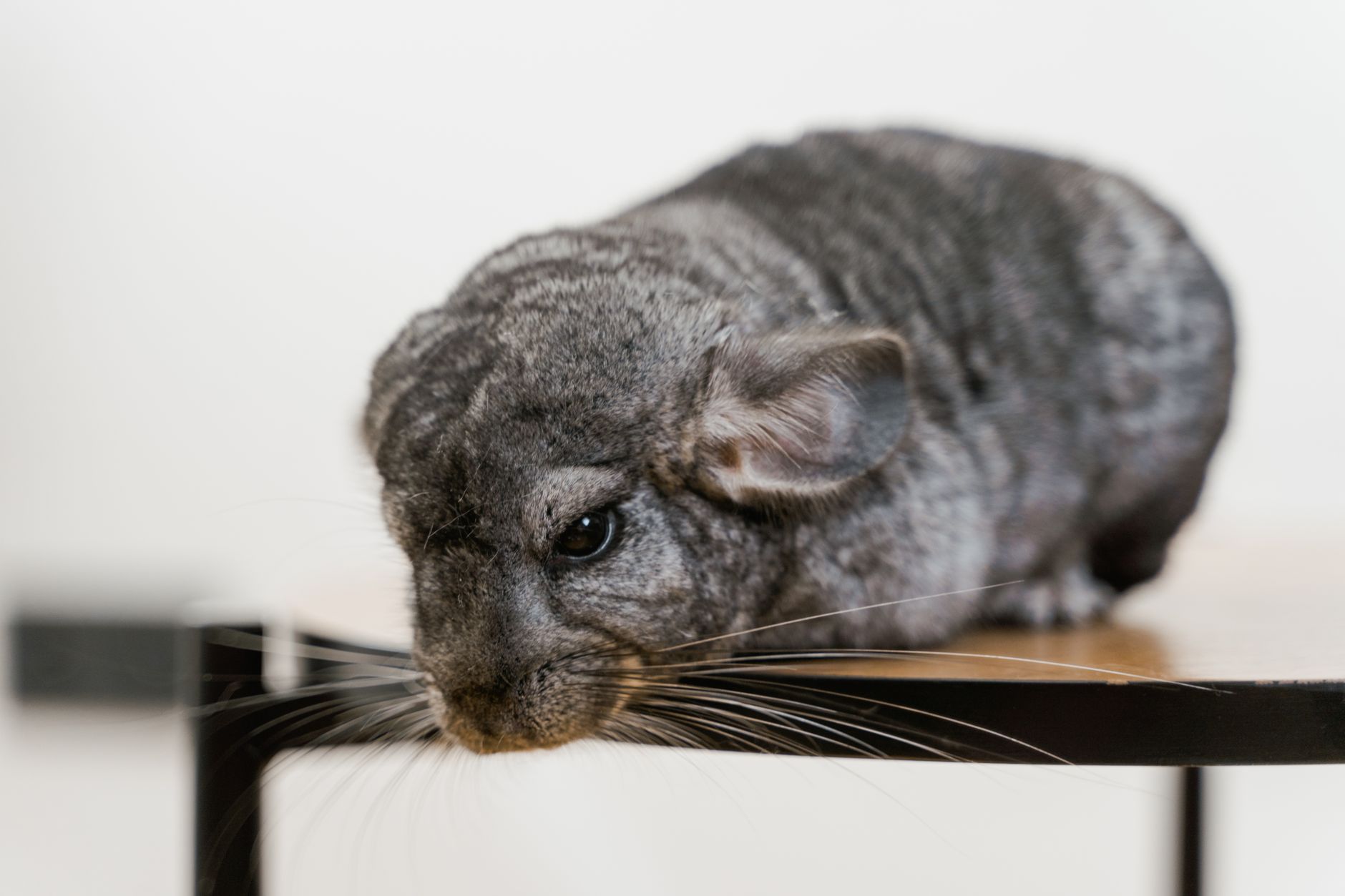
The symptoms of a chinchilla allergy are similar to those of other animal allergies. They can range from mild to severe and may include:
- Respiratory Symptoms: Sneezing, runny nose, nasal congestion, coughing, wheezing, shortness of breath, asthma exacerbation.
- Skin Symptoms: Itching, hives, eczema, skin rashes.
- Eye Symptoms: Itchy, watery, red eyes.
It’s important to note that these symptoms can also be caused by other allergens or conditions. If you suspect you’re allergic to chinchillas, it’s best to consult with an allergist for proper diagnosis.
Minimizing Allergy Risks
If you already own a chinchilla or are considering getting one, there are several steps you can take to minimize your allergy risks:
- Ventilation: Keep your home well-ventilated. Air purifiers with HEPA filters can help remove airborne allergens.
- Dust Bath Location: Conduct dust baths in a well-ventilated area, ideally outdoors, to prevent the dust from spreading indoors. Consider using a dust bath house with a lid to contain the dust.
- Dust Type: Experiment with different types of chinchilla dust. Some individuals may be less sensitive to certain brands or compositions. Consult with a veterinarian for recommendations.
- Cleaning: Regularly clean the chinchilla’s cage and surrounding area. Wear a mask and gloves while cleaning to minimize exposure to allergens.
- Hand Washing: Wash your hands thoroughly after handling your chinchilla or anything in its cage.
- Limited Contact: Avoid touching your face after handling your chinchilla.
- Bedroom Exclusion: Keep the chinchilla out of your bedroom to create an allergen-free sleeping environment.
- Allergy Medication: If you experience allergy symptoms, talk to your doctor about over-the-counter or prescription allergy medications, such as antihistamines or nasal corticosteroids.
- Allergy Shots (Immunotherapy): In some cases, allergy shots may be an option to desensitize you to chinchilla allergens.
Diagnosis and Treatment
The best way to determine if you’re allergic to chinchillas is to see an allergist. They can perform skin prick tests or blood tests to identify specific allergens.
Treatment typically involves a combination of avoidance strategies and medication. In severe cases, allergy shots may be recommended.
Comparing Allergens: Chinchillas vs. Other Pets
| Feature | Chinchillas | Cats | Dogs |
|---|---|---|---|
| Primary Allergen | Dust and Dander | Dander and Saliva | Dander and Saliva |
| Allergen Exposure | Dust bathing creates airborne dust | Dander sheds continuously | Dander sheds continuously |
| Common Symptoms | Sneezing, itchy eyes, skin rashes, wheezing | Sneezing, itchy eyes, skin rashes, wheezing | Sneezing, itchy eyes, skin rashes, wheezing |
| Management | Dust bath control, air purification | Regular grooming, air purification | Regular grooming, air purification |
Can humans be allergic to chinchillas? – Key Takeaways
Understanding the allergens associated with chinchillas and implementing preventative measures can significantly reduce the risk of allergic reactions. Remember to consult with a healthcare professional for proper diagnosis and treatment.
Frequently Asked Questions (FAQs)
Can a person suddenly develop a chinchilla allergy?
Yes, it is possible to develop an allergy to chinchillas at any point in your life, even if you have previously been around them without issue. This is because allergies are often triggered by repeated exposure to an allergen, leading the immune system to become sensitized.
Are some breeds of chinchillas more hypoallergenic than others?
There are no breeds of chinchillas that are considered truly hypoallergenic. While some individuals may produce slightly less dander, the primary allergen is still the dust they use for bathing, making breed differences less significant in allergy considerations.
What type of dust is best for chinchillas with allergies in the household?
Experimenting with different types of dust is key. Some people find that finer dusts create more airborne particles. Consider a coarser dust or even a pumice-based alternative. Always consult your veterinarian before making significant changes to your chinchilla’s care routine.
Is it possible to build up a tolerance to chinchilla allergens over time?
While not a guarantee, some individuals may experience a decrease in allergy symptoms with prolonged exposure to chinchillas. This is due to a process called immune tolerance, where the body gradually becomes less reactive to the allergen. However, this is not a reliable strategy for managing allergies and should never replace appropriate medical advice and treatment.
Can air purifiers really help with chinchilla allergies?
Yes, air purifiers with HEPA (High-Efficiency Particulate Air) filters can significantly reduce airborne allergens like chinchilla dust and dander. Place the air purifier near the chinchilla’s cage to maximize its effectiveness.
How often should I clean my chinchilla’s cage to minimize allergies?
Aim to spot clean the cage daily, removing soiled bedding and droppings. A thorough cleaning of the entire cage should be done at least once a week. During cleaning, wear a mask and gloves to minimize allergen exposure.
What other bedding options besides wood shavings are suitable for allergy sufferers?
Consider using fleece bedding or paper-based bedding, as these options generally produce less dust than wood shavings. Ensure the bedding is changed frequently to prevent the build-up of allergens.
Can I give my chinchilla baths with water instead of dust?
Never bathe your chinchilla with water. Water can get trapped in their dense fur, leading to skin infections and other health problems. Dust baths are essential for their hygiene.
If I am allergic, should I avoid getting a chinchilla altogether?
That depends on the severity of your allergies and your willingness to implement allergy management strategies. If you have severe allergies, it might be best to avoid chinchillas. However, if your allergies are mild and you are committed to reducing allergen exposure, you may be able to successfully co-exist with a chinchilla. Consult with your allergist for personalized advice.
Are chinchillas good pets for children with allergies?
This is a decision that should be made in consultation with the child’s allergist. Children are often more sensitive to allergens, so careful consideration is needed. Allergy testing is highly recommended before bringing a chinchilla into a household with a child who has a history of allergies.
Besides the chinchilla, what other items related to chinchilla care might trigger allergies?
Hay, used for both bedding and food, is a common allergy trigger. Look for dust-extracted hay varieties. Additionally, some cleaning products used to sanitize the cage may contain irritating chemicals.
I’ve tried everything, but my allergies are still severe. What should I do?
If your allergy symptoms remain severe despite implementing various management strategies, it may be necessary to reconsider whether owning a chinchilla is the right choice for you. Your health and well-being are paramount. Discuss your options with your allergist and veterinarian.