
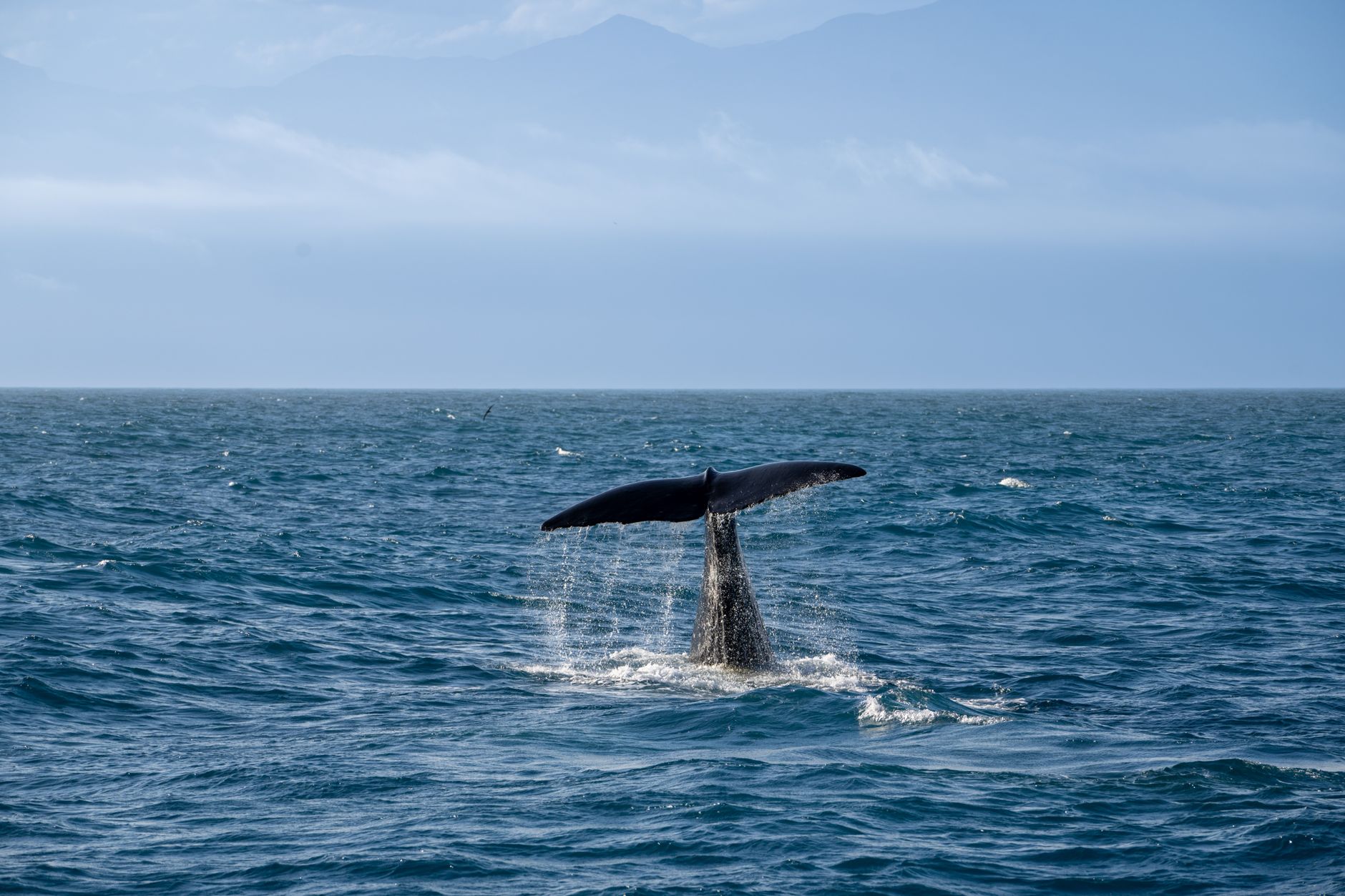
How Many Whales Are Killed Each Year by Ships?: A Deep Dive into Oceanic Collisions
The grim reality is that collisions with ships kill an estimated 20,000 whales annually worldwide, a figure that significantly threatens the survival of several whale species. Understanding the factors that contribute to this problem and exploring potential solutions are crucial for protecting these magnificent marine mammals.

The Alarming Rise of Ship Strikes: A Growing Threat
The increasing volume of global shipping poses a significant threat to whale populations worldwide. How many whales are killed each year by ships? The answer, unfortunately, is disturbingly high and appears to be on an upward trajectory. As ships become larger and faster, and as whale populations struggle to recover from historical whaling, the risk of ship strikes intensifies. These collisions often result in horrific injuries and death, contributing to population decline and hindering conservation efforts.
Is distilled water good for goldfish?
What colours are fish most attracted to?
Can you put your finger in a trout's mouth?
Is methylene blue anti bacterial?
Critical Whale Habitats and Shipping Lanes: A Deadly Intersection

The intersection of critical whale habitats and major shipping lanes creates a dangerous scenario for these marine giants. Many whale species migrate along predictable routes, often coinciding with busy shipping lanes. Areas rich in food, such as feeding grounds and breeding areas, also attract both whales and ships, increasing the probability of collisions. Identifying and mitigating these high-risk zones is paramount to reducing whale mortality.
Factors Contributing to Ship Strikes: Speed, Size, and Awareness
Several factors contribute to the risk of ship strikes. Ship speed is a critical determinant, as faster ships increase the likelihood of a fatal collision. Larger ships tend to cause more severe injuries and are less maneuverable, making it difficult to avoid whales. Lack of awareness among mariners is another significant factor; education and training on whale identification and collision avoidance techniques are essential. The presence of background noise from ship engines interferes with whale communication and echolocation, making it harder for them to detect oncoming vessels.
Understanding Whale Behavior: Key to Mitigation Strategies
Understanding whale behavior is crucial for developing effective mitigation strategies. Some whale species are more susceptible to ship strikes than others, due to differences in their behavior, habitat use, and swimming patterns. For example, slower-moving whales or those that spend more time near the surface are at greater risk. Studying whale movements, feeding habits, and responses to ship traffic can inform targeted conservation measures, such as seasonal speed restrictions and route adjustments.
Mitigation Strategies: From Speed Limits to Technological Solutions
Various mitigation strategies are being implemented to reduce the risk of ship strikes. Seasonal speed restrictions in critical habitats have proven effective in lowering collision rates. Rerouting shipping lanes to avoid areas of high whale density is another valuable strategy.
Other approaches include:
- Acoustic monitoring: Using hydrophones to detect whale vocalizations and alert ships to their presence.
- Real-time whale tracking: Utilizing satellite tags and other technologies to monitor whale movements and provide real-time information to mariners.
- Education and outreach: Raising awareness among mariners and the public about the issue of ship strikes and promoting responsible boating practices.
- Technological advancements: Developing quieter ship technologies and improved collision avoidance systems.
The Role of Technology: Advancements in Whale Detection and Avoidance
Technological advancements are playing an increasingly important role in mitigating ship strikes. Acoustic monitoring systems can detect whale vocalizations over long distances, providing early warnings to ships. Real-time whale tracking systems provide valuable data on whale movements, allowing ships to adjust their course and speed. Improved collision avoidance systems, incorporating radar and sonar, can help ships detect whales and avoid collisions.
International Regulations and Conservation Efforts: A Global Responsibility
Addressing the issue of ship strikes requires international cooperation and coordinated conservation efforts. The International Maritime Organization (IMO) plays a vital role in developing and implementing regulations to reduce ship strikes. National governments also have a responsibility to protect whale populations within their jurisdictions. Collaborative efforts among scientists, conservation organizations, and the shipping industry are essential for developing and implementing effective mitigation strategies.
The Economic Impacts of Whale Mortality: Beyond the Loss of a Species
The economic impacts of whale mortality extend beyond the loss of a single animal. Whales play a crucial role in marine ecosystems, contributing to nutrient cycling and supporting healthy fisheries. Whale watching tourism generates significant revenue for many coastal communities. Losing whales to ship strikes can have cascading effects on the marine environment and the economies that depend on it.
The Future of Whale Conservation: A Call to Action
The future of whale conservation depends on our collective efforts to mitigate the threat of ship strikes. Addressing this issue requires a multi-faceted approach, involving scientific research, technological innovation, regulatory action, and public awareness. By working together, we can protect these magnificent marine mammals and ensure their survival for generations to come. How many whales are killed each year by ships? This is a question we must continue to address with urgency and determination.
The Importance of Data Collection and Research: Informed Decision-Making
Comprehensive data collection and robust scientific research are critical for understanding the scope of the ship strike problem and developing effective solutions. Accurate data on the number of whales killed by ships, as well as information on whale distribution, behavior, and responses to ship traffic, are essential for informed decision-making. Continued investment in research is necessary to identify high-risk areas, evaluate the effectiveness of mitigation measures, and develop new technologies to prevent collisions.
Success Stories and Ongoing Challenges: A Mixed Bag of Progress
While significant progress has been made in raising awareness about the issue of ship strikes and implementing mitigation measures, significant challenges remain. Some success stories include the reduction of ship strikes in specific areas through speed restrictions and route adjustments. However, the increasing volume of global shipping and the continued expansion of human activities in the marine environment pose ongoing threats. Continued efforts are needed to address these challenges and ensure the long-term survival of whale populations.
Frequently Asked Questions (FAQs)
What specific whale species are most vulnerable to ship strikes?
North Atlantic right whales, humpback whales, and fin whales are among the most vulnerable species. Right whales, in particular, are slow-moving and spend a significant amount of time near the surface, making them highly susceptible. Fin whales also frequent busy shipping lanes.
How do scientists determine if a whale’s death was caused by a ship strike?
Scientists conduct thorough necropsies (animal autopsies) to examine the whale’s body for evidence of trauma consistent with a ship strike. This includes looking for broken bones, propeller cuts, and internal injuries. The location and circumstances of the whale’s death also provide clues.
What are “dynamic management areas” and how do they help prevent ship strikes?
Dynamic management areas are designated zones where specific conservation measures, such as temporary speed restrictions, are implemented when whales are detected in the area. This allows for a flexible and responsive approach to mitigating ship strikes, adapting to the real-time presence of whales.
Are there any regulations in place to protect whales from ship strikes?
Yes, various regulations are in place. The International Maritime Organization (IMO) has guidelines for reducing ship strikes, and many countries have national laws and regulations protecting whales and their habitats. These may include speed limits, mandatory reporting systems, and restrictions on shipping routes.
How effective are speed restrictions in reducing whale deaths from ship strikes?
Speed restrictions have proven to be quite effective. Studies show that reducing ship speeds to 10 knots or less significantly decreases the likelihood of a fatal collision. Slower speeds allow whales more time to react and avoid oncoming vessels, and also reduce the severity of injuries in the event of a collision.
What is being done to reduce underwater noise from ships, and how does this help whales?
Efforts are underway to develop quieter ship technologies, such as improved propeller designs and noise-dampening materials. Reducing underwater noise pollution improves whales’ ability to communicate, navigate, and detect predators and other ships, decreasing the risk of collisions.
How does whale watching tourism impact the risk of ship strikes?
While whale watching tourism can contribute to conservation efforts by raising awareness and generating revenue for research and protection, it can also increase the risk of ship strikes if not properly managed. Responsible whale watching operations follow guidelines to minimize disturbance to whales and avoid collisions.
What can individual boaters do to help prevent ship strikes?
Individual boaters can take several actions to reduce the risk of ship strikes, including reducing speed, staying vigilant for whales, learning to identify whale species, and reporting whale sightings to relevant authorities.
Are there any technologies being developed to detect whales in real-time?
Yes, various technologies are being developed, including acoustic monitoring systems, satellite tagging, and aerial surveys using drones and airplanes. These technologies provide real-time information on whale locations, allowing ships to take evasive action.
What is the role of international cooperation in addressing the issue of ship strikes?
International cooperation is crucial, as many whale populations migrate across international borders and use shared ocean areas. Collaborative efforts among governments, scientists, and the shipping industry are needed to develop and implement effective mitigation strategies on a global scale.
How does climate change affect the risk of ship strikes to whales?
Climate change can alter whale distribution and migration patterns, potentially bringing them into closer proximity to shipping lanes. Changes in prey availability due to climate change can also force whales to forage in new areas, increasing their risk of encountering ships.
What is the long-term outlook for whale populations if ship strikes are not reduced?
If ship strikes are not significantly reduced, many whale populations, particularly those that are already endangered, face a serious risk of extinction. Continued ship strikes can hinder population recovery, disrupt social structures, and contribute to overall population decline.