

Can Budgies Make You Sick? Understanding the Risks and Precautions
While owning a budgie is generally safe and brings immense joy, the answer to Can budgies make you sick? is, unfortunately, yes, although the risk is relatively low with proper hygiene and care.
The Allure of Budgies: Small Birds, Big Personalities
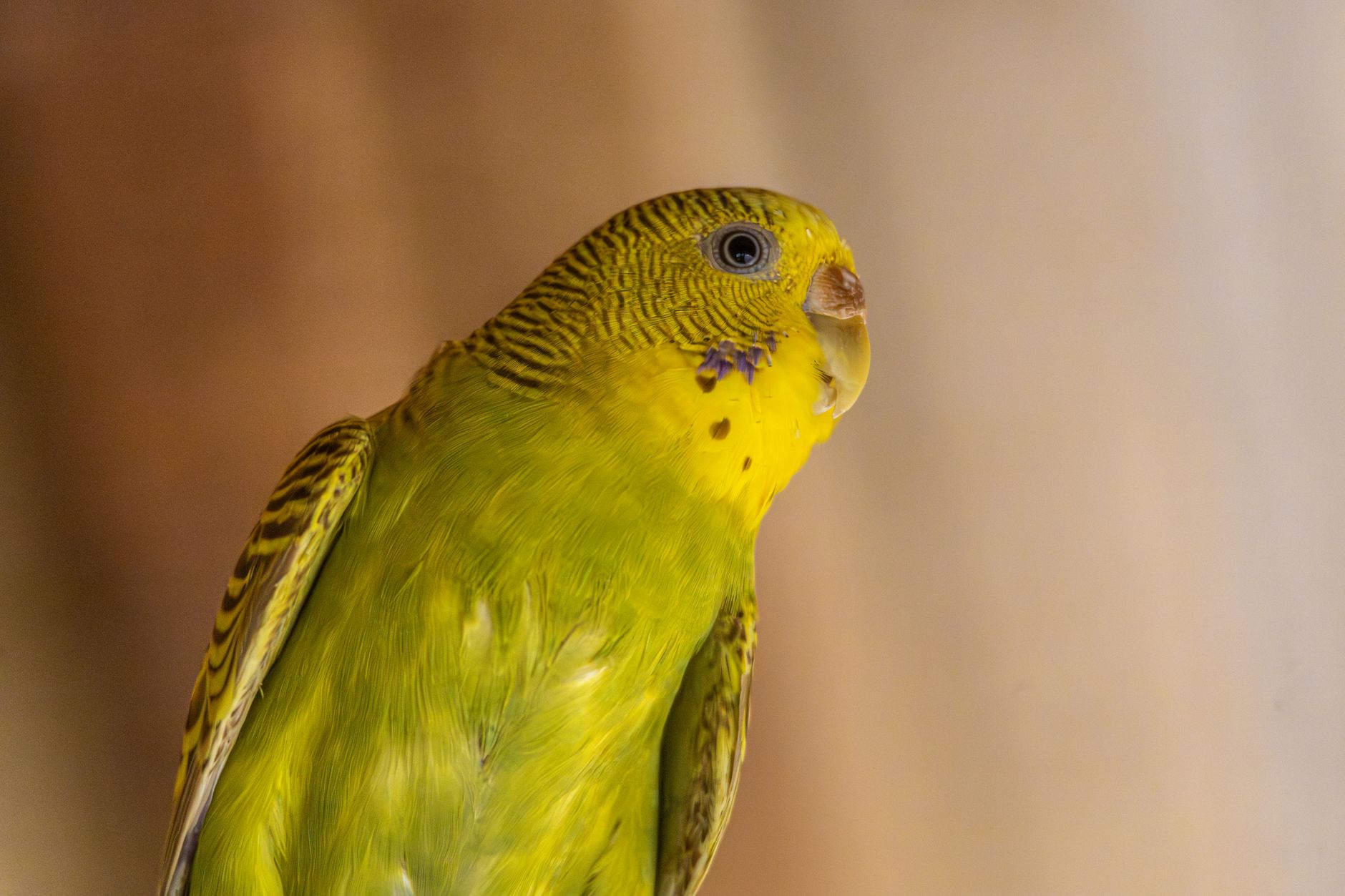
Budgies, also known as parakeets, are popular pets celebrated for their vibrant colors, playful personalities, and ability to mimic human speech. They are relatively easy to care for, making them a favorite among bird enthusiasts, families, and apartment dwellers. However, like any pet, they can potentially transmit diseases or trigger allergic reactions, which is why understanding the potential health risks is crucial for responsible pet ownership. The question, Can budgies make you sick? is valid and deserves a thorough examination.
What colours are fish most attracted to?
Can you put your finger in a trout's mouth?
Is methylene blue anti bacterial?
Does aquarium salt raise pH in aquarium?
Common Diseases Transmitted by Budgies

Although budgies are generally healthy creatures, they can carry certain diseases that can be transmitted to humans. These are called zoonotic diseases. Understanding these risks and taking preventative measures is key to enjoying your budgie companion without jeopardizing your health. Here are some of the common illnesses associated with budgies:
- Psittacosis (Parrot Fever): This bacterial infection, caused by Chlamydia psittaci, is perhaps the most well-known risk associated with birds. Symptoms in humans can range from mild flu-like symptoms to severe pneumonia.
- Allergies: Bird dander, feathers, and droppings can trigger allergic reactions in sensitive individuals. This can manifest as respiratory problems, skin rashes, and watery eyes.
- Fungal Infections: Budgies can carry fungal infections, such as Aspergillosis and Histoplasmosis, which can be transmitted to humans through inhaled spores, particularly for individuals with compromised immune systems.
- Bacterial Infections (other than Psittacosis): Salmonella is another potential bacterial infection that can be spread through contact with contaminated surfaces.
- Cryptosporidiosis: This parasitic infection can cause gastrointestinal distress in humans. It’s relatively rare but can be contracted through contact with contaminated feces.
Minimizing the Risks: Hygiene and Prevention
Fortunately, the risk of contracting a disease from a budgie is relatively low if you take appropriate precautions. Good hygiene practices are paramount.
- Handwashing: Always wash your hands thoroughly with soap and water after handling your budgie, cleaning its cage, or coming into contact with its droppings. This is the single most important preventative measure.
- Cage Cleaning: Clean the cage regularly, preferably daily, to remove droppings, spilled food, and other debris. Use a bird-safe disinfectant.
- Ventilation: Ensure good ventilation in the room where the budgie’s cage is located to minimize the accumulation of dust and dander. An air purifier with a HEPA filter can be beneficial.
- Protective Gear: Wear gloves and a mask when cleaning the cage, especially if you are prone to allergies or have a compromised immune system.
- Regular Veterinary Checkups: Take your budgie for regular checkups with an avian veterinarian to ensure it is healthy and free from disease.
- Source Your Budgie Responsibly: Purchase your budgie from a reputable breeder or pet store that prioritizes the health and well-being of its birds.
Understanding Bird Dander and Allergies
A common concern for potential budgie owners is the issue of bird dander and allergies. Bird dander is similar to pet dander from cats and dogs; it consists of tiny skin flakes and feather dust that can become airborne and trigger allergic reactions.
- Symptoms of Bird Allergies: Common symptoms include sneezing, runny nose, itchy eyes, coughing, wheezing, and shortness of breath.
- Managing Bird Allergies: If you suspect you have a bird allergy, consult with an allergist. They may recommend allergy testing and treatment options such as antihistamines, nasal corticosteroids, and immunotherapy (allergy shots).
- Creating a Hypoallergenic Environment: While no bird is truly hypoallergenic, you can take steps to reduce allergen levels in your home:
- Use an air purifier with a HEPA filter.
- Clean frequently to remove dust and dander.
- Bathe your budgie regularly (consult with your vet on proper bathing techniques).
- Avoid carpeting, which can trap allergens.
- Consider using a humidifier to keep the air moist, which can help reduce airborne dust.
Special Considerations for Vulnerable Populations
Certain individuals are at higher risk of developing complications from zoonotic diseases transmitted by budgies. These include:
- Children: Young children are more susceptible to infections due to their developing immune systems and tendency to put things in their mouths.
- Pregnant Women: Some zoonotic diseases can pose risks to the developing fetus.
- Elderly Individuals: Older adults often have weakened immune systems, making them more vulnerable to infections.
- Immunocompromised Individuals: People with weakened immune systems due to conditions like HIV/AIDS, cancer treatment, or organ transplantation are at increased risk of severe illness.
If you belong to one of these groups, consult with your doctor and take extra precautions to minimize your risk of exposure to zoonotic diseases.
Differentiating Allergies from Infections
It’s important to be able to differentiate between allergic reactions to bird dander and symptoms of a potential infection. Allergies typically involve respiratory symptoms like sneezing, runny nose, and itchy eyes, while infections often present with flu-like symptoms such as fever, chills, muscle aches, and fatigue. If you experience any unusual symptoms, consult with your doctor promptly.
Table: Comparing Allergies and Infections from Budgies
| Feature | Allergies | Infections |
|---|---|---|
| Cause | Bird dander, feathers, droppings | Bacteria, viruses, fungi, parasites |
| Symptoms | Sneezing, runny nose, itchy eyes, wheezing | Fever, chills, fatigue, muscle aches, cough |
| Onset | Usually rapid, after exposure | Gradual, over several days |
| Treatment | Antihistamines, nasal corticosteroids | Antibiotics, antivirals, antifungals |
| Contagious? | No | Potentially, depending on the infection |
Conclusion: Informed Ownership for a Healthy Relationship
Owning a budgie can be a rewarding experience, bringing joy and companionship into your life. However, it’s important to be aware of the potential health risks associated with these birds. By practicing good hygiene, providing proper care, and seeking veterinary attention when needed, you can minimize the risk of illness and enjoy a healthy relationship with your feathered friend. The answer to Can budgies make you sick? ultimately depends on your dedication to responsible pet ownership.
Frequently Asked Questions (FAQs)
Can budgies cause respiratory problems?
Yes, budgies can cause respiratory problems primarily due to bird dander. This dander, consisting of tiny skin flakes and feather dust, can become airborne and irritate the respiratory system, leading to symptoms such as sneezing, coughing, wheezing, and shortness of breath, especially in individuals with pre-existing allergies or asthma.
What are the early signs of psittacosis in budgies?
Early signs of psittacosis (parrot fever) in budgies can be subtle and include lethargy, loss of appetite, ruffled feathers, nasal discharge, and diarrhea. It’s crucial to consult with an avian veterinarian if you notice any of these symptoms in your bird to ensure prompt diagnosis and treatment, protecting both your budgie and yourself.
How often should I clean my budgie’s cage?
Ideally, you should clean your budgie’s cage daily or every other day to maintain a healthy environment. This includes removing droppings, spilled food, and replacing the cage lining. A thorough cleaning with a bird-safe disinfectant should be done weekly to prevent the buildup of bacteria and fungi.
What is the best way to disinfect a budgie cage?
The best way to disinfect a budgie cage is to use a bird-safe disinfectant solution, following the manufacturer’s instructions carefully. Avoid harsh chemicals like bleach, which can be harmful to birds. After disinfecting, rinse the cage thoroughly with water and allow it to dry completely before returning your budgie.
Are there any hypoallergenic budgie breeds?
While no bird is truly hypoallergenic, some budgies may produce less dander than others. However, this is more of an individual variation than a breed-specific trait. Managing allergies through proper hygiene and air filtration is generally more effective than searching for a “hypoallergenic” budgie.
Can budgie bites cause infection?
While budgie bites are generally not dangerous, any break in the skin can potentially lead to a bacterial infection. Thoroughly clean the bite area with soap and water, and monitor for signs of infection, such as redness, swelling, and pus. If you notice any of these symptoms, consult with a doctor.
What type of air purifier is best for bird owners?
The best type of air purifier for bird owners is one with a HEPA (High-Efficiency Particulate Air) filter. These filters effectively remove dust, dander, and other airborne particles, helping to reduce allergen levels and improve air quality.
How can I tell if my budgie has a zoonotic disease?
Signs that your budgie may have a zoonotic disease can vary, but some common indicators include lethargy, loss of appetite, ruffled feathers, nasal discharge, diarrhea, and changes in behavior. If you suspect your budgie is ill, it’s important to consult with an avian veterinarian promptly for diagnosis and treatment.
Can I catch anything from handling my budgie’s toys?
Yes, you can potentially catch something from handling your budgie’s toys if they are contaminated with droppings or saliva. Always wash your hands thoroughly after handling your budgie’s toys, and clean the toys regularly with a bird-safe disinfectant to minimize the risk of transmission.
How do I protect myself from allergies while cleaning my budgie’s cage?
To protect yourself from allergies while cleaning your budgie’s cage, wear gloves and a mask to minimize exposure to dust and dander. Clean the cage in a well-ventilated area or outdoors if possible. Consider using an air purifier to remove airborne allergens.
Is it safe for pregnant women to own budgies?
It is generally safe for pregnant women to own budgies, but they should take extra precautions to minimize the risk of exposure to zoonotic diseases. This includes practicing strict hygiene, wearing gloves and a mask when cleaning the cage, and avoiding direct contact with droppings. Consult with your doctor for personalized advice.
Can I get sick from my budgie even if it seems healthy?
Yes, it is possible to get sick from your budgie even if it appears healthy, as some birds can be carriers of diseases without showing symptoms. Practicing good hygiene, having regular veterinary checkups for your budgie, and maintaining a clean environment are essential to minimizing the risk of transmission. Can budgies make you sick? The best defense is always prevention.