
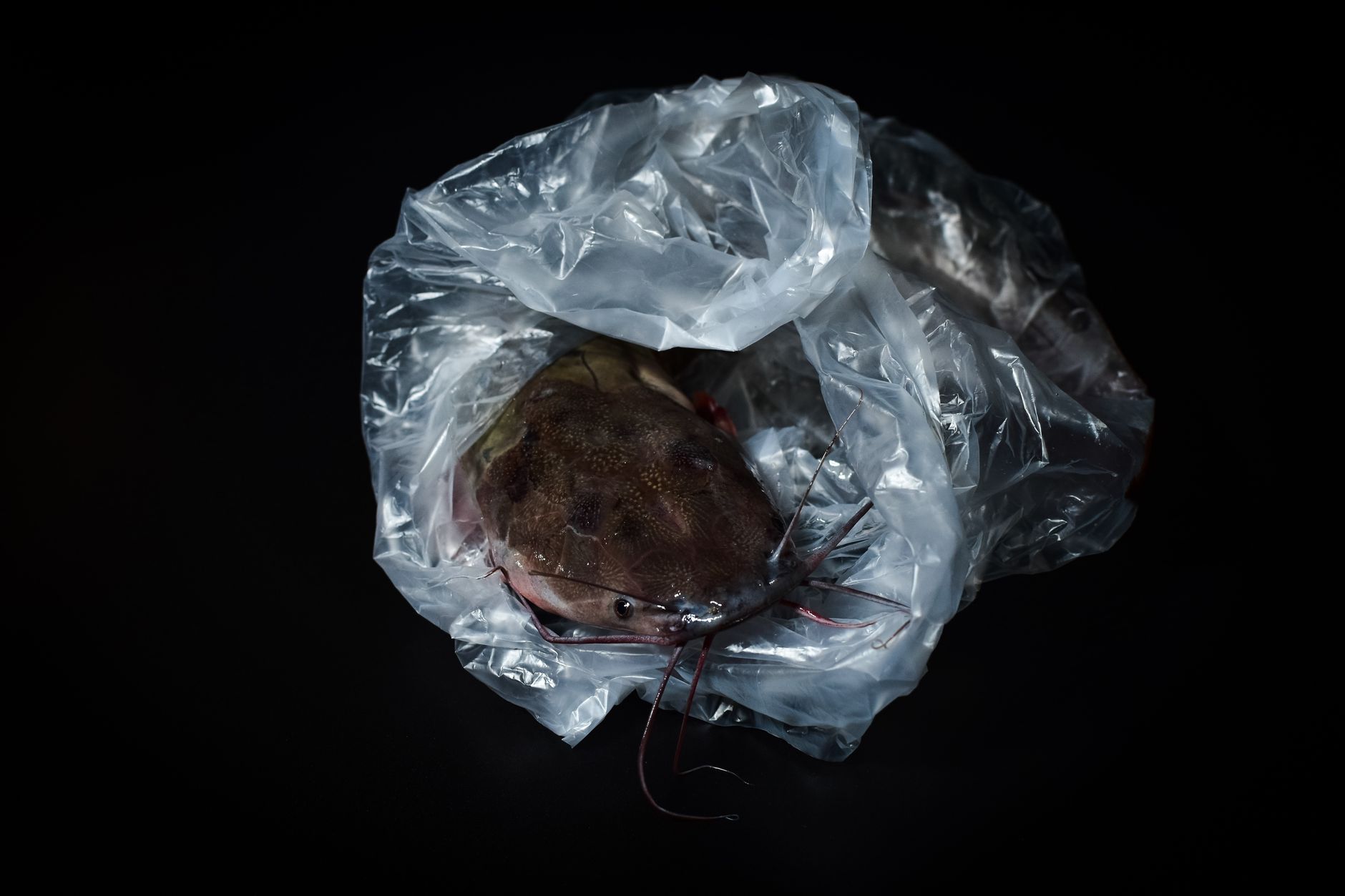
How Many Glass Catfish Should Be Kept Together?
Glass catfish are schooling fish and should always be kept in groups of at least six. A larger group is even better, as it significantly reduces stress and allows them to exhibit their natural behaviors.

Understanding the Social Needs of Glass Catfish
Glass catfish ( Kryptopterus vitreolus or Kryptopterus bicirrhis ) are fascinating creatures, prized for their translucent bodies and graceful movements. However, their delicate nature means that understanding and meeting their social needs is crucial for their health and well-being. These are not solitary fish and suffer greatly when kept alone or in very small groups.
How do you buff aquarium glass?
What is the GREY African clawed frog?
Is distilled water good for goldfish?
What colours are fish most attracted to?
Why a School is Essential for Glass Catfish
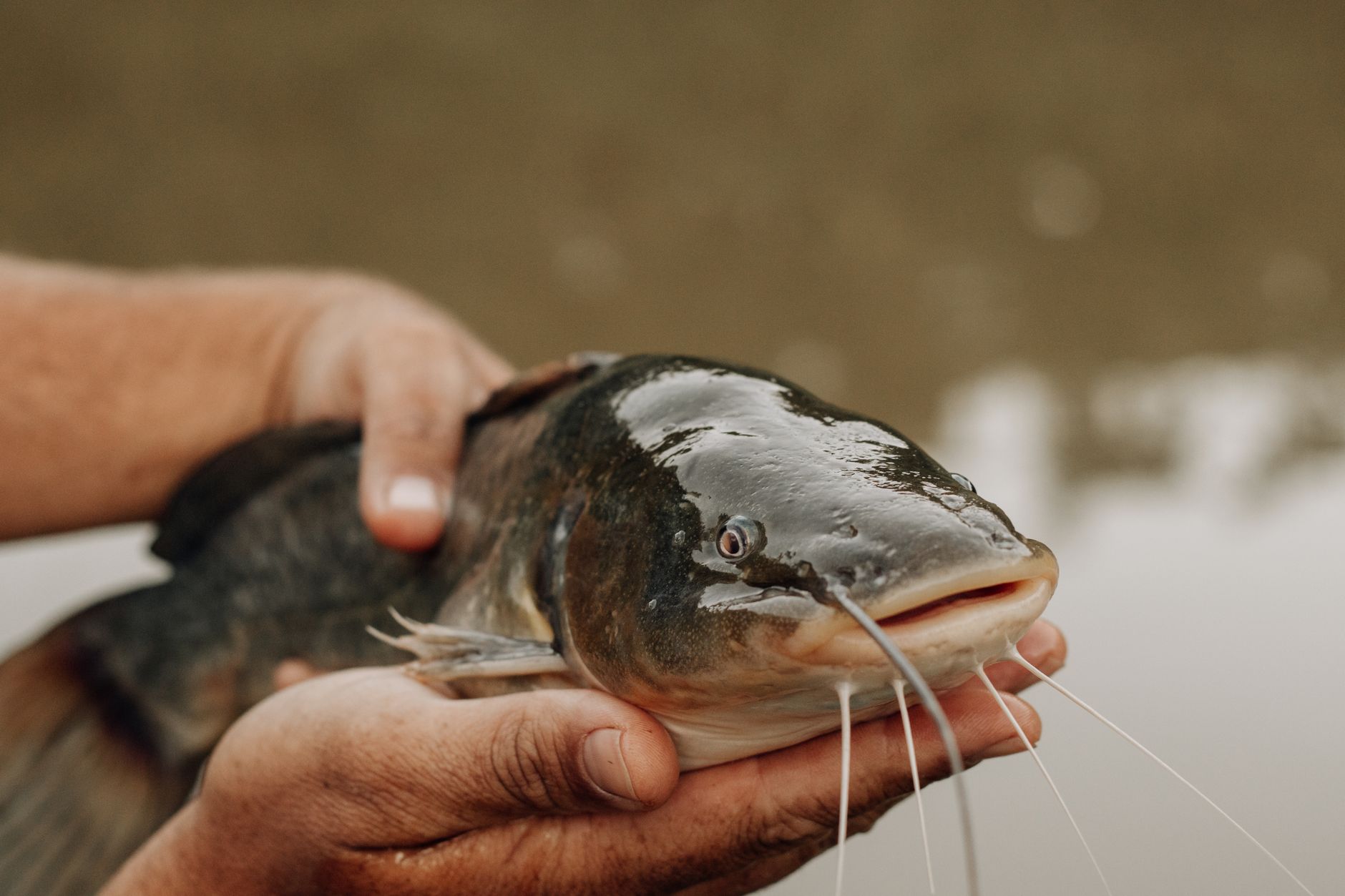
Glass catfish are highly social animals. In their natural habitat, they live in large schools, finding safety and security in numbers. Replicating this social structure in the home aquarium is essential. Keeping them in a proper school provides numerous benefits:
- Reduced Stress: Being with their own kind helps reduce stress levels significantly. Solitary glass catfish often become withdrawn, lose their appetite, and are more susceptible to disease.
- Natural Behaviors: In a school, glass catfish will exhibit their natural schooling behaviors, which are fascinating to observe. They’ll swim together, often synchronizing their movements, creating a captivating display.
- Increased Activity: Schooling fish are generally more active and engaged than solitary individuals. A thriving school of glass catfish will be a much more interesting addition to your aquarium.
- Improved Appetite: The presence of other glass catfish encourages feeding and overall health. They compete (gently) for food and stimulate each other’s appetites.
Tank Size Considerations
While minimum school size is critical, tank size also plays a significant role in the well-being of glass catfish. Remember, more fish mean more waste, requiring a larger and well-maintained aquarium. Here’s a general guideline:
- Six Glass Catfish: Minimum tank size of 20 gallons long (30″ x 12″ x 12″)
- Eight to Ten Glass Catfish: A 30-gallon tank or larger is recommended.
- Larger Schools (10+): Consider a 40-gallon breeder tank or larger.
Ensure adequate filtration and regular water changes to maintain optimal water quality.
Choosing Compatible Tank Mates
When considering tank mates for glass catfish, prioritize peaceful and non-aggressive species. Avoid large, boisterous fish that might intimidate or harass the glass catfish. Ideal tank mates include:
- Small tetras (e.g., Ember Tetras, Neon Tetras, Cardinal Tetras)
- Corydoras catfish
- Rasboras
- Peaceful gouramis
Avoid fish that are known to nip fins or are aggressive towards smaller, peaceful species.
Water Quality and Environmental Factors
Optimal water quality is paramount for glass catfish. They are sensitive to fluctuations in water parameters.
| Parameter | Ideal Range |
|---|---|
| Temperature | 75-82°F (24-28°C) |
| pH | 6.5-7.5 |
| Ammonia | 0 ppm |
| Nitrite | 0 ppm |
| Nitrate | <20 ppm |
Regular water changes (25-50% weekly) are essential to maintain these parameters. Providing plenty of live plants and hiding places helps mimic their natural environment and reduce stress.
Frequently Asked Questions About Keeping Glass Catfish
How many glass catfish should I really keep to see them thrive?
While the absolute minimum is six, eight to ten glass catfish is a much better starting point. This larger group allows for more natural social interactions and reduces the likelihood of individual fish becoming stressed or isolated. Observe your fish carefully; if you see signs of stress, consider increasing the school size.
What are the signs of stress in glass catfish?
Stressed glass catfish often exhibit several telltale signs: hiding constantly, loss of color, clamped fins, erratic swimming, refusal to eat, and increased susceptibility to disease. If you observe any of these symptoms, immediately check your water parameters and consider whether the fish are being bullied by tank mates or are not kept in a large enough school.
Can I keep glass catfish with shrimp?
It’s a risky proposition. While glass catfish are generally peaceful, they are still opportunistic feeders. Small shrimp, especially baby shrimp, are likely to be seen as food. Larger shrimp species might be safer, but there’s always a chance that a glass catfish will try to prey on them.
Are glass catfish difficult to care for?
Glass catfish require pristine water conditions and careful attention to their social needs, making them somewhat challenging for beginner aquarists. If you are new to fishkeeping, it’s best to gain experience with more hardy species first. Research thoroughly and be prepared to dedicate the time and effort required to maintain a healthy aquarium environment.
What do glass catfish eat?
Glass catfish are omnivores and will accept a variety of foods. A balanced diet should include:
- High-quality flake food
- Small live or frozen foods (e.g., daphnia, brine shrimp, bloodworms)
- Vegetable matter (e.g., blanched zucchini, algae wafers)
Feed them small amounts 1-2 times per day, only what they can consume in a few minutes.
How can I tell the difference between male and female glass catfish?
Sexing glass catfish is very difficult. There are no obvious external differences. During breeding season, females may appear slightly plumper, but this is not a reliable indicator.
What is the lifespan of glass catfish?
With proper care, glass catfish can live for 3-5 years in a well-maintained aquarium. Providing them with optimal water conditions, a balanced diet, and a stress-free environment is key to maximizing their lifespan.
How do I acclimate glass catfish to a new tank?
Acclimation is crucial to avoid shocking these sensitive fish. Float the bag in the tank for 15-30 minutes to equalize the temperature. Then, slowly add small amounts of tank water to the bag every few minutes over the course of an hour. This gradual process helps the fish adjust to the new water parameters.
What type of filtration is best for glass catfish?
A high-quality filter is essential to maintain pristine water conditions. Canister filters are an excellent choice, providing excellent mechanical, chemical, and biological filtration. Sponge filters are a good option for smaller tanks or as a supplementary filter. Ensure the filter is appropriately sized for your tank.
How often should I change the water in my glass catfish tank?
Regular water changes are critical. Aim for 25-50% water changes weekly. This helps remove accumulated nitrates and maintain optimal water quality. Use a dechlorinator to remove chlorine and chloramine from tap water.
What plants are best for a glass catfish tank?
Glass catfish appreciate a densely planted tank. Choose plants that provide cover and create a natural environment. Good options include:
- Anubias
- Java Fern
- Amazon Sword
- Water Sprite
My glass catfish are always hiding. What should I do?
Hiding can be a sign of stress. Check your water parameters, ensure the school size is adequate, and evaluate the tank environment. Provide plenty of hiding places with plants and decorations. Make sure there are no aggressive tank mates bullying them. Dimming the lights can also help reduce stress. If the problem persists, isolate the affected fish in a separate quarantine tank to rule out disease. Understanding how many glass catfish should be kept together? is the first step, but it goes beyond that. Meeting their environmental needs is essential.