
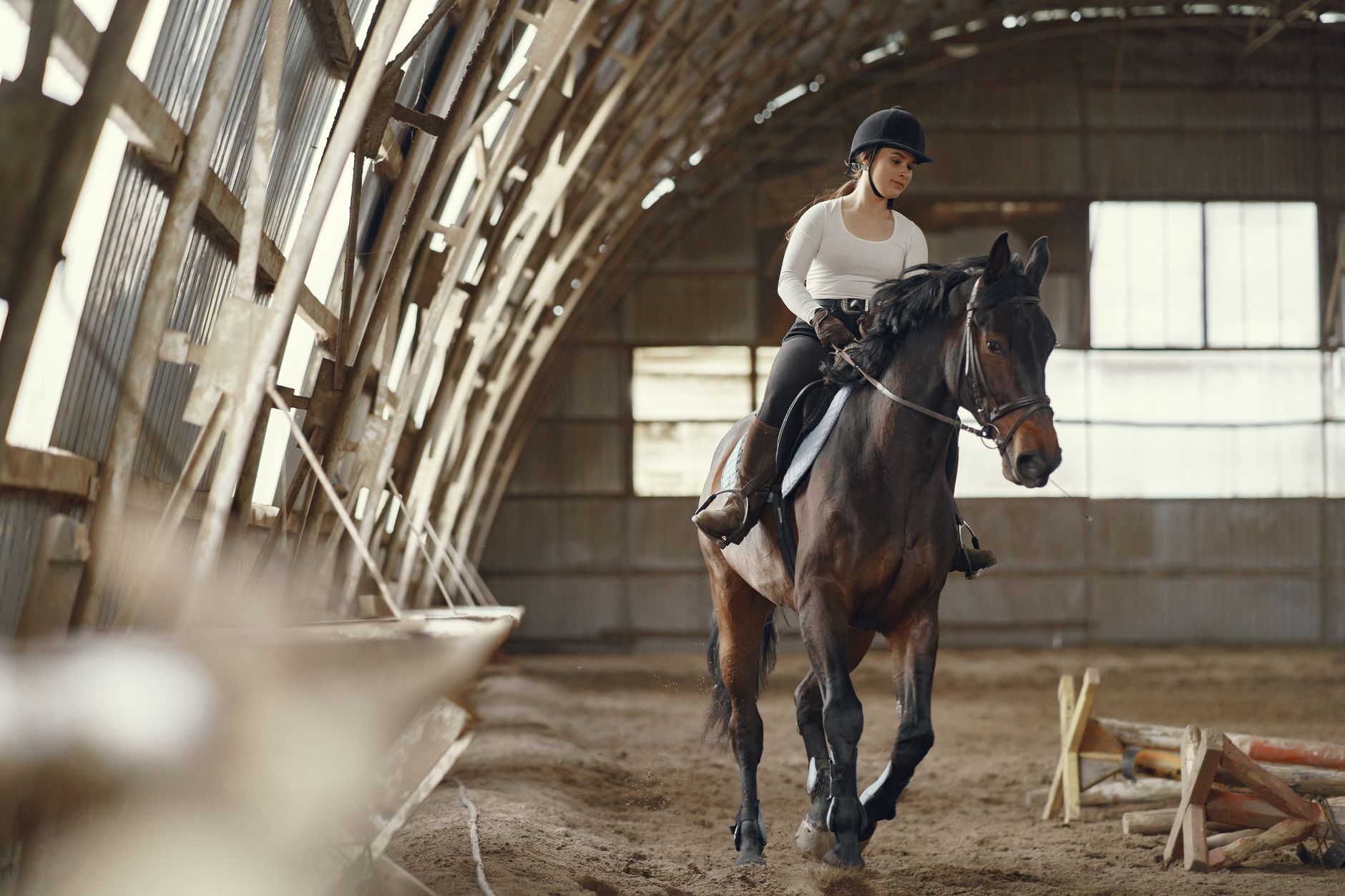
Can an English Trained Horse Ride Western? A Comprehensive Guide
Yes, an English trained horse can absolutely ride Western. However, the transition requires careful retraining, adjustments to equipment, and a patient approach to ensure the horse’s comfort and understanding of the new cues.

Understanding the Core Differences Between English and Western Riding
The foundational difference between English and Western riding lies in the riding style, equipment, and communication methods used. While both disciplines require a solid foundation of basic horsemanship, the specifics of each diverge significantly. Understanding these differences is paramount for a successful transition.
-
Riding Style: English riding emphasizes direct rein contact and precise movements, often requiring a more engaged seat. Western riding typically involves looser reins, relying more on leg cues and weight shifts.
-
Equipment: The saddle is perhaps the most noticeable difference. English saddles are lighter and smaller, allowing for closer contact. Western saddles are larger, heavier, and distribute weight differently, offering more security and support for long hours in the saddle. Bridles also vary; English bridles are often simpler, while Western bridles may feature a curb bit.
-
Communication: English riding often uses more direct rein cues. Western riding relies heavily on neck reining (guiding the horse by applying rein pressure against the horse’s neck) and subtle body language. The desired outcome is a relaxed, responsive horse that anticipates the rider’s requests.

What colours are fish most attracted to?
Can you put your finger in a trout's mouth?
Is methylene blue anti bacterial?
Does aquarium salt raise pH in aquarium?
Benefits of Transitioning from English to Western

While retraining takes time and effort, transitioning an English trained horse to Western can offer several advantages:
-
Increased Versatility: A horse proficient in both disciplines is more versatile, opening up opportunities for different riding activities and competitions.
-
Improved Relaxation: The looser rein style of Western riding can be beneficial for horses that are prone to tension or anxiety, fostering a more relaxed partnership.
-
New Skill Sets: Both horse and rider can benefit from learning new skills and developing a deeper understanding of horsemanship. This cross-training can enhance the horse’s overall athleticism and mental agility.
The Retraining Process: A Step-by-Step Approach
Transitioning an English trained horse to ride Western is a gradual process that requires patience and consistency. Here’s a breakdown of the key steps:
-
Foundation First: Ensure the horse is solid in basic groundwork and obedience. This includes yielding to pressure, backing up, and moving laterally.
-
Introduce Western Tack Gradually: Start by introducing the Western saddle incrementally, allowing the horse to adjust to the new weight and feel. Use a saddle pad that minimizes pressure points.
-
Focus on Neck Reining: This is crucial for Western riding. Use direct reining initially, gradually transitioning to neck reining by applying slight pressure against the horse’s neck in the direction you want to go. Reward even the smallest effort with praise and a relaxed rein.
-
Leg Cues: Western riding relies heavily on leg cues. Teach the horse to respond to different leg pressures for lateral movements, speed changes, and stops.
-
Practice in a Controlled Environment: Begin in a safe, enclosed area where you can focus on retraining without distractions.
-
Patience is Key: Don’t rush the process. It takes time for an English trained horse to ride Western comfortably and confidently. Celebrate small victories and be patient with setbacks.
Common Mistakes to Avoid
-
Rushing the Process: The biggest mistake is trying to transition too quickly. Allow ample time for the horse to adjust to the new equipment and riding style.
-
Inconsistent Cues: Use clear and consistent cues to avoid confusing the horse. Be mindful of your body language and ensure your aids are precise.
-
Ignoring the Horse’s Feedback: Pay attention to the horse’s body language and adjust your approach accordingly. If the horse is tense or resistant, slow down and break the training down into smaller steps.
-
Using Excessive Force: Western riding is about finesse, not force. Avoid using harsh bits or excessive pressure.
Comparing English and Western Equipment
The differences in tack are significant, influencing how the horse is ridden.
| Feature | English Equipment | Western Equipment |
|---|---|---|
| Saddle | Lighter, closer contact | Heavier, more supportive |
| Reins | Usually direct contact, buckle or sewn ends | Often split reins, typically longer |
| Bit | Snaffle or curb bits, often milder | Curb bits with shanks for leverage, often more severe |
| Stirrups | Usually adjustable with leathers | Often wider, enclosed, or hooded |
| Breastplate/Collar | Not always used, often for jumping | Common, for security and weight distribution |
Frequently Asked Questions (FAQs)
How long does it typically take to transition an English trained horse to Western?
The timeline varies greatly depending on the horse’s temperament, prior training, and the rider’s experience. It can take anywhere from a few weeks to several months. The key is consistency and patience.
What bit is best to start with when transitioning to Western riding?
Start with a mild Western snaffle bit. This will allow you to maintain direct rein contact while introducing the concept of neck reining. Gradually transition to a curb bit as the horse progresses.
Can an English saddle be used for Western riding?
While technically possible for very basic riding, it’s not recommended. The English saddle doesn’t distribute weight properly for Western riding, and lacks the security features of a Western saddle.
Is Western riding easier than English riding?
Neither is inherently easier. Both require skill and dedication. However, the relaxed rein style of Western riding can feel easier for some riders, while the precise movements of English riding may appeal to others.
What age is best to start retraining a horse to Western?
There isn’t a specific ‘best’ age, but younger horses often adapt more quickly. However, older horses can also be successfully retrained with patience and understanding. Assess the horse’s physical condition and willingness to learn.
What if my horse resists neck reining?
Go back to basics. Use direct rein cues initially, gradually introducing neck reining. Reward even the slightest attempt to yield to neck pressure. Consider seeking guidance from a qualified Western trainer.
How important is groundwork in the transition process?
Groundwork is absolutely essential. It establishes a foundation of communication and respect, making the saddle training process much smoother. Focus on yielding to pressure, backing up, and lateral movements.
What type of Western riding is easiest to transition to?
Trail riding is often a good starting point. It allows the horse to relax and explore new environments while practicing basic Western skills.
Should I hire a professional trainer?
If you lack experience with Western riding, hiring a professional trainer is highly recommended. They can provide valuable guidance and ensure the horse is trained safely and effectively.
What are some signs that the horse is struggling with the transition?
Signs of struggle include resistance to the bit, tense muscles, refusal to move forward, and increased anxiety. If you notice these signs, slow down and re-evaluate your training approach.
Can Can an English trained horse ride Western? become dangerous?
Yes, if not done correctly. Use an inappropriate bit, forcing a change, or poor technique could lead to bucking, bolting, or injury to both horse and rider.
What are some helpful resources for learning more about Western riding?
There are many resources available, including books, videos, clinics, and online communities. Look for reputable sources that emphasize horsemanship and ethical training practices. Look for Can an English trained horse ride Western? articles.