
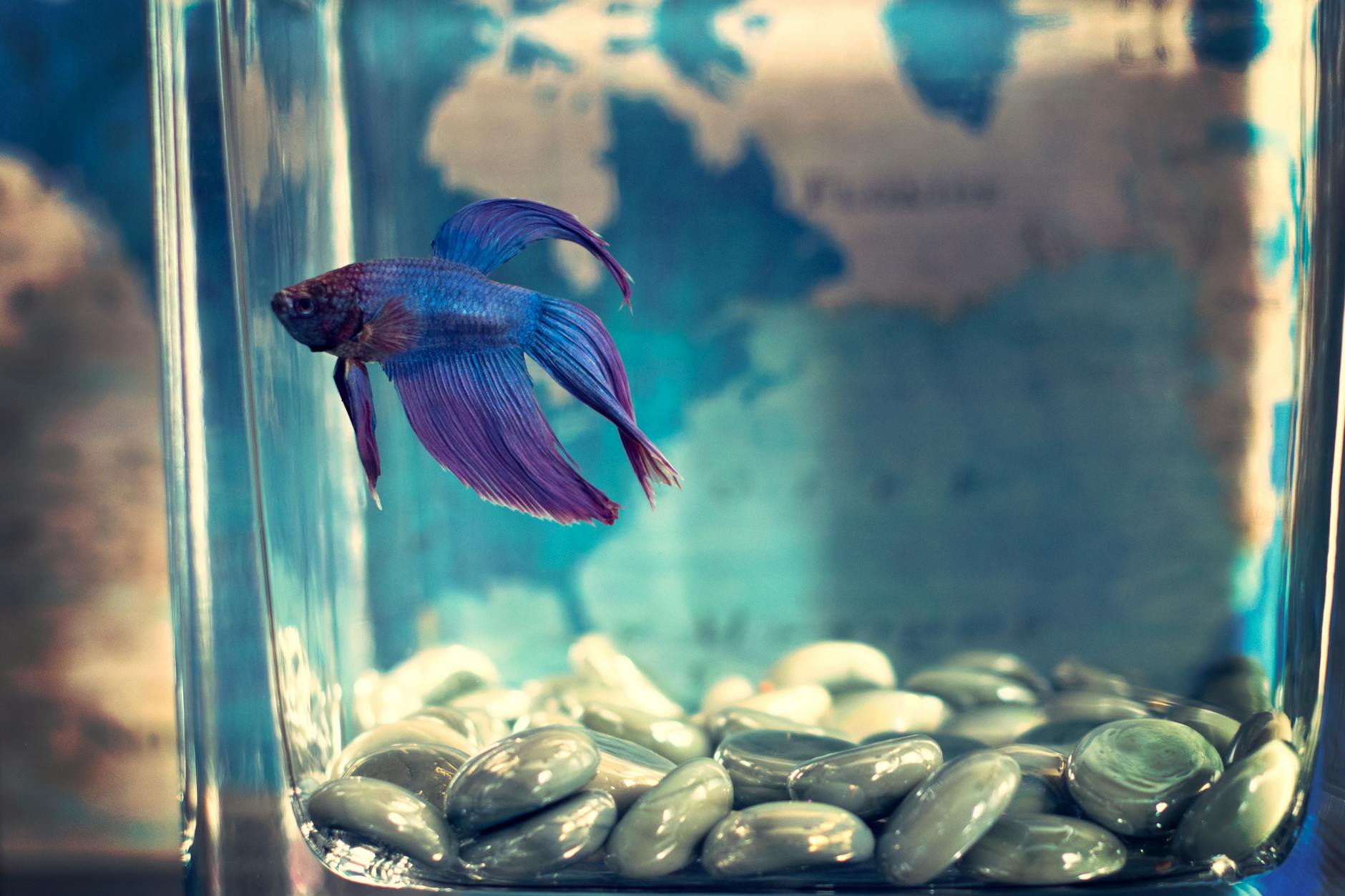
How to Save Your Betta Fish from Stress: A Comprehensive Guide
The key to saving a stressed betta fish is to identify and eliminate the source of stress by optimizing its environment, diet, and tankmate interactions. By addressing these factors proactively, you can ensure a thriving and happy betta.

Understanding Betta Fish Stress
Betta fish, also known as Siamese Fighting Fish, are beautiful and popular pets, but they are also susceptible to stress. Recognizing the signs of stress is crucial for early intervention and preventing serious health problems. Stress can manifest in various ways, impacting their behavior, appearance, and overall well-being. Understanding the common causes of stress is the first step in knowing how do I save my betta fish from stress?
How intelligent are fish?
Are fish heads good for the garden?
Can fish hear water?
What is cotton rot in fish?
Identifying Signs of Stress in Betta Fish

Before you can address the issue, you need to know what to look for. A stressed betta can exhibit a variety of symptoms. Here are some key indicators:
- Changes in Color: A normally vibrant betta might become pale, dull, or develop stress stripes (vertical dark bars).
- Lethargy: Reduced activity levels, spending excessive time at the bottom of the tank, or a lack of interest in their surroundings.
- Fin Clamping: Holding their fins close to their body instead of displaying them openly.
- Loss of Appetite: Refusal to eat or a significant decrease in food consumption.
- Erratic Swimming: Darting around the tank erratically, rubbing against objects, or swimming in circles.
- Increased Hiding: Spending most of their time hiding behind decorations or plants.
- Surface Gasping: Hanging near the surface of the water and gasping for air, which can indicate poor water quality.
Common Causes of Betta Fish Stress
Once you’ve observed potential stress signs, it’s essential to identify the root cause. The following factors are common culprits:
- Poor Water Quality: High levels of ammonia, nitrite, or nitrate are toxic to betta fish. This is usually due to inadequate filtration, infrequent water changes, or overfeeding.
- Incompatible Tank Mates: Betta fish are solitary creatures and can be stressed by the presence of other aggressive fish, especially other male bettas. Even some peaceful fish can fin-nip at bettas.
- Small Tank Size: A tank that is too small restricts swimming space and can lead to stress. Bettas need a minimum of 5 gallons, and preferably 10 gallons or more.
- Lack of Hiding Places: Bettas need places to retreat and feel secure. A barren tank can make them feel vulnerable.
- Incorrect Water Temperature: Bettas are tropical fish and require a stable water temperature between 78-82°F (25-28°C). Temperature fluctuations or water that’s too cold or too hot can cause stress.
- Overhandling: Excessive netting or handling of the betta can be stressful.
- Loud Noises or Vibrations: Placing the tank in a high-traffic area or near loud appliances can disturb the fish.
- Sudden Changes in Environment: Abrupt changes in water parameters, lighting, or tank decor can be stressful.
- Diet: A poor diet, or irregular feeding can affect their health and increase stress.
How to Alleviate Betta Fish Stress: A Step-by-Step Guide
Now we get to the core of how do I save my betta fish from stress?. Addressing each of the potential causes will help alleviate your betta’s stress and return them to a happy state.
-
Water Quality Management:
- Regular Water Changes: Perform partial water changes (25-50%) weekly to remove accumulated waste and maintain water quality.
- Water Testing: Regularly test the water parameters (ammonia, nitrite, nitrate, pH) using a reliable test kit.
- Proper Filtration: Use a filter that is appropriately sized for the tank and regularly clean it to maintain optimal performance. Don’t overclean as that will kill beneficial bacteria.
- Water Conditioner: Always use a water conditioner to remove chlorine and chloramine from tap water.
-
Tank Size and Environment:
- Upgrade to a Larger Tank: If your betta is in a tank smaller than 5 gallons, consider upgrading to a larger one.
- Provide Hiding Places: Add plants (real or silk), caves, and other decorations to create a sense of security.
- Maintain a Stable Temperature: Use a reliable aquarium heater to keep the water temperature within the optimal range.
- Dim Lighting: Avoid bright, direct light. Bettas prefer dimmer lighting.
-
Tank Mate Management:
- Isolate Aggressive Tank Mates: If your betta is being bullied by other fish, separate them immediately.
- Consider a Solitary Life: Bettas are generally best kept alone, especially males.
-
Feeding Practices:
- High-Quality Food: Feed your betta a high-quality betta pellet or flake food. Supplement their diet with occasional live or frozen foods (bloodworms, daphnia, brine shrimp).
- Proper Portion Control: Avoid overfeeding. Feed only what your betta can consume in 2-3 minutes, once or twice a day.
- Vary the Diet: Feed a varied diet to ensure your betta receives all the necessary nutrients.
Preventative Measures: Keeping Your Betta Happy Long-Term
Prevention is better than cure. By proactively managing the factors that contribute to stress, you can ensure your betta lives a long and healthy life. Consistent water quality maintenance, a well-maintained tank, appropriate tankmates (or lack thereof), a high-quality diet, and a stable environment are vital for the well-being of your betta. Regularly observing your betta’s behavior and appearance will help you detect any early signs of stress and take corrective action before the problem escalates. This continued maintenance is key to understanding and acting on how do I save my betta fish from stress?.
Common Mistakes to Avoid
Avoiding these common mistakes can go a long way to preventing stress:
- Overcrowding the Tank: Keep the tank appropriately stocked for its size.
- Using Sharp or Rough Decorations: These can injure your betta’s delicate fins.
- Neglecting Water Changes: Regular water changes are essential for maintaining water quality.
- Introducing New Fish Without Quarantine: Quarantine new fish for several weeks before introducing them to your main tank to prevent the spread of diseases.
- Ignoring Early Signs of Stress: Address any behavioral or physical changes promptly.
| Mistake | Consequence | Solution |
|---|---|---|
| Overcrowding | Increased stress, poor water quality | Maintain appropriate stocking levels |
| Sharp Decorations | Fin damage, injuries | Use smooth, betta-safe decorations |
| Neglecting Water Changes | Poor water quality, disease susceptibility | Perform regular partial water changes (25-50% weekly) |
| No Quarantine | Disease spread | Quarantine new fish for 3-4 weeks before introduction |
| Ignoring Early Signs | Escalation of stress, illness | Observe your betta regularly and act on any changes quickly |
Frequently Asked Questions (FAQs)
Why is my betta fish suddenly pale?
A sudden paleness in your betta fish is often a sign of stress or illness. Check the water parameters immediately to rule out poor water quality. Other potential causes include temperature fluctuations, dietary deficiencies, or underlying infections.
Can betta fish recover from stress?
Yes, betta fish can absolutely recover from stress if the underlying causes are addressed promptly and effectively. Provide optimal water conditions, a safe environment, and a healthy diet to facilitate their recovery.
How often should I change the water in my betta tank?
You should perform partial water changes (25-50%) weekly to maintain good water quality. This helps remove accumulated waste and toxins. Larger tanks may require less frequent changes.
What is the ideal pH level for a betta fish tank?
The ideal pH level for a betta fish tank is between 6.5 and 7.5. Regularly test the water and make adjustments as needed to maintain a stable pH.
What should I feed my betta fish?
Feed your betta fish a high-quality betta pellet or flake food that is specifically formulated for their nutritional needs. Supplement their diet with occasional live or frozen foods like bloodworms or brine shrimp.
Can I keep two male betta fish together?
No, you should never keep two male betta fish together. They are highly territorial and will fight aggressively, often resulting in serious injury or death.
How do I treat fin rot in my betta fish?
Fin rot is a bacterial infection that can be caused by poor water quality. Improve water conditions through frequent water changes and consider using a betta-safe antibacterial medication if the condition doesn’t improve.
What is the best temperature for a betta fish tank?
The best temperature for a betta fish tank is between 78-82°F (25-28°C). Use a reliable aquarium heater to maintain a stable temperature within this range.
How do I cycle a new betta fish tank?
Cycling a new tank establishes beneficial bacteria that break down harmful waste. Use a commercial bacteria starter or add a small amount of ammonia to the tank and monitor the water parameters until ammonia and nitrite levels reach zero and nitrate levels are present.
Can I use tap water in my betta fish tank?
Yes, you can use tap water, but you must treat it with a water conditioner to remove chlorine and chloramine, which are toxic to fish.
How do I know if my betta fish is sick?
Signs of illness in betta fish include lethargy, loss of appetite, fin clamping, changes in color, erratic swimming, and visible sores or parasites. Consult a veterinarian or experienced fish keeper for proper diagnosis and treatment.
What size tank is best for a betta fish?
A tank that is 5 gallons or larger is best for a single betta fish. Larger tanks provide more space for swimming and enrichment, promoting better health and reducing stress.
By implementing these strategies, you can greatly reduce the stress on your betta fish, improving their overall health and quality of life. Regularly observing your betta and maintaining a clean, stable environment are crucial for ensuring their well-being. Remember, understanding how do I save my betta fish from stress? is a continuous process.