

Are Wolves Intelligent? Unveiling the Cognitive Prowess of Canis Lupus
The question Are wolves intelligent? can be answered with a resounding yes. Wolves demonstrate complex social structures, sophisticated communication, and problem-solving abilities, suggesting a high level of cognitive function.

Understanding Wolf Intelligence: More Than Just Instinct
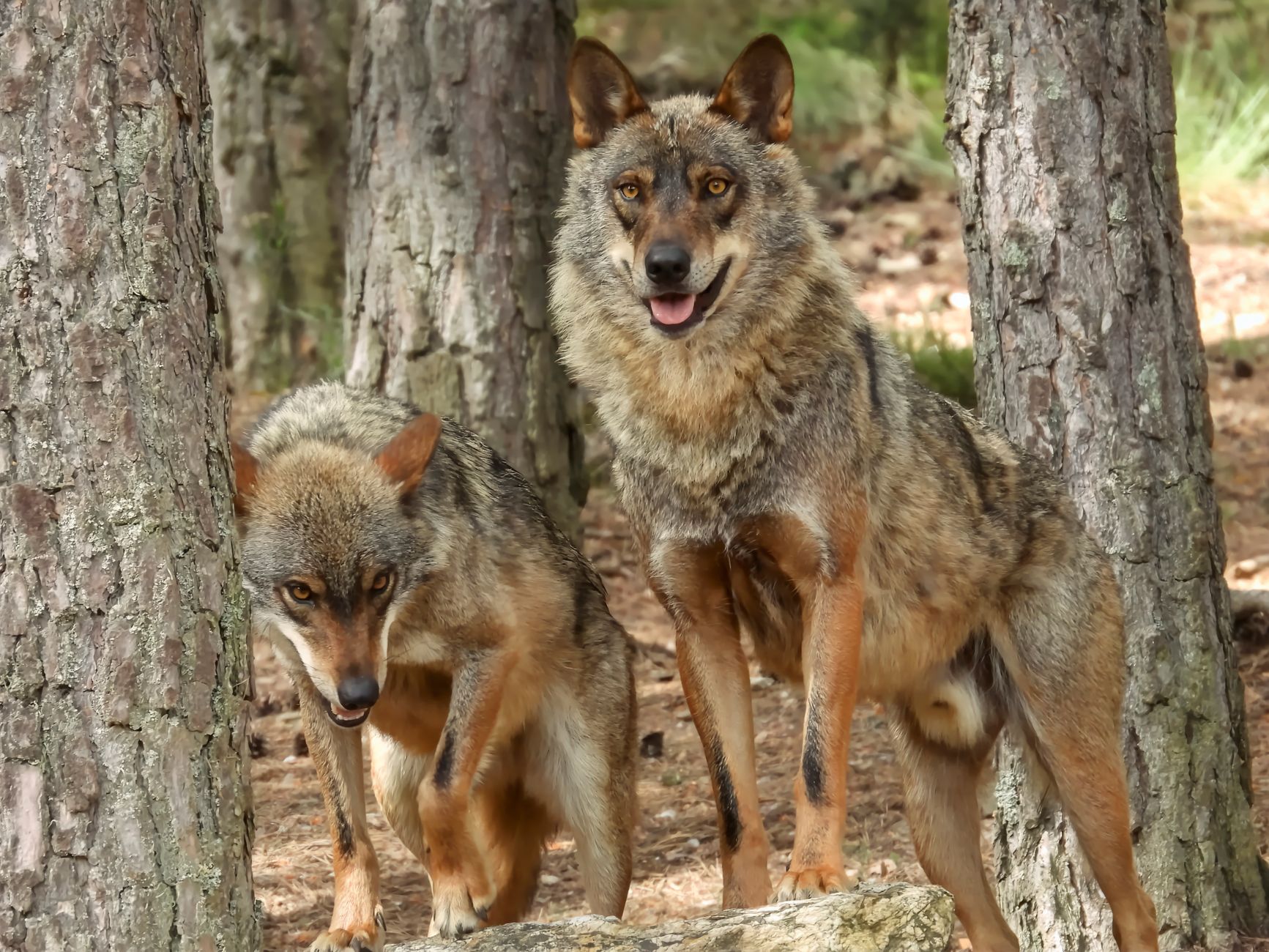
The intelligence of wolves, Canis lupus, has long been a subject of fascination and scientific inquiry. Dismissing their behavior as mere instinct would be a gross oversimplification. Wolves exhibit a range of cognitive abilities that rival, and in some cases surpass, those of domestic dogs and other social mammals. To truly understand Are wolves intelligent?, we must delve into their social dynamics, communication strategies, and problem-solving capabilities.
What colours are fish most attracted to?
Can you put your finger in a trout's mouth?
Is methylene blue anti bacterial?
Does aquarium salt raise pH in aquarium?
Social Complexity and Cognitive Demands

Wolf packs are not simply collections of individuals; they are complex social units with intricate hierarchies and cooperative strategies. This intricate social structure demands sophisticated cognitive skills, including:
- Social Recognition: Wolves must be able to recognize and remember individual pack members, as well as individuals from neighboring packs.
- Hierarchy Navigation: Understanding and navigating the pack’s dominance hierarchy requires social intelligence and the ability to predict the behavior of others.
- Cooperative Hunting: Wolves coordinate their hunting efforts, often employing complex strategies to bring down prey much larger than themselves. This requires communication, planning, and an understanding of the roles of other pack members.
- Conflict Resolution: Maintaining social cohesion requires the ability to resolve conflicts peacefully, often through displays of dominance or submission.
Communication: A Window into Wolf Intelligence
Wolves communicate through a variety of methods, including vocalizations, body language, scent marking, and facial expressions. These communication signals are not simply reflexive responses; they are often used strategically to convey information and influence the behavior of others. The complexity of wolf communication provides further evidence for Are wolves intelligent?:
- Howling: Howling serves multiple purposes, including announcing territory boundaries, rallying the pack, and communicating over long distances. The nuance in howls can convey different messages.
- Body Language: Posture, tail position, ear position, and facial expressions are used to communicate a wide range of emotions and intentions, from aggression to submission to playfulness.
- Scent Marking: Urine marking is used to delineate territory boundaries and communicate information about the individual wolf, such as its sex, age, and reproductive status.
Problem Solving and Adaptability
Wolves are highly adaptable animals, able to thrive in a variety of environments. This adaptability requires the ability to learn from experience, solve problems, and innovate. Some studies have shown that wolves can even solve problems that require insight, rather than simply trial and error.
| Trait | Description | Implication for Intelligence |
|---|---|---|
| Spatial Memory | Wolves remember the locations of food caches, water sources, and den sites. | Indicates strong cognitive mapping abilities and an understanding of spatial relationships. |
| Causal Reasoning | Wolves can learn to associate certain actions with certain outcomes. | Suggests an understanding of cause and effect, a key component of intelligence. |
| Innovation | Wolves have been observed to invent new hunting techniques and strategies. | Demonstrates the ability to adapt to changing environments and think creatively. |
FAQs: Delving Deeper into Wolf Intelligence
Are wolves smarter than dogs?
The question of whether Are wolves intelligent? versus dogs is complex. While wolves often outperform dogs in problem-solving tasks and possess superior spatial memory, dogs have been selectively bred for obedience and social skills that make them adept at interacting with humans. The type of intelligence differs.
Can wolves be trained like dogs?
While wolves can be trained to some extent, their inherent wildness and independence make them much more challenging to train than dogs. They are less motivated by human approval and more driven by their own instincts.
Do wolves feel emotions?
Evidence suggests that wolves experience a range of emotions, including joy, grief, fear, and anger. They form strong bonds with their pack members and display behaviors indicative of empathy.
How do wolves learn from each other?
Wolves learn through observation, imitation, and social learning. Young wolves observe and imitate the behavior of older, more experienced pack members, acquiring essential skills such as hunting and communication.
What is the purpose of howling?
Howling serves multiple purposes, including announcing territory boundaries, rallying the pack, and communicating over long distances. Different types of howls can convey different messages.
Do wolves use tools?
While wolves do not use tools in the same way that primates do, they have been observed to use their environment to their advantage, such as using snow drifts to trap prey. The level of intentionality is debated.
Can wolves recognize individual humans?
Wolves are capable of recognizing individual humans, especially those with whom they have had repeated interactions. Their memory is excellent.
Are wolves capable of planning?
The ability to plan is a hallmark of intelligence. Wolves exhibit behaviors that suggest they are capable of planning, such as strategically positioning themselves during a hunt or caching food for later use. This is linked directly to whether Are wolves intelligent?
Do wolves understand fairness?
Research suggests that wolves have a sense of fairness and will respond negatively to unequal treatment. This indicates a level of social awareness and cognitive complexity.
How does wolf intelligence compare to that of other animals?
Wolf intelligence is comparable to that of other highly social mammals, such as dolphins, primates, and elephants. They demonstrate complex social behaviors, problem-solving abilities, and communication skills.
What are the biggest threats to wolf intelligence?
Habitat loss and fragmentation can limit wolves’ ability to roam and hunt, potentially impacting their cognitive development. Hunting and persecution can also disrupt pack dynamics and reduce opportunities for social learning.
Does domestication affect wolf intelligence?
Domestication has significantly altered the cognitive abilities of domestic dogs compared to wolves. Selective breeding for specific traits has resulted in changes in brain structure and function, leading to differences in problem-solving and social behavior. The discussion surrounding whether Are wolves intelligent? is often intertwined with a comparison to domesticated canines.