

Can I Have Too Many Fish in My Pond? Understanding Pond Overstocking
Yes, you absolutely can have too many fish in a pond. Overstocking leads to unhealthy conditions, poor water quality, and ultimately, fish mortality.
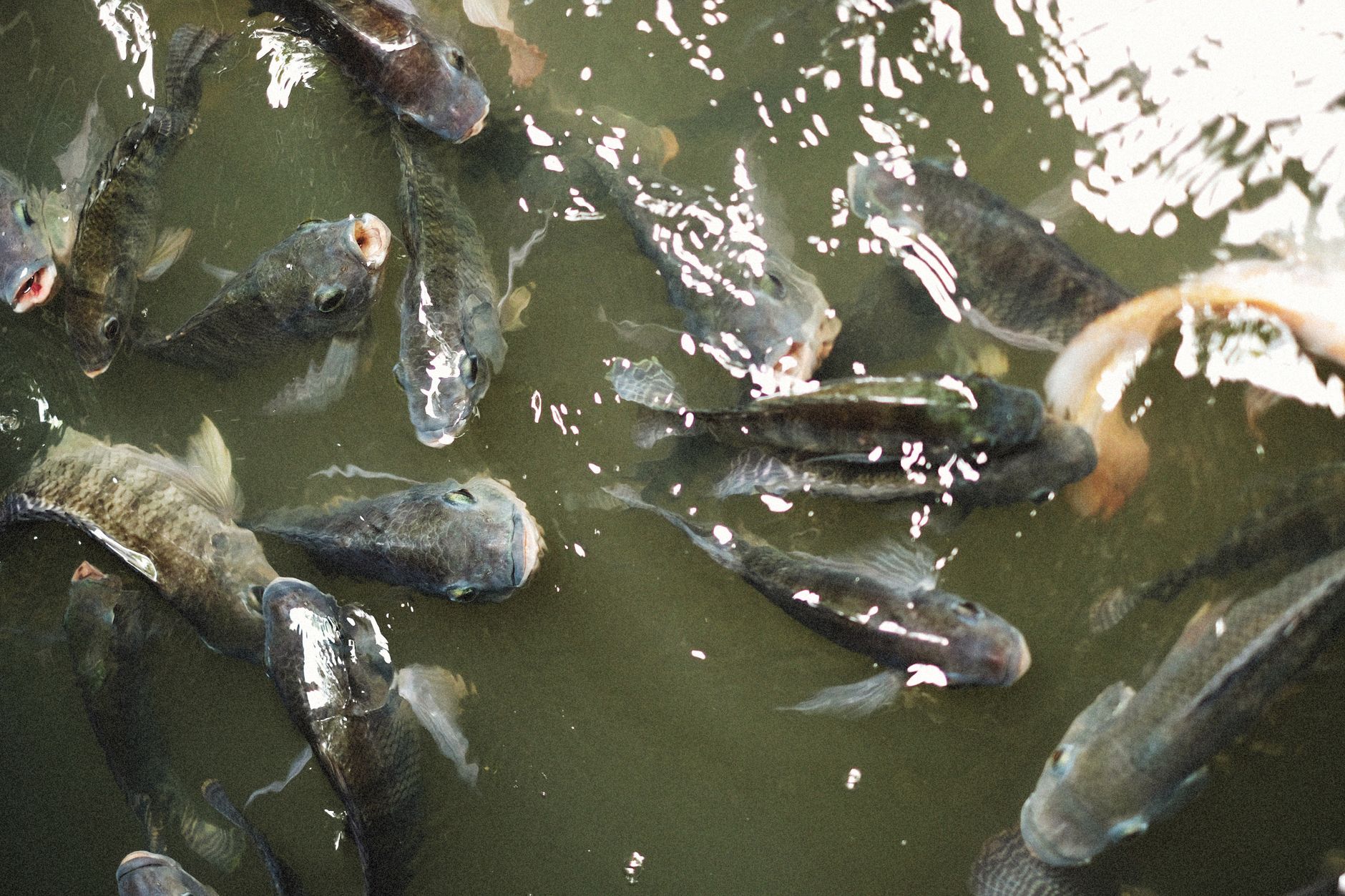
Introduction to Pond Fish Overstocking
The allure of a thriving pond teeming with vibrant fish is undeniable. However, many pond keepers, especially beginners, fall into the trap of overstocking. Understanding the balance necessary for a healthy aquatic ecosystem is crucial. Can I have too many fish in my pond? The answer hinges on factors like pond size, filtration capacity, oxygen levels, and the type of fish. A seemingly minor mistake in stocking density can have severe consequences for the entire pond environment.

How intelligent are fish?
Are fish heads good for the garden?
Can fish hear water?
What is cotton rot in fish?
Understanding Pond Capacity: The “Inch per Gallon” Rule (and its limitations)
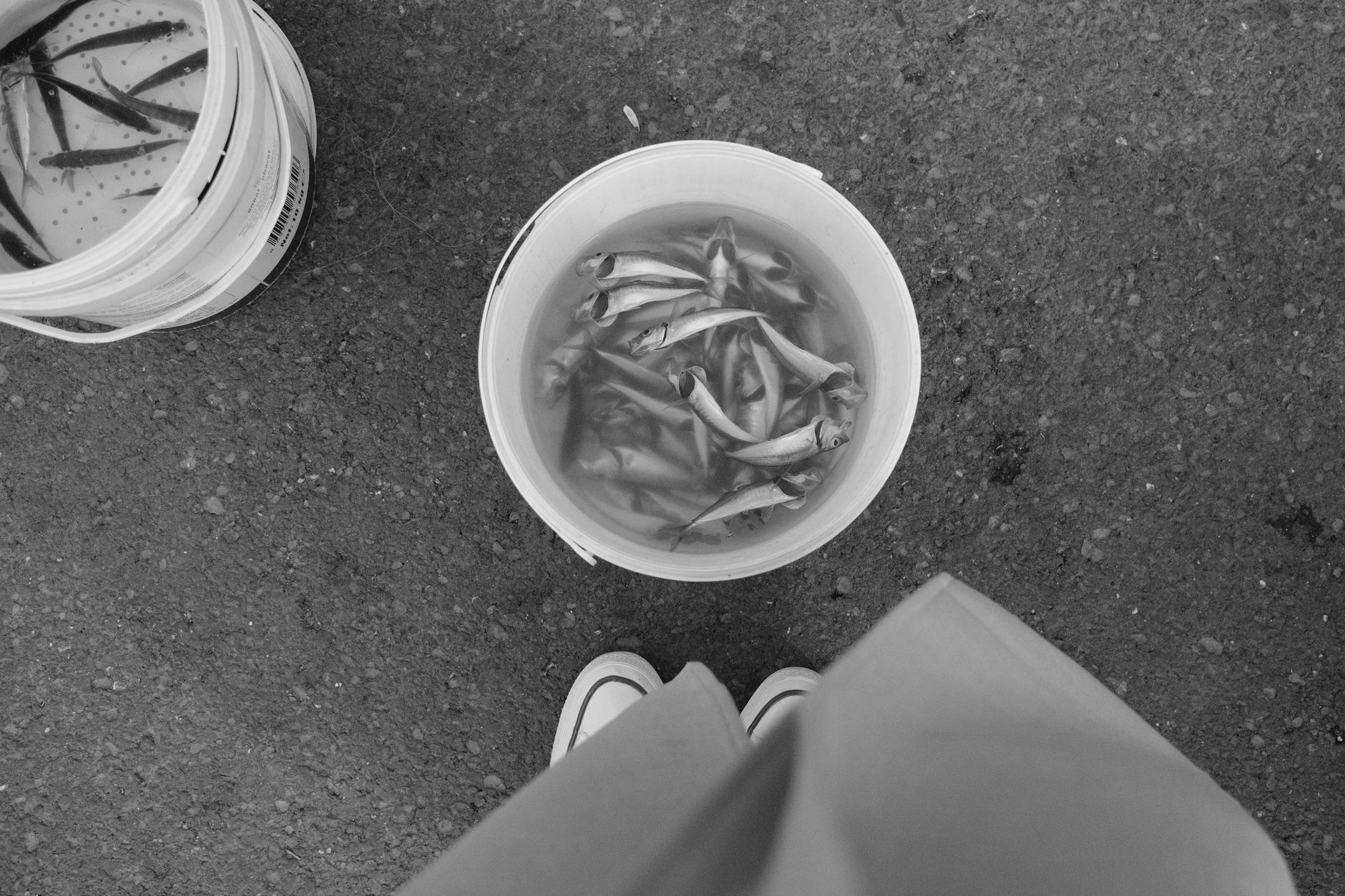
The widely cited “inch per gallon” rule—stating that you can keep one inch of fish length per gallon of water—is a gross oversimplification and should be treated with extreme caution. This rule doesn’t account for several key factors:
- Fish Species: Goldfish produce significantly more waste than koi.
- Fish Size: A fully grown koi needs far more space than a baby koi.
- Filtration System: A robust filtration system can handle a higher bioload.
- Oxygen Levels: Adequate aeration is crucial for fish survival, especially in warmer months.
- Pond Depth: Deeper ponds generally have more stable temperatures.
A better approach is to consider the long-term growth of your fish and the carrying capacity of your pond’s ecosystem.
Consequences of Overstocking: A Cascade of Problems
Overstocking triggers a chain reaction that degrades water quality and jeopardizes fish health.
- Increased Waste Production: More fish mean more waste, overwhelming the pond’s natural filtration.
- Ammonia and Nitrite Buildup: Waste decomposes into toxic ammonia and nitrites.
- Oxygen Depletion: Decomposition consumes oxygen, leading to suffocation.
- Algae Blooms: Excess nutrients fuel uncontrolled algae growth, clouding the water.
- Increased Disease Susceptibility: Stressed fish are more vulnerable to diseases and parasites.
- Stunted Growth: Competition for limited resources can stunt growth.
- Increased Mortality: Ultimately, overstocking leads to fish deaths.
Calculating Appropriate Stocking Levels: A More Holistic Approach
Here’s a more realistic approach to determining appropriate stocking levels:
- Determine Pond Volume: Calculate the actual volume of your pond in gallons. Length (ft) x Width (ft) x Average Depth (ft) x 7.48 = Gallons.
- Consider Fish Species and Size: Research the adult size and waste production levels of the fish you plan to keep.
- Assess Filtration Capacity: Determine the flow rate and effectiveness of your filtration system.
- Factor in Aeration: Ensure adequate aeration through waterfalls, fountains, or air pumps.
- Monitor Water Parameters: Regularly test water for ammonia, nitrite, nitrate, pH, and oxygen levels.
Example:
| Factor | Pond 1 (Small) | Pond 2 (Large) |
|---|---|---|
| Volume (Gallons) | 500 | 2000 |
| Filtration | Basic | Advanced |
| Aeration | Moderate | Excellent |
| Recommended Koi | 1-2 small | 5-7 medium |
Prevention is Key: Strategies for Managing Fish Populations
- Start Small: Begin with a small number of fish and gradually add more as the pond matures.
- Quarantine New Fish: Isolate new fish in a separate tank for several weeks to prevent disease introduction.
- Avoid Impulse Buys: Resist the temptation to buy more fish than your pond can handle.
- Regular Water Changes: Perform partial water changes (10-20%) weekly to remove excess nutrients.
- Monitor Fish Health: Observe fish for signs of stress or disease.
- Thin Out Populations: If necessary, rehome some fish to reduce overcrowding.
Can I have too many fish in my pond? By proactively managing your fish population and understanding the needs of your aquatic ecosystem, you can prevent overstocking and maintain a healthy and thriving pond.
Common Mistakes to Avoid
- Ignoring Fish Growth: Underestimating the adult size of fish.
- Relying on the “Inch per Gallon” Rule: This rule is inaccurate and misleading.
- Neglecting Water Testing: Failing to monitor water parameters regularly.
- Insufficient Filtration: Not having an adequate filtration system for the pond’s bioload.
- Inadequate Aeration: Not providing enough oxygen for the fish.
- Overfeeding: Feeding fish more than they can consume in a few minutes.
Frequently Asked Questions (FAQs)
How do I know if my pond is overstocked?
Signs of an overstocked pond include cloudy water, frequent algae blooms, fish gasping at the surface, slow fish growth, and increased disease outbreaks. Regular water testing can reveal elevated ammonia and nitrite levels, further indicating overstocking.
What is the best way to test my pond water?
You can purchase liquid test kits or test strips at most pet stores or online. Liquid test kits are generally more accurate. Test for ammonia, nitrite, nitrate, pH, and dissolved oxygen regularly. Aim for zero ammonia and nitrite, low nitrate, stable pH, and adequate oxygen levels.
Can I use a filter to compensate for overstocking?
While a good filter can help, it cannot completely compensate for overstocking. A filter removes waste, but it doesn’t address the underlying problem of too many fish consuming resources and producing waste. Over-filtration is impossible, but it’s not a substitute for appropriate stocking.
What happens if I don’t address overstocking?
Ignoring overstocking will lead to a gradual decline in water quality, increased disease susceptibility, stunted growth, and eventually, fish mortality. The entire pond ecosystem will suffer.
Is it possible to have too few fish in a pond?
While less common, having too few fish isn’t ideal either. A pond with too few inhabitants may not cycle nutrients efficiently, leading to an imbalance in the ecosystem. A healthy balance is key.
What are some good low-maintenance fish for a pond?
Goldfish are generally considered low-maintenance, but they still require adequate space and filtration. Other options include shubunkins, sarasa comets, and rosy red minnows, depending on your climate and pond size.
How often should I clean my pond?
The frequency of pond cleaning depends on factors like fish population, filtration, and the amount of debris that falls into the pond. Regular maintenance, including removing debris and performing partial water changes, is essential. A thorough cleaning might be necessary once or twice a year.
Can plants help with overstocking?
Pond plants can help to absorb excess nutrients and provide oxygen, but they cannot completely solve an overstocking problem. Plants are a valuable addition to a pond ecosystem, but they shouldn’t be relied upon as the sole solution.
What’s the difference between a pond and a water garden?
A water garden typically emphasizes plants and may have fewer fish. A pond can have a more balanced ecosystem with both fish and plants. The ideal stocking density will depend on whether the emphasis is on plants or fish.
How do I rehome my fish if I have too many?
Contact local pond clubs, aquarium societies, or pet stores to see if they can take your fish. Avoid releasing fish into the wild, as they can disrupt local ecosystems.
What should I feed my pond fish?
Feed your pond fish a high-quality fish food that is appropriate for their species and size. Avoid overfeeding, and remove any uneaten food after a few minutes. Different fish have different dietary requirements, so research the best food for your specific species.
How can I prevent algae growth in my pond?
Preventing algae growth involves maintaining good water quality, providing adequate filtration, and ensuring sufficient aeration. Regularly remove debris, perform water changes, and consider adding aquatic plants that compete with algae for nutrients. An ultraviolet (UV) sterilizer can also help to control algae blooms.