
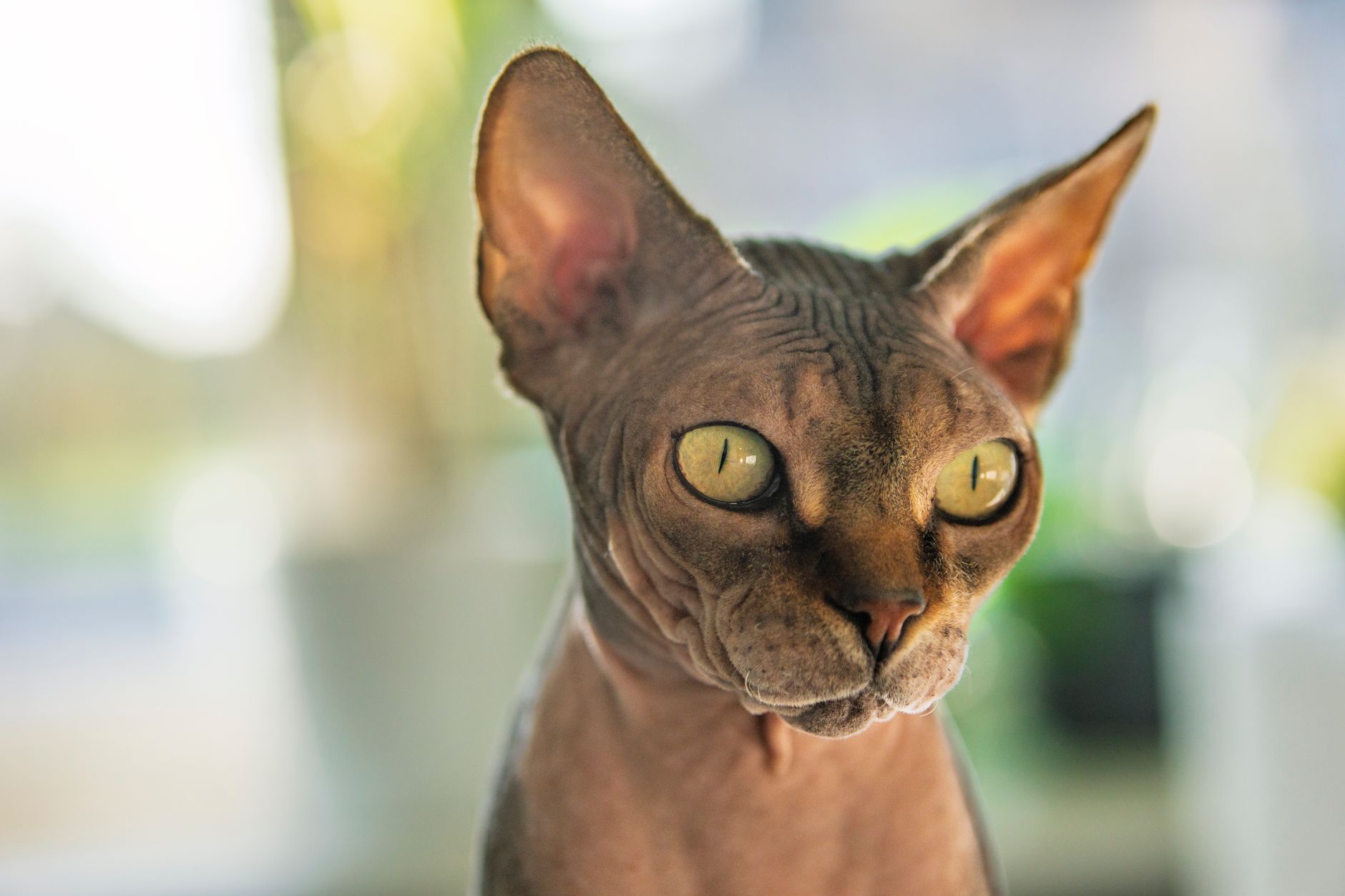
Are Sphynx Cats Hypoallergenic? Unveiling the Truth Behind the Myth
Despite their lack of fur, Sphynx cats are not truly hypoallergenic ; they still produce the Fel d 1 protein, the primary allergen responsible for cat allergies, albeit perhaps in lower quantities than some other breeds. This means that while some allergy sufferers might experience fewer symptoms, reactions are still possible.
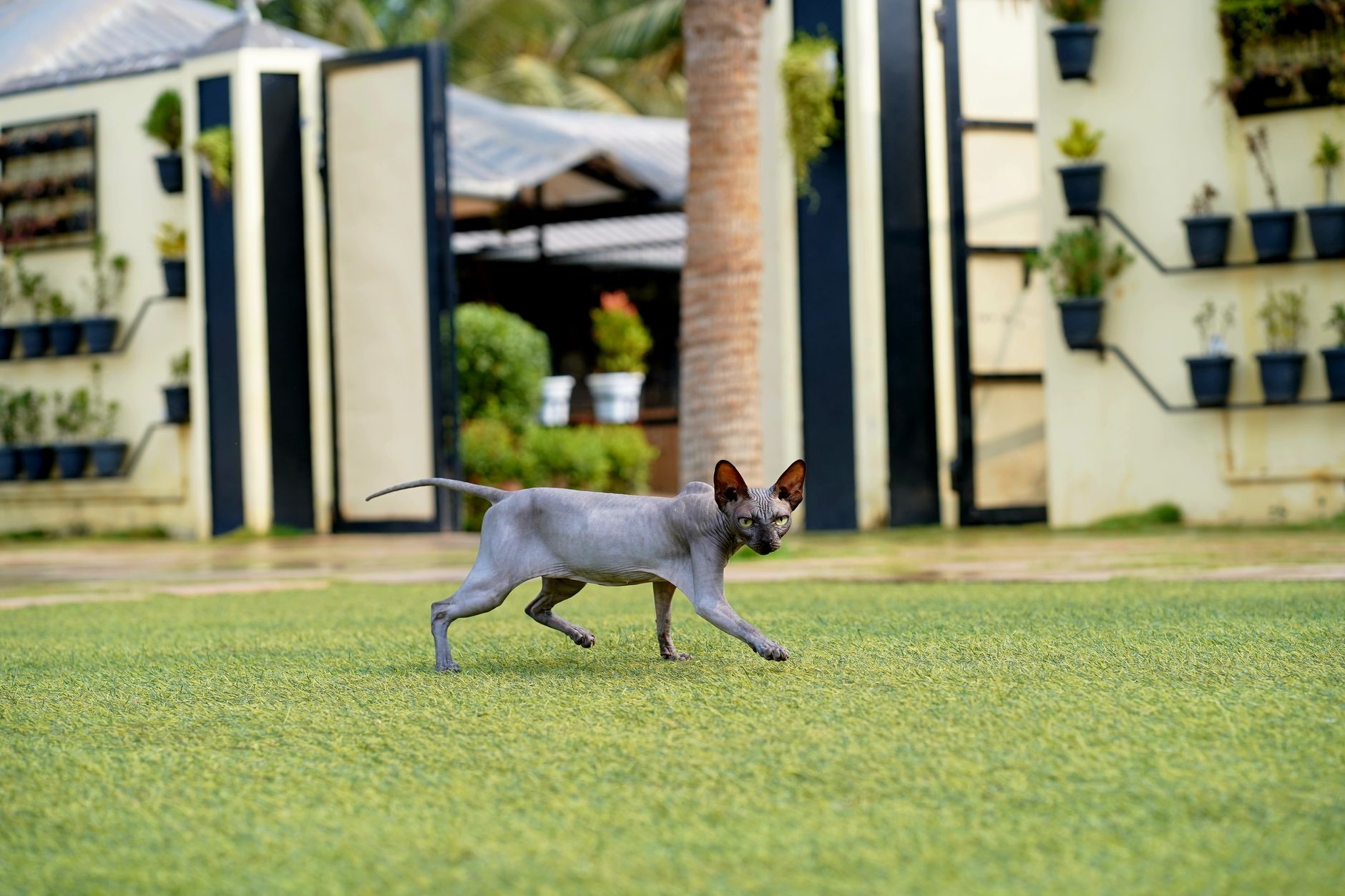
Understanding Cat Allergies: Beyond the Fur
Cat allergies are a common affliction, affecting a significant portion of the population. The culprit isn’t, as commonly believed, the cat’s fur. Instead, the primary allergen is a protein called Fel d 1, which is produced in the cat’s saliva, skin glands (sebaceous glands), and urine. When cats groom themselves, they deposit saliva containing Fel d 1 onto their fur, which then becomes airborne and spreads throughout the environment.
What colours are fish most attracted to?
Can you put your finger in a trout's mouth?
Is methylene blue anti bacterial?
Does aquarium salt raise pH in aquarium?
The Sphynx Cat and Fel d 1 Production

While Sphynx cats lack a coat of fur, they still produce Fel d 1. Because they groom themselves with their saliva, just like any other cat, they still spread the allergen. However, some theories suggest that the lack of fur might result in a lower overall concentration of airborne Fel d 1 in a Sphynx cat’s environment. This is because there is no fur to trap and distribute the allergen, potentially reducing the amount that becomes airborne and adheres to surfaces.
Why Sphynx Cats Aren’t Truly Hypoallergenic
The term “hypoallergenic” implies a significantly reduced risk of triggering allergic reactions. While some individuals with cat allergies might tolerate a Sphynx cat better than a fully furred breed, it’s essential to understand that the risk isn’t entirely eliminated. Fel d 1 production varies greatly between individual cats, even within the Sphynx breed. Other allergens, such as Fel d 2, Fel d 3, and Fel d 4 can also cause reactions. Therefore, are Sphynx cats hypoallergenic? The honest answer is no.
Managing Allergies with a Sphynx Cat
If you suffer from cat allergies and are considering a Sphynx cat, several strategies can help minimize your symptoms:
- Regular Bathing: Weekly bathing can help remove saliva and dander from the Sphynx cat’s skin, reducing the amount of Fel d 1 released into the environment.
- Air Purifiers: Using air purifiers with HEPA filters can remove airborne allergens from your home.
- Allergen-Reducing Litter: Some cat litters are designed to bind with Fel d 1 in the urine, preventing it from becoming airborne.
- Restricting Access: Limit the cat’s access to certain areas of your home, such as your bedroom.
- Frequent Cleaning: Vacuum regularly (using a vacuum with a HEPA filter) and wipe down surfaces to remove allergens.
- Consult an Allergist: Talk to an allergist about allergy testing and potential treatment options, such as immunotherapy.
Breed Variations and Allergen Production
It’s important to note that allergen production can vary significantly even within the Sphynx breed. Factors such as genetics, age, and even diet can influence the amount of Fel d 1 a cat produces. Therefore, even if you have had a positive experience with one Sphynx cat, it doesn’t guarantee you won’t react to another.
Before You Adopt: Testing the Waters
Before committing to adopting a Sphynx cat, it’s highly recommended that you spend time with the specific cat you’re considering. This will allow you to assess your reaction and determine if you can tolerate being around them. Ask the breeder or rescue organization if you can spend several hours with the cat in a controlled environment. You can also consider taking a used item of the cat’s (such as a blanket) home to see if it elicits a reaction.
Comparing Sphynx Cats to Other “Hypoallergenic” Breeds
Several other cat breeds are often touted as “hypoallergenic,” including Siberian cats, Balinese cats, and Devon Rex cats. Like Sphynx cats, these breeds may produce less Fel d 1 than other breeds or have characteristics that result in lower allergen levels in the environment. However, none are truly hypoallergenic, and reactions can still occur. Here is a comparison table:
| Breed | Alleged Hypoallergenic Trait | Fel d 1 Production |
|---|---|---|
| Sphynx | Lack of fur, potentially reducing airborne allergen. | Varies |
| Siberian | Lower production of Fel d 1 in some individuals. | Lower |
| Balinese | Naturally produces less Fel d 1. | Lower |
| Devon Rex | Curly coat sheds less, potentially reducing airborne allergen. | Varies |
| Cornish Rex | Similar to Devon Rex, curly coat, less shedding. | Varies |
Frequently Asked Questions (FAQs) About Sphynx Cats and Allergies
Are Sphynx cats truly hypoallergenic?
No, Sphynx cats are not truly hypoallergenic. While they may produce less of the allergen Fel d 1 than some other breeds due to their lack of fur, they still produce it. Allergy sufferers can still experience reactions.
How can I minimize my allergies around a Sphynx cat?
Regular bathing, using air purifiers, employing allergen-reducing litter, restricting the cat’s access, and frequent cleaning can all help minimize your allergy symptoms. Consult an allergist for further advice.
Does the age of a Sphynx cat affect its allergen production?
Yes, age can influence allergen production. Younger cats often produce less Fel d 1 than older cats. However, this isn’t always the case, and individual variation is significant.
Do male or female Sphynx cats produce more allergens?
Generally, male cats produce more Fel d 1 than female cats. Neutering or spaying can help reduce allergen production in both males and females.
Can I build up immunity to my Sphynx cat over time?
While some people may experience a reduction in allergy symptoms over time due to repeated exposure, this is not guaranteed, and reactions can still occur. Immunotherapy (allergy shots) can be a more effective way to build tolerance.
What is Fel d 1, and why is it so allergenic?
Fel d 1 is the primary allergen produced by cats. It is a protein secreted in saliva, skin glands, and urine. Its small size allows it to become easily airborne and cling to surfaces, making it difficult to avoid.
Are there allergy tests specifically for Sphynx cats?
Allergy tests typically test for Fel d 1, the primary cat allergen. They don’t specifically test for Sphynx cats since the allergen is the same across breeds. If you are getting allergy testing done make sure to advise your allergist that you would like to test for cats.
Can I use a special diet to reduce my Sphynx cat’s allergen production?
Certain cat food brands claim to reduce Fel d 1 production. While some studies suggest these diets can have a positive effect, it’s crucial to consult with your veterinarian before making dietary changes.
How often should I bathe my Sphynx cat to minimize allergies?
Weekly bathing is generally recommended to help remove saliva and dander from the Sphynx cat’s skin, reducing the amount of Fel d 1 released into the environment. Be sure to use a cat-specific shampoo.
Are Sphynx kittens less allergenic than adult Sphynx cats?
Sphynx kittens often produce less Fel d 1 than adult cats, potentially resulting in fewer allergy symptoms for some individuals. However, it’s important to remember that this can vary.
What other allergens besides Fel d 1 can cats produce?
Besides Fel d 1, cats produce other allergens like Fel d 2, Fel d 3, and Fel d 4, which can also trigger allergic reactions in sensitive individuals.
What if I have mild allergies to cats – is a Sphynx cat a good choice for me?
If you have mild allergies, you might tolerate a Sphynx cat better than other breeds, but there’s no guarantee. Careful management, allergen control strategies, and spending time with the specific cat are vital before making a decision.