
Are Betta Fish Scared of Goldfish? Unveiling the Dynamics of Aquarium Coexistence
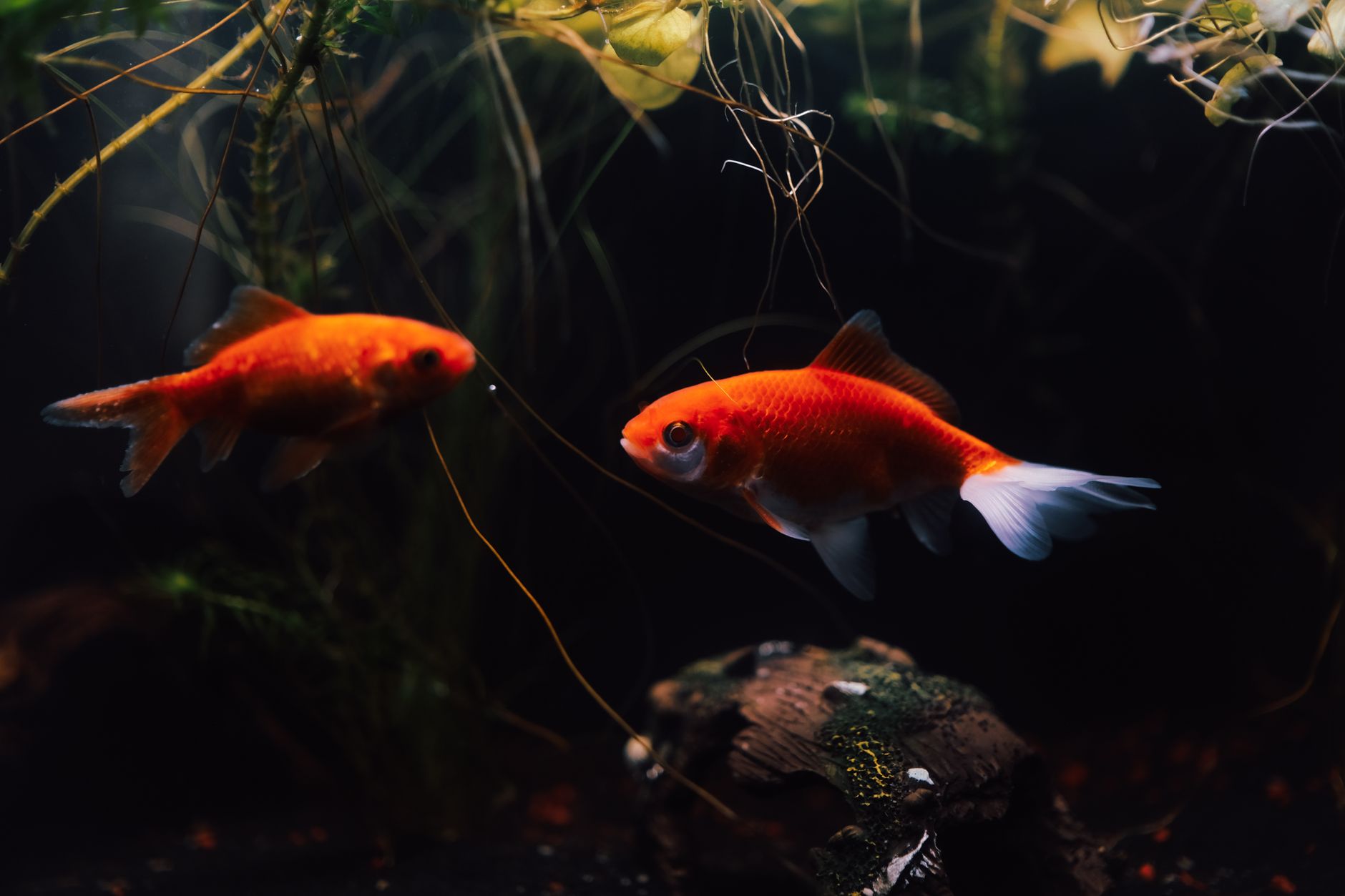
Betta fish are generally not scared of goldfish, but their interactions can be problematic due to conflicting environmental needs and temperaments, leading to stress and potential harm for both species. Understanding these dynamics is crucial before considering housing them together.
The Allure of a Diverse Aquarium: A Risky Proposition
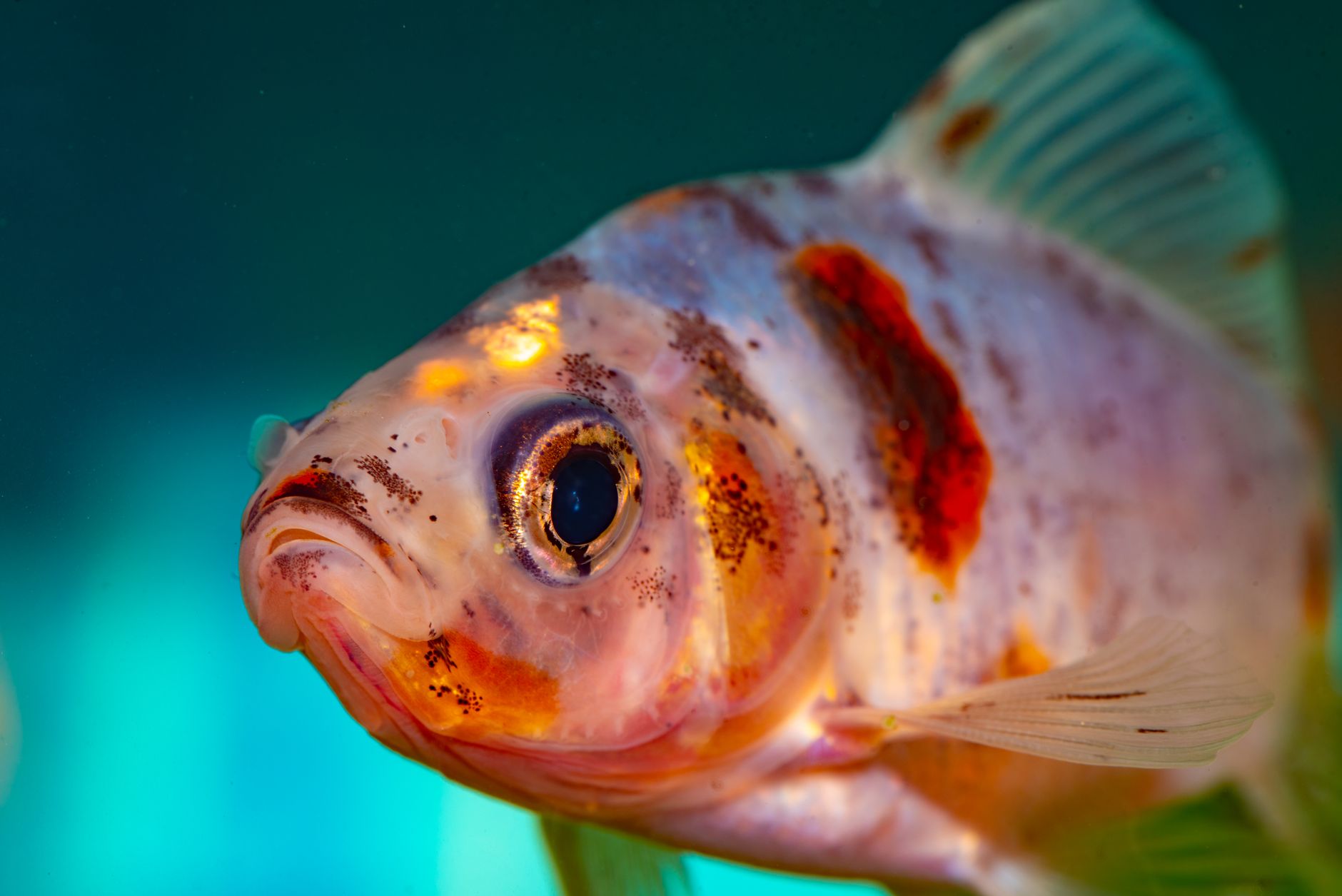
The idea of a vibrant aquarium filled with diverse species is captivating. However, when it comes to betta fish and goldfish, this dream can quickly turn into a nightmare. While it might seem tempting to combine these colorful creatures, their fundamental differences often lead to an unsustainable and stressful environment. Understanding the reasons behind this is key to ensuring the well-being of your aquatic pets.
How intelligent are fish?
Are fish heads good for the garden?
Can fish hear water?
What is cotton rot in fish?
Temperament Clash: The Aggression Factor
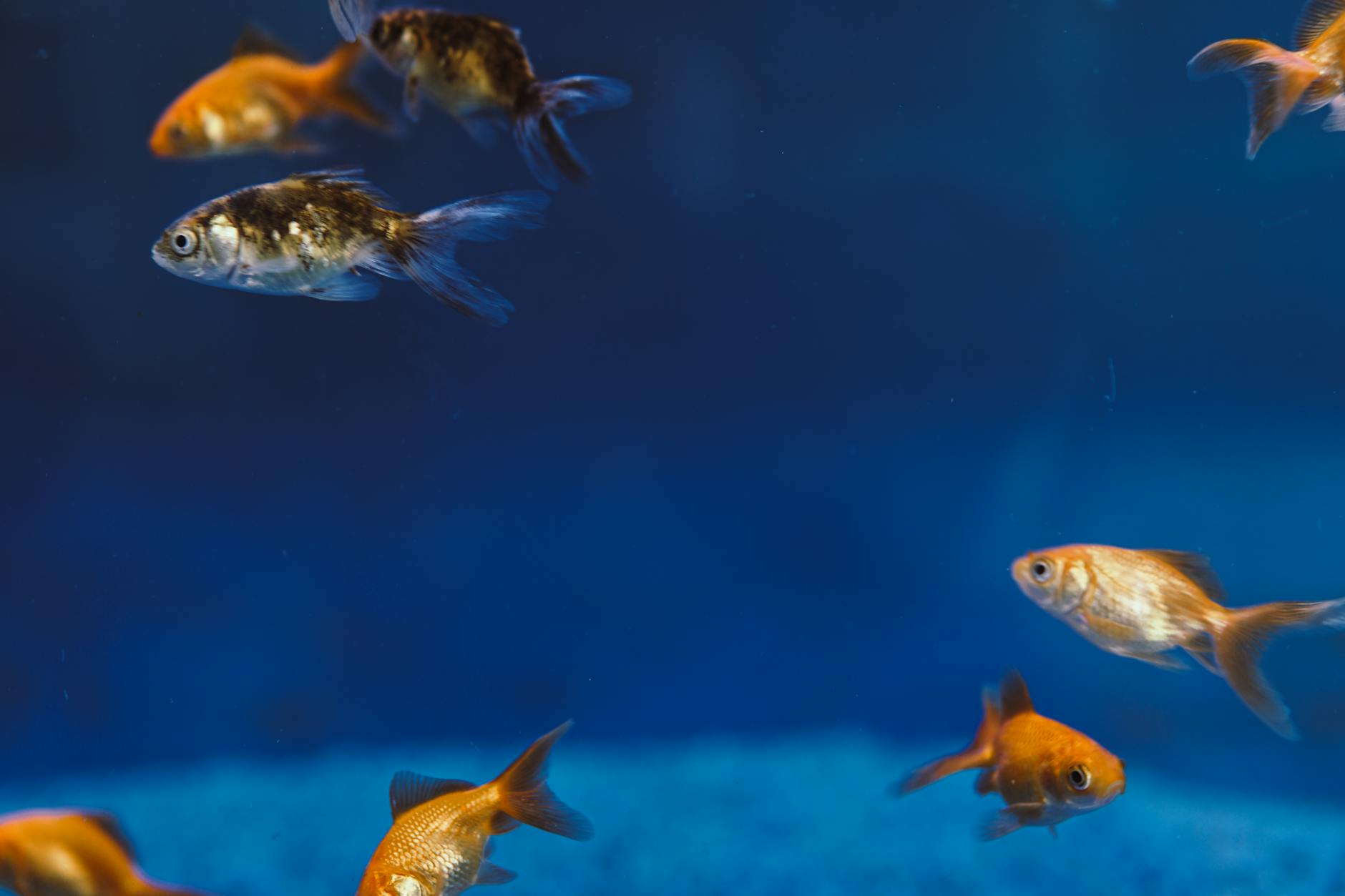
Betta fish, known as Siamese fighting fish, have a well-deserved reputation for aggression, particularly males. They are territorial and often see other fish, especially those with long, flowing fins that resemble other bettas, as threats. While they might not be overtly scared of goldfish, they can become aggressive towards them, nipping at their fins and causing stress. This aggression can be constant, leading to a weakened immune system and increased susceptibility to disease in the goldfish.
Environmental Needs: Opposites Attract (but Don’t Thrive)
Goldfish and betta fish have vastly different environmental requirements. Goldfish are cold-water fish, thriving in temperatures between 68°F and 74°F. Betta fish, on the other hand, prefer warmer tropical temperatures between 78°F and 82°F. Keeping both species in the same tank forces one or both of them to live outside of their optimal temperature range, leading to stress and potential health problems.
| Feature | Goldfish | Betta Fish |
|---|---|---|
| Temperature | 68°F – 74°F | 78°F – 82°F |
| Tank Size | Minimum 20 gallons per goldfish, increasing | Minimum 5 gallons, larger is always better |
| Temperament | Generally peaceful and social | Territorial and potentially aggressive |
| Water Flow | Moderate to high | Low |
The Tank Size Dilemma: Space Matters
Goldfish are messy fish, producing a lot of waste. They require large tanks with powerful filtration systems to maintain water quality. A single goldfish needs a minimum of 20 gallons of water, with an additional 10 gallons for each additional goldfish. Betta fish, while smaller, still require a minimum of 5 gallons to thrive. Cramming both species into a small tank exacerbates the problems mentioned above, leading to increased stress, aggression, and poor water quality.
Water Quality Concerns: A Toxic Brew
Goldfish produce a significant amount of ammonia, which is toxic to both goldfish and betta fish. A robust filtration system is essential to remove this waste product and maintain a healthy environment. However, even with a good filter, the high waste output of goldfish can quickly overwhelm the system, leading to a buildup of harmful substances. This can compromise the immune systems of both species, making them more vulnerable to disease. Regular water changes are crucial, but even those may not be enough to compensate for the incompatible bioloads.
Food Competition: A Hunger Game
Goldfish are opportunistic eaters, often consuming food quickly and aggressively. Betta fish, on the other hand, are slower, more deliberate eaters. When housed together, goldfish can outcompete bettas for food, leading to malnutrition and stress for the betta. Furthermore, goldfish require a different diet than betta fish. Goldfish typically eat flake food, while bettas require a diet rich in protein, such as bloodworms or brine shrimp. Providing the appropriate food for both species in the same tank can be challenging.
Alternative Tank Mates for Betta Fish: Harmony in the Aquarium
Instead of goldfish, consider other peaceful and compatible tank mates for your betta. Some good options include:
- Snails: Mystery snails, nerite snails, and ramshorn snails can help control algae.
- Shrimp: Ghost shrimp and cherry shrimp can be kept with bettas, but there’s always a risk the betta might see them as food.
- Corydoras Catfish: These peaceful bottom-dwellers can help clean up uneaten food.
- Ember Tetras: These small, peaceful schooling fish can make good tank mates if the betta isn’t aggressive.
Frequently Asked Questions (FAQs)
What happens if a betta fish is actually scared of a goldfish?
If a betta fish is genuinely scared of a goldfish, it will likely exhibit signs of stress, such as hiding, clamped fins, and a loss of appetite. The constant stress can weaken its immune system, making it more susceptible to disease. In such cases, the betta fish should be immediately separated from the goldfish.
Can a very large tank solve the problems of housing bettas and goldfish together?
While a very large tank can mitigate some of the issues, such as aggression and water quality, it doesn’t eliminate them entirely. The fundamental differences in temperature requirements and temperament remain. Even in a large tank, the goldfish’s waste production can still impact the water quality, and the betta fish may still feel stressed by the goldfish’s presence.
Are there any specific breeds of goldfish that are less likely to be harassed by a betta?
While some goldfish breeds are generally more docile than others (like Fantails), betta fish aggression is often triggered by long, flowing fins, regardless of breed. The betta may still see any goldfish with long fins as a threat.
What are the signs of stress in a betta fish?
Signs of stress in a betta fish include hiding, clamped fins (fins held close to the body), loss of appetite, lethargy, pale coloration, and increased susceptibility to disease. If you observe any of these signs, it’s crucial to investigate the cause and take steps to reduce the stress.
Is it possible to train a betta fish not to be aggressive towards goldfish?
While you can sometimes reduce a betta fish’s aggression through environmental enrichment and providing ample hiding places, it’s generally not possible to completely train a betta not to be aggressive. Betta fish aggression is often an instinctual behavior, and it’s difficult to completely suppress it.
How important is it to have a well-planted tank when keeping betta fish?
A well-planted tank provides betta fish with hiding places, reducing stress and providing a sense of security. Live plants also help to improve water quality by absorbing nitrates. Providing a heavily planted environment can help to mitigate aggression issues, as well.
What should I do if I’ve already put a betta fish and goldfish together and they’re fighting?
Immediately separate the betta fish and the goldfish. The easiest way to do this is by having a spare tank readily available. Alternatively, using a tank divider provides a physical barrier without requiring a separate tank.
Are there any exceptions to the rule about not keeping bettas and goldfish together?
There are very few exceptions. Very experienced aquarists might attempt this, but it requires meticulous monitoring of water parameters, temperature, and the behavior of both fish. The likelihood of success is low, and it’s generally not recommended.
What is the best temperature range for a betta fish to thrive?
The ideal temperature range for a betta fish is between 78°F and 82°F (25.5°C to 28°C). Maintaining this temperature range is crucial for their health and well-being. A heater is usually necessary to achieve this temperature.
How often should I change the water in a betta fish tank?
Water change frequency depends on the tank size and bioload. For a 5-gallon tank, a 25% water change should be performed weekly. Larger tanks can tolerate slightly less frequent water changes, but regular testing of water parameters is crucial.
What type of filter is best for a betta fish tank?
Sponge filters and hang-on-back (HOB) filters with adjustable flow rates are ideal for betta fish tanks. Betta fish prefer low water flow, so it’s important to choose a filter that won’t create too much current.
Can female betta fish be kept with goldfish more easily than male betta fish?
While female betta fish are generally less aggressive than males, they can still exhibit territorial behavior. Housing female bettas with goldfish still presents the same temperature and water quality issues. Even if aggression isn’t a major problem, the incompatible environmental needs make it an unsuitable combination.