

Are North Atlantic Right Whales Friendly? Unveiling the Enigmatic Nature of These Giants
The question of Are North Atlantic right whales friendly? is complex, but the definitive answer is no, they are not friendly in the way humans typically perceive animal friendliness. They are, however, generally non-aggressive towards humans and display curious and gentle behaviors in certain situations.
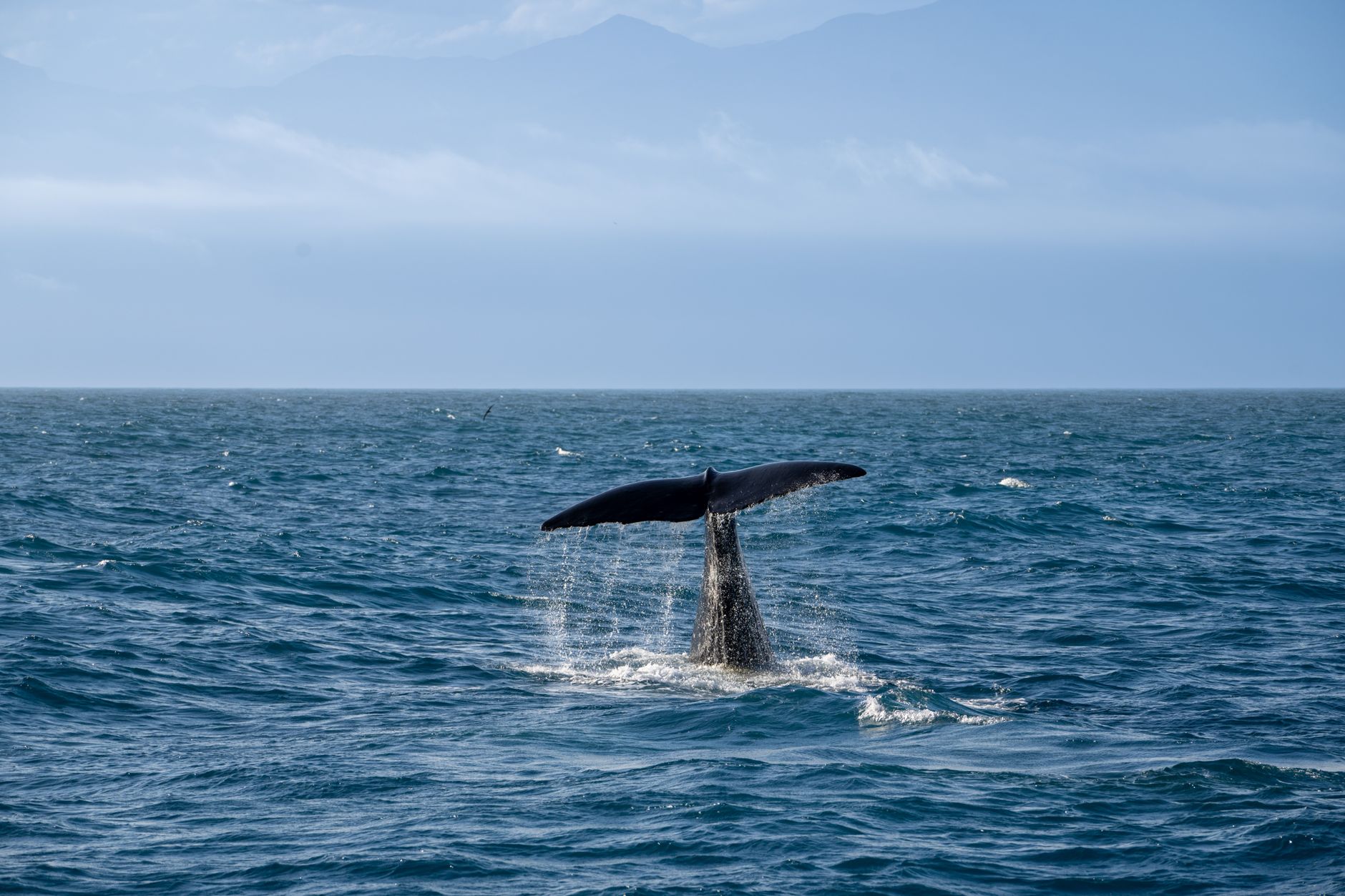
Understanding North Atlantic Right Whales: A Glimpse into Their World
North Atlantic right whales (Eubalaena glacialis) are among the most endangered whale species on the planet, facing a perilous fight for survival against a backdrop of human-induced threats. Understanding their behavior and ecology is critical to their conservation. These magnificent creatures are baleen whales, filter-feeding giants that play a vital role in the marine ecosystem. Their history is intertwined with human exploitation, leading to near extinction during the whaling era. Today, ship strikes and entanglement in fishing gear remain the primary threats to their survival, making their current population of just over 360 individuals incredibly fragile.

What colours are fish most attracted to?
Can you put your finger in a trout's mouth?
Is methylene blue anti bacterial?
Does aquarium salt raise pH in aquarium?
Behavioral Characteristics: What Drives Right Whale Interactions?

The question “Are North Atlantic right whales friendly?” requires an understanding of their behavioral repertoire. While they are not known to actively seek out human interaction, their behavior can be perceived as curious and even gentle in certain contexts.
- Social Structure: Right whales are generally solitary animals, although they form temporary aggregations for feeding, mating, and calving.
- Surface Behavior: They exhibit a variety of surface behaviors, including breaching, lobtailing (slapping their tail on the water), and spyhopping (raising their head vertically out of the water). These behaviors are thought to serve various functions, such as communication, courtship, or simply exploration.
- Response to Vessels: Right whales generally avoid vessels, but sometimes, particularly during resting periods, they may exhibit curiosity and approach boats. This behavior is infrequent, but poses a serious risk as they are extremely vulnerable to vessel strikes.
- Absence of Aggression: There are very few documented cases of right whales displaying aggression towards humans. They are typically passive and avoidant in their interactions with boats and people.
Assessing “Friendliness”: Applying Human Concepts to Wildlife
The concept of “friendliness” is inherently human-centric. Applying this term to wild animals, like North Atlantic right whales, is problematic because their behavior is driven by instinct, survival needs, and environmental factors, rather than conscious affection.
- Anthropomorphism: Assigning human emotions and motivations to animal behavior can lead to misunderstandings and misinterpretations.
- Objective Observation: It’s crucial to interpret their behavior based on scientific observation and data, rather than subjective feelings.
- Respect for Boundaries: Regardless of how an animal’s behavior might appear, it’s essential to maintain a respectful distance and avoid any actions that could disturb or endanger them.
The Dangers of Human Interaction: Why Distance is Crucial
Even if right whales appear curious or docile, approaching them too closely or attempting to interact with them can have serious consequences for both the whales and humans.
- Risk of Disturbance: Human presence can disrupt their feeding, resting, and breeding activities, impacting their health and survival.
- Vessel Strikes: Approaching whales in vessels increases the risk of collisions, which are a leading cause of mortality for right whales.
- Entanglement Risk: Getting too close to whales can potentially increase the risk of entanglement in fishing gear or other marine debris.
- Legal Consequences: In many areas, there are laws and regulations that prohibit approaching right whales too closely.
Promoting Responsible Whale Watching: Protecting Right Whales
Protecting these endangered giants requires responsible practices when observing them in their natural habitat. The question “Are North Atlantic right whales friendly?” should be answered with a focus on respecting their space and ensuring their safety.
- Maintain Distance: Always maintain a safe distance from right whales, as specified by local regulations (typically at least 500 yards).
- Reduce Speed: Slow down your vessel when approaching whale habitat to minimize the risk of collisions.
- Avoid Approaching Calves: Never approach or harass right whale calves, as they are particularly vulnerable.
- Report Sightings: Report right whale sightings to local authorities to help track their movements and protect them from threats.
Conservation Efforts: A Ray of Hope for Right Whales
Despite the dire circumstances, dedicated conservation efforts are underway to protect North Atlantic right whales.
- Regulations and Enforcement: Laws and regulations are in place to protect right whales from ship strikes and entanglement.
- Fishing Gear Modifications: Research and development are focused on developing fishing gear that is safer for whales.
- Habitat Protection: Efforts are being made to protect critical right whale habitats from human activities.
- Research and Monitoring: Scientists are constantly monitoring the right whale population to track their health and movements.
- Public Awareness: Educating the public about the plight of right whales and the importance of conservation is crucial.
Comparing Right Whale “Friendliness” to Other Whale Species
While not considered overtly friendly, their passive nature differs from other whale species:
| Species | Known Aggression Towards Humans | Tendency to Approach Boats |
|---|---|---|
| Right Whales | Rare | Sometimes, Curious |
| Humpback Whales | Rare | Often, Playful |
| Orcas (Killer Whales) | Extremely Rare | Sometimes, Curious |
Conclusion: Appreciating Right Whales from a Distance
The answer to “Are North Atlantic right whales friendly?” isn’t a simple yes or no. They are not aggressive and might even appear curious at times, but it’s crucial to remember that they are wild animals with specific needs. The best way to show our appreciation and support for these magnificent creatures is to observe them from a respectful distance, advocate for their protection, and support conservation efforts aimed at ensuring their survival.
Frequently Asked Questions About North Atlantic Right Whales
Are North Atlantic right whales endangered?
Yes, the North Atlantic right whale is classified as endangered. The population is critically low, with only an estimated 360 individuals remaining, making them one of the most endangered whale species in the world. Their precarious state is largely due to historical whaling practices and ongoing threats from ship strikes and entanglement in fishing gear.
What are the main threats to right whales?
The two primary threats to North Atlantic right whales are ship strikes and entanglement in fishing gear. These human-caused dangers lead to injury, death, and reduced reproductive success, significantly impacting the survival of this already vulnerable species. Climate change also contributes to shifts in their food availability and distribution.
How long do right whales live?
North Atlantic right whales can live for 70 years or more. However, due to the numerous threats they face, many individuals do not reach their full lifespan. Research suggests that entanglement and ship strikes significantly shorten their lives.
What do right whales eat?
Right whales are baleen whales, which means they filter-feed. Their primary food source is copepods, tiny crustaceans that they consume in large quantities. They skim-feed, swimming slowly with their mouths open to filter copepods from the water.
Where do right whales live?
North Atlantic right whales inhabit the North Atlantic Ocean. They migrate between their summer feeding grounds in the Gulf of Maine and the Bay of Fundy and their winter calving grounds off the coasts of Florida and Georgia.
How can I help protect right whales?
You can help protect right whales by supporting organizations that are working to reduce ship strikes and entanglement, advocating for stronger regulations to protect their habitat, and educating others about the importance of right whale conservation. Choosing sustainably sourced seafood can also reduce the risk of whale entanglement in fishing gear.
What is the difference between right whales and other whale species?
Right whales are distinguished by their lack of a dorsal fin, their large size (up to 55 feet long), and the callosities (rough, wart-like patches) on their heads. They also have a distinctive V-shaped blow. Other whale species, such as humpback whales, have a dorsal fin and display different feeding and social behaviors.
What should I do if I see a right whale while boating?
If you see a right whale while boating, it is crucial to maintain a distance of at least 500 yards (as required by law in the US). Slow down your vessel and avoid any sudden movements or changes in direction that could startle the whale. Report the sighting to local authorities.
Do right whales have any natural predators?
While adult right whales are relatively large and powerful, calves are vulnerable to predation by sharks and orcas (killer whales). However, human-caused threats pose a significantly greater risk to right whales than natural predators.
How many calves do right whales have at a time?
Right whales typically give birth to one calf at a time. Calving intervals are usually between three and five years. The reproductive rate of right whales is relatively slow, which makes them particularly vulnerable to population decline.
What are callosities on right whales?
Callosities are rough, wart-like patches of skin found on the heads of right whales. They are unique to each individual whale and are used by researchers to identify and track them. The callosities are colonized by whale lice and other crustaceans, giving them a distinctive appearance.
What is being done to reduce ship strikes on right whales?
Efforts to reduce ship strikes on right whales include establishing seasonal management areas where ships are required to slow down, developing early warning systems to alert ships to the presence of whales, and rerouting shipping lanes to avoid critical right whale habitats. These measures aim to reduce the likelihood of collisions between ships and whales.