

What is the role of the female seahorse in reproduction?
The female seahorse’s role in reproduction is to produce eggs; however, uniquely among animals, she then transfers these eggs to the male’s brood pouch, where he fertilizes and incubates them until they hatch.
The Unique Seahorse Reproduction Strategy: An Introduction
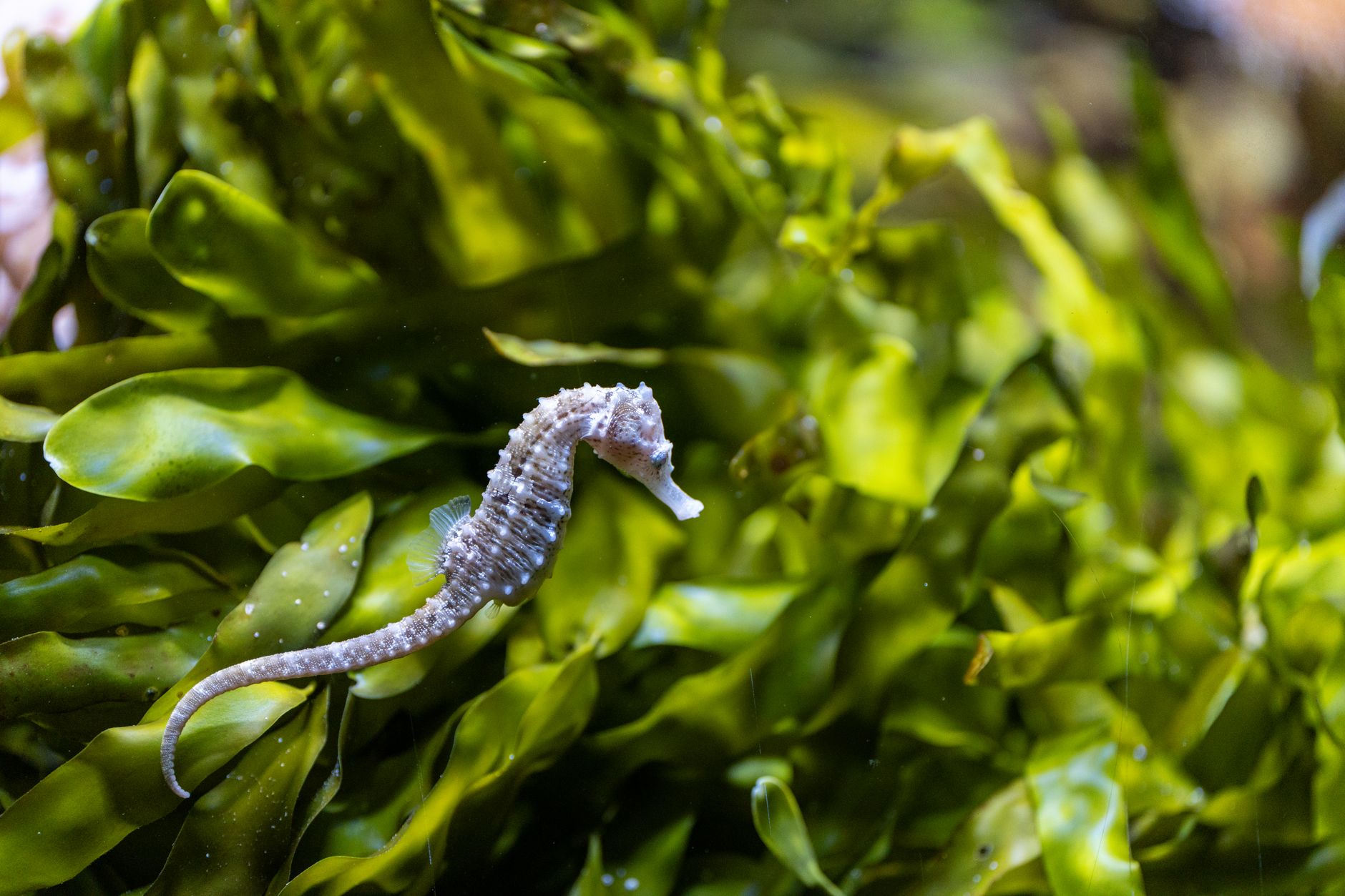
Seahorses, belonging to the Syngnathidae family which includes pipefish and seadragons, are captivating creatures renowned for their peculiar morphology and, most notably, their reversed reproductive roles. Unlike almost all other animal species, the male seahorse carries the developing embryos. To understand this fascinating phenomenon, we must delve into the role of the female seahorse in reproduction. While the male takes on the paternal duties of pregnancy, the female’s initial contribution is critical.
Is distilled water good for goldfish?
What colours are fish most attracted to?
Can you put your finger in a trout's mouth?
Is methylene blue anti bacterial?
Oogenesis: The Foundation of Seahorse Reproduction
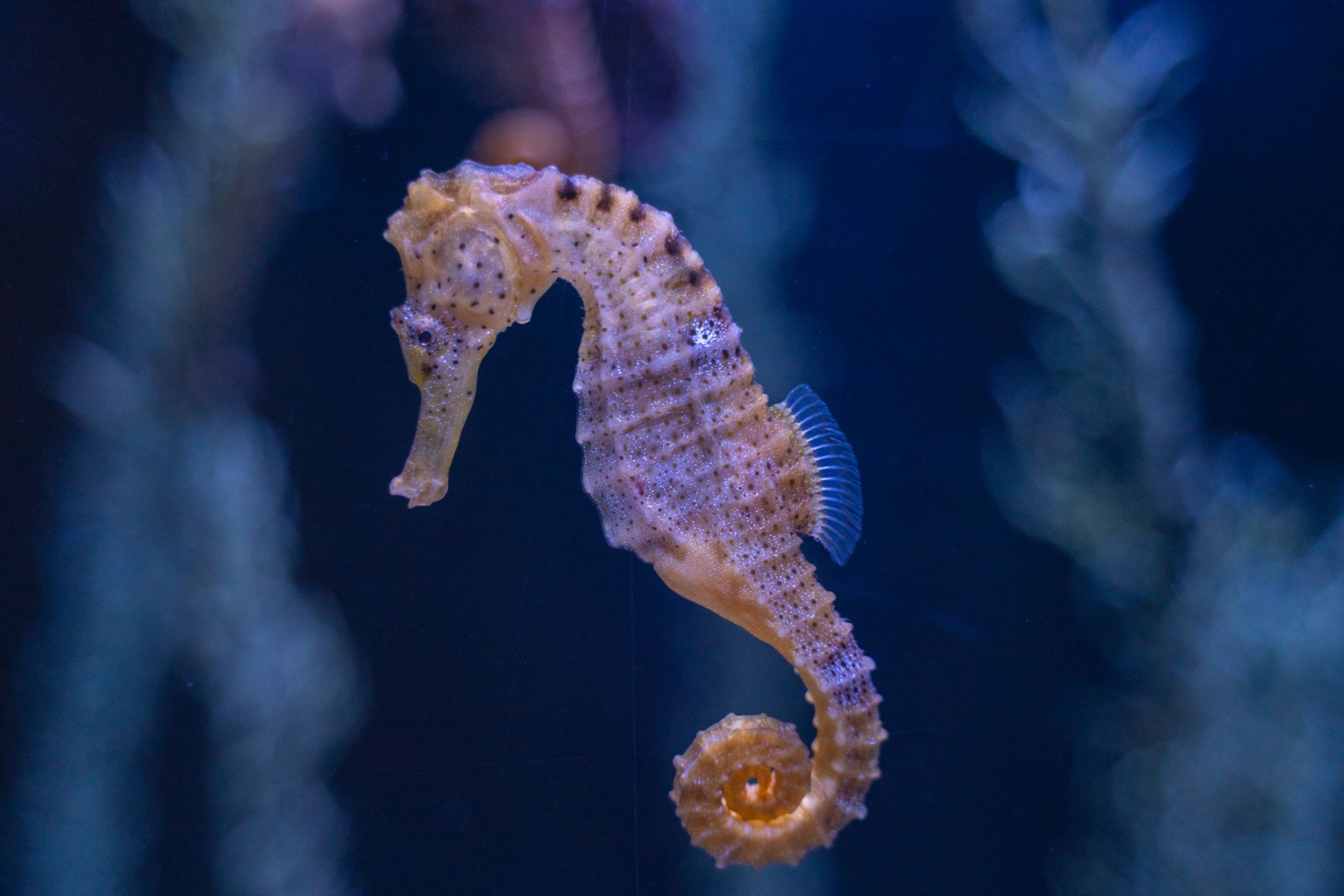
The female seahorse’s primary reproductive function is oogenesis: the process of creating mature ova, or eggs. This process begins long before mating season, as the female seahorse invests considerable energy in developing healthy, nutrient-rich eggs within her ovaries. The size and quality of these eggs directly impact the survival chances of the offspring.
The Transfer Process: A Mating Ritual
The transfer of eggs from the female to the male’s brood pouch is a synchronized and elaborate dance. This ritual, often involving days of courtship, ensures both partners are ready for the energetic demands of reproduction. Key elements include:
- Synchronized Swimming: The pair will swim side-by-side, often mirroring each other’s movements.
- Color Changes: Both male and female seahorses may display vibrant colors, signaling readiness.
- Brood Pouch Display: The male displays his empty brood pouch to the female.
- The Egg Transfer: The female inserts her ovipositor (a specialized tube) into the male’s brood pouch, depositing the eggs directly inside.
The Brood Pouch: A Male’s Exclusive Domain
Following the transfer, the male fertilizes the eggs within his brood pouch. This pouch, a specialized structure unique to male syngnathids, provides a controlled environment for embryonic development. The pouch has several vital functions:
- Protection: Shields the developing embryos from predators and environmental stressors.
- Osmoregulation: Maintains a stable salt concentration crucial for embryonic development.
- Nutrient Provision (to a limited extent): In some species, the pouch provides nutrients to the developing embryos, although the egg yolk is the primary source of sustenance.
- Gas Exchange: Facilitates oxygen uptake and carbon dioxide removal for the developing embryos.
The length of gestation varies depending on the seahorse species, ranging from a few weeks to over a month. Once the embryos have developed into miniature versions of their parents, the male gives birth, releasing hundreds or even thousands of tiny seahorses into the water.
What Happens After the Transfer? The Female’s Preparations
Once the female has transferred her eggs, she doesn’t simply disappear. She plays a crucial role in preparing for the next clutch of eggs. This involves:
- Nutrient Replenishment: She needs to replenish her energy reserves after the considerable effort of producing and transferring the eggs.
- Hormonal Reset: Her hormonal state needs to readjust to prepare for the next oogenesis cycle.
- Continued Courtship (in some cases): She often maintains her bond with the male, engaging in further courtship rituals to maintain synchronicity for the next mating event.
Comparing Reproduction Strategies
Here is a brief comparison of the roles in reproduction between seahorses and typical fish:
| Feature | Typical Fish | Seahorses |
|---|---|---|
| Egg Production | Female | Female |
| Fertilization | Typically external by the male | Internal within the male’s brood pouch |
| Incubation | Eggs are left to develop independently | Male incubates eggs in brood pouch |
| Parental Care | Minimal or absent | Male provides substantial parental care |
The Evolutionary Advantage: Why the Role Reversal?
The evolutionary reasons behind this unique role reversal are still debated, but several hypotheses exist:
- Female Energy Conservation: The female can dedicate more energy to egg production, potentially increasing the number of offspring produced over time.
- Increased Reproductive Rate: The male’s incubation allows the female to produce more clutches of eggs in a given breeding season.
- Certainty of Paternity: The male has a higher degree of certainty that he is the father of the offspring he carries.
- Adaptation to Habitat: The brood pouch might offer increased protection in specific habitats.
Threats to Seahorses
Understanding the role of the female seahorse in reproduction is critical for conservation efforts. Seahorse populations face significant threats including:
- Habitat Destruction: Seagrass beds, mangroves, and coral reefs are crucial habitats that are being destroyed at an alarming rate.
- Overfishing: Seahorses are caught both as bycatch and as targeted species for traditional medicine and the aquarium trade.
- Pollution: Pollution degrades seahorse habitats and can directly impact their health and reproductive success.
- Climate Change: Rising sea temperatures and ocean acidification pose further threats to seahorse populations and their habitats.
Conservation Efforts: Protecting Seahorse Populations
Numerous conservation efforts are underway to protect seahorses:
- Habitat Restoration: Restoring and protecting vital habitats like seagrass beds and coral reefs.
- Sustainable Fishing Practices: Implementing fishing regulations to reduce bycatch and ensure sustainable harvesting.
- Combating Illegal Trade: Enforcing regulations to prevent the illegal trade of seahorses for traditional medicine and the aquarium trade.
- Public Awareness: Raising public awareness about the plight of seahorses and the importance of conservation.
FAQs: Unveiling More Seahorse Secrets
What is the average lifespan of a female seahorse?
The average lifespan of a female seahorse varies depending on the species, but generally ranges from 1 to 5 years in the wild. Some captive seahorses, with proper care, can live longer.
How many eggs does a female seahorse typically produce in a clutch?
The number of eggs produced by a female seahorse in a clutch also varies significantly between species, ranging from a few dozen to over several thousand. Larger seahorse species generally produce more eggs.
Does the female seahorse provide any care for the young after they are born?
No, the female seahorse does not provide any parental care for the young after they are born. Once the male releases the fry, they are independent and fend for themselves.
How often do female seahorses reproduce?
Female seahorses can reproduce relatively frequently, with some species mating multiple times during a single breeding season. The frequency depends on factors such as food availability and water temperature.
What factors affect a female seahorse’s reproductive success?
A female seahorse’s reproductive success is influenced by several factors, including her age, health, food availability, and the quality of her habitat. Pollution and stress can also negatively impact her reproductive output.
How does the female seahorse choose a mate?
Female seahorses are believed to select mates based on various factors, including the male’s size, health, and the vibrancy of his colors. Courtship displays also play a role in mate selection.
What happens if a female seahorse is unable to find a mate?
If a female seahorse is unable to find a mate, she will retain her eggs and eventually reabsorb them. This process requires energy, but it prevents her from wasting resources on unfertilized eggs.
Are there any differences in the reproductive strategies of different seahorse species?
Yes, there are subtle differences in the reproductive strategies of different seahorse species. These differences can include the size and shape of the brood pouch, the number of eggs produced, and the duration of gestation.
How does climate change affect the female seahorse’s reproductive success?
Climate change impacts seahorses in numerous ways. Rising ocean temperatures can disrupt their reproductive cycles and reduce the survival rate of their offspring. Ocean acidification can also negatively impact the health of seahorse habitats, further impacting their reproductive success.
What is the role of hormones in the female seahorse’s reproduction cycle?
Hormones play a crucial role in regulating the female seahorse’s reproductive cycle. These hormones control oogenesis, the timing of egg release, and the overall coordination of the mating process.
Do female seahorses remain monogamous with their mates?
Some seahorse species exhibit monogamous behavior, forming pair bonds that can last for several breeding seasons. However, not all seahorse species are strictly monogamous, and some females may mate with multiple males.
What are some research projects aimed at understanding the role of the female seahorse in reproduction?
Researchers are actively studying the reproductive biology of seahorses through various projects. These projects include genetic studies to understand the evolution of male pregnancy, behavioral studies to examine courtship rituals, and physiological studies to investigate the hormonal control of reproduction. These studies are essential for understanding the complex reproductive biology of these remarkable creatures and developing effective conservation strategies.