

Are Hard Corals a Keystone Species?
Hard corals are generally considered keystone species in coral reef ecosystems due to their fundamental role in creating the reef’s physical structure, providing habitat for countless other organisms, and underpinning the entire food web. Without them, the entire reef ecosystem would likely collapse.
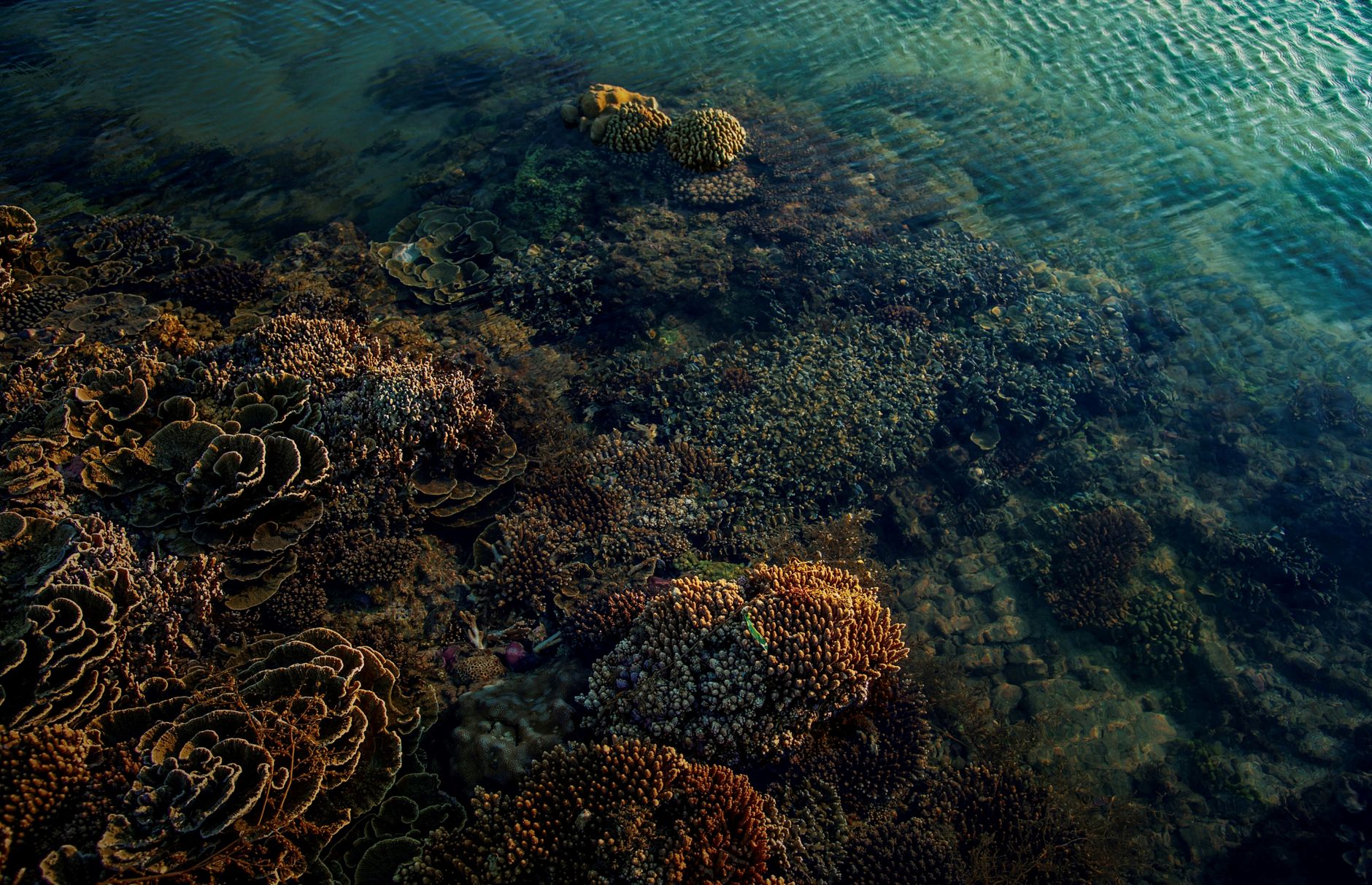
Understanding the Cornerstone of Coral Reefs: Hard Corals
Coral reefs are among the most biodiverse and productive ecosystems on Earth, rivaling even rainforests. The structural complexity of these reefs, the vibrant colors, and the teeming life all depend on a single crucial group: hard corals. But are hard corals a keystone species? To answer this, we need to understand their multifaceted role in the reef environment.

What colours are fish most attracted to?
Can you put your finger in a trout's mouth?
Is methylene blue anti bacterial?
Does aquarium salt raise pH in aquarium?
Building the Foundation: Calcification and Reef Structure

Hard corals, also known as stony corals, belong to the order Scleractinia. Their defining characteristic is their ability to secrete a hard skeleton made of calcium carbonate (CaCO3). This process, called calcification, is the foundation upon which coral reefs are built.
- Polyp Secretion: Each coral polyp, a small, cylindrical animal, secretes calcium carbonate at its base.
- Cumulative Growth: Over time, the skeletons of countless polyps accumulate, forming the massive structures we recognize as coral reefs.
- Three-Dimensional Habitat: The intricate shapes and branching patterns of hard corals create a complex three-dimensional habitat, providing shelter and refuge for a vast array of marine life.
The Reef as a Home: Habitat Provision
The physical structure built by hard corals is not just a static foundation; it is a dynamic and essential habitat.
- Shelter from Predators: The nooks and crannies of coral skeletons offer protection from predators for smaller fish, invertebrates, and other organisms.
- Nursery Grounds: Many species of fish use coral reefs as nursery grounds for their young, providing a safe environment for them to grow and mature.
- Attachment Surfaces: Hard coral surfaces provide attachment points for algae, sponges, and other sessile organisms, further increasing the reef’s biodiversity.
Fueling the Ecosystem: Primary Production and the Food Web
While the skeletal structure is essential, the coral polyp itself plays a vital role in the reef’s food web.
- Symbiotic Algae (Zooxanthellae): Hard corals have a symbiotic relationship with microscopic algae called zooxanthellae that live within their tissues.
- Photosynthesis: Zooxanthellae use sunlight to perform photosynthesis, producing energy-rich compounds that they share with the coral polyp. This provides the coral with a significant portion of its nutritional needs.
- Food Web Support: The energy generated by zooxanthellae supports the entire reef ecosystem, fueling the growth and reproduction of corals themselves and providing a source of energy for other organisms that consume corals or their byproducts.
Threats and Vulnerabilities
The importance of hard corals highlights the devastating consequences of their decline. Are hard corals a keystone species that are facing unprecedented threats? Yes, and these threats directly jeopardize the entire coral reef ecosystem.
- Climate Change: Rising ocean temperatures cause coral bleaching, a phenomenon where corals expel their zooxanthellae, leading to starvation and death.
- Ocean Acidification: Increased levels of carbon dioxide in the atmosphere are absorbed by the ocean, leading to a decrease in pH. This makes it more difficult for corals to build and maintain their calcium carbonate skeletons.
- Pollution: Runoff from land carries pollutants, such as fertilizers and pesticides, which can harm corals and promote the growth of algae that smother them.
- Overfishing: Overfishing can disrupt the delicate balance of the reef ecosystem, leading to a decline in the populations of herbivorous fish that graze on algae and keep them from overgrowing corals.
- Destructive Fishing Practices: Practices like dynamite fishing destroy coral reefs directly.
Conservation Efforts: Protecting Our Reefs
Given the critical role of hard corals, conservation efforts are crucial for protecting coral reefs.
- Reducing Carbon Emissions: Addressing climate change by reducing greenhouse gas emissions is essential for mitigating coral bleaching and ocean acidification.
- Improving Water Quality: Reducing pollution from land-based sources is crucial for protecting corals from harmful pollutants.
- Sustainable Fishing Practices: Implementing sustainable fishing practices can help maintain the balance of the reef ecosystem and prevent overfishing.
- Coral Restoration: Coral restoration projects involve growing corals in nurseries and then transplanting them onto degraded reefs.
- Marine Protected Areas (MPAs): Establishing MPAs can protect coral reefs from human activities, such as fishing and tourism.
Frequently Asked Questions about Hard Corals and Keystone Species
What exactly is a keystone species?
A keystone species is an organism that plays a critical role in maintaining the structure and function of an ecosystem. Its impact on the ecosystem is disproportionately large relative to its abundance. Removing a keystone species can lead to a dramatic collapse of the ecosystem.
How do hard corals contribute to the physical structure of a reef?
Hard corals secrete calcium carbonate skeletons that accumulate over time to form the physical structure of the reef. This intricate three-dimensional structure provides habitat and shelter for a vast array of marine life.
What is the relationship between hard corals and zooxanthellae?
Hard corals have a symbiotic relationship with zooxanthellae, microscopic algae that live within their tissues. The zooxanthellae provide the coral with energy through photosynthesis, while the coral provides the algae with protection and nutrients.
What is coral bleaching, and how does it affect hard corals?
Coral bleaching occurs when corals expel their zooxanthellae due to stress, such as rising ocean temperatures. This causes the coral to lose its color and, if prolonged, can lead to starvation and death.
How does ocean acidification impact hard corals?
Ocean acidification makes it more difficult for corals to build and maintain their calcium carbonate skeletons, hindering their growth and making them more vulnerable to erosion.
Besides climate change, what other threats do hard corals face?
Other threats include pollution, overfishing, destructive fishing practices, and disease. These stressors can weaken corals and make them more susceptible to bleaching and other problems.
What are some examples of coral restoration efforts?
Coral restoration efforts include growing corals in nurseries and then transplanting them onto degraded reefs. These projects aim to help restore damaged coral populations and promote reef recovery.
What are Marine Protected Areas (MPAs), and how do they benefit hard corals?
MPAs are areas that are protected from certain human activities, such as fishing and tourism. These areas can provide refuge for hard corals and allow them to recover from stressors.
How can individuals contribute to protecting hard corals?
Individuals can contribute by reducing their carbon footprint, supporting sustainable seafood choices, avoiding the use of harmful chemicals that can pollute waterways, and supporting organizations that are working to protect coral reefs.
Are all coral species keystone species?
While hard corals are widely regarded as keystone species, the specific role and importance can vary depending on the reef ecosystem and the abundance and function of other species. Soft corals also contribute to reef ecosystems but generally do not create the fundamental structural base in the same way.
What happens to a coral reef ecosystem if hard corals disappear?
If hard corals disappear, the reef ecosystem would likely collapse. The loss of the reef’s structure would eliminate habitat for many species, and the decline in primary production would disrupt the food web. The ecosystem would transition to a less diverse and less productive state.
Are hard corals a keystone species in all marine environments?
While most discussions of hard corals as a keystone species center around tropical coral reef ecosystems, the principle applies wherever hard coral structures are dominant and central to biodiversity and ecological function. Even in some subtropical or temperate zones where hard corals form significant structures, they can function as keystone species. The fundamental role of providing habitat and underpinning food webs remain.