

Why Doesn’t My Dog Tell Me He Needs to Pee? Unlocking Canine Communication
Your dog isn’t vocalizing their need to urinate? The reasons are varied, ranging from ingrained habits and insufficient training to underlying medical issues; understanding the nuances is key to fostering a better connection with your furry friend and preventing accidents.
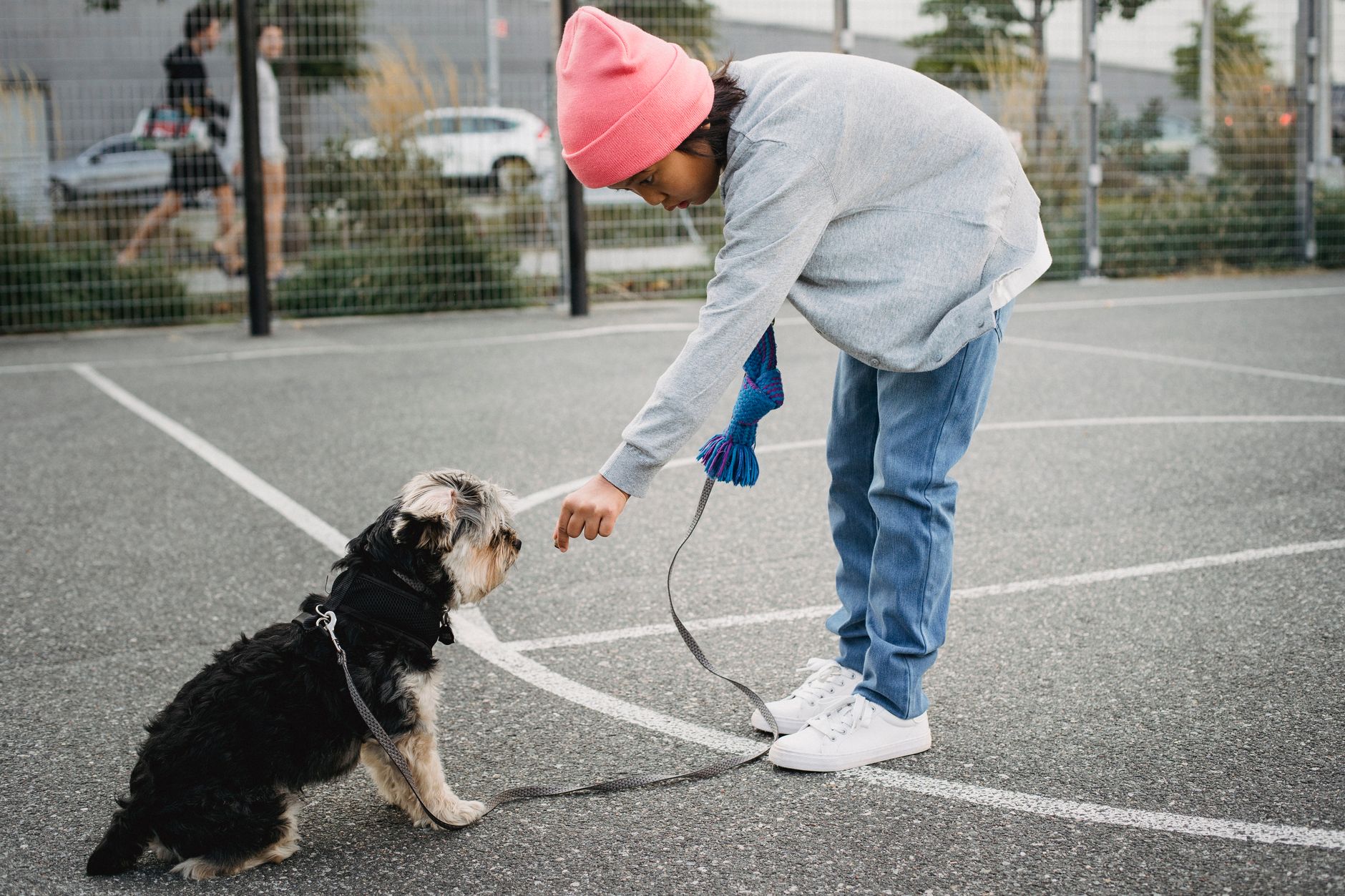
Introduction: Decoding the Silent Signals
Many dog owners find themselves frustrated when their canine companions don’t provide a clear signal when nature calls. While some dogs bark, whine, or paw at the door, others remain stubbornly silent, leading to indoor accidents and puzzled owners. Why doesn’t my dog tell me he needs to pee? The answer isn’t always straightforward. It’s a complex interplay of learned behavior, breed characteristics, individual personality, and sometimes, even medical concerns. Understanding these factors is the first step toward improving communication and establishing a reliable potty routine. This article will explore the common reasons behind this seemingly silent issue, providing practical strategies to encourage your dog to communicate their needs effectively.
Understanding the Fundamentals: Canine Communication and Potty Training
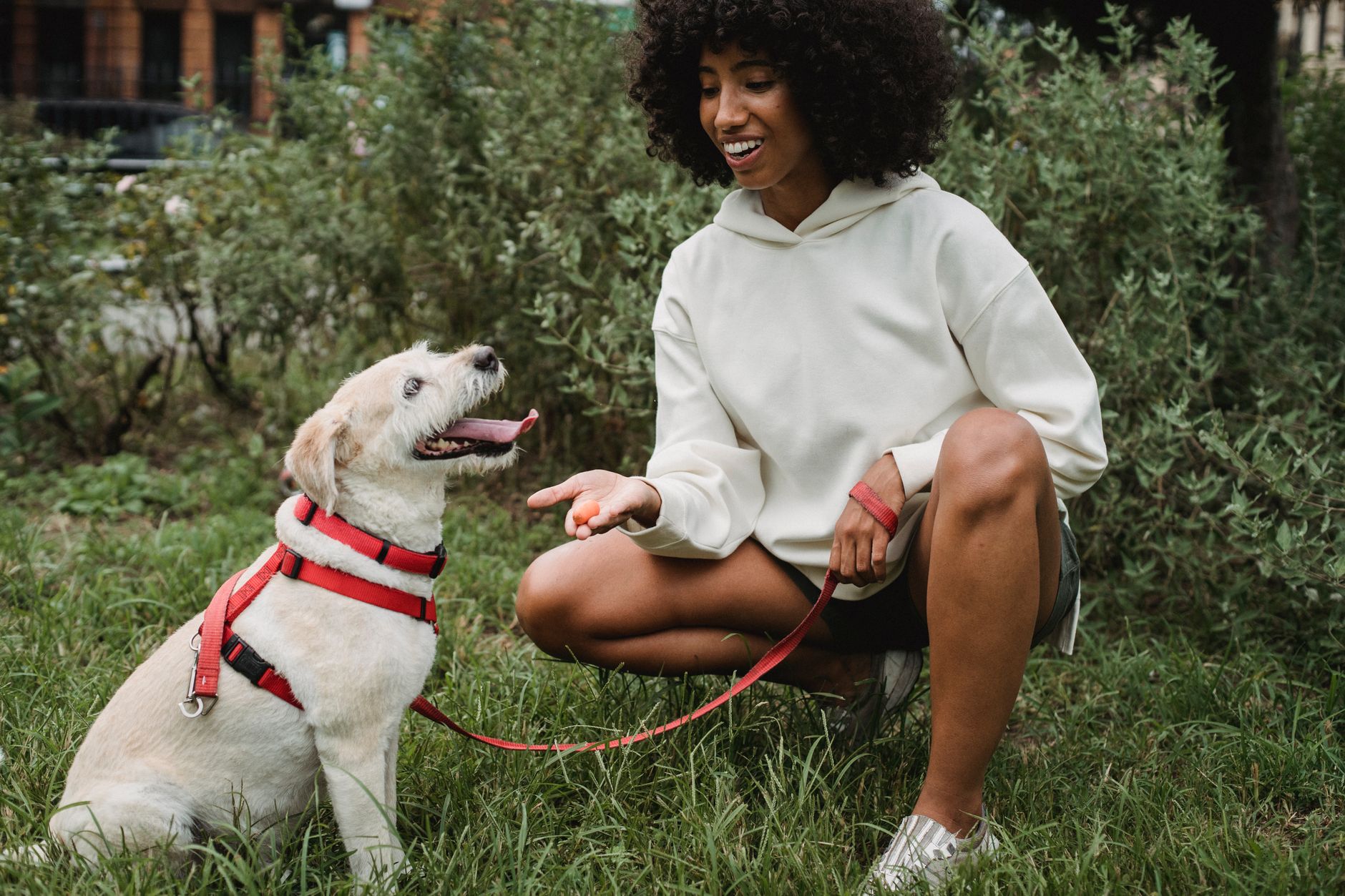
Dogs communicate in a multitude of ways, primarily through body language, scent marking, and vocalizations. However, their reliance on vocal communication is less pronounced than humans, especially when it comes to eliminating waste. Early socialization and effective potty training are crucial in shaping a dog’s communication style regarding urination.
- Lack of Early Potty Training: If a dog wasn’t properly house-trained as a puppy, they may not have learned to associate needing to go outside with a specific signal.
- Negative Associations: Punishing a dog for accidents can create anxiety and suppress any attempts to communicate their needs. Fearful dogs often become silent and try to hide their urination.
- Inconsistent Training: Inconsistent cues or rewards during potty training can confuse a dog and hinder their ability to learn how to signal their need to pee.
Behavioral Reasons: Learned Silence and Personality
Beyond early training, several behavioral factors can influence a dog’s willingness or ability to signal their need to urinate. Some dogs are naturally more independent and less prone to seeking attention, while others may have learned to suppress their needs due to environmental factors.
- Submissive Urination: Dogs exhibiting submissive urination may avoid signaling because they associate urination with feelings of fear or anxiety around their owners.
- Lack of Reinforcement: If previous attempts to signal were ignored or went unrewarded, a dog might learn that it’s pointless to communicate their needs.
- Breed Characteristics: Certain breeds, particularly those bred for independence, may be less likely to vocalize their needs compared to more vocal breeds.
Medical Considerations: When Silence Signals a Problem
In some cases, a change in a dog’s urination habits, including a lack of signaling, can be a sign of an underlying medical condition. It’s essential to rule out any health issues before focusing solely on behavioral solutions.
- Urinary Tract Infections (UTIs): UTIs can cause frequent and urgent urination, making it difficult for a dog to control their bladder long enough to signal their needs.
- Kidney Disease: Kidney disease can affect a dog’s ability to concentrate urine, leading to increased urination and potential incontinence.
- Diabetes: Diabetes can also increase urine production, making it harder for a dog to hold their bladder and signal their need to go outside.
- Cognitive Dysfunction (Doggy Dementia): Older dogs experiencing cognitive decline may forget their house training and lose the ability to signal their needs.
Table: Common Medical Conditions Affecting Urination Habits
| Condition | Symptoms | Possible Impact on Signaling |
|---|---|---|
| Urinary Tract Infection | Frequent urination, straining to urinate, blood in urine | Increased urgency, no signal |
| Kidney Disease | Increased thirst and urination, weight loss, lethargy | Increased frequency, no signal |
| Diabetes | Increased thirst and urination, weight loss, increased appetite | Increased frequency, no signal |
| Cognitive Dysfunction | Disorientation, confusion, loss of house training, changes in sleep patterns | Forgetting signals |
Strategies to Encourage Communication
If you’ve ruled out medical causes and are confident that your dog is physically capable of signaling, there are several strategies you can implement to encourage them to communicate their needs more effectively.
- Establish a Consistent Routine: Regular potty breaks at predictable times can help regulate your dog’s bladder and make it easier for them to anticipate their needs.
- Teach a Specific Signal: Choose a simple action, such as ringing a bell or pawing at the door, and consistently reward your dog when they perform that action before going outside to urinate.
- Positive Reinforcement: Reward your dog immediately after they eliminate outside. Use praise, treats, or a favorite toy to create a positive association with going potty outside.
- Observe Body Language: Pay close attention to your dog’s body language for subtle cues, such as pacing, sniffing, circling, or squatting. Respond promptly to these signals.
- Avoid Punishment: Never punish your dog for accidents. Punishment can create anxiety and suppress any attempts to communicate their needs.
- Consult a Professional: If you’re struggling to train your dog to signal their needs, consider consulting a certified dog trainer or veterinary behaviorist for personalized guidance.
Bullet List: Key Steps for Effective Potty Training Communication
- Establish a consistent potty routine.
- Choose a clear and simple signal.
- Use positive reinforcement consistently.
- Observe your dog’s body language carefully.
- Never punish accidents.
- Seek professional help if needed.
Common Mistakes to Avoid
While attempting to improve your dog’s communication, avoid common pitfalls that can hinder progress and create confusion.
- Inconsistency: Inconsistent cues or rewards can confuse your dog and make it difficult for them to learn what’s expected of them.
- Ignoring Signals: Ignoring your dog’s attempts to signal can discourage them from trying again in the future.
- Punishment: Punishing accidents will create anxiety and suppress communication.
- Lack of Patience: Training takes time and patience. Don’t get discouraged if you don’t see results immediately.
Conclusion: Building a Stronger Connection
Understanding why doesn’t my dog tell me he needs to pee? requires a holistic approach, considering factors ranging from early training and behavior to potential medical conditions. By establishing a consistent routine, teaching a clear signal, using positive reinforcement, and avoiding common mistakes, you can help your dog communicate their needs more effectively and build a stronger, more trusting relationship. Remember that patience and consistency are key to success. If you’re still struggling, don’t hesitate to seek professional guidance from a qualified dog trainer or veterinary behaviorist.

FAQs: Decoding Canine Urination Communication
Why does my dog suddenly stop signaling when he used to?
A sudden change in urination habits, including a cessation of signaling, warrants a veterinary checkup. It could indicate a medical issue, such as a UTI, kidney disease, or diabetes. Alternatively, it could be related to changes in the environment or routine causing stress or anxiety.
Is it normal for some dogs to never signal their need to pee?
While most dogs can be trained to signal, some may be more subtle or less vocal than others. Certain breeds, particularly those bred for independence, may be less inclined to seek attention for their needs. However, if your dog has never signaled, it’s crucial to rule out any underlying medical conditions and ensure they received proper potty training as a puppy.
How long does it typically take to train a dog to signal their need to pee?
The timeframe for training varies depending on the dog’s age, breed, personality, and previous training experience. With consistent training and positive reinforcement, most dogs can learn to signal within a few weeks to a few months. Patience and consistency are key.
My dog signals, but sometimes still has accidents. What could be the reason?
Occasional accidents can happen, even with well-trained dogs. Possible reasons include medical issues, excitement urination, submissive urination, or simply not being able to hold their bladder long enough. Monitor the frequency of accidents and consult a veterinarian if they become more frequent.
What’s the best way to choose a signal for my dog to use?
Choose a signal that is easy for your dog to perform and consistent with their abilities. Common signals include ringing a bell, pawing at the door, barking, or bringing you their leash. Select a signal that you can easily recognize and respond to.
Should I punish my dog for having accidents if they didn’t signal?
Never punish your dog for accidents. Punishment creates anxiety and fear, making them less likely to signal their needs in the future. Instead, focus on positive reinforcement and rewarding desired behaviors.
My dog only signals at certain times of the day. Is this normal?
It’s common for dogs to have predictable potty patterns, especially after meals or first thing in the morning. However, if your dog only signals at specific times and seems uncomfortable or unable to hold their bladder at other times, consult a veterinarian to rule out medical issues.
How do I deal with a dog who signals excessively for attention, not just to pee?
If your dog is signaling frequently, but not always needing to eliminate, it’s essential to distinguish between genuine needs and attention-seeking behavior. Ignore the signal if you suspect it’s for attention and only reward genuine attempts to communicate a need to urinate. Consider providing more mental and physical stimulation to address boredom or anxiety.
What if my dog suddenly starts peeing indoors without signaling, despite being house-trained?
Sudden changes in urination habits are often indicative of a medical problem. Schedule a veterinary appointment immediately to rule out conditions such as UTIs, kidney disease, diabetes, or cognitive dysfunction.
Can anxiety cause my dog to not signal when he needs to pee?
Yes, anxiety can significantly impact a dog’s urination habits. Anxious dogs may be too preoccupied to signal their needs or may experience increased urgency due to stress. Identifying and addressing the source of anxiety is crucial.
My senior dog is suddenly having accidents and not signaling. What should I do?
Senior dogs are more prone to age-related health issues, such as cognitive dysfunction or decreased bladder control. Consult your veterinarian for a thorough examination to determine the underlying cause and discuss appropriate management strategies.
Is it possible to re-train an older dog to signal their need to pee?
Yes, it is possible to re-train an older dog, although it may require more patience and consistency than training a puppy. Use the same techniques as you would with a puppy, focusing on positive reinforcement and establishing a consistent routine. Consider consulting a professional dog trainer for assistance.