

Are Greenland Sharks Protected?
Greenland sharks, the longest-lived vertebrates on Earth, currently lack comprehensive international protection. While some localized measures exist, the answer to “Are Greenland sharks protected?” is generally no.
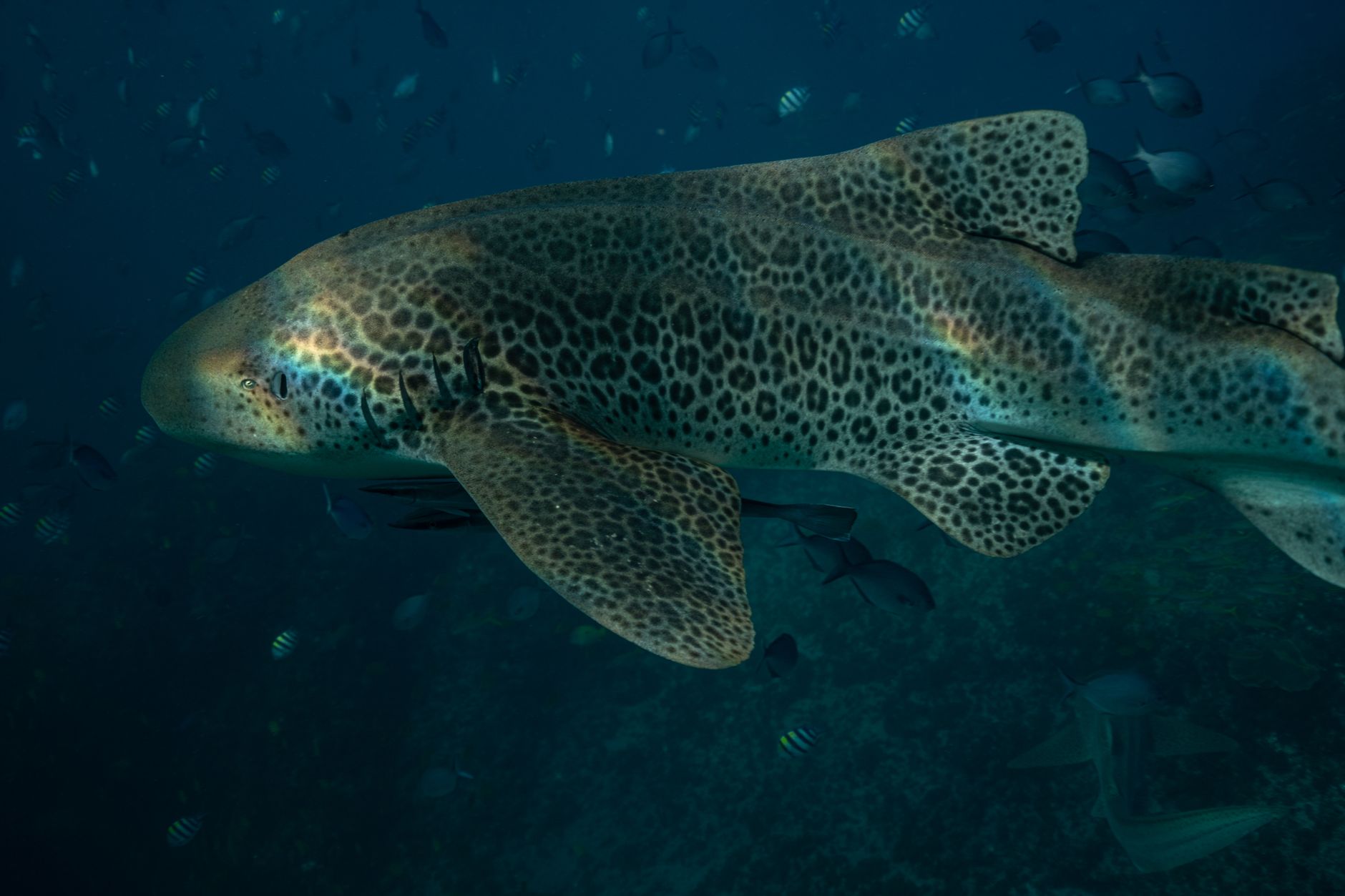
Introduction: A Deep Dive into Greenland Shark Conservation
The Greenland shark (Somniosus microcephalus) is a remarkable creature. Endemic to the cold waters of the North Atlantic and Arctic Oceans, this enigmatic shark holds the record for the longest lifespan of any vertebrate, living for potentially 400 years or more. However, its longevity and slow reproductive rate also make it particularly vulnerable to human activities. Understanding the conservation status of this incredible animal requires examining the existing legal frameworks and conservation efforts.

What colours are fish most attracted to?
Can you put your finger in a trout's mouth?
Is methylene blue anti bacterial?
Does aquarium salt raise pH in aquarium?
The Vulnerability of a Gentle Giant

Greenland sharks face a unique set of challenges that contribute to their vulnerability:
- Extremely Slow Growth: They grow at a glacial pace, adding only about a centimeter each year.
- Late Maturity: They don’t reach sexual maturity until around 150 years of age.
- Low Reproductive Rate: They produce relatively few offspring, making it difficult for populations to recover from declines.
- Bycatch: They are often caught as bycatch in fisheries targeting other species.
- Contamination: Their flesh can accumulate high levels of toxins due to their long lifespan and position as apex predators.
Existing Conservation Efforts: A Patchwork Approach
Currently, there are no comprehensive international treaties or agreements specifically designed to protect Greenland sharks. Their protection is fragmented and inconsistent across their range:
- No International Protection: They are not listed under the Convention on International Trade in Endangered Species (CITES) or other major international conservation agreements.
- Regional and National Regulations: Some regional fisheries management organizations (RFMOs) may have regulations that incidentally benefit Greenland sharks by limiting bottom trawling in certain areas. National regulations vary, with some countries having specific guidelines regarding shark finning and bycatch mitigation.
- Research and Monitoring: Ongoing scientific research is crucial for understanding Greenland shark populations and informing conservation strategies.
- Limited Enforcement: Enforcement of existing regulations, even where they exist, can be challenging due to the vastness of their habitat and the difficulty in monitoring fishing activities.
Threats and Challenges
Several factors contribute to the ongoing threats to Greenland shark populations:
- Bycatch in Fisheries: The primary threat comes from being caught as bycatch in fisheries targeting halibut, cod, and other commercially valuable species.
- Historical Fisheries: In the past, Greenland sharks were targeted for their liver oil, which was used for lighting and other purposes. Although this fishery has largely declined, the historical exploitation had a significant impact on populations.
- Climate Change: Warming ocean temperatures and changing ice cover could potentially alter the distribution and abundance of their prey, impacting Greenland shark populations.
- Pollution: As apex predators, they accumulate toxins such as mercury and persistent organic pollutants (POPs), which can negatively affect their health and reproductive success.
The Importance of Conservation
Protecting Greenland sharks is crucial for several reasons:
- Ecological Role: As apex predators, they play a vital role in maintaining the balance of their ecosystems.
- Scientific Value: Their extreme longevity and unique adaptations offer valuable insights into aging, genetics, and physiological processes.
- Ethical Considerations: As a long-lived and iconic species, they deserve protection from unnecessary harm.
Moving Forward: Potential Conservation Strategies
Effective conservation strategies for Greenland sharks require a multi-faceted approach:
- Improved Bycatch Mitigation: Implementing and enforcing measures to reduce bycatch in fisheries, such as gear modifications and spatial closures.
- International Cooperation: Developing international agreements and management plans to ensure consistent protection across their range.
- Increased Research and Monitoring: Conducting more research to better understand their population size, distribution, and threats.
- Public Awareness: Raising public awareness about the conservation status of Greenland sharks and the importance of protecting them.
- Sustainable Fisheries Management: Promoting sustainable fishing practices that minimize the impact on non-target species, including Greenland sharks.
Frequently Asked Questions (FAQs)
Are Greenland sharks endangered?
While not currently listed as endangered by the IUCN, Greenland sharks are classified as Near Threatened. This means they are close to qualifying for or are likely to qualify for a threatened category in the near future, highlighting the urgent need for conservation action.
What are the main threats to Greenland sharks?
The primary threat is bycatch in fisheries targeting other species, such as halibut and cod. Historical exploitation for liver oil also had a significant impact on populations. Other threats include climate change and pollution.
How long do Greenland sharks live?
Greenland sharks are the longest-lived vertebrates on Earth, with a lifespan of potentially 400 years or more. This remarkable longevity makes them particularly vulnerable to human activities.
What do Greenland sharks eat?
Greenland sharks are opportunistic predators that feed on a variety of prey, including fish, seals, and even carrion. They have been known to scavenge on whale carcasses.
Where do Greenland sharks live?
Greenland sharks inhabit the cold waters of the North Atlantic and Arctic Oceans. They are found in deep waters, often at depths of several hundred meters.
Are Greenland sharks dangerous to humans?
While they are large sharks with powerful jaws, there are no confirmed reports of Greenland sharks attacking humans. They typically inhabit deep, cold waters, making encounters with humans rare.
What can be done to protect Greenland sharks from bycatch?
Several measures can be taken to reduce bycatch, including gear modifications, spatial closures, and improved monitoring of fishing activities. International cooperation and sustainable fisheries management are also crucial.
Are there any protected areas specifically for Greenland sharks?
Currently, there are no protected areas specifically designated for Greenland sharks. Their protection relies on broader fisheries management regulations and conservation efforts.
How can I help protect Greenland sharks?
You can support organizations that are working to conserve marine ecosystems and promote sustainable fishing practices. Reducing your consumption of seafood from unsustainable fisheries can also make a difference.
What is the role of international cooperation in protecting Greenland sharks?
International cooperation is essential for effective Greenland shark conservation. Agreements and management plans are needed to ensure consistent protection across their range, which spans multiple countries and regions.
Are there any ongoing research projects focused on Greenland sharks?
Yes, numerous research projects are underway to study Greenland shark populations, behavior, and genetics. This research is crucial for informing conservation strategies and understanding the threats they face.
What is the IUCN Red List status of Greenland sharks?
The IUCN Red List status of Greenland sharks is Near Threatened, indicating that they are close to qualifying for a threatened category.
Conclusion: The Urgent Need for Action
Are Greenland sharks protected? The answer, unfortunately, remains largely negative. While some localized efforts exist, the overall protection of these magnificent creatures is insufficient. Greater international cooperation, stronger regulations, and increased research are urgently needed to ensure the survival of Greenland sharks for generations to come. The lack of broad protection for Greenland sharks underscores the importance of advocating for conservation measures and raising awareness about the plight of these remarkable animals.