

Should Ducks Have Access to Water at Night? The Definitive Guide
Whether ducks should have access to water at night is a vital question for any duck owner. Generally, yes, providing water access offers numerous benefits for their health and well-being, although considerations must be made for safety and hygiene.

Why Water Access Matters for Ducks
Ducks are inherently aquatic birds, and water is essential for their physical and mental health. Denying them access to water, even at night, can lead to various problems. Understanding the reasons behind their need for water is crucial for responsible duck ownership.

Can planaria live in bottled water?
Can you have a pet giant tortoise?
Do all amphibians have eyelids?
Can fish hear water?
The Biological Imperative: Ducks and Water
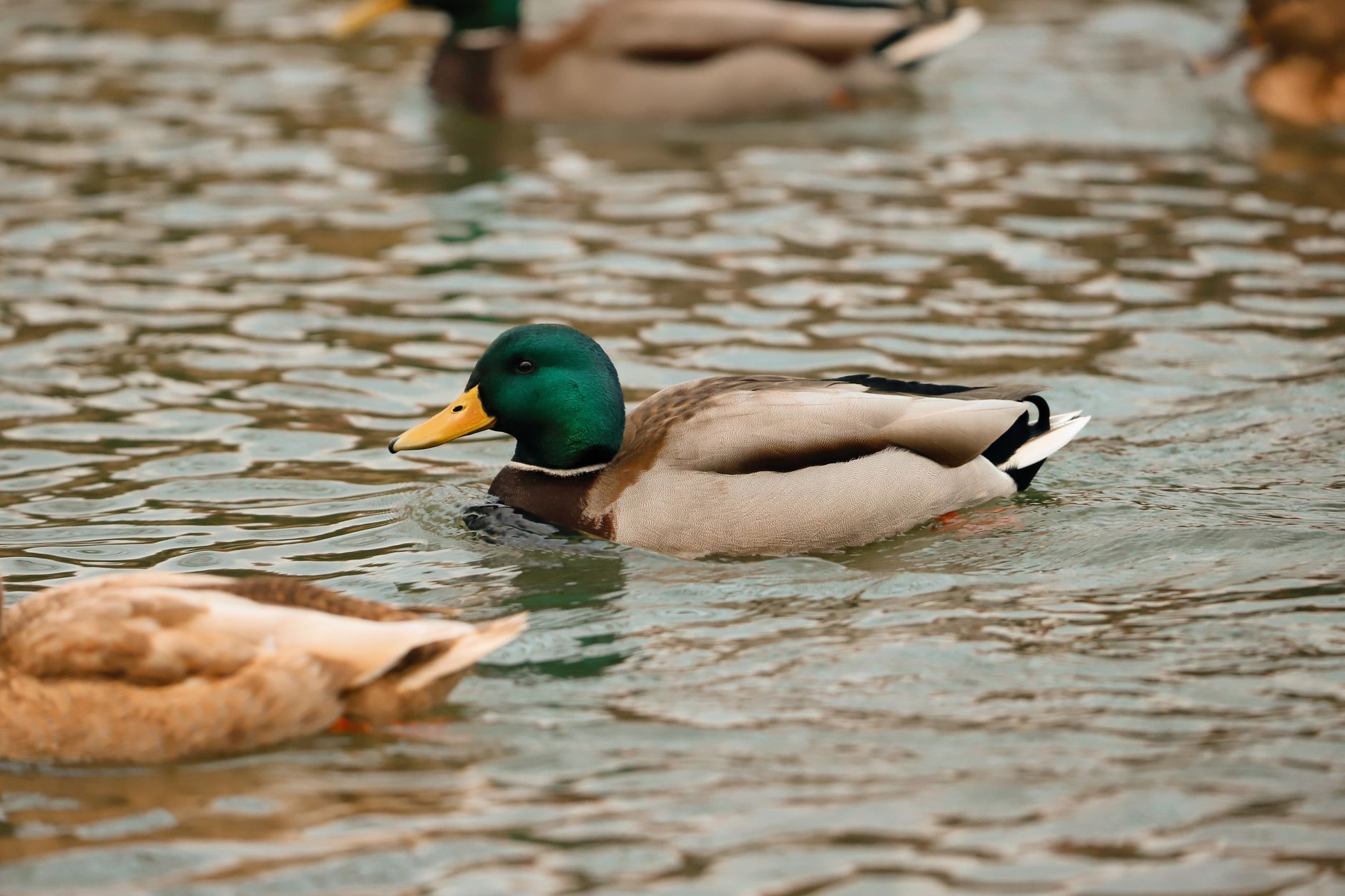
Ducks aren’t just birds that like water; they need water. Their bodies are designed for aquatic life:
- Preening and Waterproofing: Ducks meticulously preen their feathers, spreading oil from the preen gland near their tail. This oil provides crucial waterproofing, essential for buoyancy, insulation, and thermoregulation. They need water to effectively spread this oil.
- Nasal Hygiene: Ducks have specialized nasal passages that require frequent rinsing. Water helps flush out debris and prevents infections.
- Digestive Health: Ducks require water to swallow and digest food properly. Without it, they risk choking or experiencing digestive issues.
- Eye Health: Just as with their nasal passages, ducks use water to rinse and clean their eyes, removing irritants and preventing eye infections.
Benefits of Nighttime Water Access
Providing water access at night extends these benefits beyond daylight hours:
- Continuous Preening: Allowing them to preen at night ensures their feathers remain waterproofed, even during colder temperatures.
- Immediate Thirst Quenching: Access to water ensures they can hydrate immediately if they become thirsty during the night.
- Reduced Stress: The ability to engage in natural behaviors, like dabbling and preening, reduces stress and improves overall well-being.
- Cleanliness: While it may seem counterintuitive, a small pool of water can encourage ducks to keep themselves cleaner, as they’ll use it to wash off dirt.
Managing Water Access: Practical Considerations
Providing nighttime water access requires careful planning and management:
- Safety First: Ensure the water source is shallow enough to prevent drowning, especially for ducklings. Consider using a wide, shallow pan or a small kiddie pool.
- Hygiene Management: Ducks are messy. Expect the water to become dirty quickly. Regular cleaning (daily is ideal) is essential to prevent bacterial growth and disease.
- Cold Weather Considerations: In freezing temperatures, the water will ice over. Consider using a heated dog bowl or changing the water frequently to prevent freezing.
- Pest Control: Stagnant water attracts insects. Regularly clean the water source and surrounding area to minimize pest problems.
Potential Drawbacks and Mitigation Strategies
While beneficial, nighttime water access does have potential drawbacks:
- Increased Mess: Ducks will splash water everywhere, making the surrounding area muddy. Consider placing the water source on a gravel or concrete surface for easier cleaning.
- Increased Humidity: In enclosed spaces, water can increase humidity, which can lead to respiratory problems. Ensure adequate ventilation.
- Risk of Contamination: Ducks can contaminate the water with feces, increasing the risk of disease. Regular cleaning is crucial.
To mitigate these drawbacks, consider the following:
- Water Source Selection: Opt for a container that’s easy to clean and disinfect.
- Location: Choose a location that’s easy to access for cleaning and maintenance and won’t create a mud pit.
- Regular Monitoring: Observe your ducks’ behavior around the water source to ensure they are safe and healthy.
Examples of Duck Water Solutions
| Water Source | Pros | Cons |
|---|---|---|
| Kiddie Pool | Large surface area allows for multiple ducks, encourages swimming/bathing, relatively inexpensive | Can be difficult to clean, requires a lot of water, potential drowning hazard for young ducklings if too deep |
| Shallow Pan | Easy to clean, requires less water, safer for ducklings | Can be easily tipped over, limited space for bathing, water gets dirty quickly |
| Heated Dog Bowl | Prevents freezing in cold weather, provides a constant water source | Requires electricity, potential for electrical hazards, can be expensive |
| Automatic Drinker | Provides a constant, clean water supply, reduces mess | Can be expensive, requires a reliable water source, may not encourage bathing |
Alternatives to Constant Nighttime Access
If constant access isn’t feasible or practical, consider these alternatives:
- Evening Bath: Allow your ducks a supervised bath in a larger tub of water before bedtime. This provides the benefits of bathing without the overnight mess.
- Supplemental Watering: Provide a small amount of water just before bedtime, enough for them to drink but not enough to create a mess.
- Increased Daytime Access: Ensure your ducks have ample access to water during the day. This may reduce their need for water at night.
Frequently Asked Questions
Do ducklings need water at night?
Yes, ducklings need access to water at night just as much as adult ducks. Ensure the water source is very shallow to prevent drowning, and supervise them closely whenever they are near water.
Is it okay to let ducks swim in a pool at night?
It can be, but safety is paramount. The pool should be easily accessible and allow for simple exit. Consider the water temperature and potential for chilling, especially for ducklings. Closely supervise their swimming.
What kind of water container is best for nighttime use?
A shallow, wide pan is generally best. It’s easy to clean, reduces the risk of drowning, and provides enough space for drinking and minimal preening. Avoid deep buckets or containers.
How often should I clean the water container at night?
Ideally, you should clean the water container every day. Ducks are messy, and the water will quickly become contaminated. This helps prevent the spread of disease and keeps your ducks healthy.
What if the water freezes at night?
In freezing temperatures, use a heated dog bowl or change the water frequently. Avoid letting the water freeze, as this deprives your ducks of a vital resource and can lead to dehydration.
Can I use tap water for my ducks?
Yes, tap water is generally safe for ducks, provided it’s safe for human consumption. However, avoid water with excessive chlorine, as this can irritate their skin and eyes. Let it sit for several hours to allow chlorine to dissipate or use a water filter.
What are the signs of dehydration in ducks?
Signs of dehydration include lethargy, weakness, sunken eyes, and a lack of interest in food. If you suspect your duck is dehydrated, provide fresh water immediately and consult a veterinarian.
How much water do ducks need per day?
The amount of water a duck needs varies depending on its size, age, and activity level. However, a general rule of thumb is 1-2 pints per duck per day. Ensure they always have access to fresh, clean water.
Is it possible to train ducks to not make a mess with water?
While you can’t completely eliminate the mess, you can minimize it by providing a designated water area and using a water container that’s difficult to tip over. Regular cleaning also helps.
What diseases can ducks get from dirty water?
Dirty water can harbor bacteria, parasites, and fungi that can cause various diseases, including Avian Botulism, E. coli infections, and Aspergillosis. Regular cleaning and proper sanitation are essential for preventing these diseases.
Should I add anything to the water, like electrolytes or vitamins?
Adding electrolytes or vitamins to the water can be beneficial in certain situations, such as during periods of stress or illness. However, it’s best to consult a veterinarian before adding anything to the water.
Are there any breeds of ducks that need more or less water at night?
All breeds benefit from constant water access. Some breeds like Rouens and Pekins, known for their larger size and higher water requirements, may drink more water but generally, all breeds need it available. Smaller breeds will generally need a shallower drinking source to avoid accidents.
By considering these factors, you can provide your ducks with a safe, healthy, and enjoyable nighttime water experience. Should ducks have access to water at night? The answer, with careful planning and management, is a resounding yes.