

Are Emerald Crabs Aggressive? Unveiling the Truth
Emerald crabs are often touted as peaceful algae eaters, but their behavior isn’t always so simple. The reality is that emerald crab aggression can vary depending on several factors, making them a potentially risky addition to your reef aquarium.
Introduction: The Enigmatic Emerald Crab
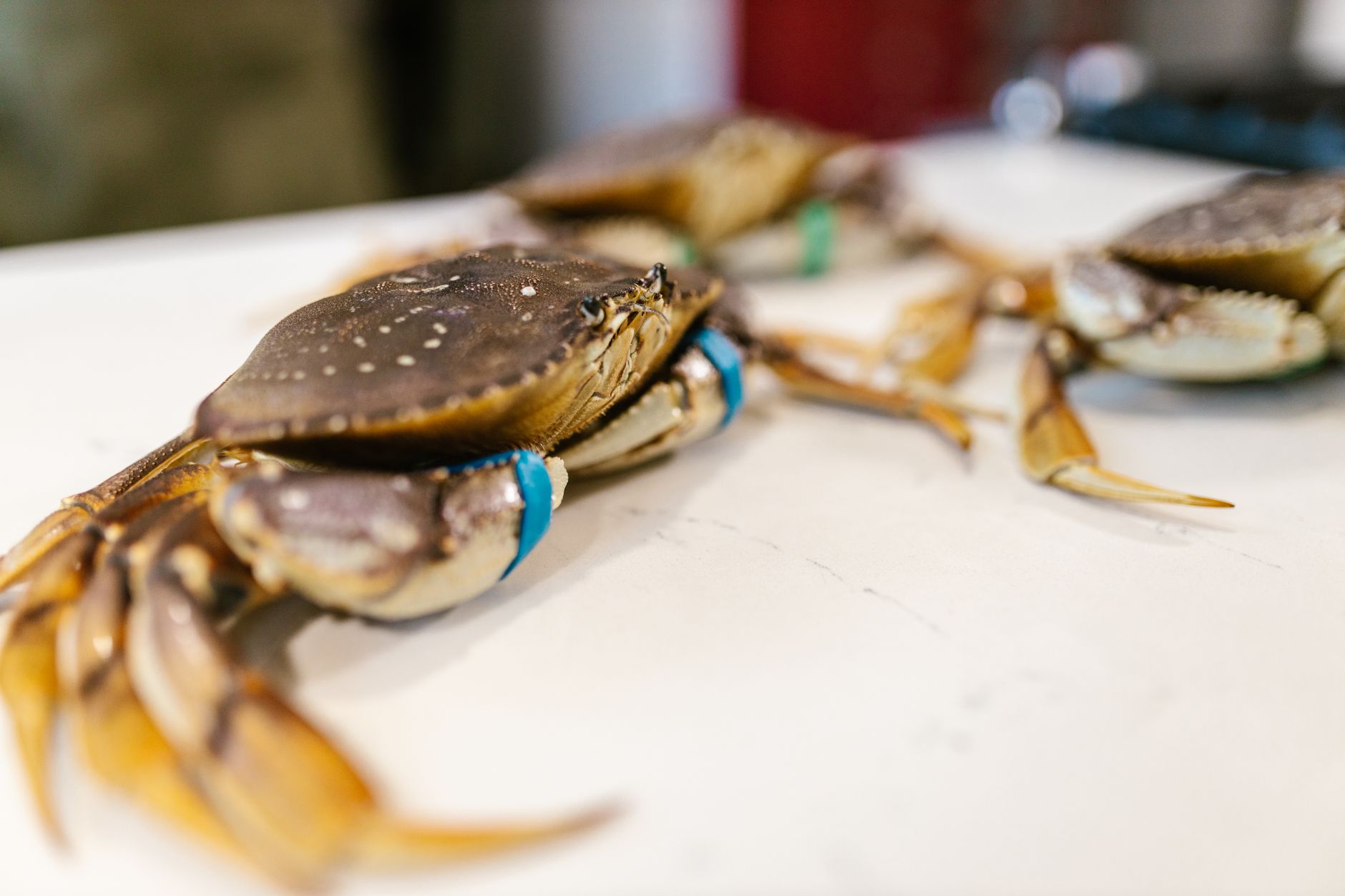
Emerald crabs (Mithrax sculptus) are popular inhabitants of saltwater aquariums, primarily known for their voracious appetite for bubble algae (Valonia ventricosa). Their bright green coloration and relatively small size make them aesthetically pleasing, further contributing to their popularity. However, a key question often arises: Are emerald crabs aggressive? While generally considered reef-safe, their behavior isn’t always predictable, and understanding their potential for aggression is crucial before introducing them to your tank.
What colours are fish most attracted to?
Can you put your finger in a trout's mouth?
Is methylene blue anti bacterial?
Does aquarium salt raise pH in aquarium?
The Emerald Crab’s Natural Habitat and Behavior

Understanding an animal’s natural environment provides insights into its behavior. Emerald crabs are native to the Caribbean and western Atlantic, where they inhabit coral reefs and rocky shorelines. Their diet consists primarily of algae, but they are opportunistic feeders and will also consume detritus, small invertebrates, and even carrion. In the wild, competition for resources can lead to territoriality and aggression, behaviors that may translate to the aquarium environment.
Factors Influencing Emerald Crab Aggression
Several factors can influence whether or not an emerald crab exhibits aggressive behavior:
- Size and Age: Larger, more mature emerald crabs are more likely to display aggressive tendencies.
- Food Availability: If algae and other food sources are scarce, emerald crabs may become more aggressive in their search for sustenance.
- Tank Size: A smaller tank provides fewer hiding places and less territory, potentially increasing competition and aggression.
- Tank Mates: The presence of vulnerable or slow-moving invertebrates, such as small snails or corals, can trigger predatory behavior.
- Individual Temperament: Just like humans, some emerald crabs are simply more docile than others.
Signs of Aggression in Emerald Crabs
Recognizing the signs of aggression is essential for taking corrective action before any damage is done. Look for the following behaviors:
- Chasing or nipping at other invertebrates or fish.
- Stealing food from other tank inhabitants.
- Damaging corals or other sessile organisms.
- Defending a specific territory or hiding spot.
Mitigating Potential Aggression
Even with the risk of aggression, emerald crabs can still be beneficial members of a reef tank. Here are some strategies for minimizing potential problems:
- Provide ample food: Ensure that your emerald crab has access to sufficient algae and other food sources. Supplement their diet with algae wafers or other invertebrate-specific foods if necessary.
- Maintain a spacious tank: A larger tank provides more territory and reduces competition for resources.
- Introduce the crab to a mature tank: Established tanks typically have more algae and detritus available for the crab to consume.
- Observe closely: Monitor your emerald crab’s behavior carefully, especially after introducing new tank mates.
- Provide hiding places: Rockwork and other decorations offer safe havens and reduce stress.
Is an Emerald Crab Right for Your Tank?
Before acquiring an emerald crab, consider your tank’s specific needs and inhabitants. If you have delicate corals, small invertebrates, or a small tank, the risks of aggression may outweigh the benefits. Conversely, if you have a large tank with a significant algae problem and robust inhabitants, an emerald crab might be a valuable addition.
Comparison: Emerald Crabs vs. Other Algae Eaters
| Feature | Emerald Crab | Turbo Snail | Tang Fish |
|---|---|---|---|
| Algae Preference | Bubble, Hair, Film | Film, Hair | Hair, Film, Macro |
| Reef Safety | Generally, but risky | Generally Safe | Risky with Corals |
| Potential Issues | Aggression, Predation | Can knock over rocks | Size, aggression, diet |
| Tank Size Needed | Medium to Large | Small to Large | Large |
The Verdict: Are emerald crabs aggressive?
The question of are emerald crabs aggressive isn’t a simple yes or no. While many emerald crabs are peaceful algae eaters, their behavior can vary depending on individual temperament, tank conditions, and the presence of vulnerable tank mates. Careful observation and proactive management are crucial for ensuring a harmonious reef tank environment. It’s a calculated risk, balancing the benefits of algae control against the potential for disruption.
Frequently Asked Questions
Are all emerald crabs aggressive?
No, not all emerald crabs are aggressive. Some are perfectly peaceful and focus solely on consuming algae. However, the potential for aggression exists, and it’s important to be aware of the risk. Individual temperaments vary.
What types of algae do emerald crabs eat?
Emerald crabs are particularly fond of bubble algae (Valonia ventricosa), which can be a nuisance in reef tanks. They also consume hair algae, film algae, and other types of nuisance algae.
Will emerald crabs eat my corals?
While emerald crabs primarily eat algae, they may occasionally nip at corals, especially if they are hungry or if the corals are already stressed or damaged. This is more likely with larger emerald crabs.
How big do emerald crabs get?
Emerald crabs typically reach a maximum size of around 2 inches (5 cm) in carapace width. Larger individuals are more likely to exhibit aggressive behavior.
How can I tell if my emerald crab is aggressive?
Look for signs such as chasing or nipping at other invertebrates or fish, stealing food, or damaging corals. These behaviors indicate that the crab may be causing problems in your tank.
What should I do if my emerald crab is being aggressive?
If you observe aggressive behavior, you have a few options: you can try re-homing the crab to a larger tank, providing more food, or removing it altogether.
Are emerald crabs safe with snails and shrimp?
Emerald crabs can prey on small snails and shrimp, especially if they are hungry. Keep a close eye on these vulnerable invertebrates.
How many emerald crabs can I keep in my tank?
In most cases, it’s best to keep only one emerald crab per tank, especially if the tank is smaller than 50 gallons. Overcrowding can increase competition and aggression.
What do emerald crabs eat besides algae?
In addition to algae, emerald crabs will also consume detritus, leftover food, and small invertebrates. They are opportunistic feeders.
Can I target feed my emerald crab?
Yes, you can target feed your emerald crab with algae wafers, frozen mysis shrimp, or other invertebrate-specific foods. This can help ensure that the crab is getting enough to eat and reduce the likelihood of aggression.
Are emerald crabs nocturnal?
Emerald crabs are primarily nocturnal, meaning they are most active at night. This is when they are most likely to forage for food.
Will emerald crabs clean up my tank?
Emerald crabs can be helpful in controlling algae growth and removing detritus, but they are not a complete solution. Regular water changes and other maintenance practices are still essential for maintaining a healthy reef tank. Therefore, while they contribute, they aren’t a comprehensive “cleanup crew” solution.