
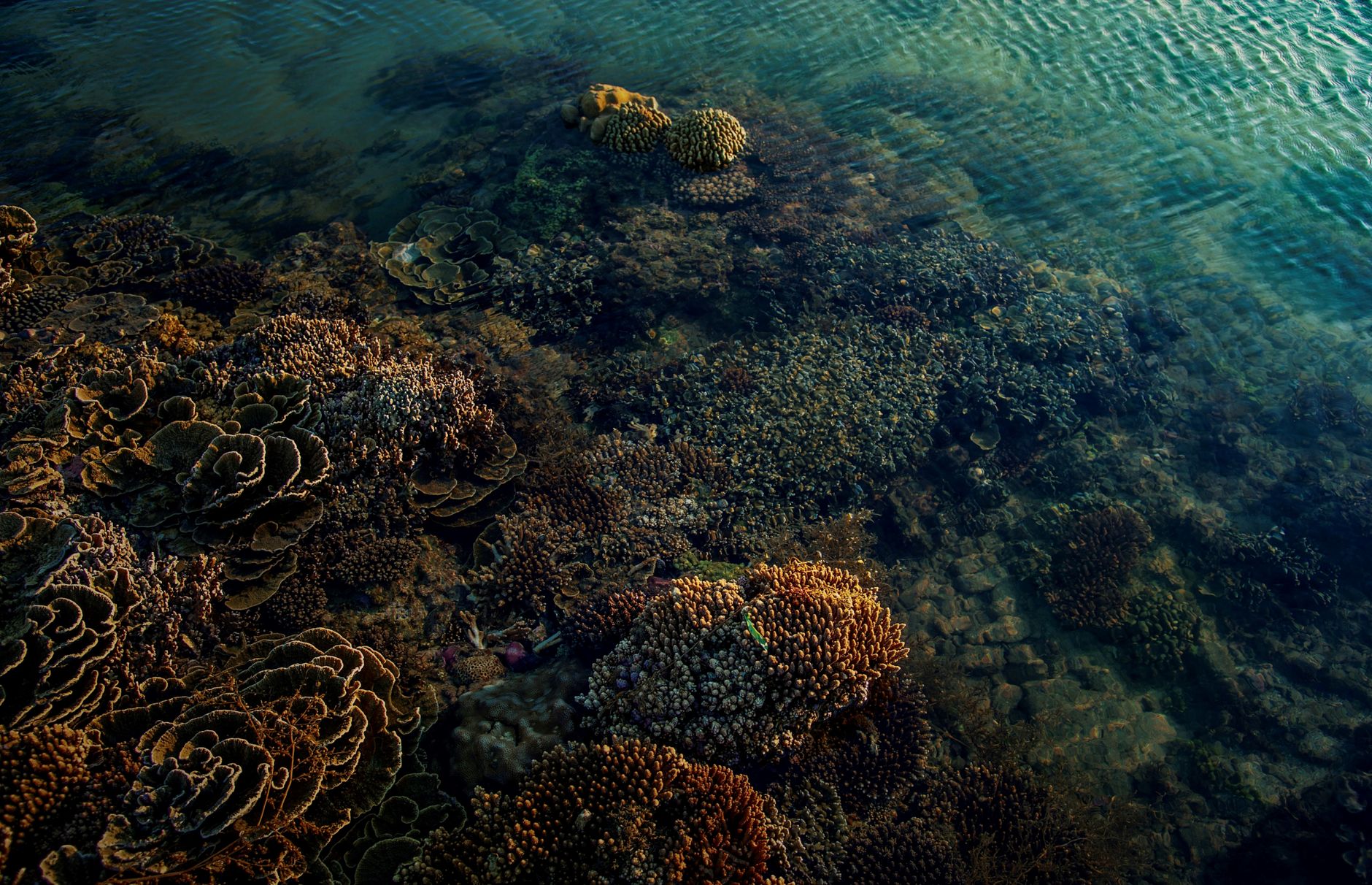
Will Coral Die if You Touch It? The Truth Behind the Hands-Off Rule
Touching coral can have detrimental effects. While a brief, accidental touch might not immediately kill a coral, repeated or forceful contact can severely damage it, stressing the organism and making it more susceptible to disease and death.

Understanding Coral: Living Organisms, Not Just Rocks
Coral reefs, vibrant underwater ecosystems teeming with life, are built by colonies of tiny animals called coral polyps. These polyps secrete a hard calcium carbonate skeleton that forms the structure of the reef. Living within the coral tissue are microscopic algae called zooxanthellae. These algae provide the coral with essential nutrients through photosynthesis, and in return, the coral provides the algae with a protected environment. This symbiotic relationship is crucial for the health and survival of the coral.

Is distilled water good for goldfish?
What colours are fish most attracted to?
Can you put your finger in a trout's mouth?
Is methylene blue anti bacterial?
The Delicate Balance: Why Touch is Harmful

Coral reefs are incredibly fragile ecosystems. Human contact, even seemingly innocuous touching, can disrupt the delicate balance that keeps them thriving. There are several ways touching coral can harm it:
- Damage to the Coral Tissue: Even a light touch can damage the delicate tissue of the coral polyp. This damage can create entry points for bacteria and diseases.
- Disruption of the Mucus Layer: Corals secrete a mucus layer that protects them from infection and predation. Touching the coral can remove this protective layer, leaving the coral vulnerable.
- Introduction of Harmful Substances: Our skin carries oils, lotions, and other substances that can be toxic to coral. These substances can disrupt the coral’s delicate chemical balance and contribute to bleaching.
- Stress and Energy Depletion: Repeated touching can stress the coral, forcing it to expend energy to repair the damage and fight off infection. This can weaken the coral and make it more susceptible to environmental stressors like temperature changes.
Coral Bleaching: A Symptom of Stress
Coral bleaching is a phenomenon where coral expels the zooxanthellae living in its tissues, causing it to turn white. This happens when the coral is stressed, often due to factors like:
- Rising Ocean Temperatures: This is the biggest threat to coral reefs worldwide.
- Ocean Acidification: Increased carbon dioxide levels in the atmosphere are causing the ocean to become more acidic, which makes it difficult for coral to build their skeletons.
- Pollution: Runoff from land-based sources can pollute the water and harm coral.
- Physical Damage: Touching coral, as previously mentioned, can contribute to bleaching.
A bleached coral is not necessarily dead, but it is significantly weakened and more vulnerable to disease and death. Recovery from bleaching can take months or even years, and some coral may never recover.
Safe Practices for Divers and Snorkelers
Protecting coral reefs is a shared responsibility. Divers and snorkelers can play a crucial role in preserving these delicate ecosystems by following these guidelines:
- Maintain Neutral Buoyancy: Proper buoyancy control is essential to avoid accidentally touching or bumping into coral.
- Avoid Touching the Reef: Keep your hands, fins, and equipment away from the coral. Remember the phrase: “Take only pictures, leave only bubbles.”
- Be Aware of Your Surroundings: Pay attention to your surroundings and avoid swimming in areas where coral is densely packed.
- Choose Reef-Safe Sunscreen: Opt for sunscreens that are free of oxybenzone and octinoxate, chemicals that are known to harm coral reefs.
- Report Damage: If you see signs of coral damage or bleaching, report it to local authorities or conservation organizations.
Alternative Ways to Appreciate Coral Reefs
You can appreciate the beauty of coral reefs without touching them. Here are some alternatives:
- Photography: Capture the vibrant colors and intricate details of the reef with a camera.
- Observation: Simply observe the marine life and enjoy the underwater scenery.
- Virtual Reality Experiences: Explore coral reefs from the comfort of your own home with virtual reality technology.
- Support Conservation Efforts: Donate to organizations that are working to protect coral reefs.
| Method | Description | Impact on Coral |
|---|---|---|
| Touching | Direct physical contact with the coral polyps. | Negative |
| Photography | Capturing images of the reef from a safe distance. | Neutral |
| Observation | Viewing the reef without any physical contact. | Neutral |
| VR Experience | Immersive digital simulation of a coral reef environment. | Neutral |
| Conservation | Supporting initiatives dedicated to preserving and restoring coral reefs. | Positive |
Frequently Asked Questions About Touching Coral
Is it okay to touch dead coral?
While touching dead coral might seem less harmful than touching living coral, it is still generally discouraged. Dead coral provides habitat for various marine organisms, and disturbing it can disrupt the ecosystem. Furthermore, it’s often difficult to distinguish between dead and dormant coral, which could potentially recover if left undisturbed.
What happens if I accidentally touch coral?
A single, accidental touch is unlikely to kill the coral immediately. However, it can still cause stress and damage to the tissue. Try to avoid touching it again and be more careful in the future. Consider rinsing the area with seawater if you used any harmful substances before entering the water.
Can touching coral cause a rash or infection?
Yes, touching certain types of coral can cause a rash or skin irritation. Fire coral, in particular, can deliver a painful sting that can cause a burning sensation and blisters. It’s also possible to get a bacterial infection from touching coral, especially if you have any open wounds.
Will coral die if you touch it with gloves on?
Touching coral with gloves on is slightly better than touching it with bare hands, as it can reduce the transfer of oils and other substances. However, it still poses a risk of damaging the coral tissue. Furthermore, the gloves themselves can harbor bacteria that could harm the coral. So, it’s best to avoid touching the coral altogether, even with gloves.
What is the best way to clean coral I find on the beach?
Generally, you should avoid collecting coral from the beach, as it plays an important role in the coastal ecosystem. If you do find a piece of coral that you want to clean, rinse it thoroughly with fresh water. Avoid using harsh chemicals or detergents, as these can damage the coral.
How long does it take for coral to recover from being touched?
The recovery time depends on the extent of the damage and the type of coral. Minor damage may heal within a few weeks or months. However, more severe damage can take years to recover from, and some coral may never fully recover.
Are some types of coral more sensitive to touch than others?
Yes, some types of coral are more delicate than others. Branching corals, for example, are particularly susceptible to damage from touch. Massive corals, like brain coral, are generally more resilient, but they can still be harmed by repeated or forceful contact.
What are the consequences of damaging coral reefs?
Damaging coral reefs can have serious consequences for the entire marine ecosystem. Coral reefs provide habitat for a vast array of marine life, and their destruction can lead to a decline in fish populations and other marine species. They also protect coastlines from erosion and storm surge.
What is coral farming and how does it help?
Coral farming, also known as coral gardening, is the process of growing coral in nurseries and then transplanting it onto degraded reefs. This can help to restore damaged reefs and increase coral cover. It is a vital conservation tool.
How can I get involved in coral reef conservation?
There are many ways to get involved in coral reef conservation. You can volunteer with a conservation organization, donate to support their work, or simply educate yourself and others about the importance of coral reefs. You can also make sustainable choices in your daily life, such as reducing your carbon footprint and avoiding products that harm coral reefs.
Will coral die if you touch it while snorkeling?
While a brief accidental touch might not immediately kill the coral, touching coral while snorkeling, even lightly, can still harm the delicate coral polyps and their protective mucus layer. It’s crucial to maintain a safe distance and avoid any contact to prevent stress, potential disease, and damage to these vital marine ecosystems. Remember, “look, but don’t touch!”
Are there any exceptions where touching coral is acceptable?
Generally, touching coral is not acceptable. However, in certain scientific research or restoration projects, trained professionals may need to handle coral under strict protocols to study or propagate them. This is done with extreme care and minimal impact, unlike recreational touching which offers no benefit to the ecosystem.